25 Small Closet Organization Ideas That Double Your Space
A small closet feels impossible until you use every inch of it, from the door to the top shelf to the floor. These small closet organization ideas use cheap hangers, hooks, bins, and baskets, and together they can genuinely double the usable space without any building work. Start with the rail, then fix the shelves, and finish with the door and floor.
1. Slim Velvet Hangers That Free Rail Space
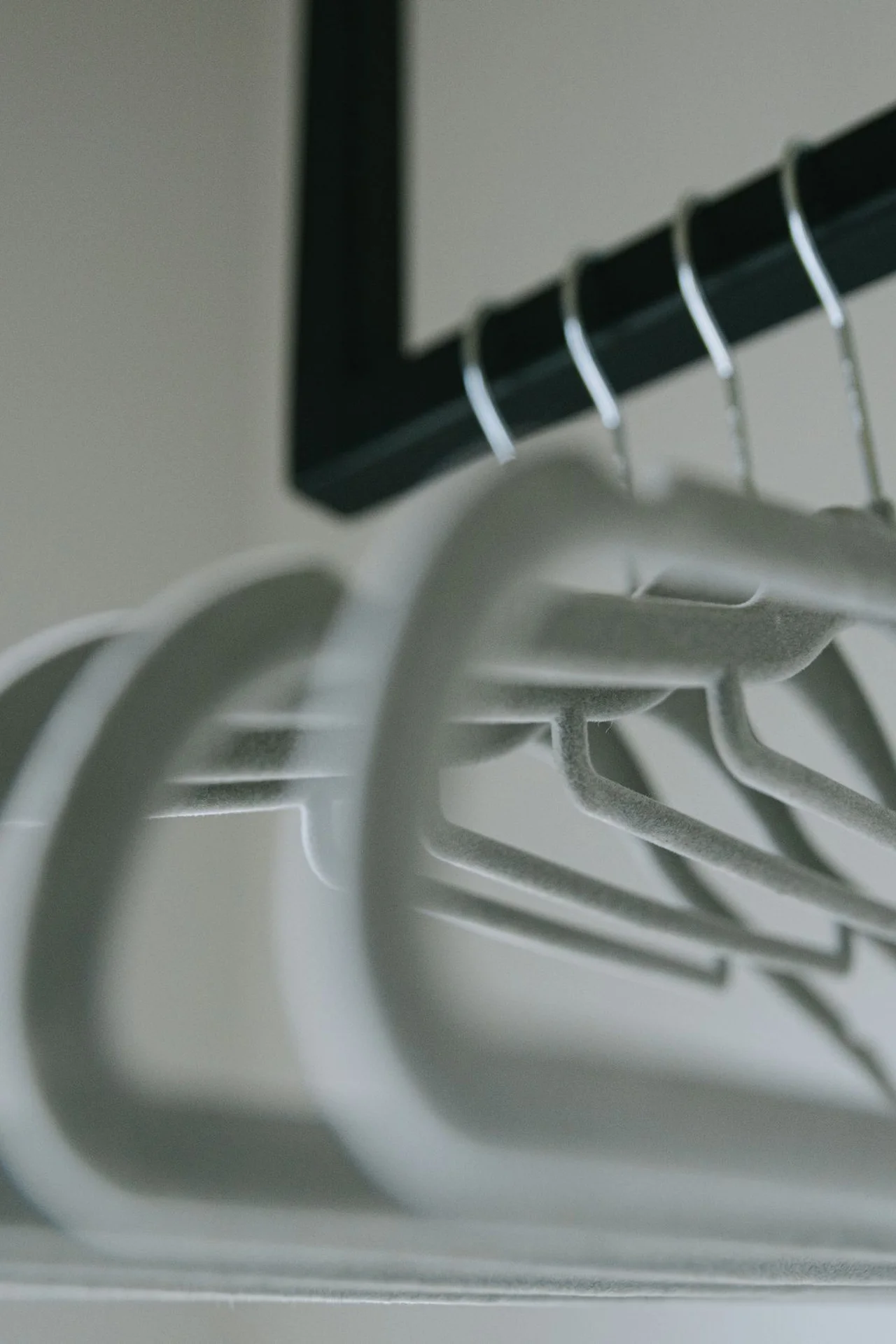
Plastic hangers are wide, slippery, and waste inches of rail on every single garment, which adds up fast in a small closet. Slim velvet hangers take up about half the width and grip fabric so shirts stop sliding onto the floor. Swap one section at a time, starting with the most crowded rail, and donate the old hangers as you go. I tried this in a closet that felt completely full, and I gained room for ten more garments without removing a single thing. Keep a few sturdy wooden hangers for heavy coats, since slim hangers bend under thick wool. I keep the old plastic hangers for drying laundry, so nothing goes to waste.
Cost: ~$10 | Time: 30 minutes
2. Cascading Hanger Hooks That Stack Outfits
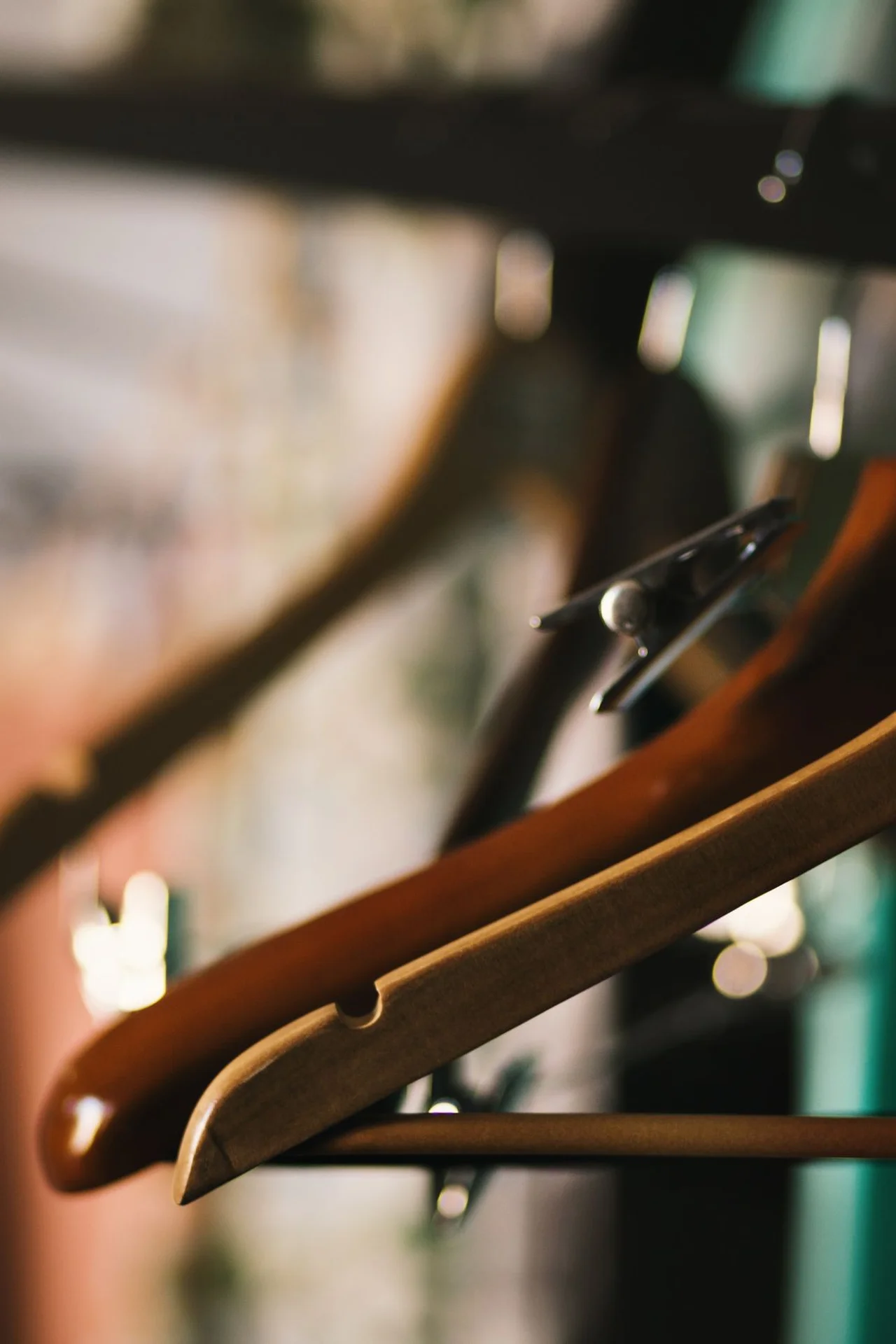
Cascading hooks hang one hanger from another in a vertical chain, so five garments take the rail space of just one. Hook the first hanger on the rail, link the next hanger to its hook, and keep going down until the chain nearly touches the shelf below. I tried this for my work outfits, and a whole week’s clothes hung in the space that used to hold two shirts. Group each chain by outfit or by category, because a mixed chain makes mornings slower instead of faster. I made the mistake of chaining heavy coats together at first, and the top hook bent under the weight within a week.
Cost: ~$5 | Time: 15 minutes
3. A Lower Second Rail for Short Clothes

Most closets waste the space below short shirts and blouses, because one long rail leaves a big empty gap underneath. A second rail hung halfway down doubles the hanging space for shirts, skirts, and folded trousers. Fix the new rail about forty inches below the top one, move short items down to it, and keep long coats and dresses on the top rail. I tried this in a rental closet I was not allowed to drill, using a tension rod instead, and it worked just as well. Measure your longest shirt first, since a second rail hung too high leaves clothes bunching on the shelf below.
Cost: ~$8 | Time: 25 minutes
4. Shelf Dividers That Keep Folded Stacks Upright
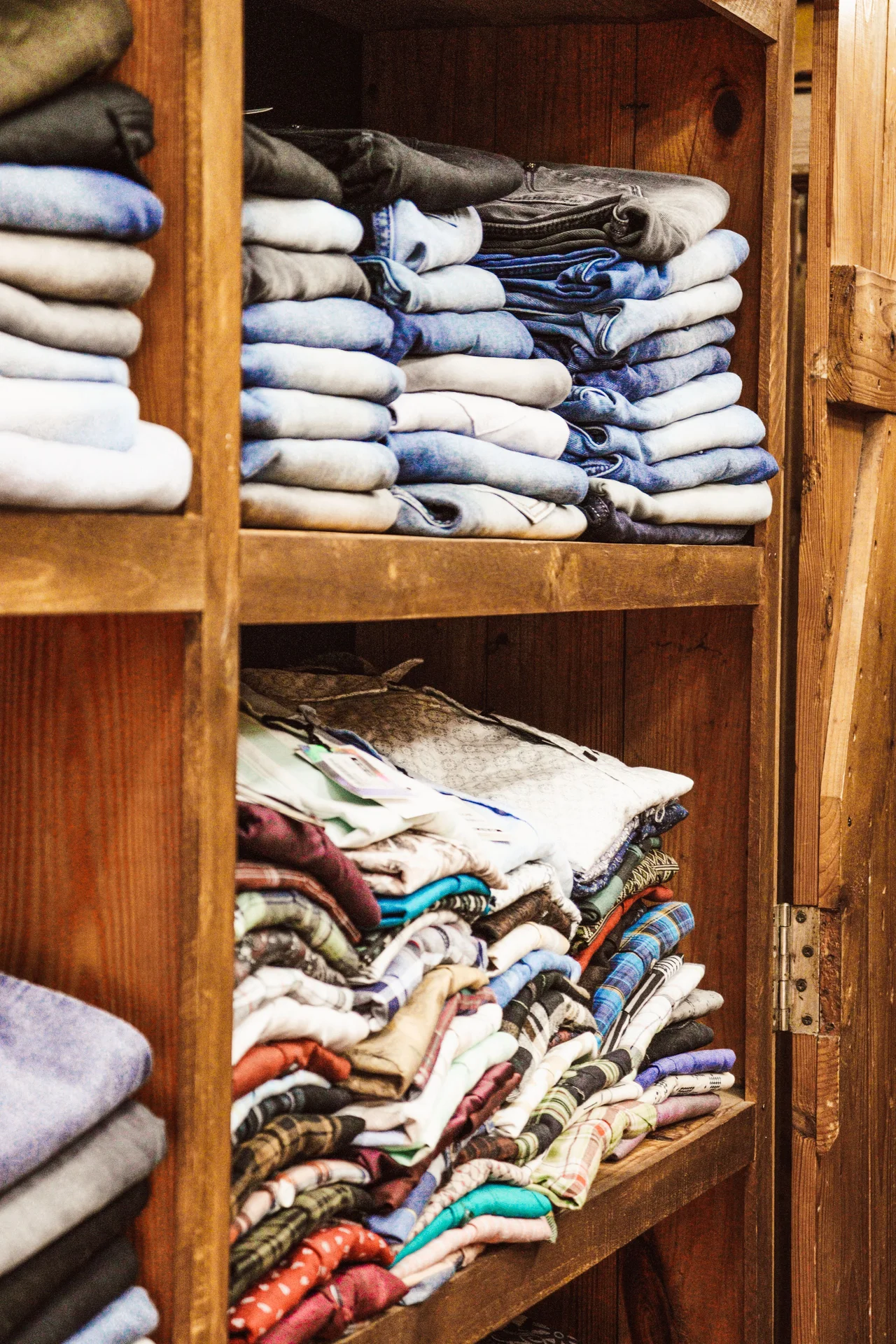
Folded stacks on a shelf slide into each other the moment you pull one item out, and soon the whole shelf is one messy pile. Shelf dividers stand between the stacks like bookends, holding each pile upright and separate. Slide two or three dividers onto the shelf, sort clothes by type, and fold each stack to the same width as its section. I tried this for knitwear that always toppled, and the stacks stayed neat for months instead of days. Keep one section empty if you can, because a shelf packed edge to edge has no room to pull anything out cleanly. I learned that after cramming every divider full on day one.
Cost: ~$9 | Time: 20 minutes
5. Clear Bins on the Top Shelf

The top shelf is often wasted because things get pushed back there and forgotten, but clear bins turn it into useful, visible storage. Buy bins that fit the shelf depth, label each one by season or category, and keep a small step stool nearby so the bins stay reachable. I tried this for out-of-season scarves and swimwear, and I stopped buying duplicates of things I already owned but could not see. Keep the bins light, since heavy bins on a high shelf are awkward and unsafe to lift down. I made the mistake of filling one bin with old books, and getting it down felt like a workout.
Cost: ~$12 | Time: 20 minutes
6. An Over-Door Pocket Organizer for Accessories

The inside of a closet door is dead space, but a pocket organizer turns it into storage for shoes, scarves, belts, and small accessories. Hang it over the door, fill the clear pockets by category, and keep daily items in the pockets at hand height. I tried this for scarves and belts that used to live in a tangled drawer, and choosing an accessory finally took seconds. Keep heavy shoes in the bottom pockets, since a top-heavy organizer swings and pulls at the door every time it moves. I keep the top pockets for light scarves only, because that keeps the whole organizer balanced and quiet.
Cost: ~$6 | Time: 10 minutes
7. Hanging Fabric Shelves for the Empty Gap
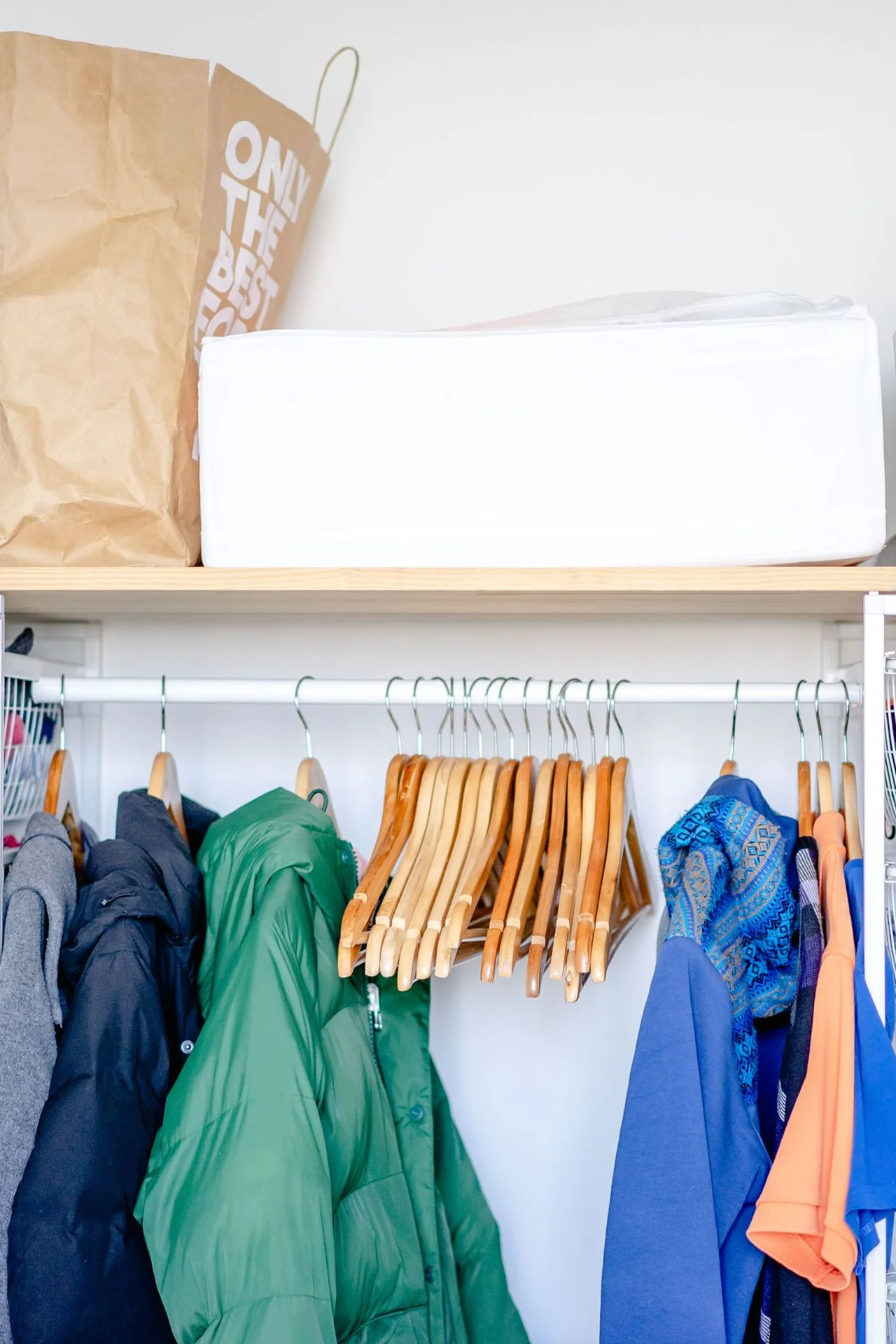
The gap between the rail and the floor, or at the end of a rail, is often the most wasted space in a small closet. A hanging fabric shelf fills that gap with soft cubbies for folded clothes, bags, and shoes without any tools. Hang it from the rail, fill the top cubbies with light items and the bottom ones with heavier things, and leave one cubby free for tomorrow’s outfit. I tried this in the dead corner of my closet, and it became the most useful spot in the whole space. Avoid overloading the top cubby, since a sagging shelf pulls the whole unit sideways and looks messy fast.
Cost: ~$7 | Time: 10 minutes
8. A Boot Tray That Defines the Floor

Shoes left loose on a closet floor spread everywhere and collect dust and dirt from the rest of the house. A boot tray with a small lip defines exactly where shoes belong and catches dirt before it reaches the floor. Place the tray at the closet entrance, line shoes up in pairs, and wipe the tray once a week. I tried this after years of kicking shoes aside to reach the back of the closet, and the floor finally stayed clear. Choose a tray that fits the closet width, since a tray that is too wide blocks the door and one that is too narrow holds almost nothing.
Cost: ~$4 | Time: 5 minutes
See also: small space storage ideas that actually work
9. Stackable Shoe Boxes on a Shelf
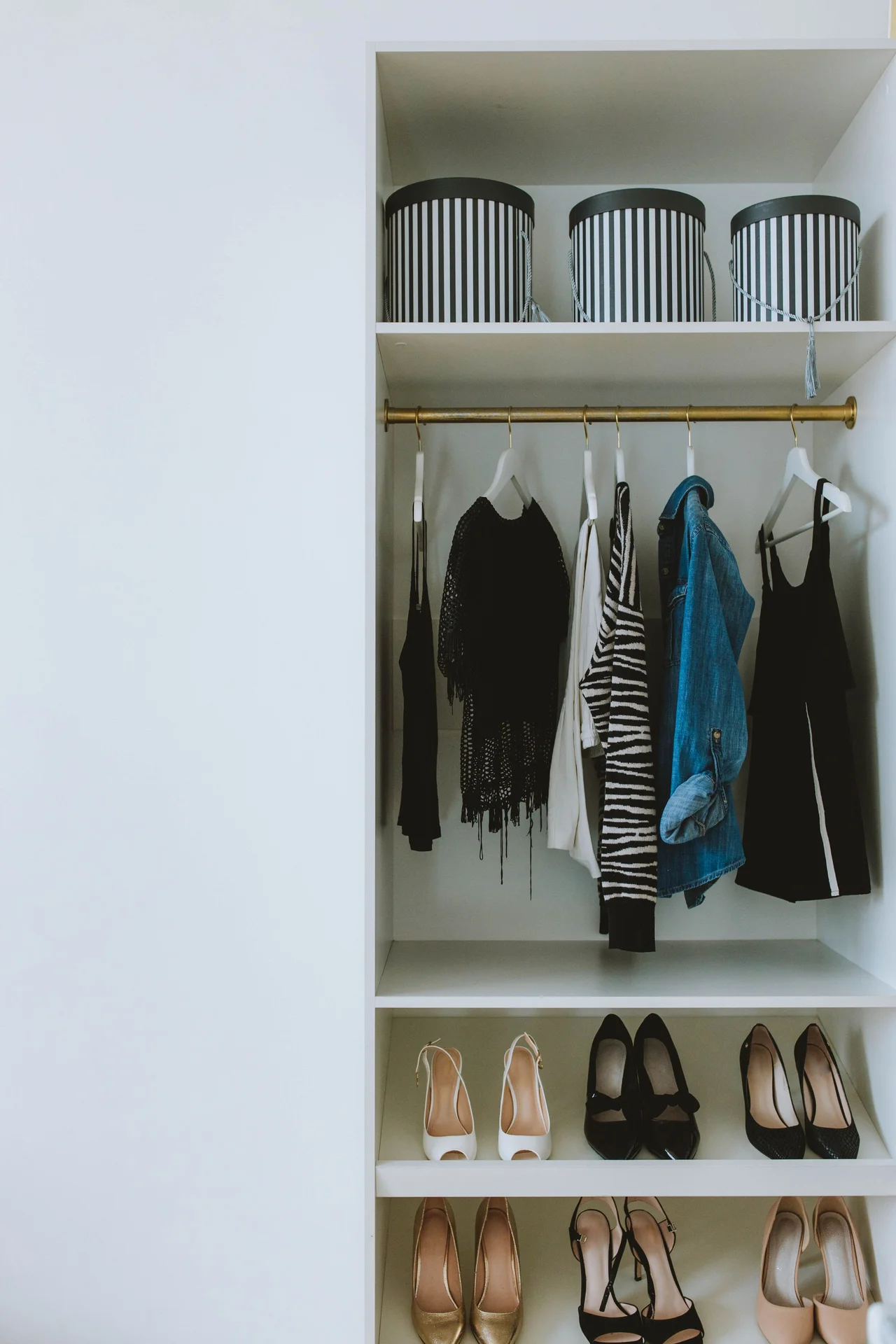
Shoes stacked in a pile get crushed, dusty, and hard to find, but clear stackable boxes keep each pair visible and protected. Buy boxes that match your shelf height, place the most-worn pairs at the bottom of the stack, and label the ends if the boxes are not clear. I tried this for a collection that had taken over the closet floor, and the floor cleared completely in one afternoon. Measure the shelf height before you buy, since tall boots need taller boxes and a wrong size wastes the whole purchase. I stack mine with toes facing out, so grabbing the right pair takes no thinking at all.
Cost: ~$10 | Time: 30 minutes
10. Shower Rings for Scarves and Belts
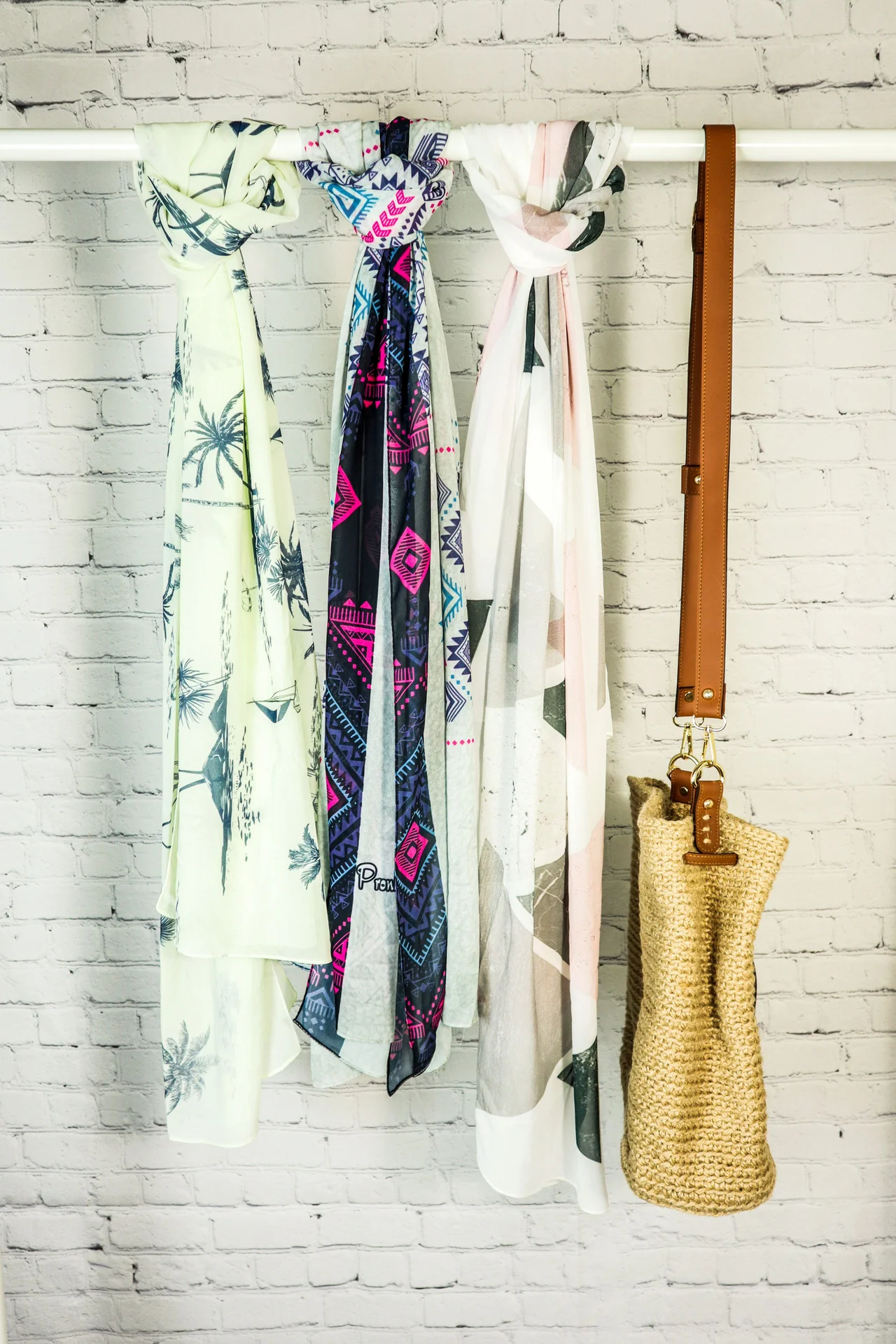
Scarves and belts tangled in a drawer are never worn, because finding one takes longer than choosing the outfit. Shower curtain rings looped over the closet rail hold one scarf or belt per ring, so you can flip through them like a shop display. Clip one item per ring, group the rings by colour, and hang them on a short section of rail near the front. I tried this with thirty scarves for just a few dollars, and I started wearing scarves I had forgotten I owned. Keep the rings together on one section, since rings spread across the whole rail waste hanging space for clothes.
Cost: ~$2 | Time: 15 minutes
11. A Tie and Belt Rack on the Door
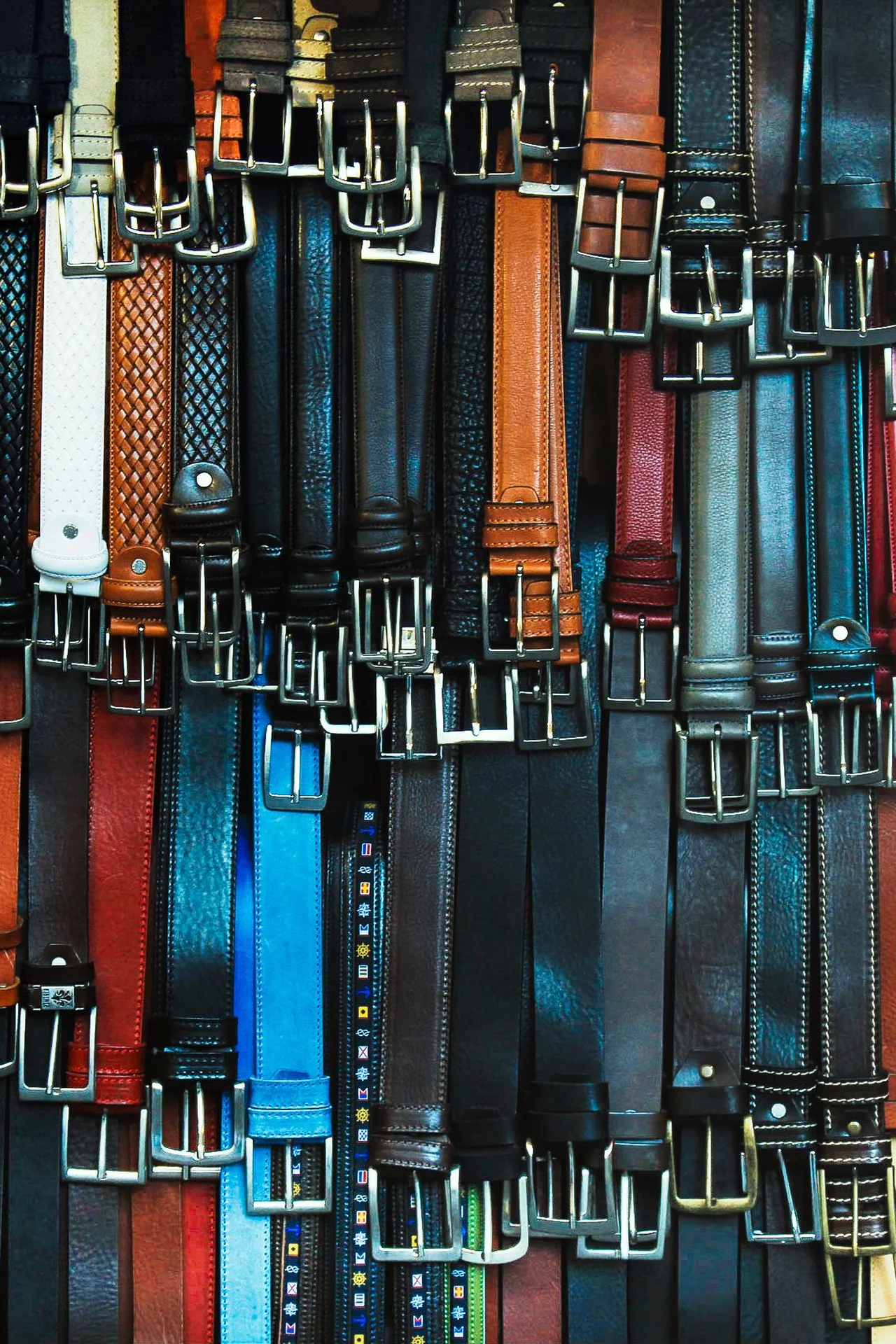
Ties and belts coiled in a drawer knot together and crease, which ruins them slowly over time. A small rack screwed or hooked onto the closet door holds each tie and belt flat and visible, ready to grab. Fix the rack at eye level inside the door, hang one item per hook, and sort by colour so matching an outfit is quick. I tried this for my husband’s ties, and the drawer that used to hold a knotted mess finally stayed empty. Keep the rack inside the door, since a rack on the outside catches on clothes and door frames every time you walk past.
Cost: ~$6 | Time: 15 minutes
12. Small Baskets for Accessories and Small Items

Small items like sunglasses, wallets, and watches vanish in a big closet because they have no proper home. Small baskets on a shelf give each group its own spot, so nothing small ends up loose at the back of a drawer. Buy three or four matching baskets, label them loosely by type, and keep one basket near the door for keys and daily items. I tried this after losing my sunglasses three times in one month, and they have lived in the same basket ever since. Keep the baskets shallow, since deep baskets hide small items at the bottom and turn back into junk boxes.
Cost: ~$8 | Time: 15 minutes
13. A Valet Hook for Tomorrow’s Outfit
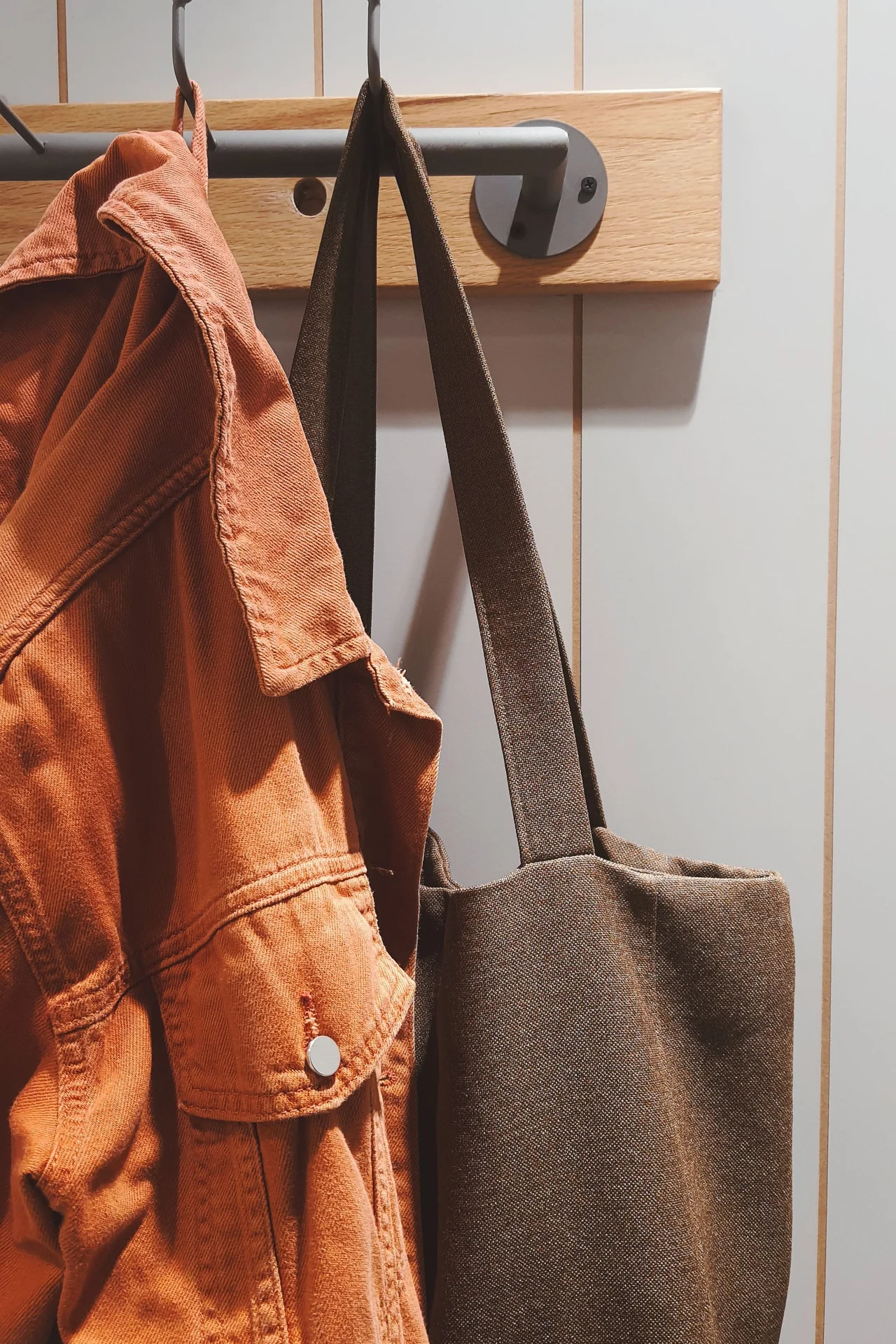
Choosing an outfit in a rushed morning leads to clothes pulled out and dumped on the bed, which wrecks a tidy closet daily. A valet hook inside the closet door holds tomorrow’s outfit, picked the night before, so mornings start without decisions. Screw one sturdy hook inside the door at shoulder height, hang the full outfit there each evening, and get dressed from the hook. I tried this for workdays, and my mornings got calmer while the closet stayed tidy because nothing was pulled out in a panic. Keep only one outfit on the hook, since a hook loaded with three days of clothes becomes just another crowded rail.
Cost: ~$3 | Time: 10 minutes
14. Vacuum Bags for Out-of-Season Clothes

Out-of-season clothes eat a small closet alive, because thick winter coats and heavy knitwear take space all summer long. Vacuum bags compress them flat, so a whole season fits on one shelf or under the bed. Wash and dry the clothes first, pack them loosely in the bag, seal it, and vacuum the air out until the bag is flat. I tried this for winter coats, and they took a third of the space they used to need. Avoid vacuum bags for down jackets you wear often, since crushed down takes time to recover its shape and warmth. I label each bag by season, so swapping wardrobes takes an hour, not a weekend.
Cost: ~$9 | Time: 25 minutes
15. Drawer Dividers in a Closet Drawer

A closet drawer without dividers becomes a jumble where socks hide under tops and nothing stays folded. Dividers split the drawer into sections for socks, underwear, and accessories, so each thing has a small, visible home. Measure the drawer, buy dividers that fit snugly, and fold clothes to stand upright in each section. I tried this in a single deep drawer, and finding socks stopped being a morning hunt. Keep one section for odd socks, since every household grows a collection of singles that need somewhere to wait for their partners. I check that section monthly, because pairs do turn up eventually.
Cost: ~$7 | Time: 20 minutes
16. A Shelf Riser for Double-Stacked Shoes
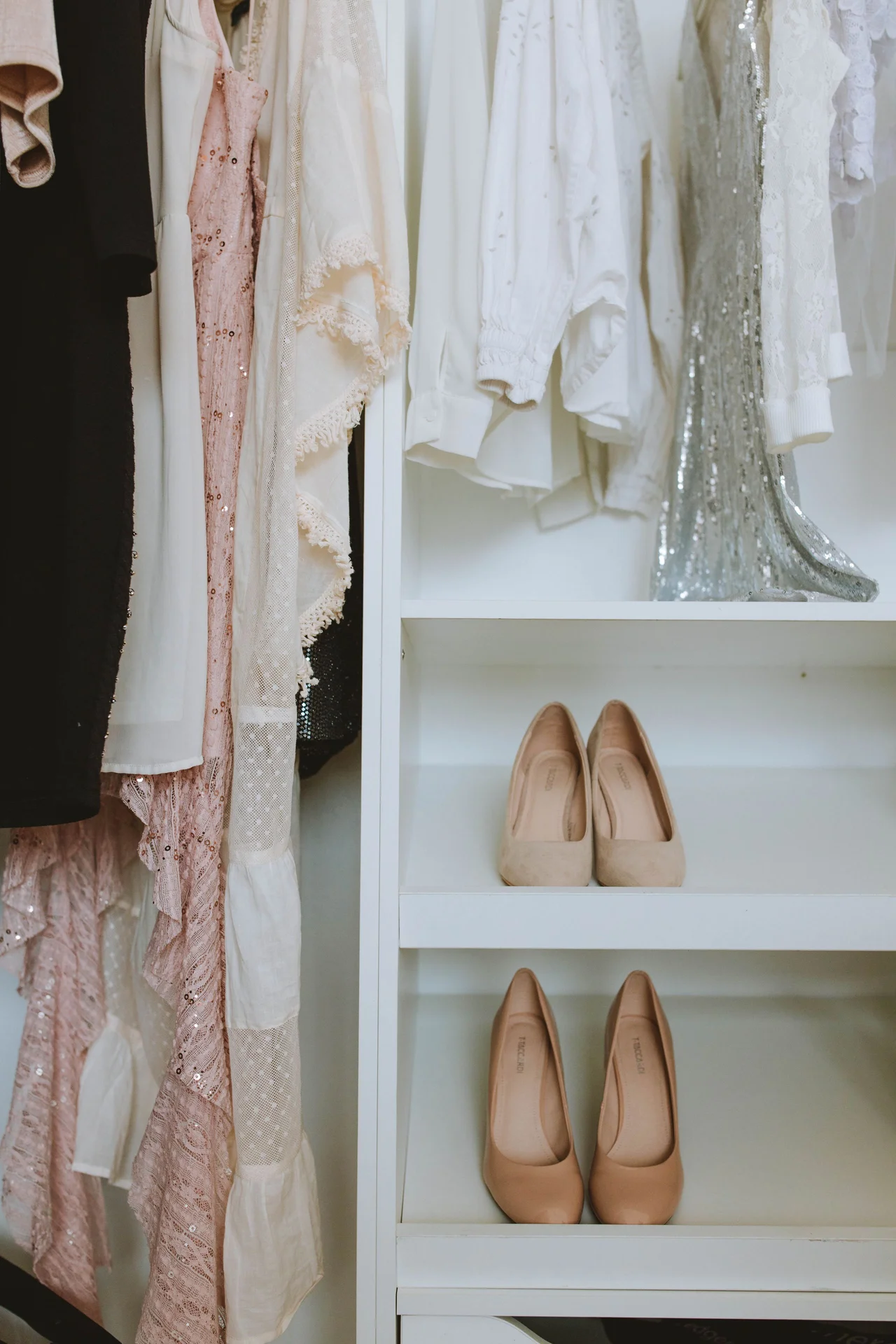
One row of shoes on a shelf wastes the height above them, because most shoes are short and the space above stays empty. A shelf riser adds a second level, so one row sits on the shelf and another sits raised above it. Place the riser on the shelf, put everyday shoes underneath and occasion shoes on top, and keep the pairs lined up neatly. I tried this in a closet with only one shoe shelf, and it doubled the shoe space without any building work. Measure the tallest shoe first, since a riser that is too low squashes boots and tall heels against the shelf above.
Cost: ~$8 | Time: 15 minutes
17. Hooks Inside the Door for Bags

Handbags stacked on a shelf crush each other and lose their shape, while bags on the floor get kicked and dusty. Hooks inside the closet door hold one bag per hook, hanging safely where they stay visible and keep their shape. Screw two or three sturdy hooks inside the door at different heights, hang the most-used bags lowest, and keep dust bags on the good ones. I tried this after finding a favourite bag squashed flat under three others, and it has kept its shape ever since. Check the door hinges after fitting hooks, since a door loaded with heavy bags can sag if the hinges are already weak.
Cost: ~$5 | Time: 15 minutes
18. A Lazy Susan for Hard-to-Reach Shelf Corners
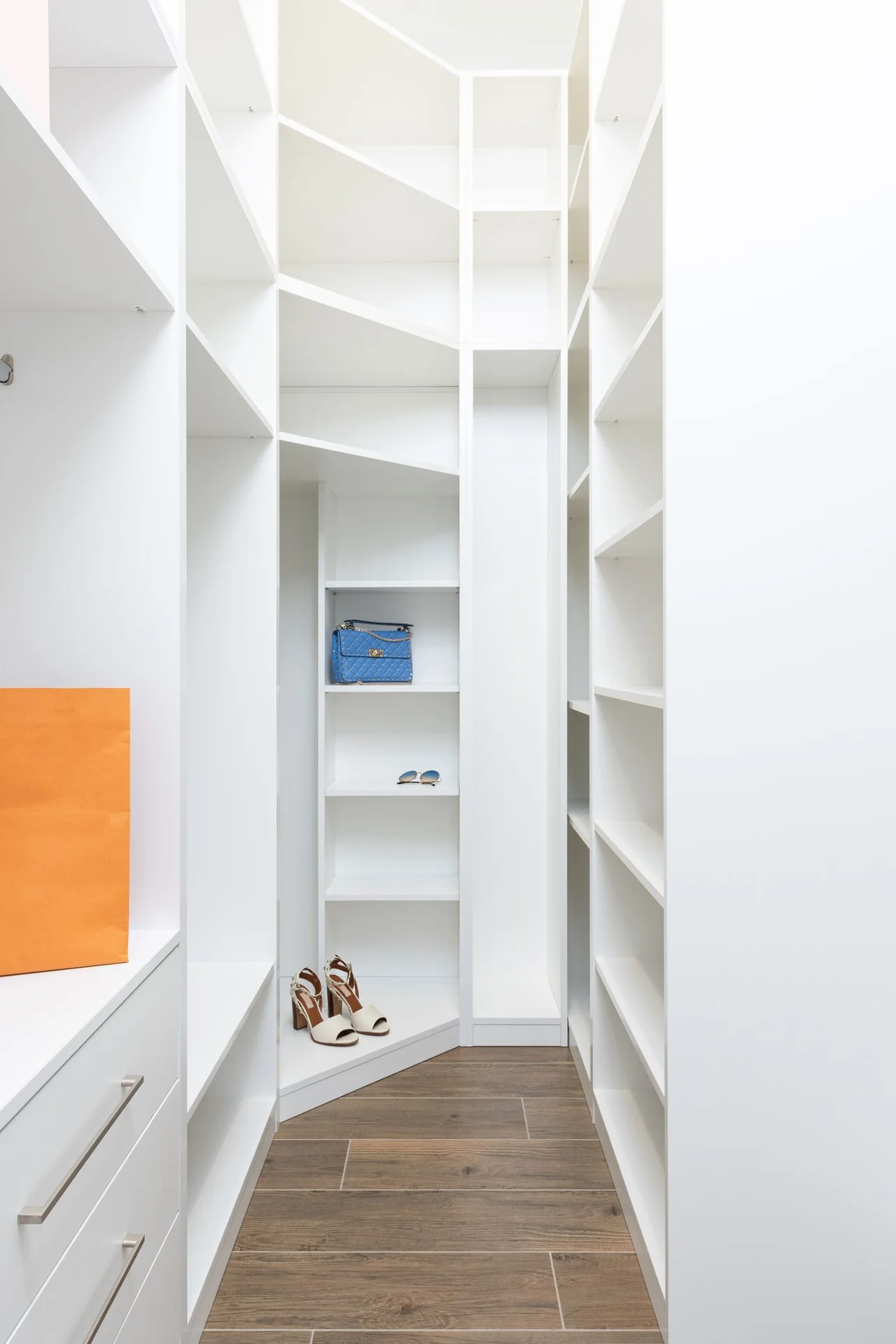
Deep closet shelves have a dead zone at the back where things go to be forgotten, because reaching them means pulling everything out. A lazy Susan turntable on the shelf spins the back to the front, so nothing hides out of reach. Place the turntable in the corner or at the back of a deep shelf, group small items on it, and spin it to find what you need. I tried this for accessories and small bottles on a high shelf, and I stopped buying duplicates of things I already owned. Keep the turntable light, since an overloaded one sticks and spills everything when you spin it too fast.
Cost: ~$9 | Time: 10 minutes
See also: small closet organization that stays tidy
19. Labelled Bins by Clothing Category

Clothes without categories drift into one big pile, because there is no clear rule for where anything belongs. Labelled bins by category, like gym clothes, sleepwear, and swimwear, give every odd item a definite home. Buy matching bins, label each one clearly, and place them on the top shelf or the closet floor where they are easy to reach. I tried this for gym clothes that used to live on a chair, and the chair finally stayed clear for sitting. Keep the labels simple, since a system with fussy labels gets ignored the moment you are in a hurry. I use one word per bin, and it works.
Cost: ~$10 | Time: 20 minutes
20. A Pull-Out Basket Under the Lowest Shelf

The space under the lowest shelf is often too low for hanging clothes and too awkward for stacking, so it becomes a dumping ground. A pull-out basket on runners or a simple basket on the floor fills that gap with storage you can slide out and see. Place the basket under the shelf, fill it with accessories or folded items, and pull it out like a drawer when you need something. I tried this for scarves and hats, and they stopped ending up in a heap by the door. Keep the basket shallow, since a deep basket under a low shelf is hard to lift out when it is full.
Cost: ~$11 | Time: 20 minutes
21. Clips That Keep Outfit Sets Together
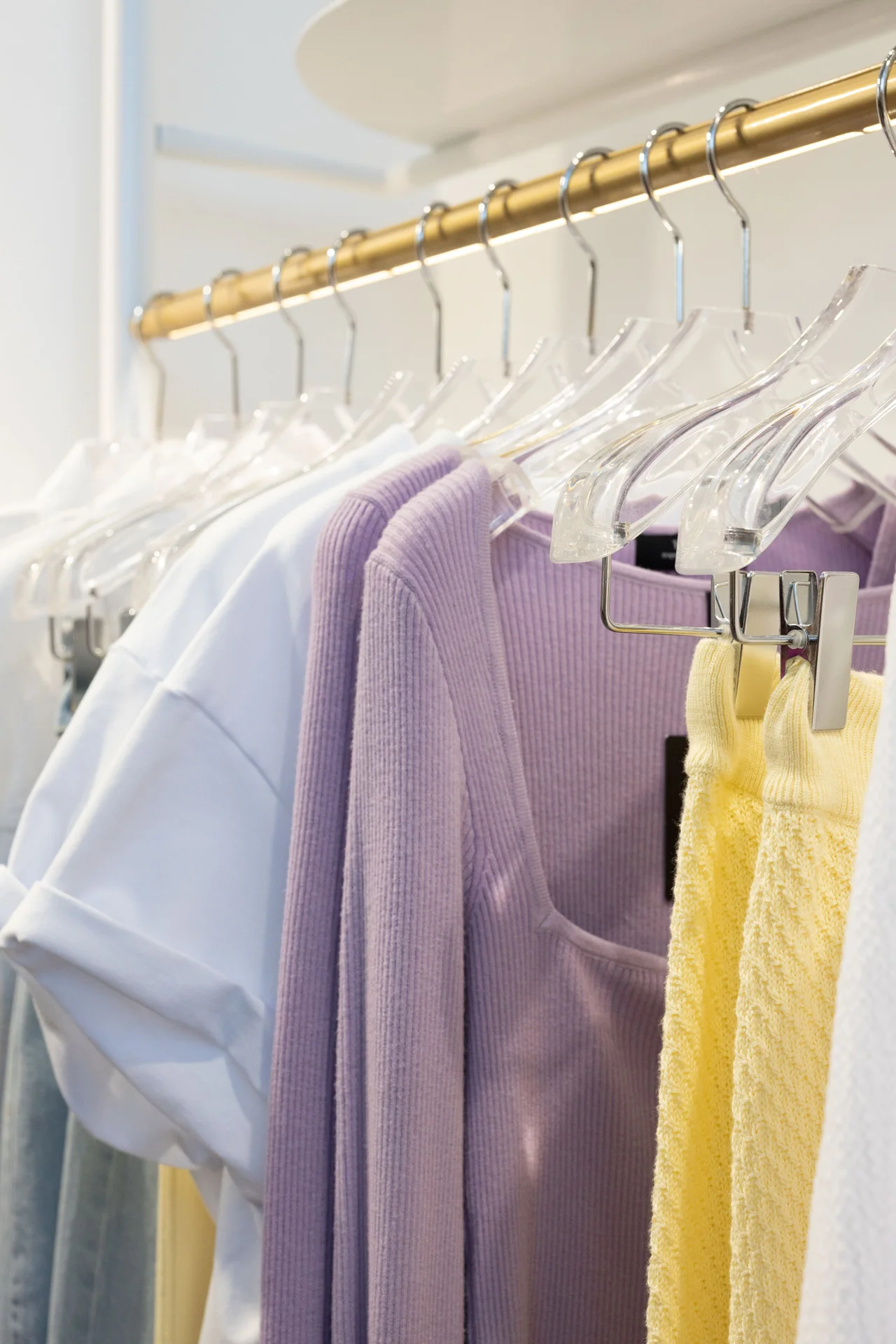
Outfit sets split up across a closet mean mornings spent hunting for the top that goes with a particular skirt or pair of trousers. Clips or small rings that link the hangers of one outfit keep the set together on the rail. Clip the hangers together after laundry, hang the set as one unit, and grab the whole outfit in one motion. I tried this for work outfits, and getting dressed got faster because the matching pieces were never separated. Keep one clip per outfit, since clipping three outfits together just creates a heavy bundle that is hard to lift off the rail.
Cost: ~$3 | Time: 10 minutes
22. Cedar Sachets That Keep a Closet Fresh
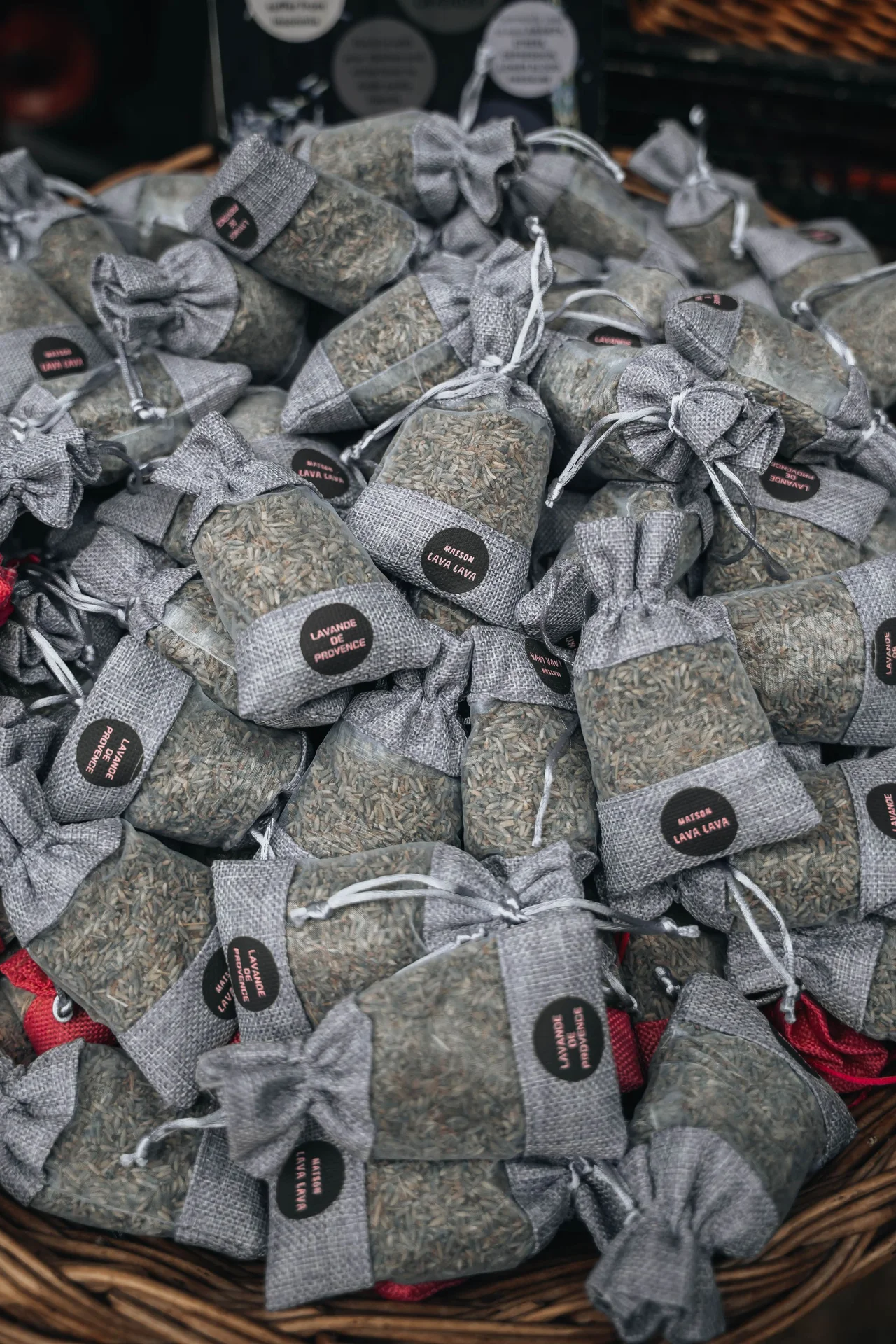
A small closed closet can smell musty, especially when it holds clothes that are rarely worn. Cedar sachets hung on the rail or tucked into bins keep the air fresh and help deter moths without any chemicals. Hang two or three sachets spread across the rail, replace them yearly, and refresh the scent by sanding cedar blocks lightly each season. I tried this in a closet that always smelled closed-in, and it smelled like a cedar chest within a day. Avoid scented sachets that clash with perfume, since a strong cedar scent plus perfume can be overpowering in a small space.
Cost: ~$4 | Time: 5 minutes
23. A Lint Roller Station by the Door
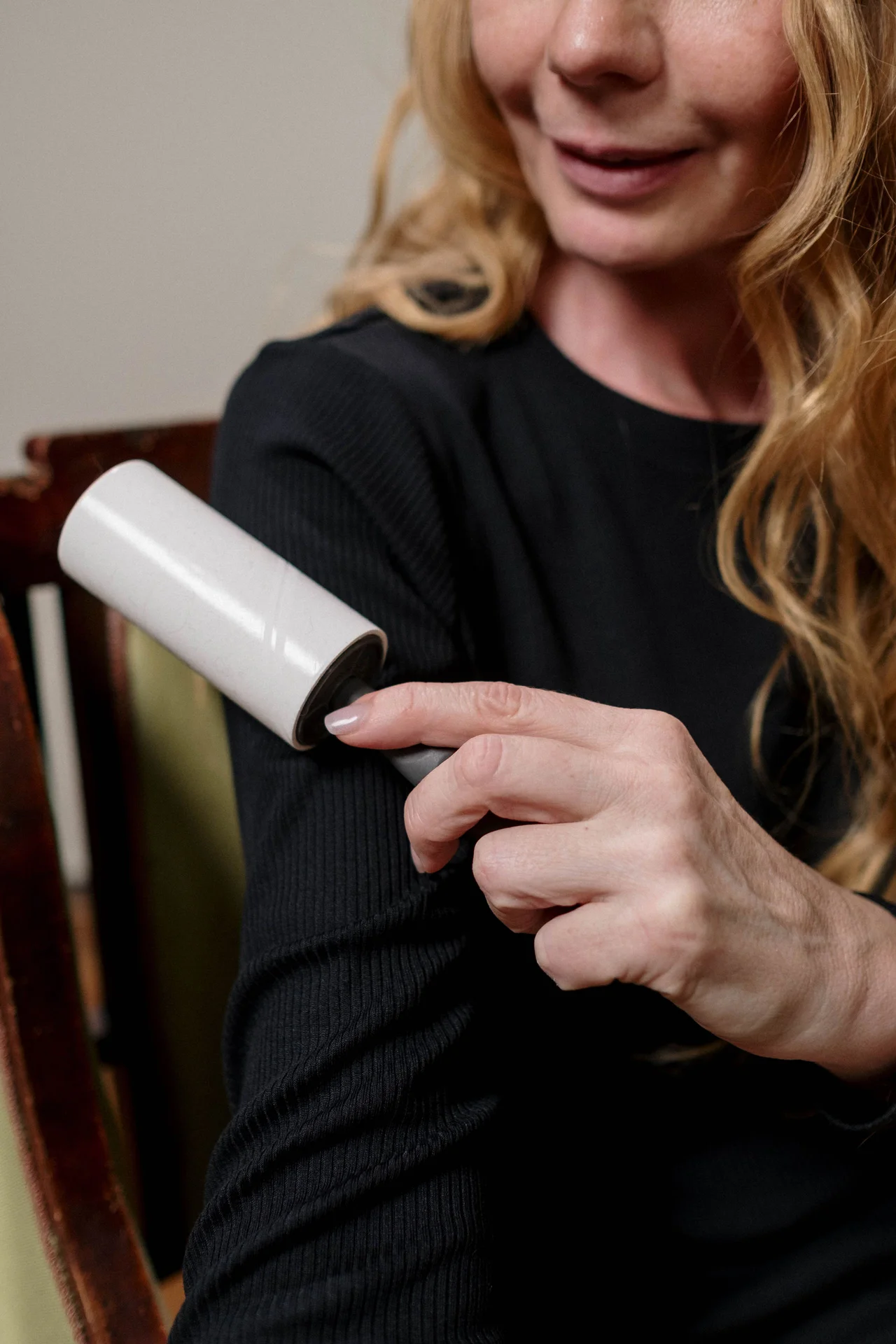
A lint roller buried in a drawer never gets used, so pet hair gets discovered at the office instead of at home. A lint roller station by the closet door, hung on a hook at eye level with a spare roll beside it, means you actually use it before leaving. Hang the roller near the door, keep the spare roll in a small basket, and replace the roll before it runs out completely. I tried this after one too many hairy black jumpers at work, and lint emergencies dropped to almost zero. Keep the spare roll visible, since an empty roller with no spare is just decoration hanging on a hook.
Cost: ~$3 | Time: 5 minutes
24. A Weekly Five-Minute Closet Reset

Even the best closet system drifts back into mess without a small regular habit to hold it in place. A five-minute reset once a week, rehanging strays, refolding one shelf, and returning accessories to their bins, keeps the closet working all year. Pick a fixed day, set a timer, and do only the visible mess, because a reset that feels like a big project gets skipped. I tried this on Sunday evenings, and my closet stayed organised for months instead of collapsing after two weeks. Pair the reset with another weekly habit, like changing the sheets, so both habits remind you of each other naturally.
Cost: ~$0 | Time: 5 minutes
See also: kids room organization ideas on a budget
25. A Donation Bag That Lives in the Closet

Clothes you no longer wear stay in a small closet for years because there is no easy moment to remove them. A donation bag hanging in the closet catches those clothes the moment you notice them, instead of waiting for a big clear-out. Hang the bag where you get dressed, drop in anything you try on and dislike, and donate the bag when it fills. I tried this permanently, and my closet stayed at a steady size instead of growing every season. Replace the bag the same day you donate it, since a missing bag breaks the habit and the closet starts filling up again.
Cost: ~$1 | Time: 5 minutes
Shopping List
Most of these ideas use the same handful of cheap supplies, so buy them once and you can set up the whole closet in a weekend. Tick off what you already own before you shop, because most closets already hold half this list.
- Slim velvet hangers, one pack
- Cascading hanger hooks and shower curtain rings
- One tension rod for a second rail
- Shelf dividers and one shelf riser
- Clear bins for the top shelf, plus small baskets for accessories
- Over-door pocket organizer and adhesive or screw-in hooks
- One hanging fabric shelf and one boot tray
- Stackable shoe boxes and vacuum bags for out-of-season clothes
- Cedar sachets, a lint roller with a spare roll, and a donation bag
Save this idea for your next closet clear-out if your rail is bursting and the floor has disappeared under shoes.
A small closet does not need a bigger room or an expensive fitted system, it needs slim hangers, a second rail, and a home for every small thing. Work through the rail first, then the shelves and door, and finish with the weekly reset and the donation bag. Do that, and the closet that felt full will suddenly have room to spare.
