17 Entryway Rug Ideas on a Budget
The rug in your entryway takes more abuse than any other rug in the house, and it is also the first thing guests stand on, so it has to work hard and look good doing it. Entryway rug ideas on a budget are not about finding the cheapest rug, they are about finding the right rug for how your household actually lives. I have gone through more entryway rugs than I care to admit, and the ones that lasted all had one thing in common: they were chosen for the mess, not just for the photo.
1. Natural Jute Runner for Warmth
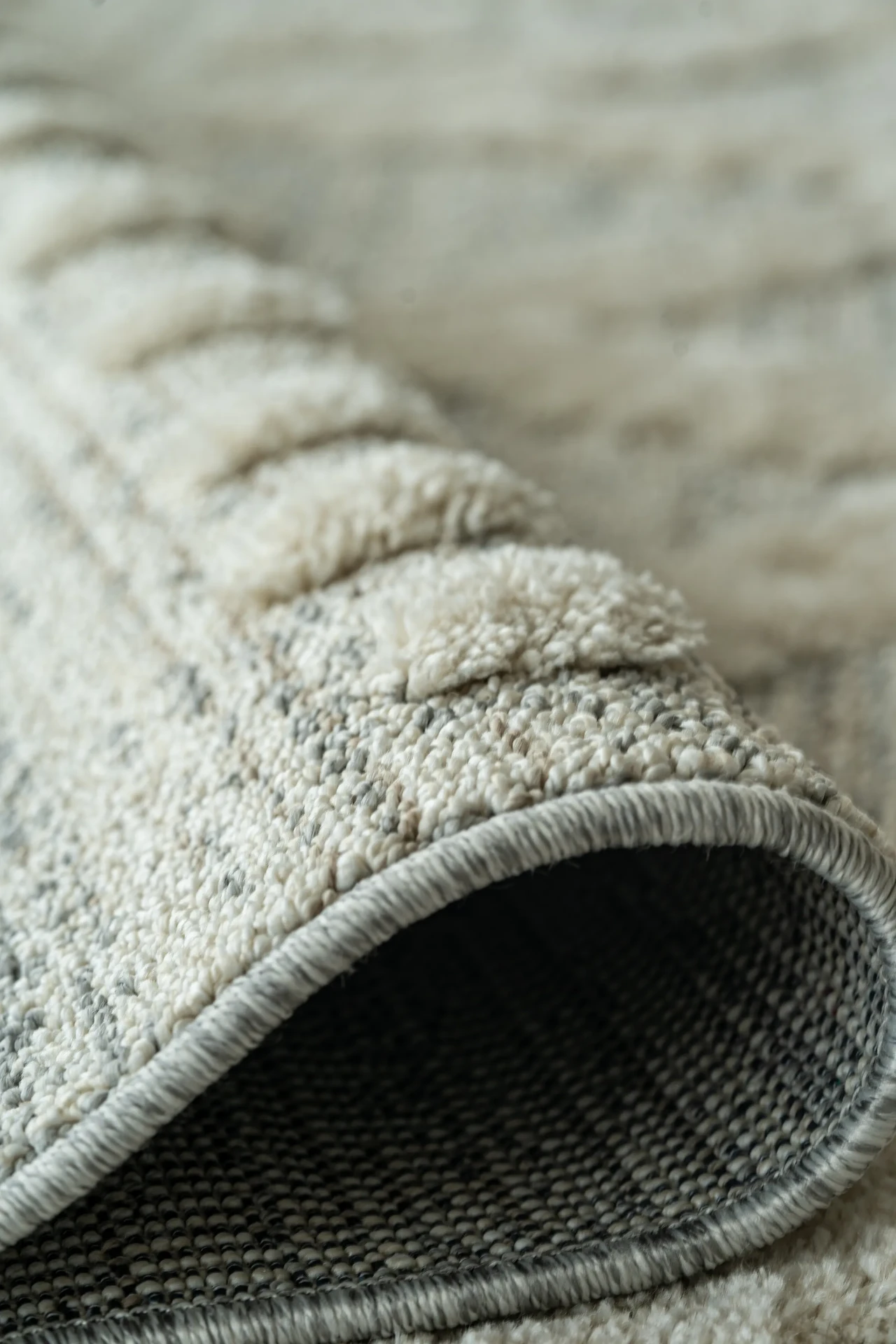
A jute runner brings instant warmth to a hard floor entryway and hides dirt better than any light-colored rug. I laid one down in our front hall and it made the whole space feel like a home instead of a corridor. Jute is rough under bare feet, so layer a softer mat on top if your household goes shoeless. Shake it out outside weekly, because jute traps dust in its weave. It pairs with almost any style, which is why it keeps showing up in my house.
Cost: ~$35 | Time: 10 minutes
2. Washable Rug for Muddy Shoes
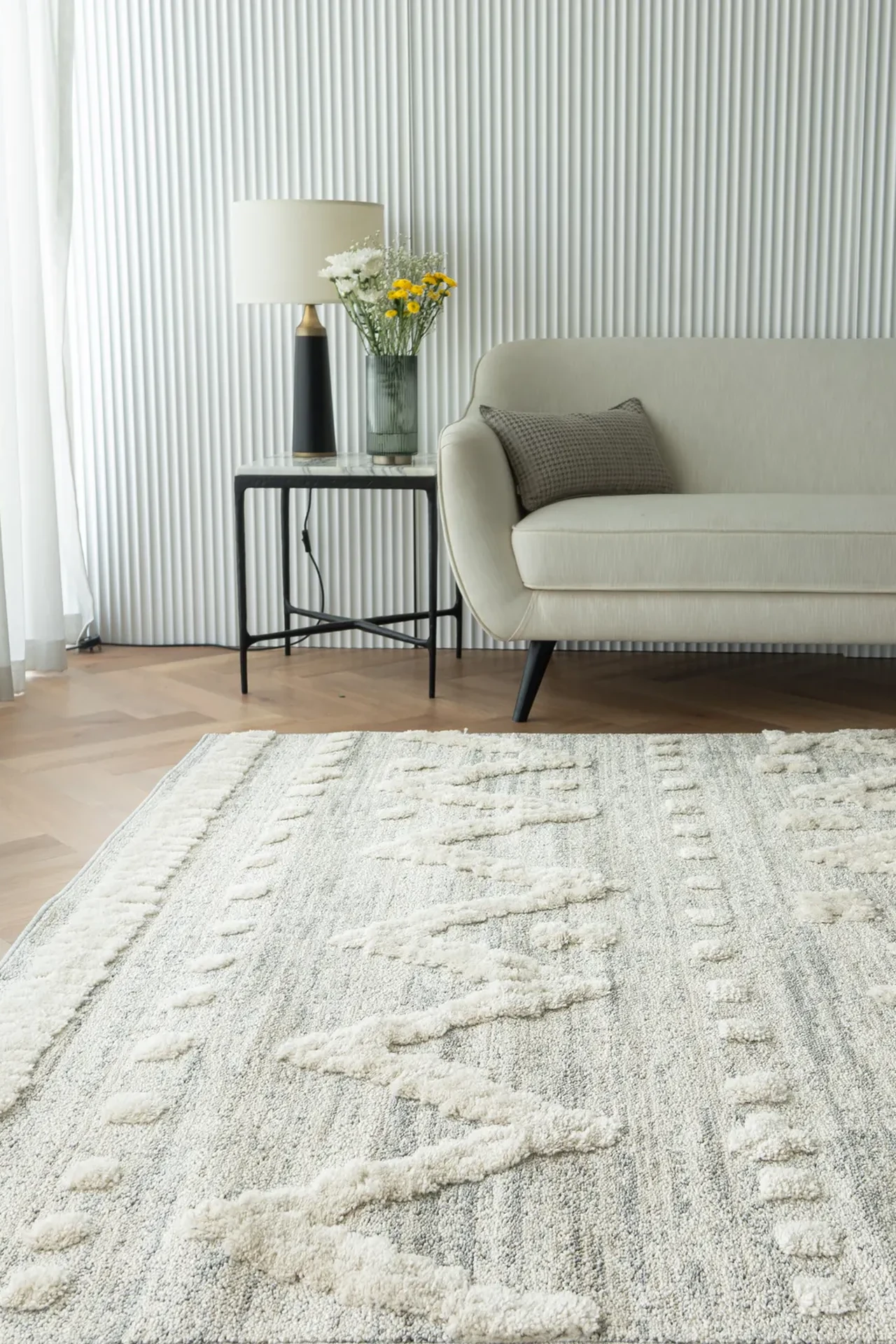
If your entryway sees mud, snow, or a dog that loves puddles, a washable rug is not optional, it is survival. I switched to a machine-washable rug last winter and stopped dreading rainy days. Toss it in the wash every couple of weeks and it comes out looking new. Check the size before you buy, because some washable rugs only fit small machines. Ours goes in on a cold cycle and hangs to dry, and it has survived a dozen washes so far. I still notice it every morning on my way out, and that is a rare thing for a project this small.
Cost: ~$40 | Time: 10 minutes
3. Vintage-Style Rug With Faded Charm

A vintage-style rug with a faded pattern hides new stains in old charm, which is exactly what you want by a front door. I found one with a worn Persian pattern and it looks better now than the day I bought it, because every mark blends in. Pick a pattern with several colors so no single stain stands out. The faded look also means it never clashes, since it has already made peace with imperfection. My only regret is waiting so long to try it, since the whole thing cost less than a takeaway dinner.
Cost: ~$45 | Time: 10 minutes
4. Layered Rugs for a Collected Look
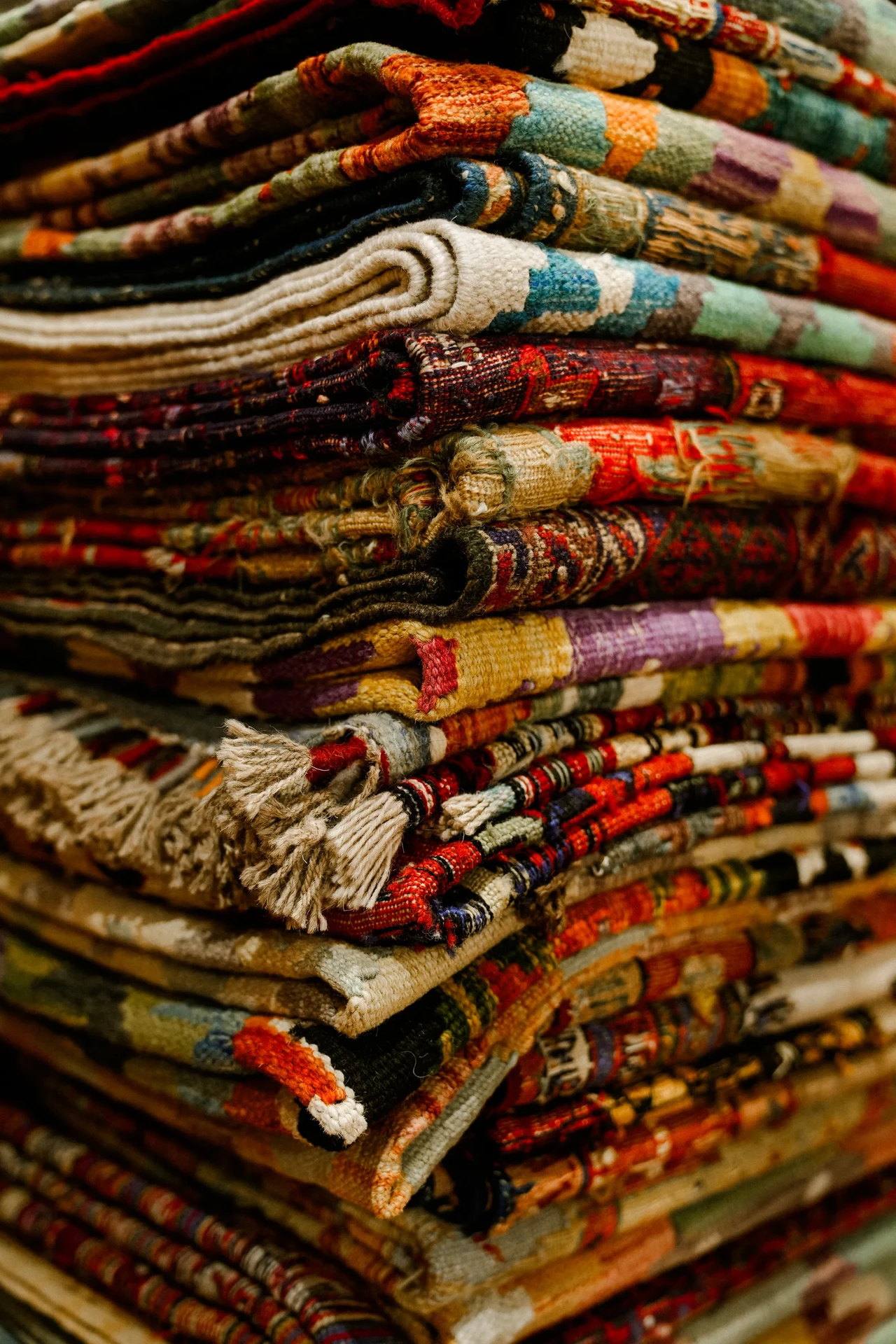
Layering a small patterned rug over a larger neutral one gives an entryway a collected, lived-in feel for very little money. I use a big jute base and swap the top rug with the seasons, which keeps the entry fresh without buying a new rug each time. Keep the top rug smaller on all sides so the base frames it. Use a rug pad between layers if they slide, because a sliding rug by a door is a hazard. The trick is not to overthink it; the first attempt does not have to be perfect to look good.
Cost: ~$30 | Time: 10 minutes
5. Bold Pattern to Hide Dirt
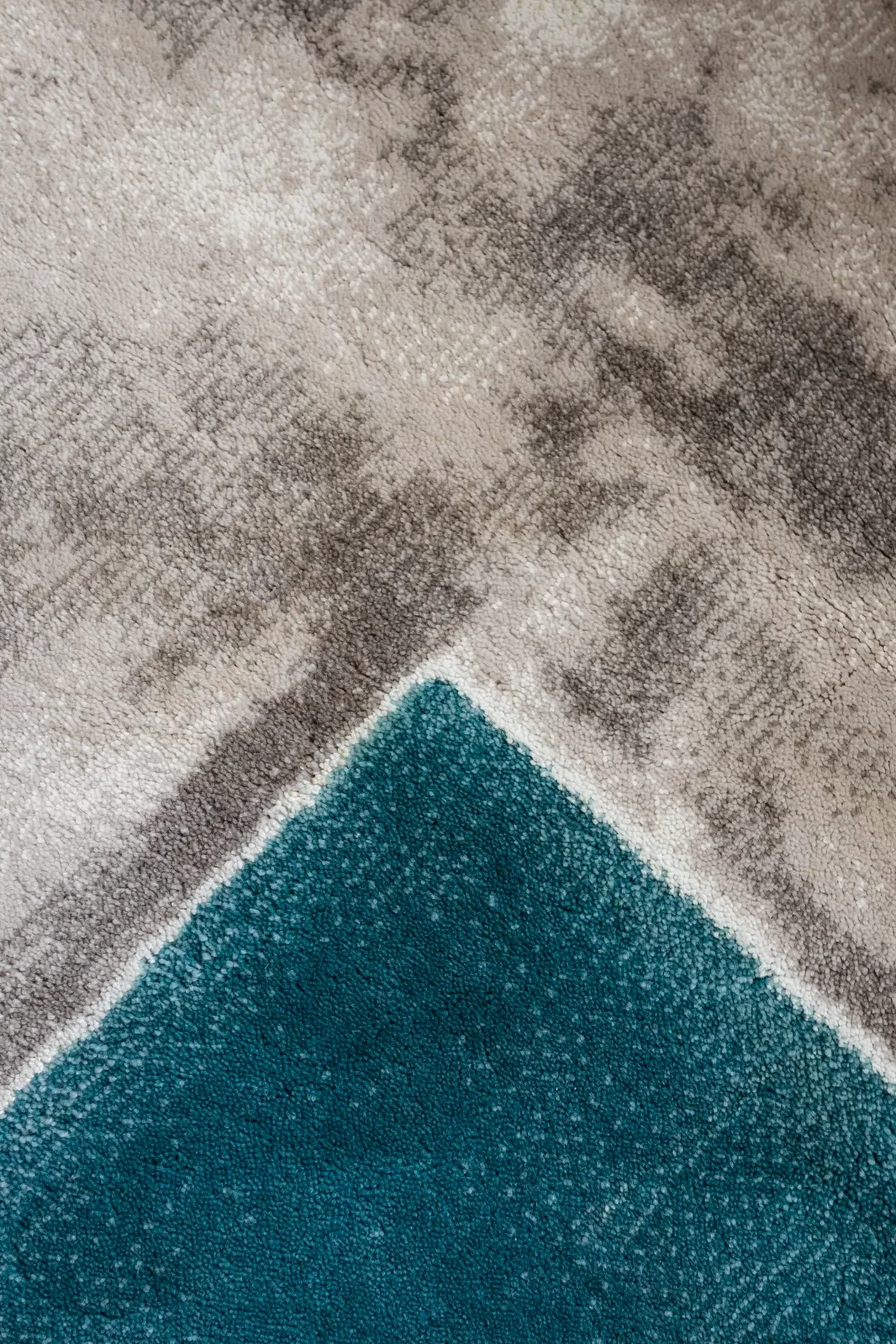
A bold, busy pattern is the most forgiving choice for a high-traffic entryway, because dirt and footprints disappear into the design. I chose a geometric rug in dark tones for our busiest door and it looks clean between vacuuming in a way our old solid rug never did. Go darker than you think you need, because entryway rugs always look lighter in the store than they do after a month of shoes. Do it on a Saturday morning while the coffee brews, and it will be done before lunch without eating the whole day.
Cost: ~$35 | Time: 10 minutes
6. Round Rug in a Square Foyer
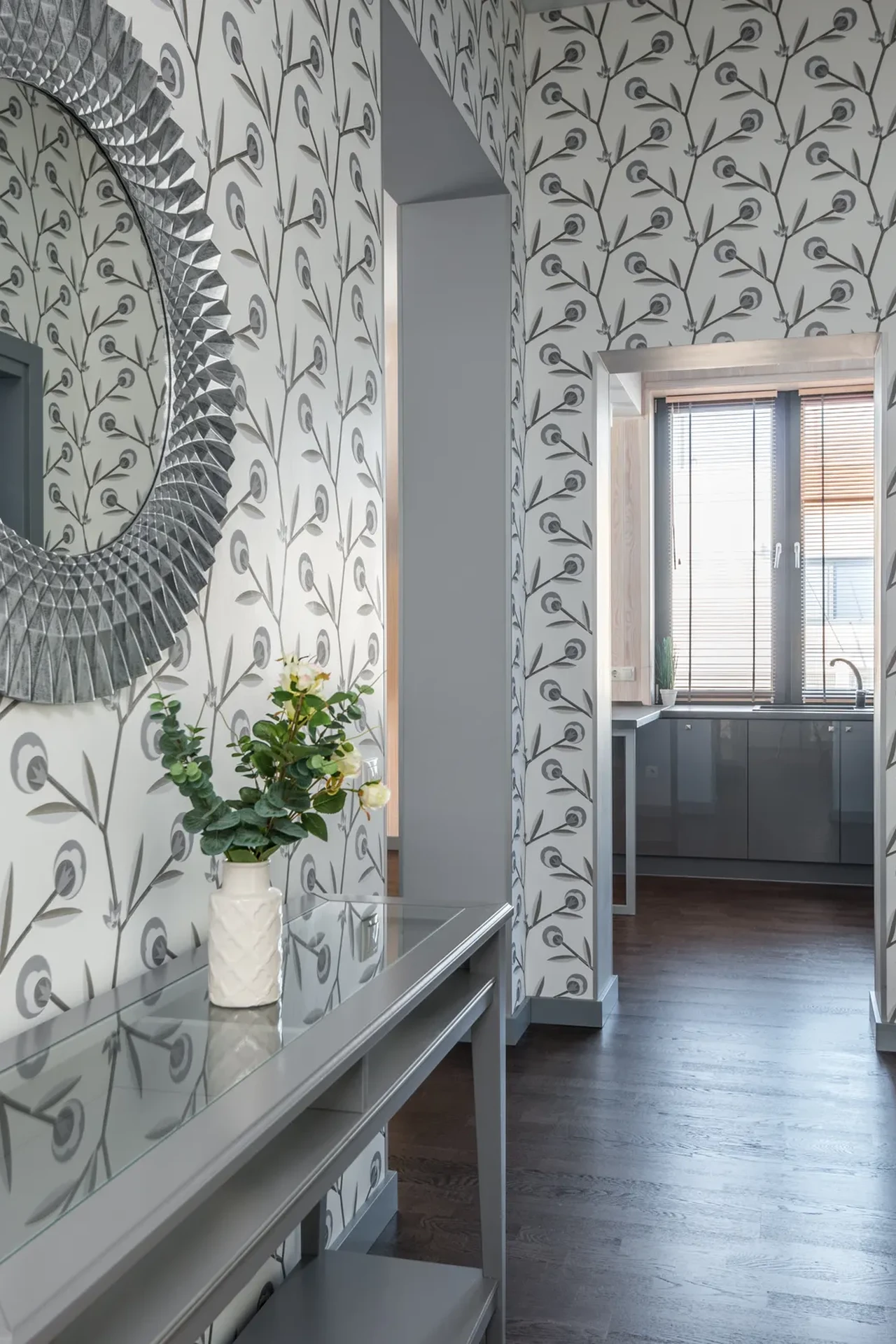
A round rug softens a square foyer and makes the space feel less boxy the moment you lay it down. I swapped our rectangle for a round braided rug and the entry felt friendlier, like it had a center instead of corners. Size it so the door swings clear over the edge, and use a non-slip pad underneath. Round rugs also forgive awkward layouts, which helps when your door opens at a strange angle. It sounds small, but coming home to a tidy, welcoming entry genuinely changes how the rest of the evening feels.
Cost: ~$30 | Time: 10 minutes
7. Indoor-Outdoor Rug for Wet Weather
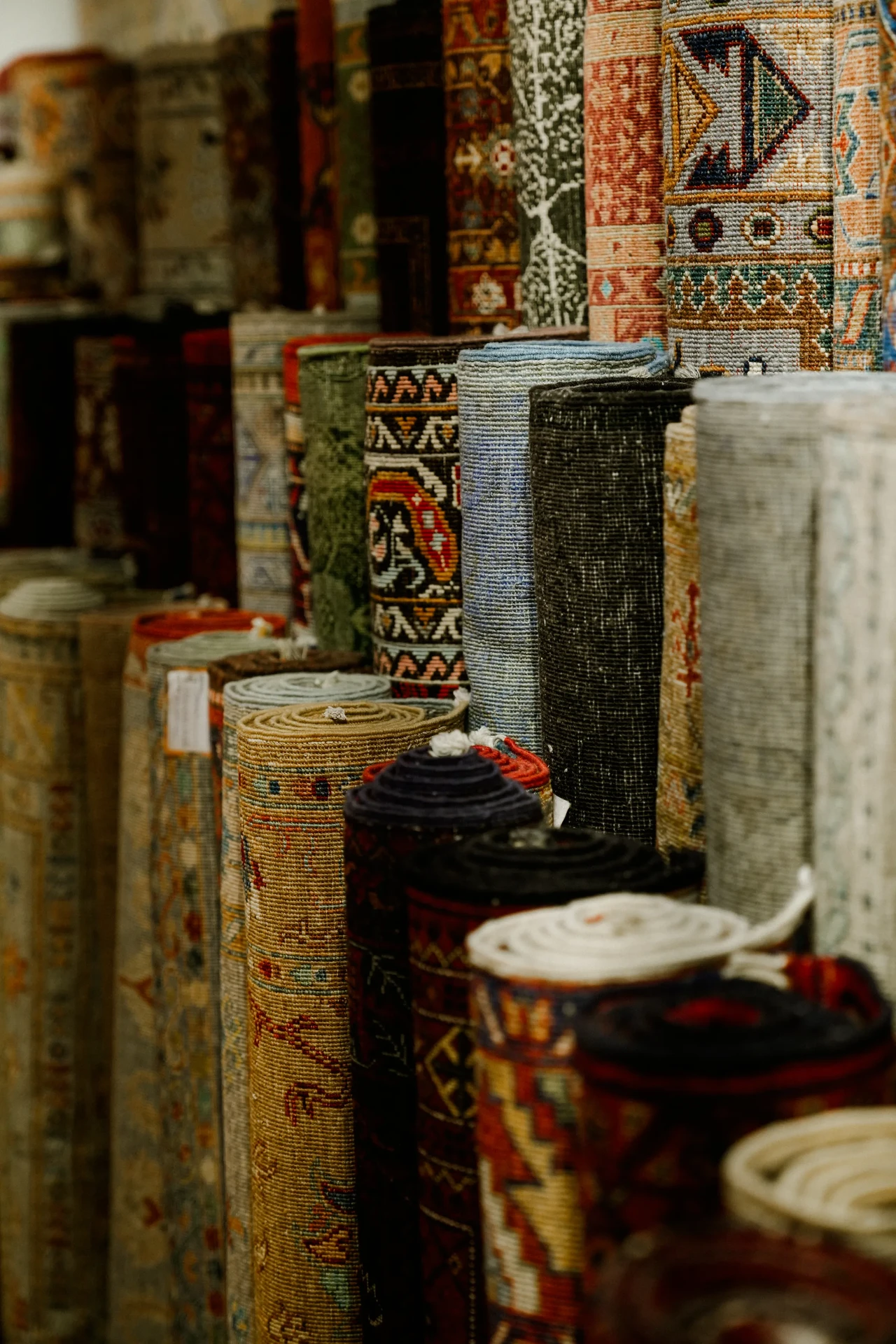
An indoor-outdoor rug by the door handles wet shoes, umbrellas, and snowy boots without a second thought, and you can hose it down outside when it gets filthy. I keep one at our back door through winter and it has outlasted every indoor rug I tried there. They used to look plasticky, but newer ones come in patterns that pass for indoor rugs. Shake it out or rinse it, let it dry, and it is ready again. I did this with the kids helping, and their slightly crooked contribution is still my favorite part of it.
Cost: ~$25 | Time: 5 minutes
8. Wool Blend Rug for Soft Landings
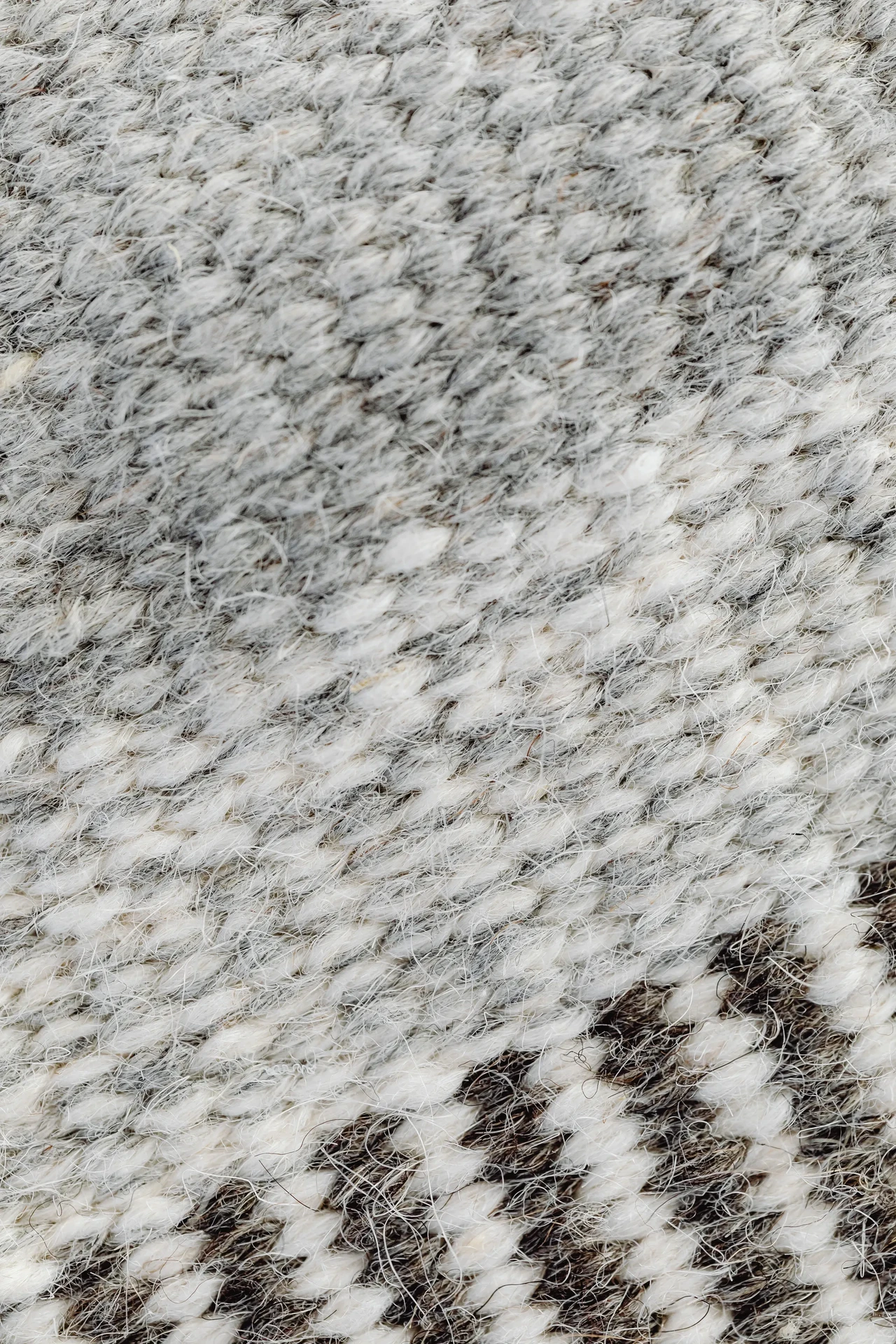
A wool blend rug feels soft underfoot and naturally resists stains better than cotton, which is why it earns its slightly higher price in an entryway. I splurged on a wool blend for our front hall and it still looks good after two years of daily traffic. Wool sheds at first, so vacuum it often for the first month. The softness matters most if your household kicks shoes off at the door, because bare feet notice the difference immediately. I tried a fancier version first and came back to this simple one, because simple is what actually holds up.
Cost: ~$55 | Time: 10 minutes
9. Braided Cotton Rug in Neutral Tones
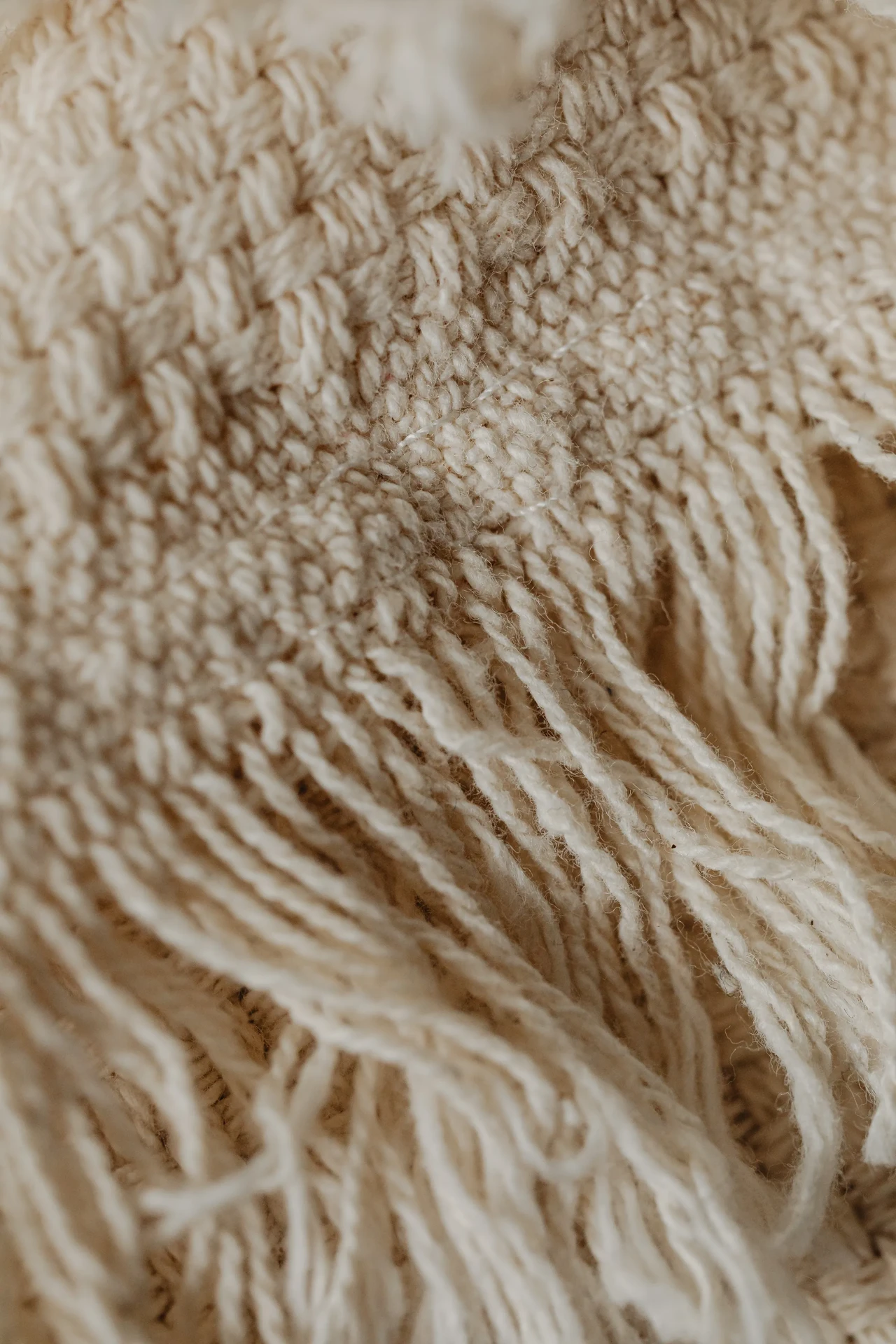
A braided cotton rug in neutral tones is soft, washable, and quiet underfoot, which makes it a great pick for a small entryway. I have one in a warm beige that ties our hall together without shouting about it. Cotton braids can go in the washing machine, though they take a while to dry, so wash on a sunny day if you can. The texture adds warmth that a flat rug never quite manages. I was skeptical until I saw it finished, and now I recommend it to anyone who complains about their entryway.
Cost: ~$30 | Time: 10 minutes
10. Coir Doormat With Personality
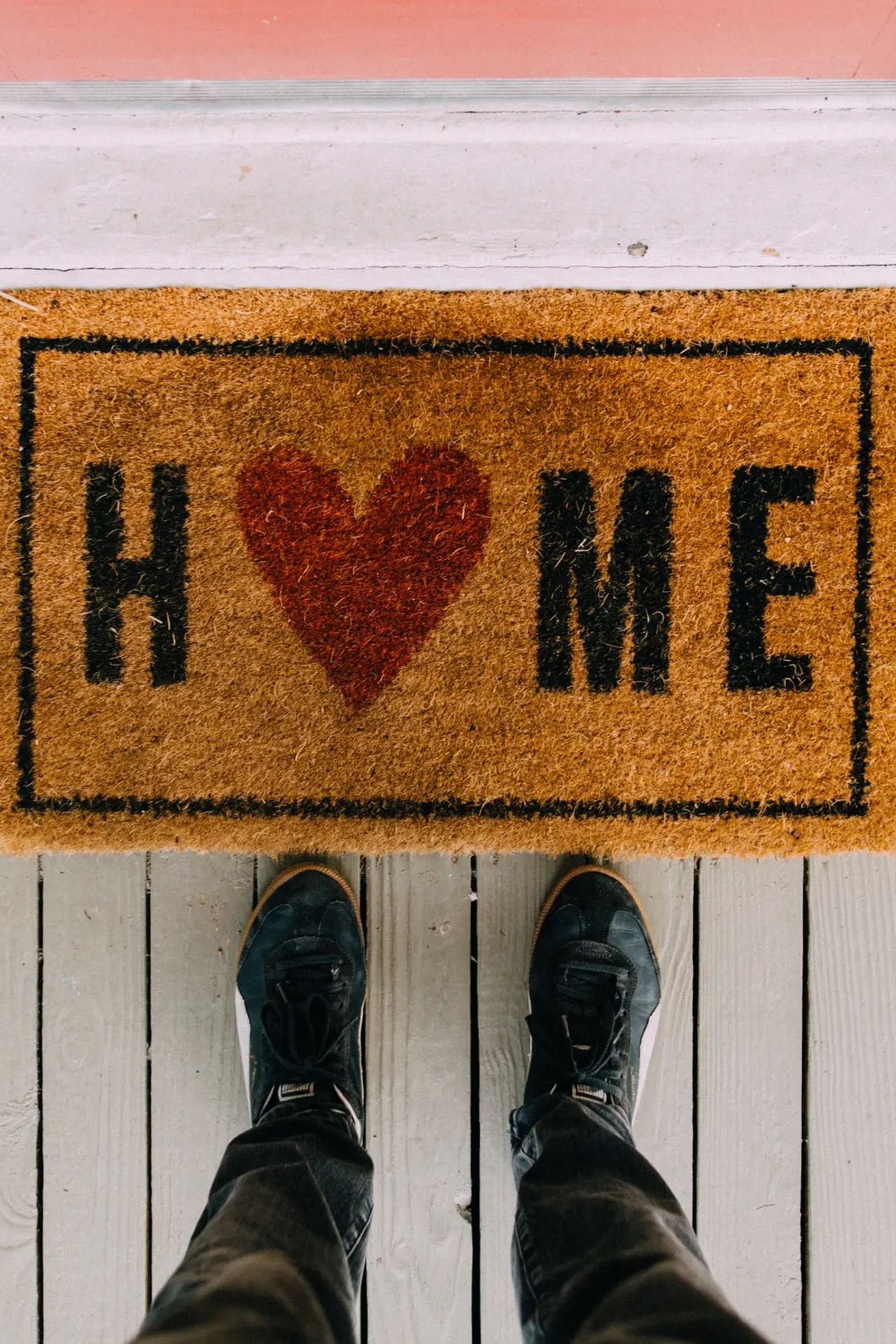
A coir doormat with a funny or welcoming message does the hard work of scraping shoes while also making guests smile. I replace ours once a year when the message wears down, and it is the cheapest seasonal update in the house. Coir scrapes better than any other doormat material, so it actually earns its spot. Put a boot tray underneath in wet weather to catch what the mat scrapes off. I still notice it every morning on my way out, and that is a rare thing for a project this small.
Cost: ~$15 | Time: 5 minutes
11. Flatweave Rug for Slim Door Clearance
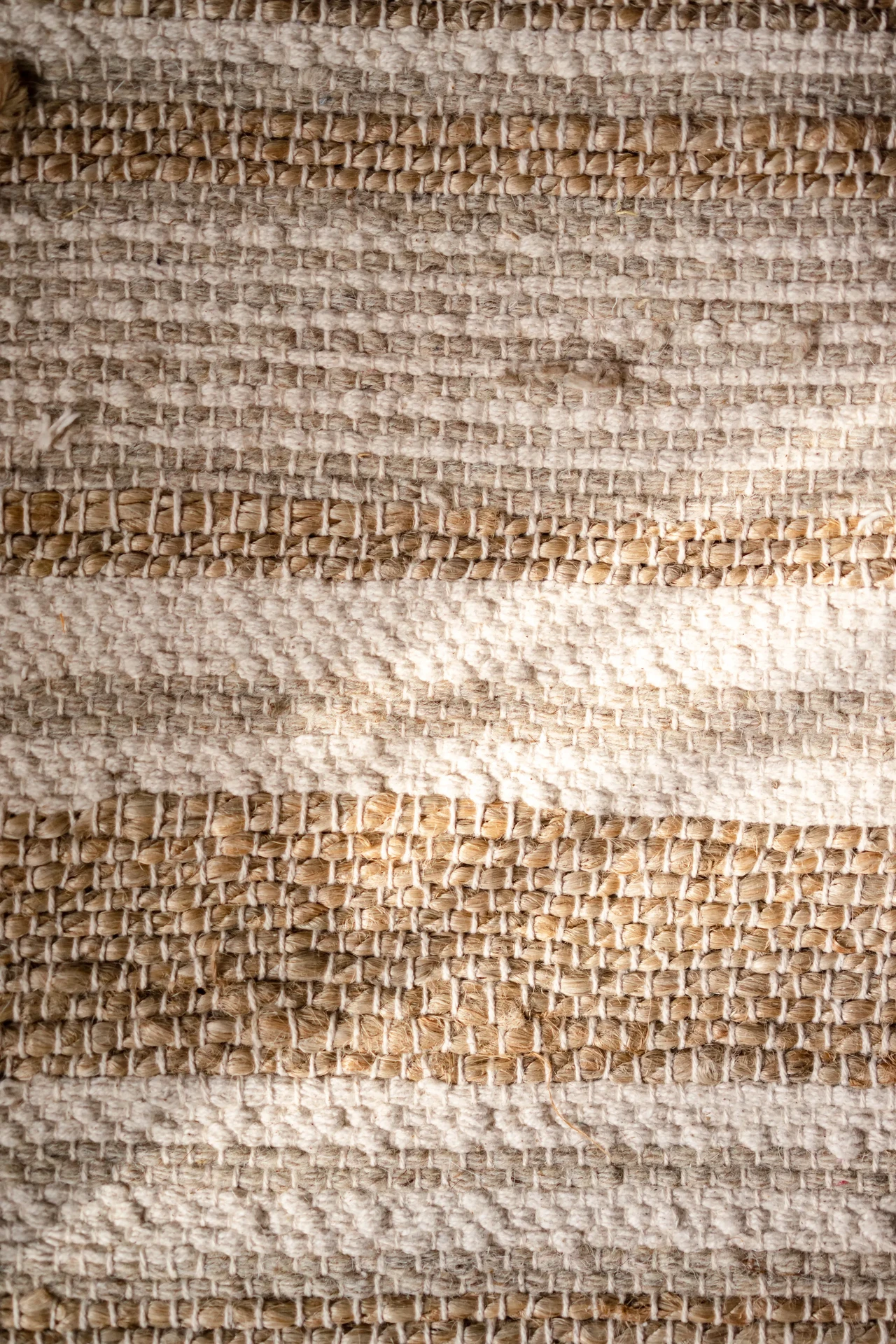
If your front door barely clears the floor, a flatweave rug is the only rug that will not bunch up or block the swing. I learned this the hard way after a thick rug kept jamming our door. Flatweaves sit low, stay put, and still add color and pattern. Measure your door clearance before you buy, because even a quarter inch matters here. A rug pad made for low piles keeps it from creeping. My only regret is waiting so long to try it, since the whole thing cost less than a takeaway dinner.
Cost: ~$30 | Time: 10 minutes
12. Shaggy Rug for Cozy Texture
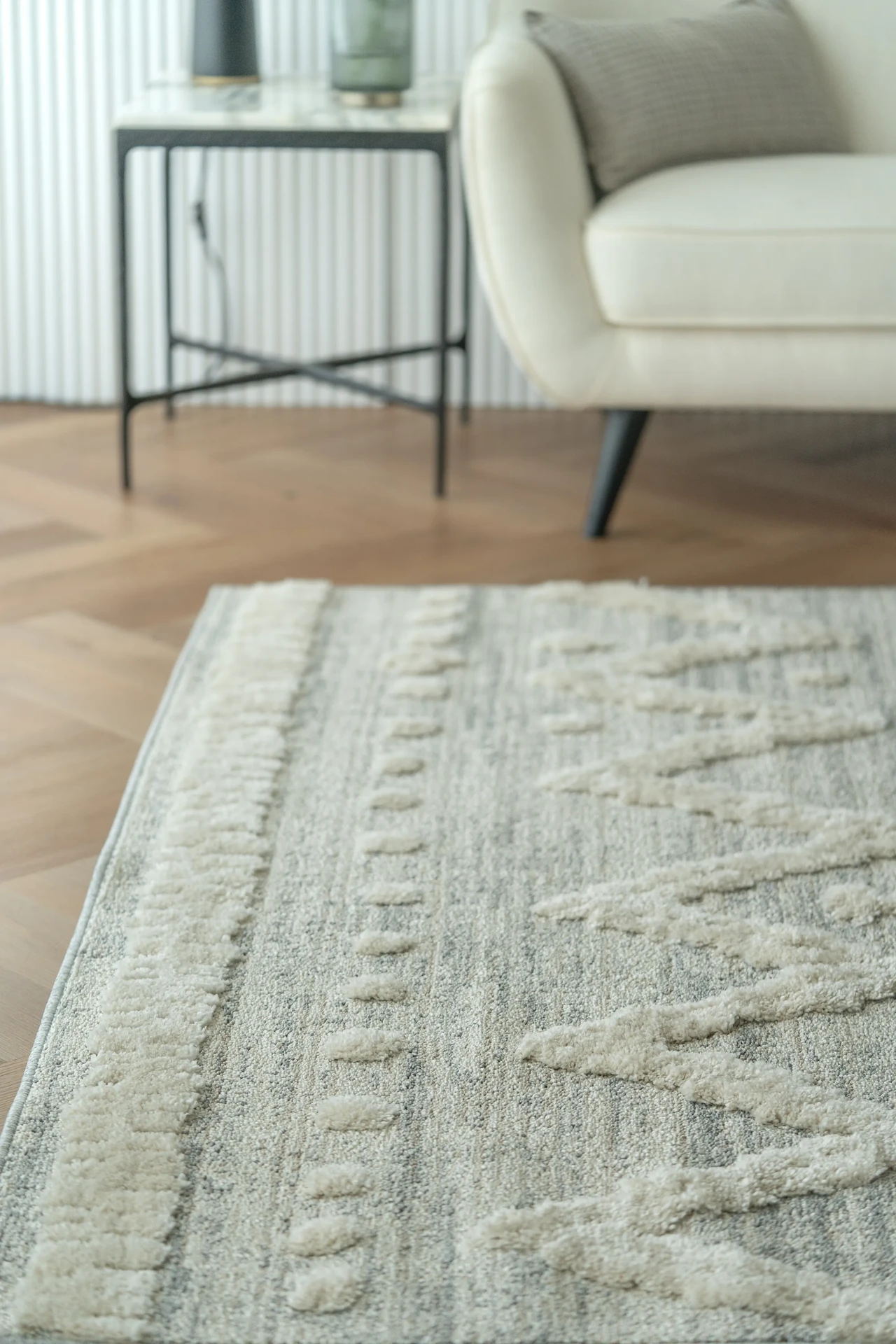
A shaggy rug by the door feels like a warm welcome for bare feet, especially in winter. I keep a small shag rug inside our front door and it is the first soft thing you step on coming home. Shag traps dirt, so shake it out often and vacuum with the beater bar off. Keep it small, because a big shag rug in an entryway becomes a cleaning project. For more entryway styling ideas, see our (see also: 19-small-foyer-ideas-that-feel-grand) post. The trick is not to overthink it; the first attempt does not have to be perfect to look good.
Cost: ~$35 | Time: 10 minutes
13. Geometric Rug for Modern Entryways

A geometric rug brings a modern edge to an entryway without needing any other modern pieces. I chose one with a simple black-and-white pattern and it made our traditional console look intentional instead of dated. Keep the rest of the entry simple when the rug is loud, because the rug is doing the talking. Geometric patterns also hide wear well, since the eye reads the pattern before it reads the dirt. Do it on a Saturday morning while the coffee brews, and it will be done before lunch without eating the whole day.
Cost: ~$40 | Time: 10 minutes
14. Checkered Rug for Farmhouse Charm

A checkered rug in black and white or buffalo plaid gives a farmhouse entryway instant charm and hides dirt in its busy pattern. I layer ours over a plain doormat for extra coverage, and it gets compliments from nearly every visitor. Checkered rugs work best when the rest of the entry is simple, because the pattern is strong enough on its own. Swap the color with the seasons if you like, red checks in winter, neutral checks in summer. It sounds small, but coming home to a tidy, welcoming entry genuinely changes how the rest of the evening feels.
Cost: ~$25 | Time: 5 minutes
15. Runner Over Hardwood for Warmth
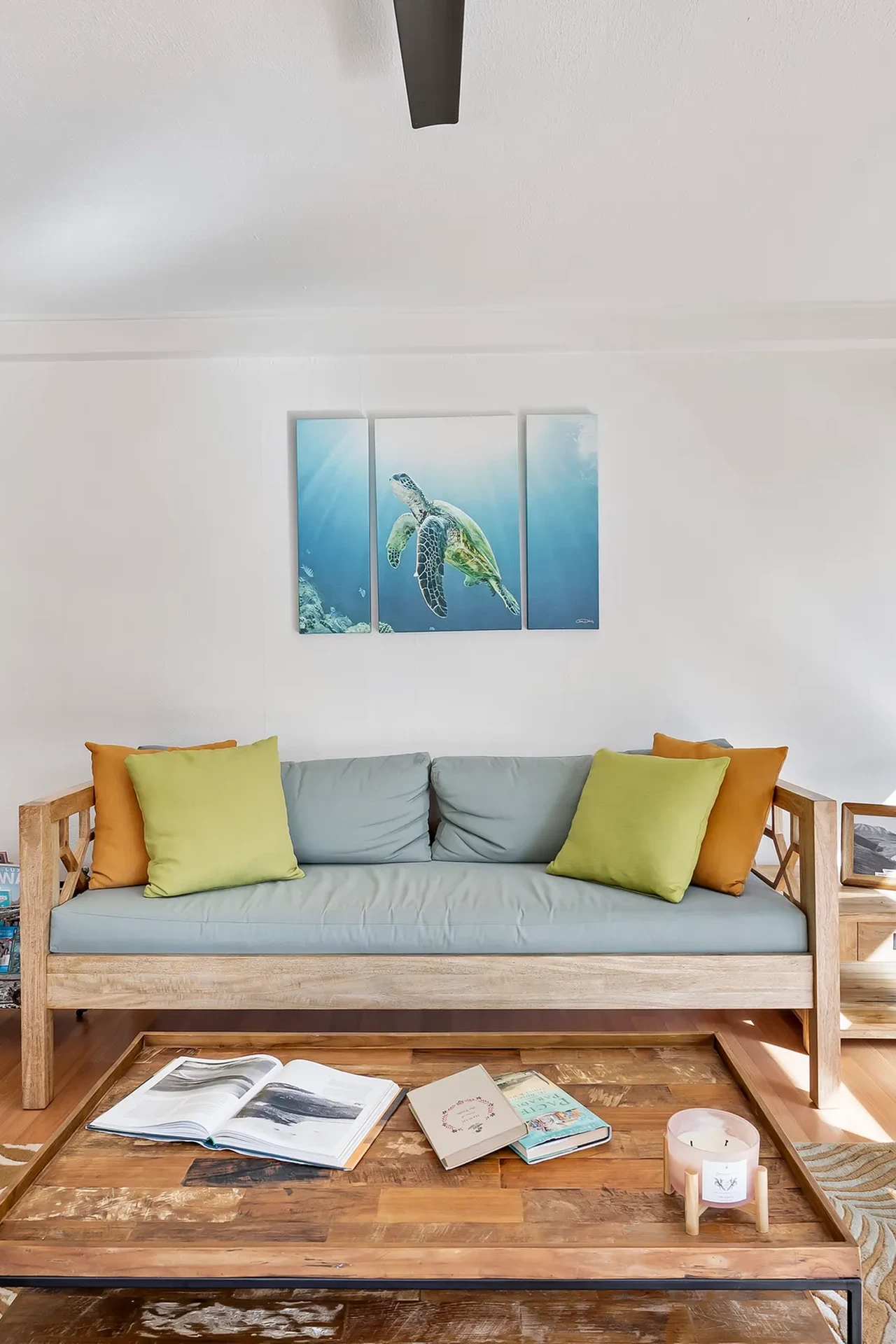
A runner over hardwood protects the floor where shoes strike hardest and warms up a cold entry in winter. I laid a wool runner down our front hall and the wood underneath stopped showing heel marks. Use a rug pad to keep it in place and protect the finish. Runners also quiet footsteps, which matters in a house where someone always comes home late. I did this with the kids helping, and their slightly crooked contribution is still my favorite part of it. Once it was up, I stood back and realized the entry finally looked finished instead of just functional.
Cost: ~$45 | Time: 10 minutes
16. Dark Rug for High-Traffic Homes
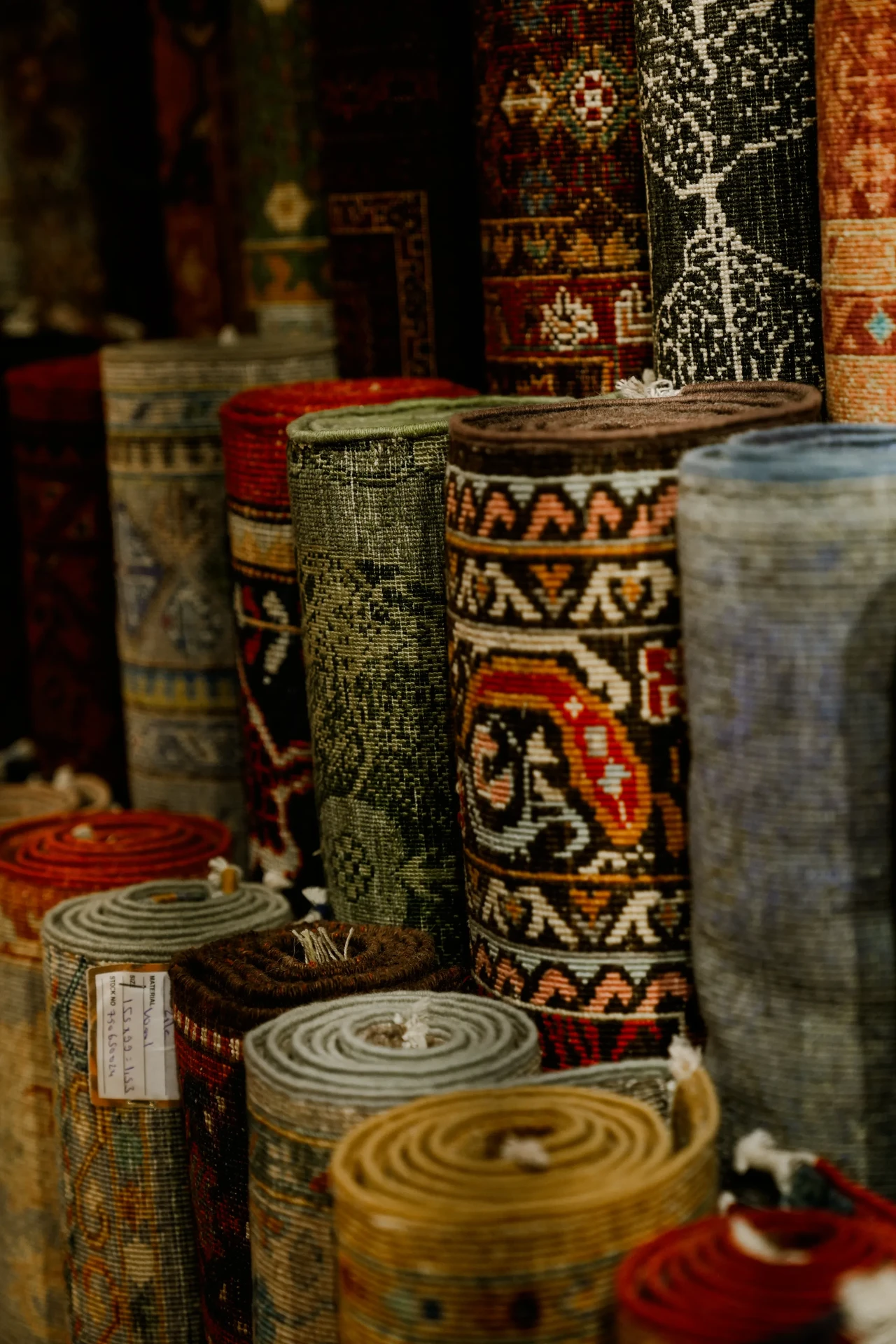
In a house with kids, dogs, or a muddy yard, a dark rug is simply the honest choice, and dark does not have to mean boring. I picked a deep charcoal rug with a subtle pattern and it looks clean for weeks between washes. Dark rugs show lint, so keep a lint roller by the door if you have pets. The trade-off is worth it, because a dark rug forgives everything a light rug punishes. I tried a fancier version first and came back to this simple one, because simple is what actually holds up.
Cost: ~$35 | Time: 10 minutes
17. Small Rug, Big Statement Color
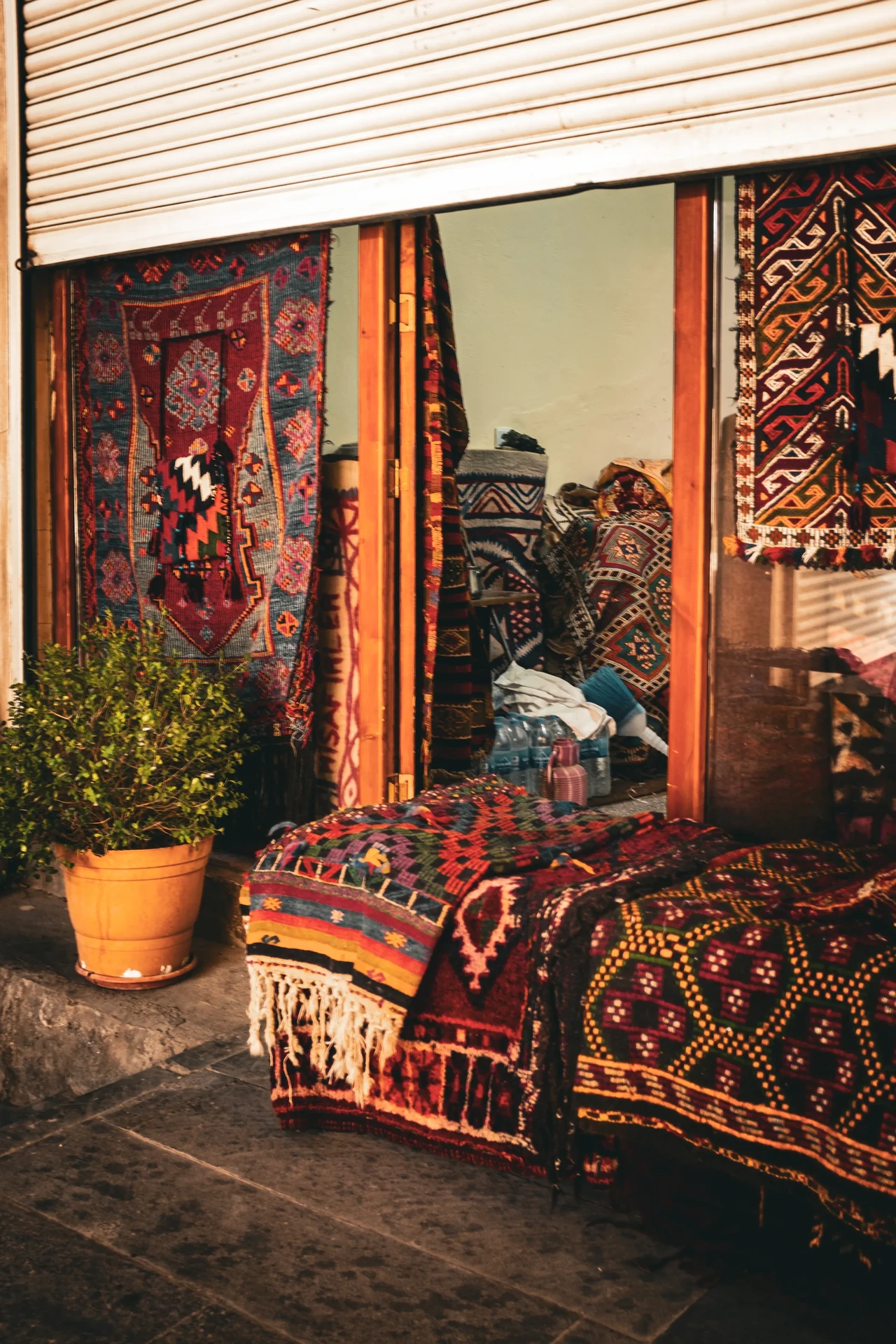
Even a tiny entryway can handle one bold rug, and sometimes a small space is the best place for a loud color. I put a rust-orange rug in our narrow entry and it became the whole color scheme, with everything else kept neutral. One strong color choice beats a timid one, because a small rug in a pale color just looks like an afterthought. For more budget entryway ideas, see our (see also: 25-foyer-decor-ideas-for-small-spaces) post. I was skeptical until I saw it finished, and now I recommend it to anyone who complains about their entryway.
Cost: ~$30 | Time: 5 minutes
Entryway Rug Questions, Answered
What size rug should I buy for my entryway? Leave about four to six inches of floor showing around the rug, and make sure the door swings clear over it. Measure the space first, because entryway rugs are almost always bought too small.
Can I put a rug over carpet in an entryway? Yes, a low-pile rug over carpet works well, especially a flatweave or indoor-outdoor rug. Use a rug pad made for carpet so the top rug stays put.
How often should I clean an entryway rug? Shake it out weekly, vacuum twice a week in high-traffic homes, and deep-clean or machine-wash it once a season. Entryway rugs work harder than any other rug, so they need more care.
If one of these rugs sounds like the fix your front door has been waiting for, save this post and measure your entryway before you shop.
