17 Small Foyer Ideas on a Budget
When I started looking for small foyer ideas that actually work in a hallway barely wider than the door itself, I stopped chasing showroom looks and started noticing what real homes do. The best tiny entries are not the ones with the most stuff in them. They are the ones where every single thing has a job, and where you can walk in, drop your keys, and breathe out. You do not need a big budget or a renovation to get there. Most of the ideas below cost less than a takeaway dinner for two, and several cost nothing but an hour on a Saturday. Pick two or three, start with the one that solves your biggest daily annoyance, and let the rest wait.
Furniture That Fits a Tight Footprint
1. Slim Console Table with a Basket Underneath
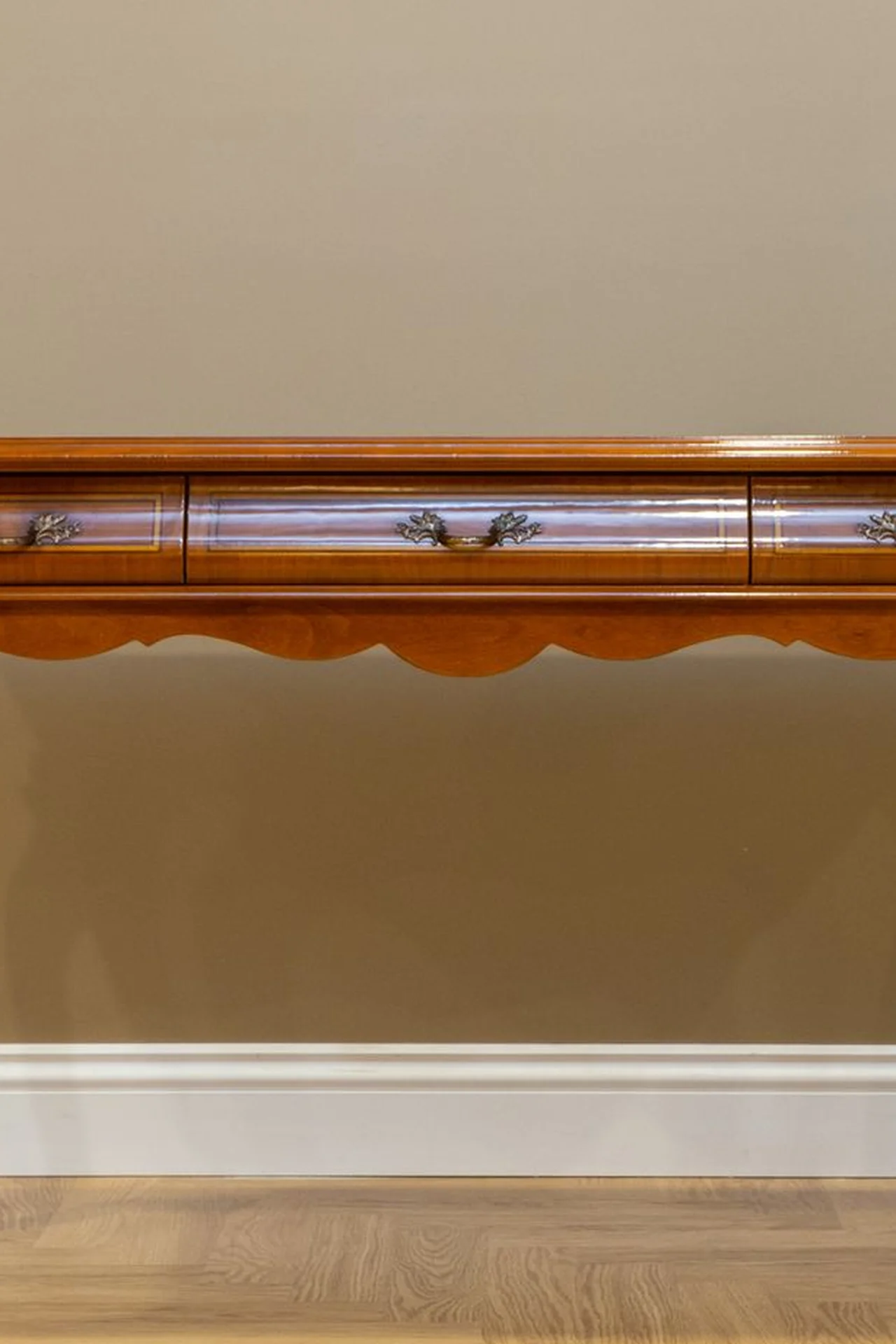
A slim console table is the single best purchase I ever made for my own entryway, because it finally gave my keys, sunglasses, and mail one honest home. Measure your wall first and leave at least 90 centimetres of clear walking space, then look for a table no deeper than 25 centimetres. Slide a lidded basket underneath for dog leads, reusable bags, and the random bits that used to live on the floor. On top, keep just three things: a small tray for keys, one vase or framed photo, and nothing else. I learned the hard way that a fourth item is where clutter starts creeping back in.
Cost: ~$45 | Time: 30 minutes
2. Wall Hooks Row for Coats and Bags
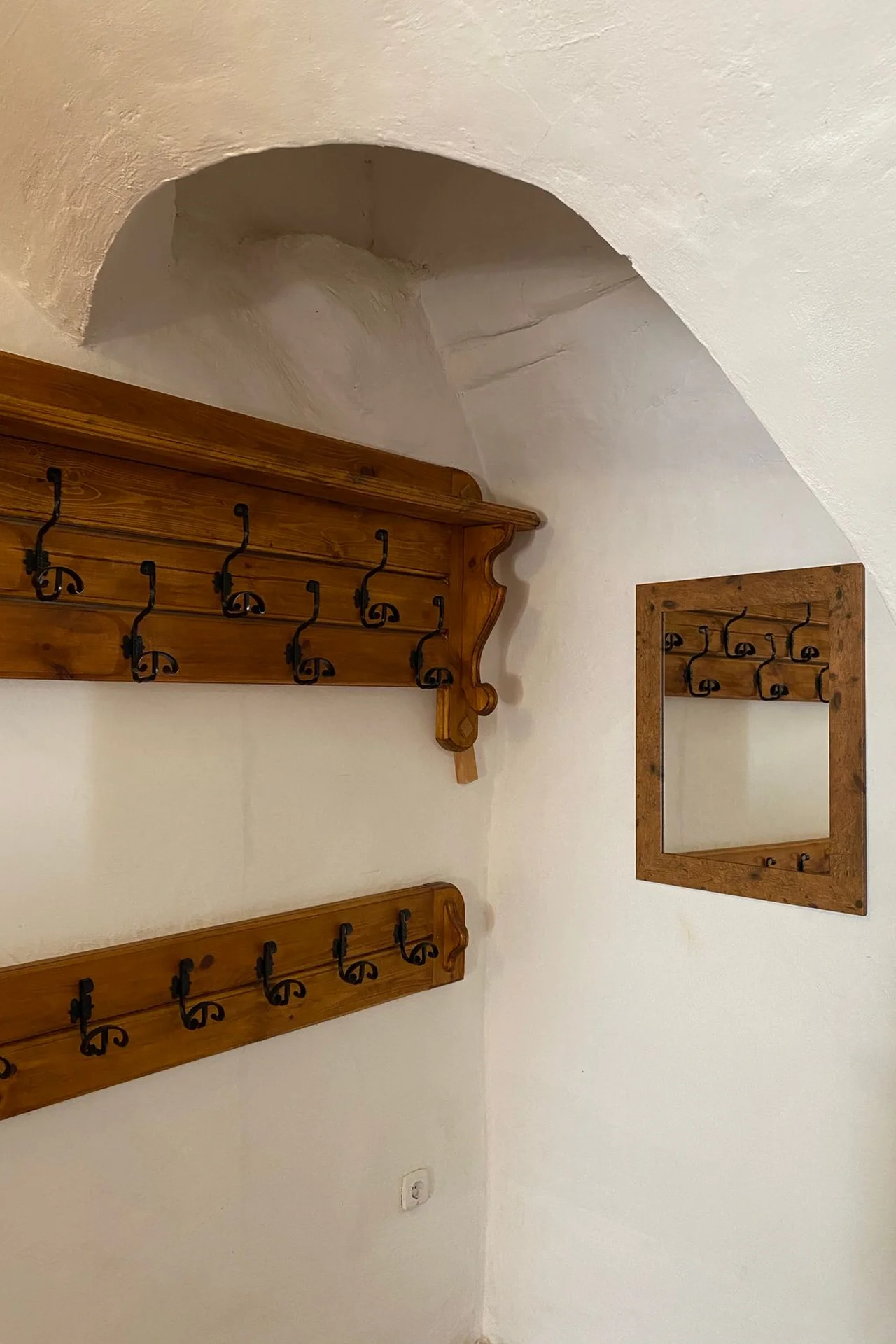
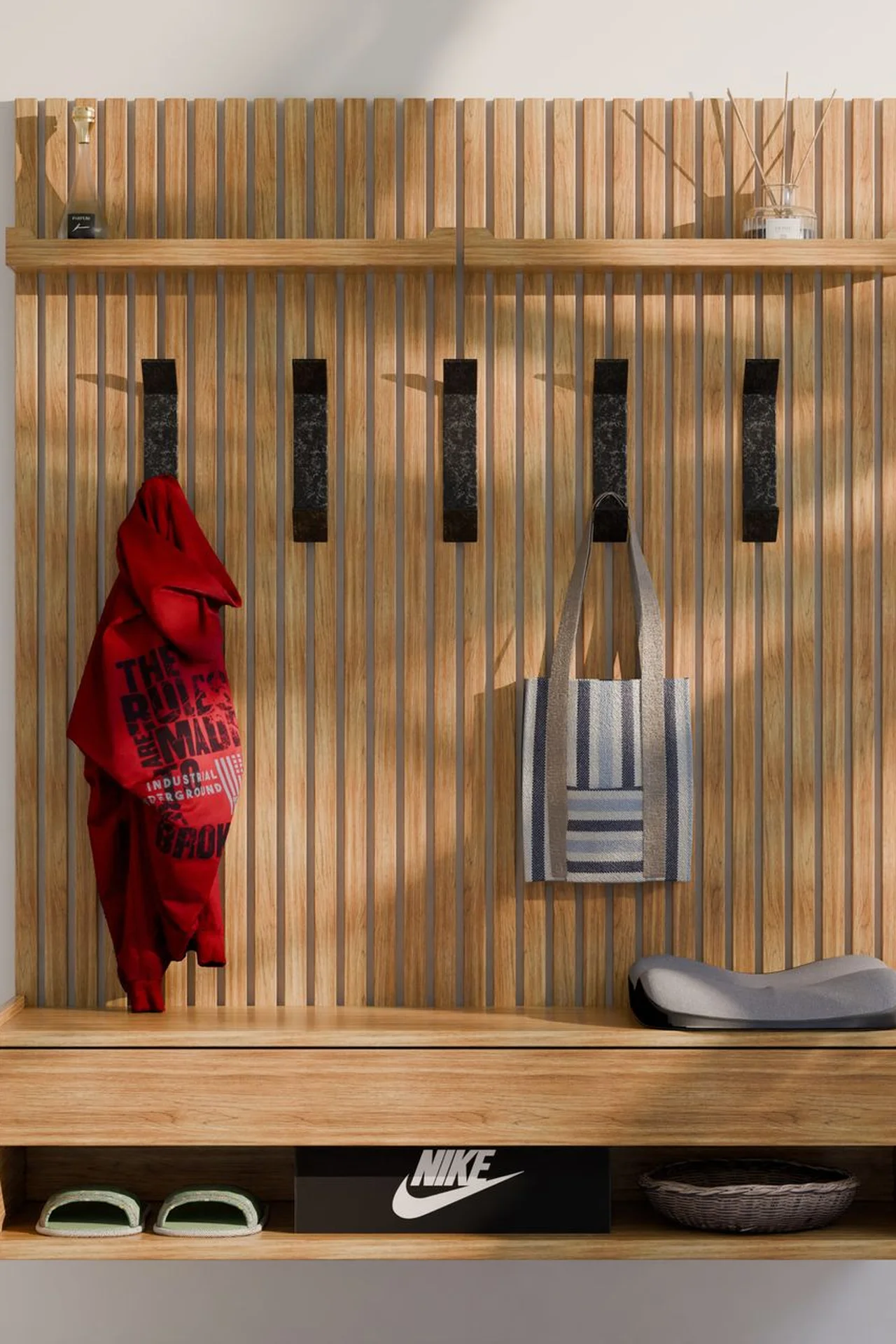
A row of wall hooks beats a coat stand in a small foyer every time, because it uses dead wall space instead of precious floor space. Fix a wooden rail or five individual hooks at about 170 centimetres high, spacing them 20 centimetres apart so coats do not bunch up into one damp lump. Give each person in the house one hook and one rule: if your hook is full, something has to move to the closet. Hang the rail near the door, not behind it, so you can grab your jacket on the way out without doing a little dance around the door swing. Add one lower hook for kids or for a dog lead.
Pro tip: use wall anchors or a stud, since a rail full of winter coats is heavier than it looks.
Cost: ~$18 | Time: 25 minutes
3. Small Round Mirror to Open Up the Wall
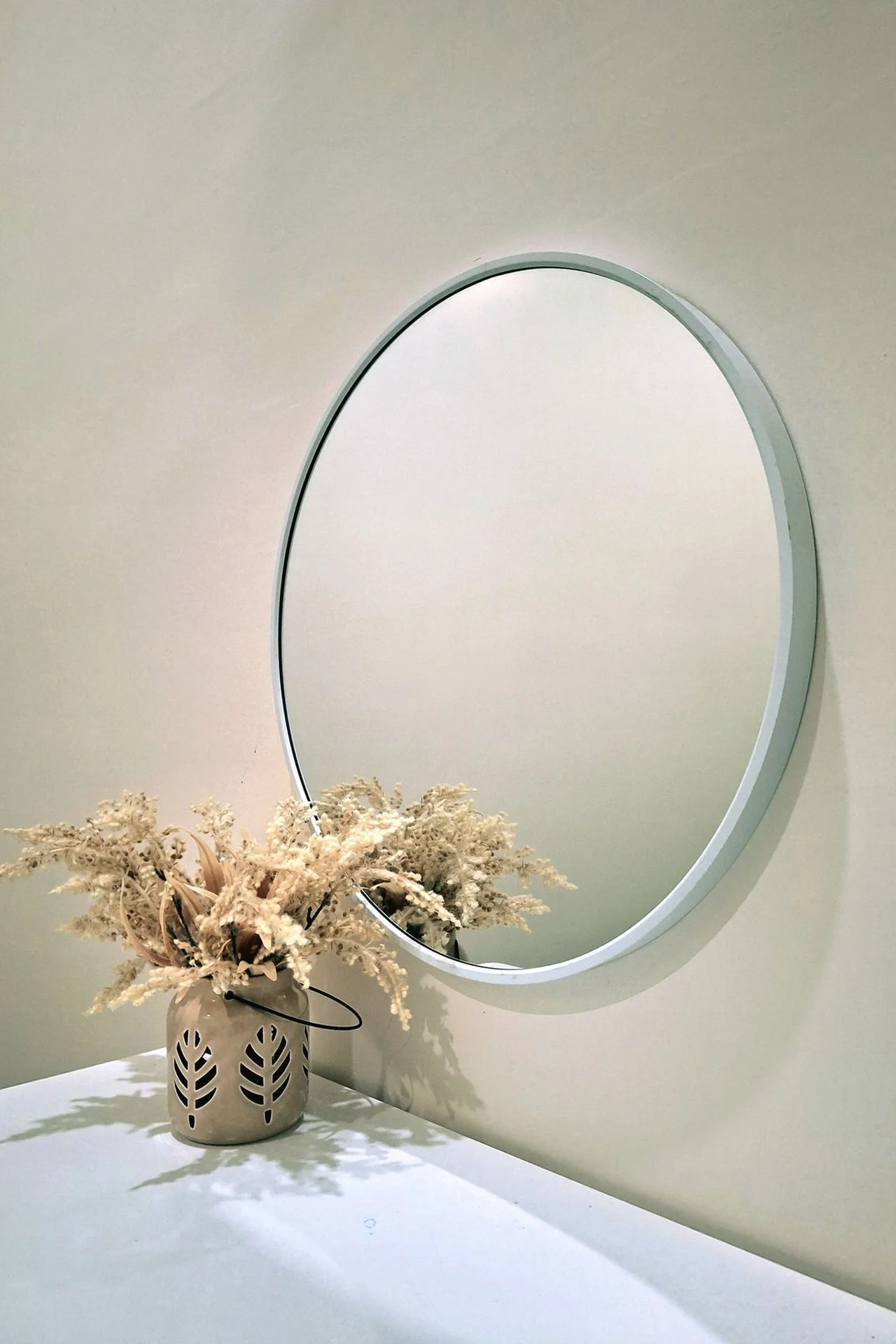
A round mirror is my favourite trick for a foyer that feels boxed in, because the soft shape breaks up all the straight lines of doors and frames. Hang it at eye level above your console table or hooks, choosing one about two-thirds the width of whatever sits below it. If your door faces a window, hang the mirror on the wall opposite or beside it so it catches daylight and bounces it back into the hall. I hung mine slightly off-centre at first and it drove me mad for a week, so take the extra minute to mark the centre with a pencil before you drill anything.
Cost: ~$22 | Time: 20 minutes
4. Narrow Shoe Tray by the Door
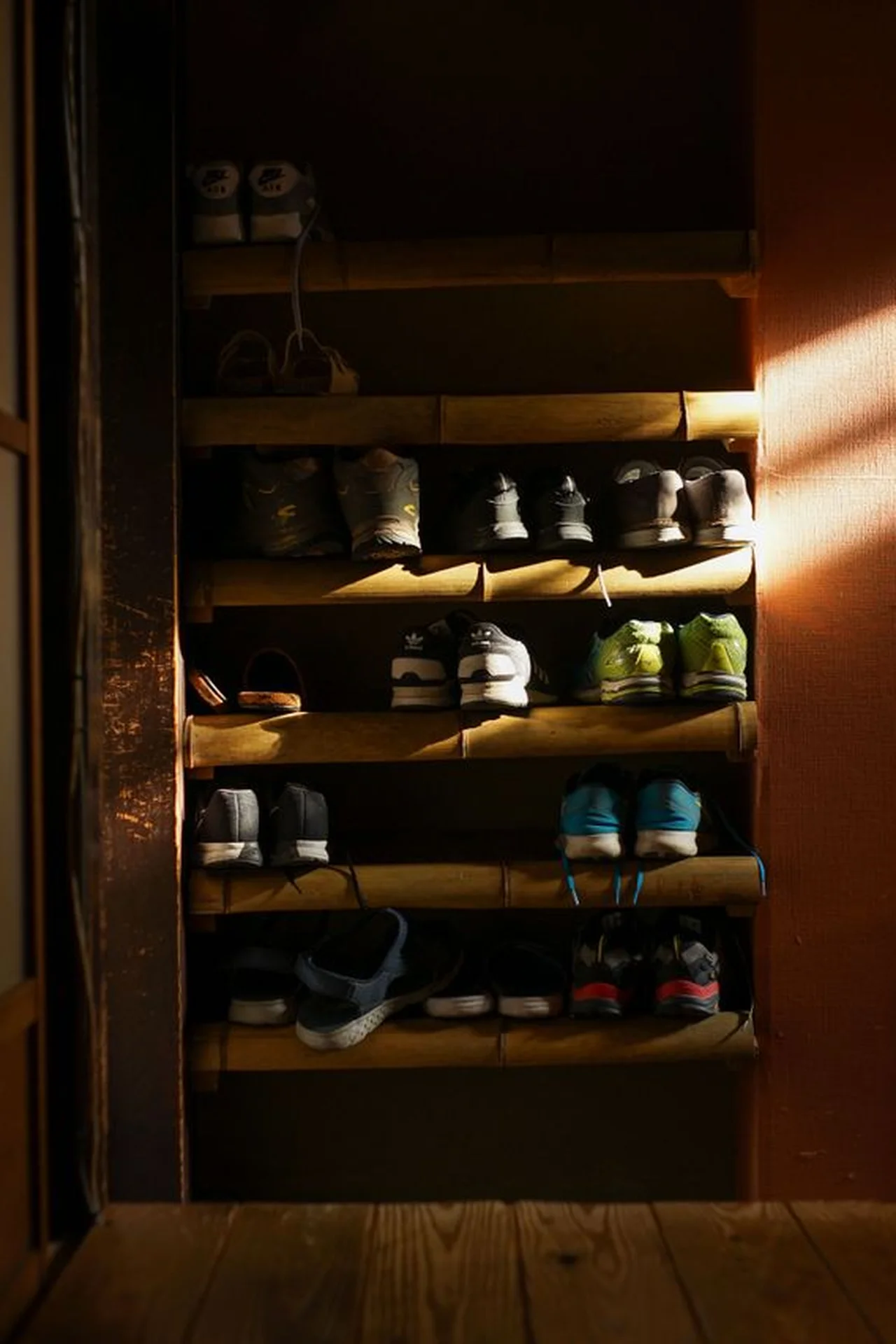
Nothing ruins a small foyer faster than shoes wandering across the floor, and a simple tray stops the migration in one move. Pick a boot tray or a shallow baking-style tray just wide enough for two pairs, and park it right beside the door where shoes naturally come off. The raised edge catches rain, mud, and gravel before they reach your rug, and on dry days it still works as a visual boundary that says shoes stop here. I keep a small brush by the tray for quick clean-ups, and once a week I shake the whole tray out over the step. It takes about forty seconds and keeps the whole entry looking cared for.
Cost: ~$12 | Time: 10 minutes
5. Woven Basket for Scarves and Gloves
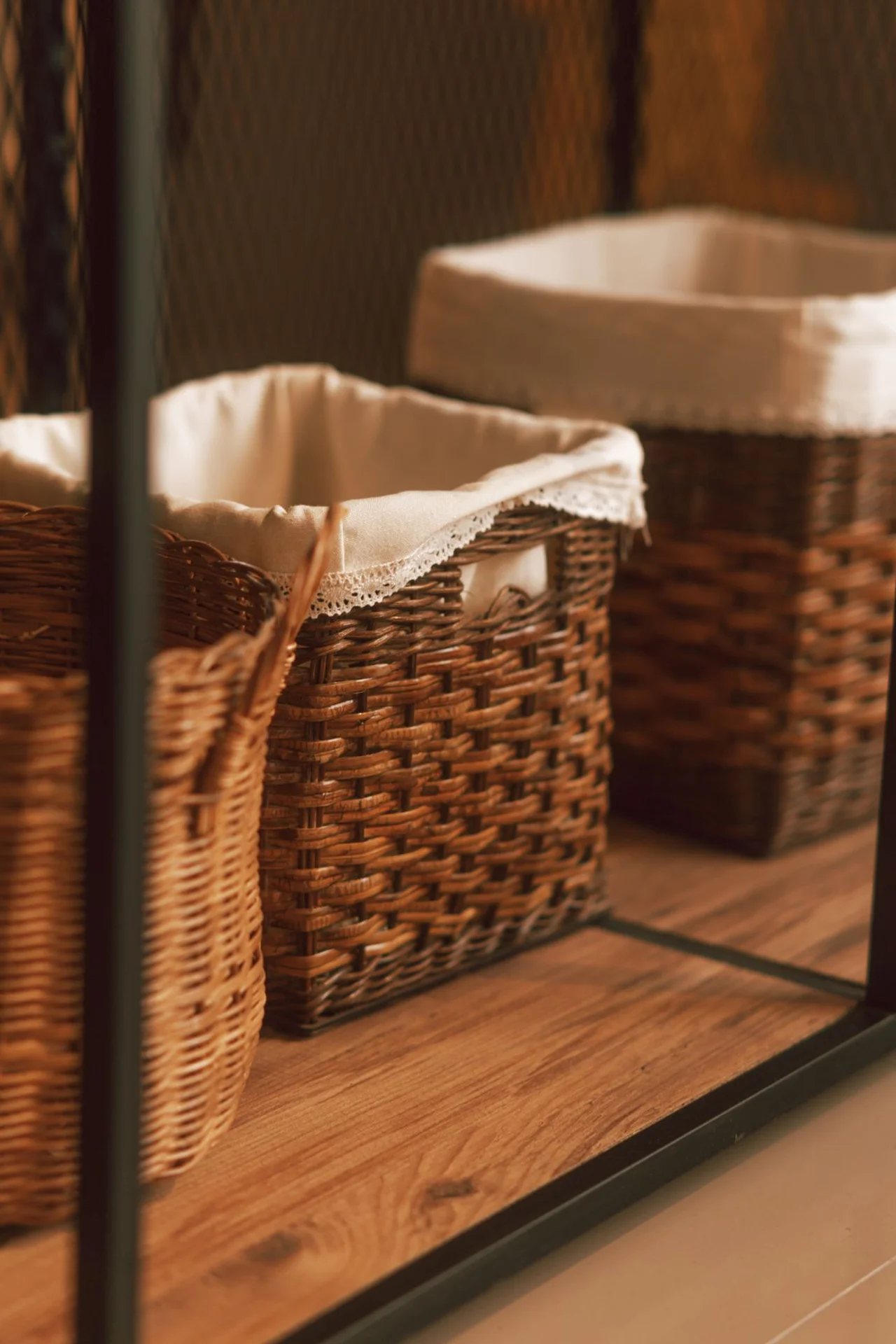
Scarves and gloves are the sneakiest clutter in any entryway, because each one is small but together they take over every surface. One woven basket on the floor by the door, or on the lower shelf of your console, solves the whole problem in a way that still looks warm and lived in. Choose a basket with handles so you can carry it to the closet when seasons change, and toss a small fabric liner inside if yours sheds bits of straw. I sort ours once a month and I always find at least one single glove whose partner vanished, which tells me the system is working. For more budget entryway storage, see also (see also: 17-entryway-decor-ideas-under-50-that-feel-warm-and-welcoming).
Cost: ~$15 | Time: 10 minutes
Small Surfaces, Big Payoff
6. Floating Shelf with a Tiny Plant
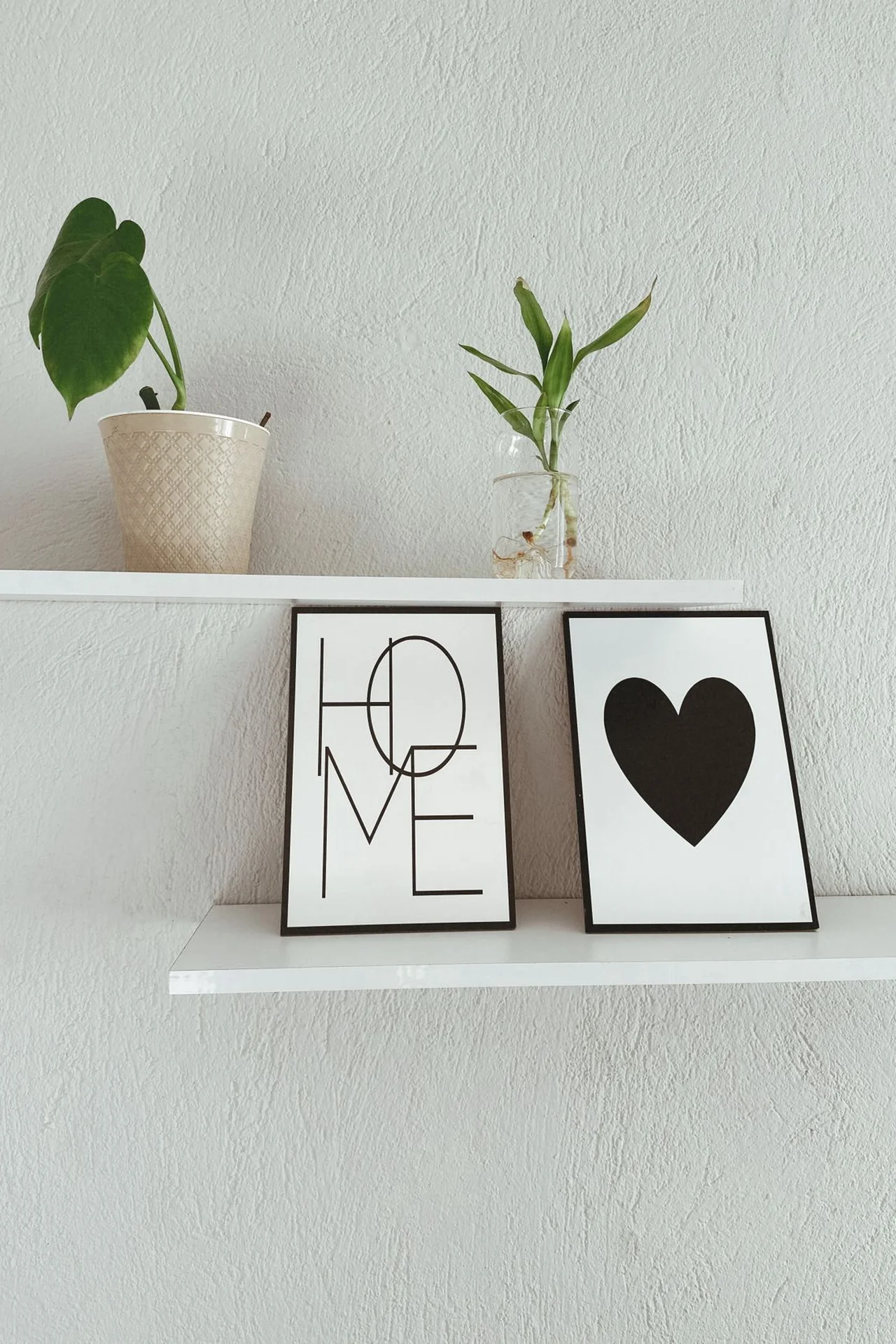
A floating shelf gives you a display spot without a single leg touching the floor, which matters a lot when every centimetre of floor counts. Mount one shelf at about shoulder height beside the door, and style it with a trailing pothos, a small framed print, and your key bowl. The plant does more than look pretty: it softens the hard corner where wall meets ceiling and makes the whole entry feel alive the second you walk in. Water it once a week and wipe the leaves when they get dusty. I killed my first entryway plant by overwatering, so now I check the soil with a finger first, and the current one has lasted two years.
Cost: ~$20 | Time: 30 minutes
7. Peel-and-Stick Wallpaper Accent Wall
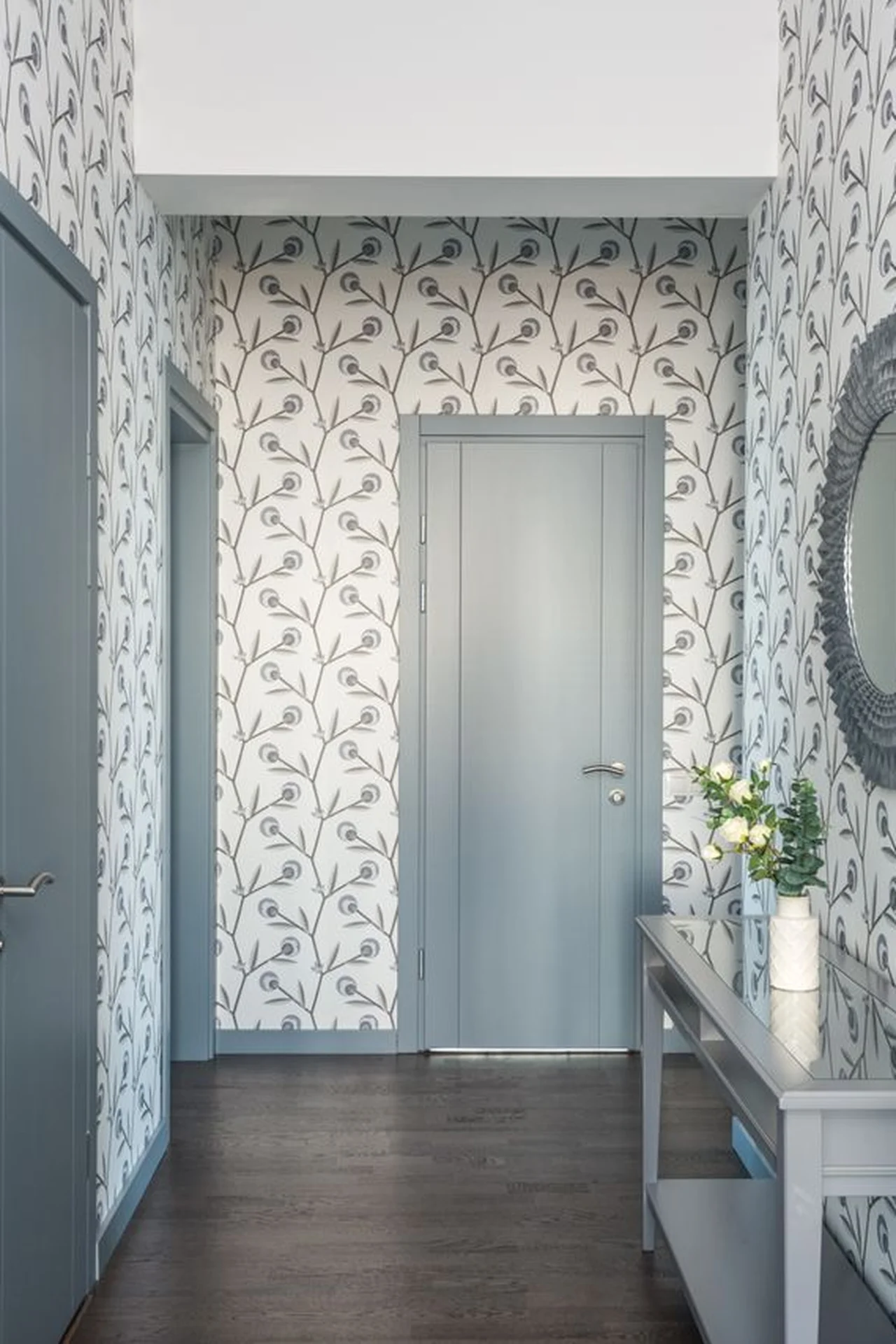
One wall of peel-and-stick wallpaper can make a plain foyer feel finished without paint, mess, or a landlord argument. Pick the short wall your eye lands on when you walk in, and choose a small-scale pattern, since big bold prints can overwhelm a tight space and make it feel smaller. Clean the wall, line up your first strip with a spirit level, and smooth it down slowly from the top to push out bubbles as you go. Trim the edges with a sharp craft knife, and keep the leftover roll for patching scuffs later. I redid my own hallway wall in one evening, and guests still ask if I had it professionally papered.
Pro tip: buy one extra roll beyond your measurement, because pattern matching eats more paper than you expect.
Cost: ~$28 | Time: 90 minutes
8. Bright Runner Rug to Define the Space
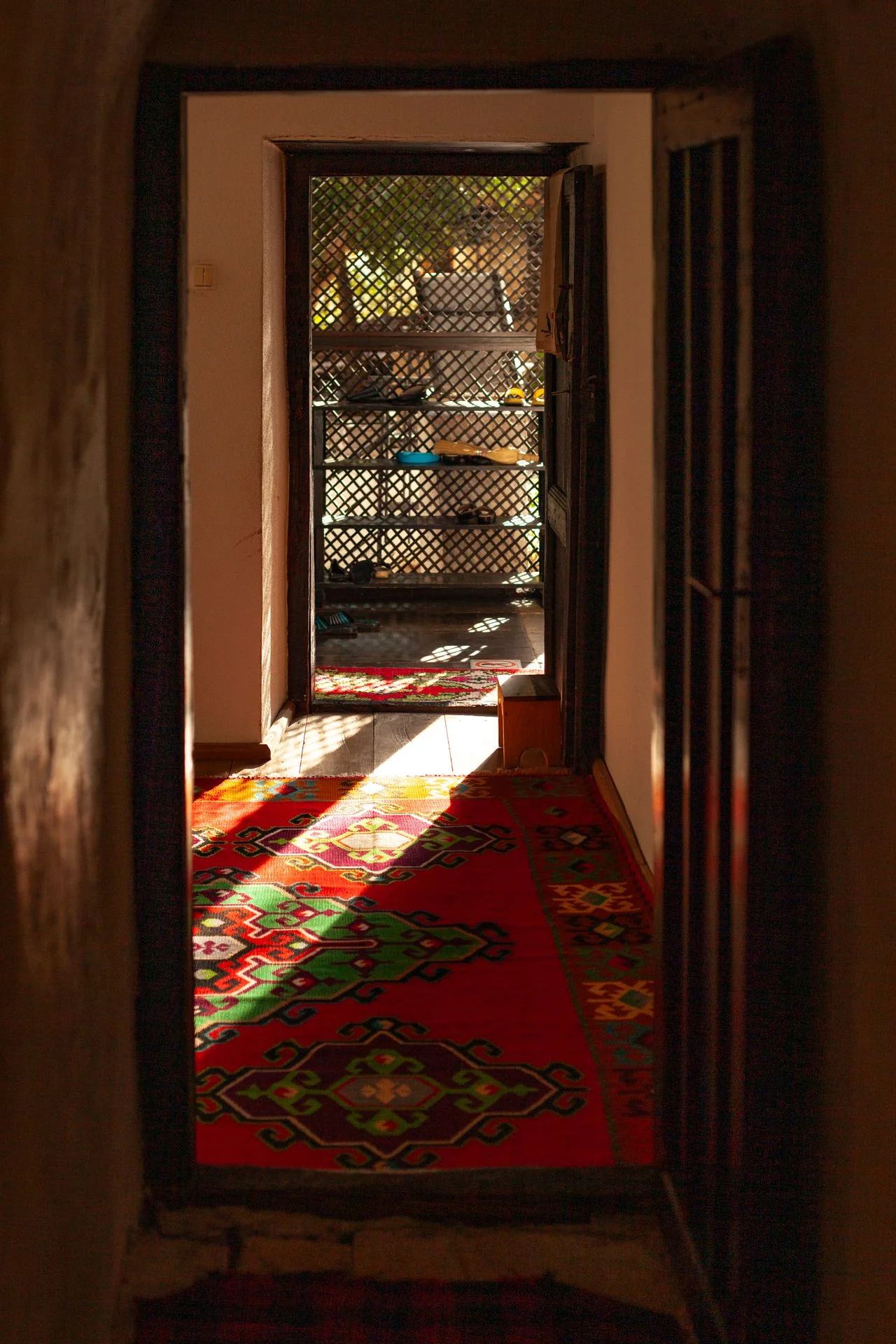
A runner rug draws a clear line that says this patch of floor is the foyer, even when there is no wall to mark it. Choose a flat-weave rug in a colour you love, long enough to run from the door to the next room but narrow enough to leave a border of bare floor on each side. A washable rug is worth every penny here, because entry rugs take mud, rain, and whatever the dog tracked in. Lay a non-slip pad underneath so it never bunches underfoot, and shake it out weekly. I went for a warm red pattern that hides dirt brilliantly, and it still makes me smile every single time I come home.
Cost: ~$32 | Time: 15 minutes
9. Key Bowl on a Wall-Mounted Ledge
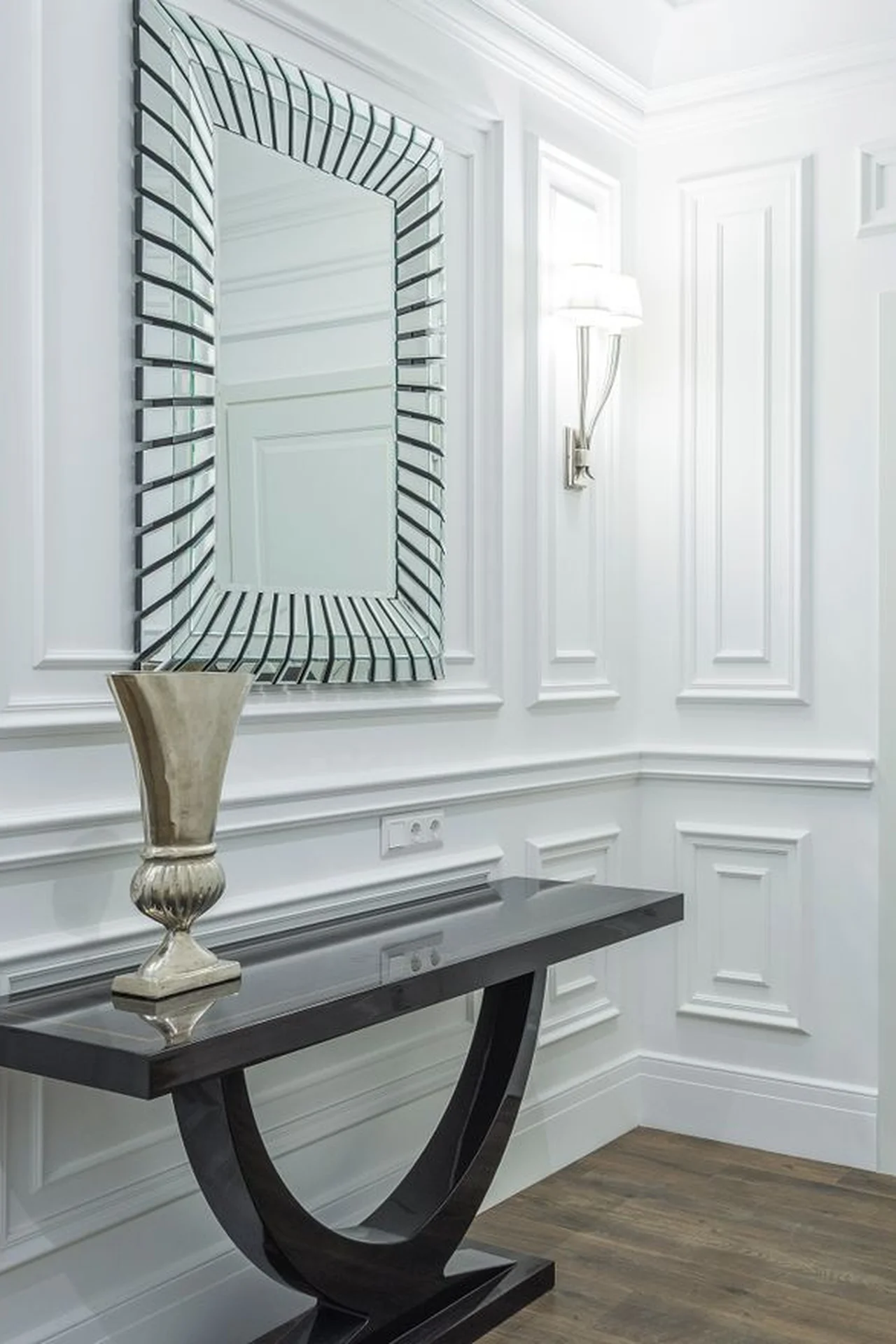
If you have no room for a console table, a tiny wall-mounted ledge with a key bowl does the same job in about ten centimetres of depth. Fix a small shelf or picture ledge right beside the door at hand height, and set a shallow ceramic bowl or dish on it for keys, coins, and the odd hair tie. The trick is the habit, not the hardware: empty your pockets into the bowl the moment you walk in, every single time, and you will stop losing keys within a week. I added a tiny hook underneath the ledge for the dog lead, which means the whole leaving-the-house routine now happens in one spot by the door.
Cost: ~$14 | Time: 20 minutes
Corners, Seats, and Personality
10. Vertical Coat Rack in the Corner
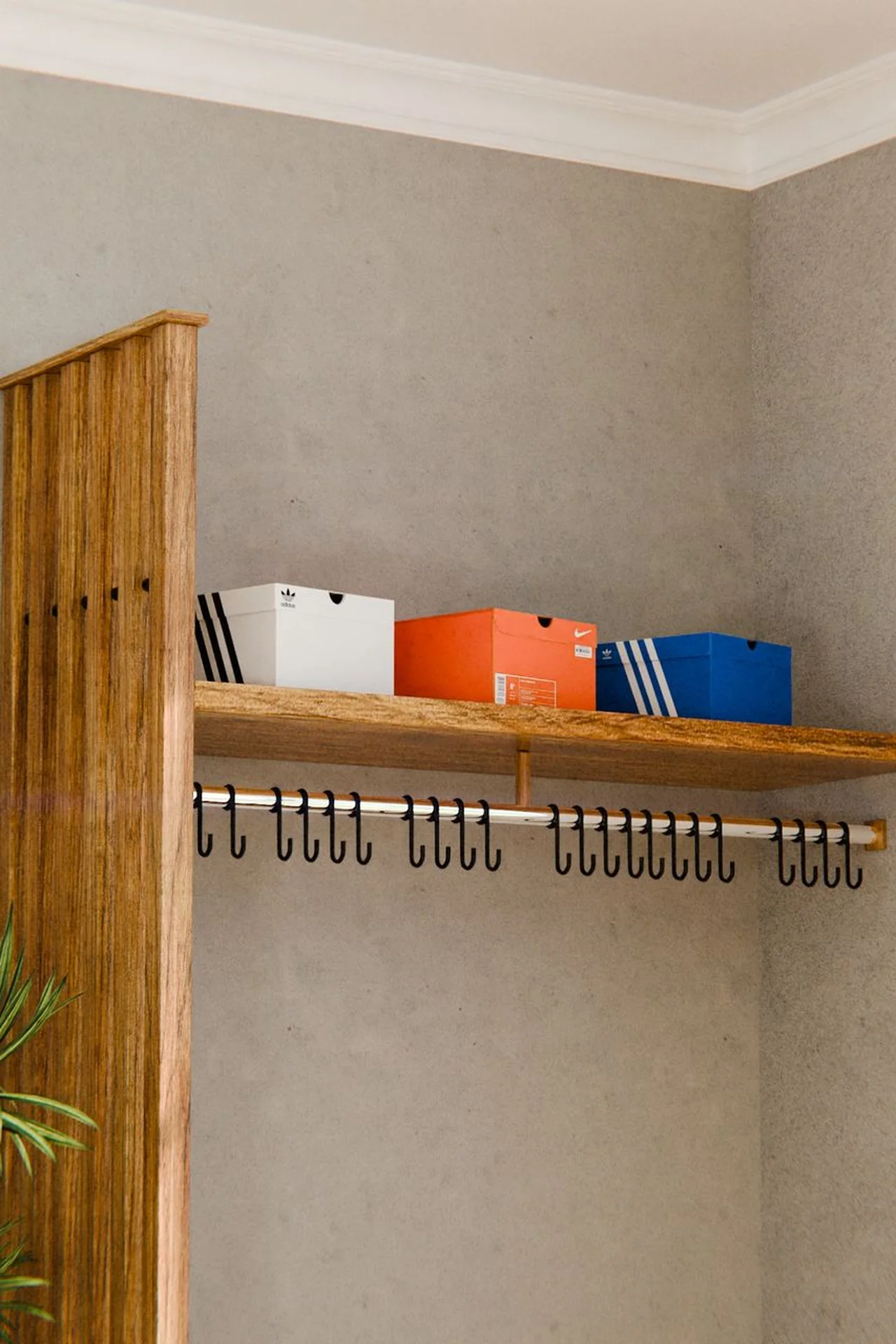
An unused corner is the most wasted space in a small foyer, and a tall, slim coat rack turns it into hard-working storage. Look for a rack with a footprint under 40 centimetres square, with hooks at two heights so shorter jackets and longer coats both hang without dragging on the floor. Tuck it into the corner nearest the door, and use the top peg for hats and the lower ones for bags and umbrellas. Because it stands in a corner, it never blocks the walkway, which is the mistake most freestanding racks make. I found mine at a thrift shop for a few pounds, sanded it, and painted it the same colour as my door trim.
Cost: ~$25 | Time: 15 minutes
11. Linen Curtain to Hide a Storage Nook
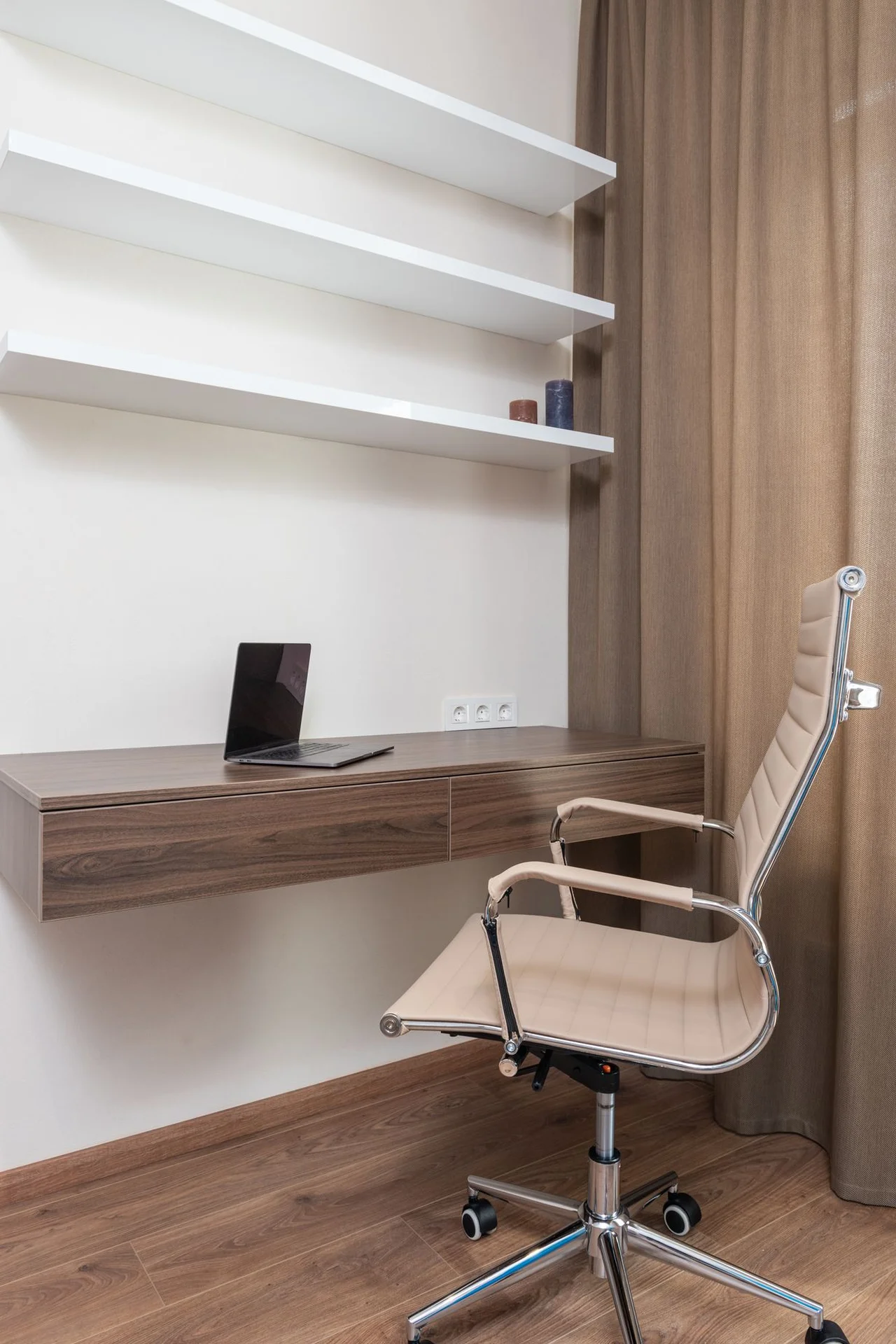
Not every foyer storage problem needs building work. If you have an awkward nook, an open shelf, or a stack of boxes by the door, a simple linen curtain hung on a tension rod hides the lot in ten minutes. Choose a natural linen or cotton in a colour close to your wall, so it reads as a soft wall panel rather than a cover-up, and hem it to just brush the floor. Behind the curtain you can keep cleaning supplies, spare shoes, or the vacuum without anyone knowing. I did this in a rental years ago and the landlord never even noticed, but every visitor thought the entry looked twice as tidy overnight.
Pro tip: measure the gap twice and buy a rod size in the middle of its range.
Cost: ~$16 | Time: 20 minutes
12. Thrifted Bench with a Cushion on Top
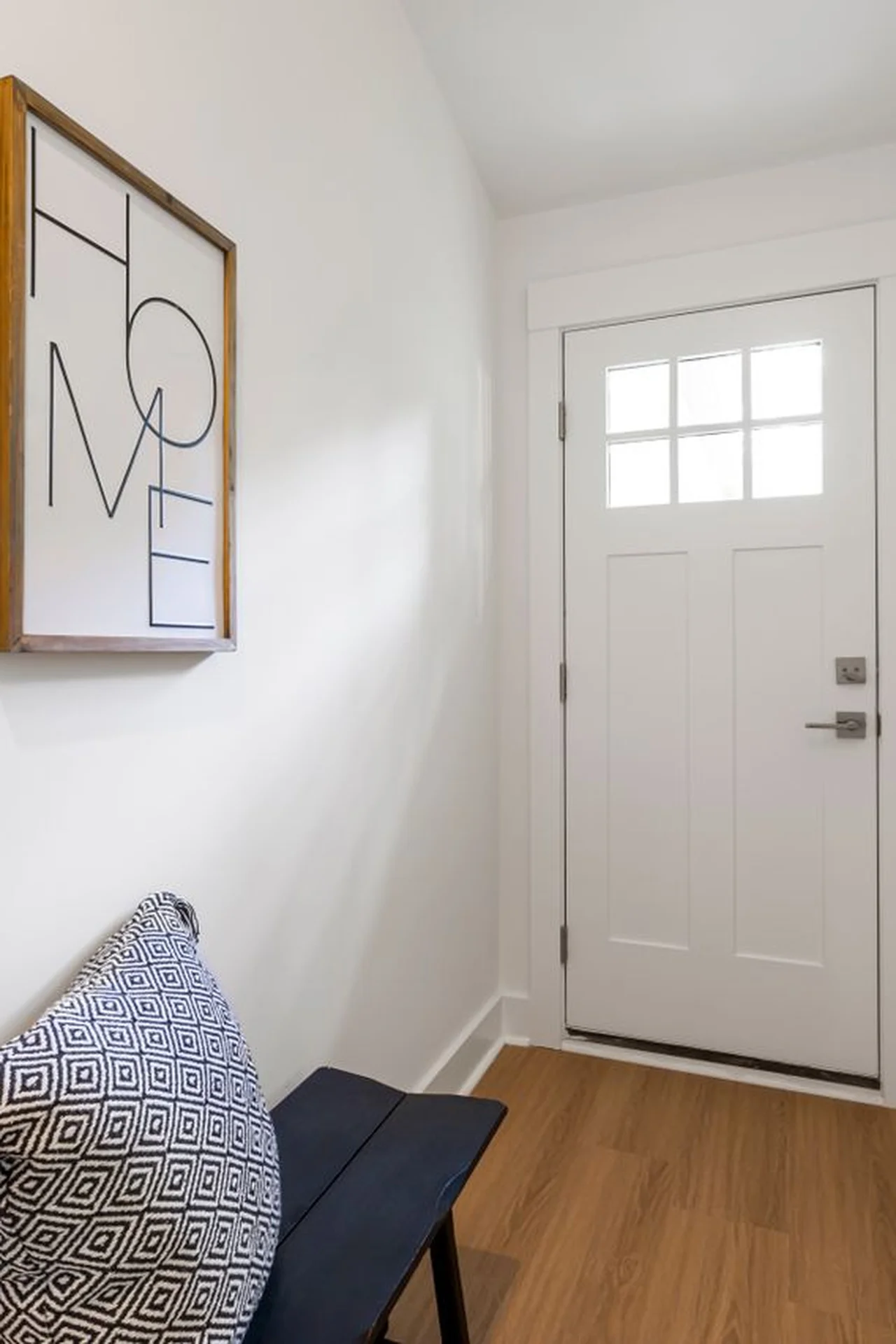
A bench changes how a foyer feels, because sitting down to put on shoes is one of those small daily comforts that adds up fast. Thrift shops and online marketplaces are full of solid wooden benches for very little money, and a simple cushion made from foam and a remnant fabric makes it comfortable and pretty. Keep the bench shallow, slide a pair of shoes or a basket underneath, and hang a hook or two above it for bags. Mine is where my kids sit to lace up their shoes before school, and it has stopped the morning shoe hunt entirely. For more welcoming entry ideas, see also (see also: 25-foyer-decor-ideas-that-look-expensive).
Cost: ~$30 | Time: 45 minutes
13. Gallery Wall of Small Framed Prints
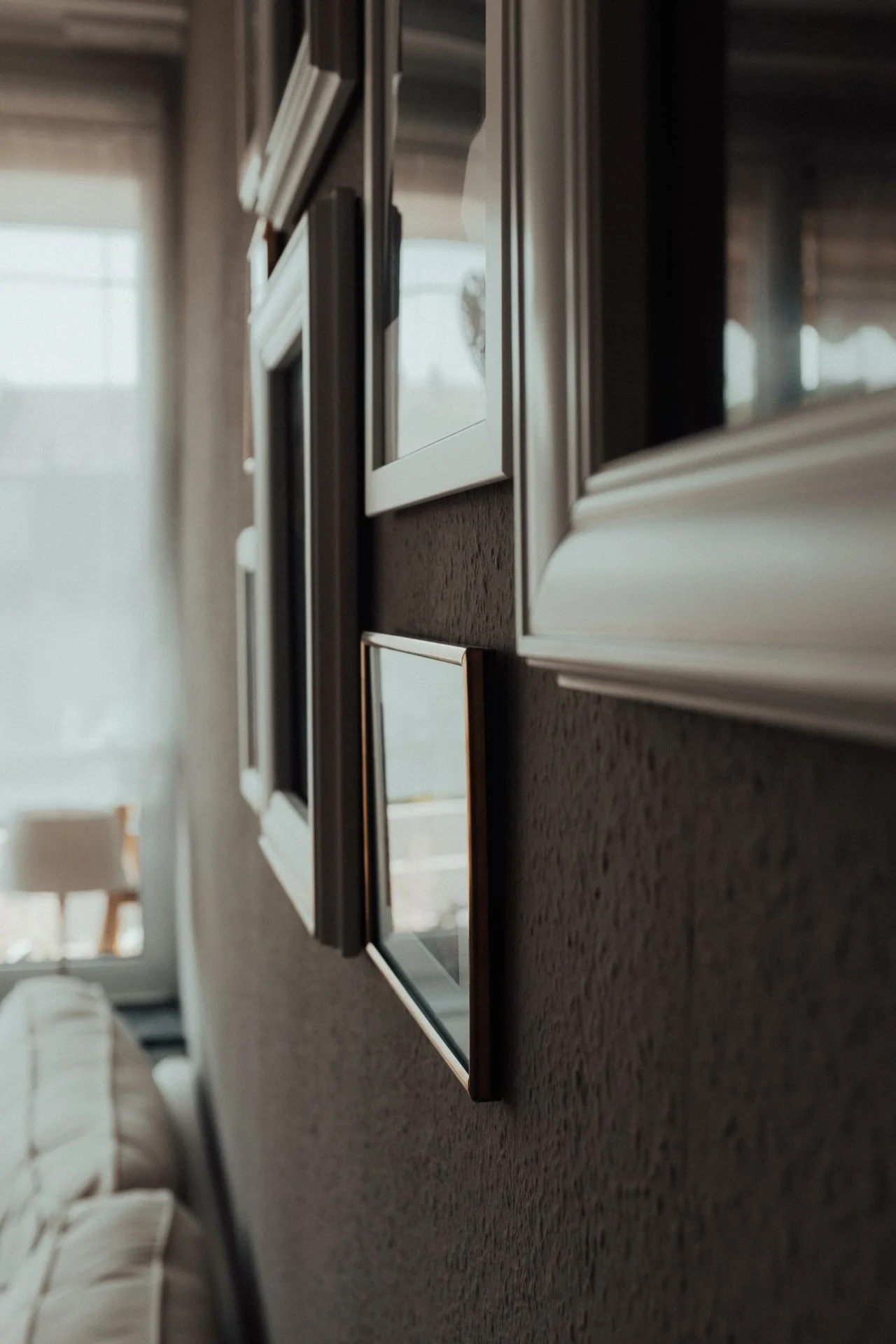
A gallery wall makes a small foyer feel personal instead of like a corridor, and small frames are kinder to tight walls than one huge piece of art. Gather five to seven frames in one finish, black or natural wood, and lay the arrangement out on the floor first before a single nail goes in. Mix family photos, postcards, and one or two prints you love, keeping the gaps between frames roughly equal, about five centimetres. Hang the centre of the group at eye level, around 145 centimetres from the floor, and step back often as you work. My own gallery wall is mostly holiday postcards in cheap frames, and it is the first thing guests comment on.
Cost: ~$24 | Time: 60 minutes
Light and the Front Door Itself
14. Over-the-Door Organizer for Small Items
The back of your front door is free storage space you already own, and a clear over-the-door organizer puts it to work without a single screw. Hang one with deep pockets for sunscreen, gloves, pet treats, spare keys, and the reusable bags that always end up in a pile. Clear pockets work best, because you can see everything at a glance instead of digging through fabric pouches. Keep the heaviest items in the lowest pockets so the door still swings freely and the hooks stay put. I keep ours on the inside of the closet door instead, which keeps the entry looking calm while the chaos stays hidden one step away.
Cost: ~$11 | Time: 10 minutes
15. Battery Puck Lights Under a Shelf
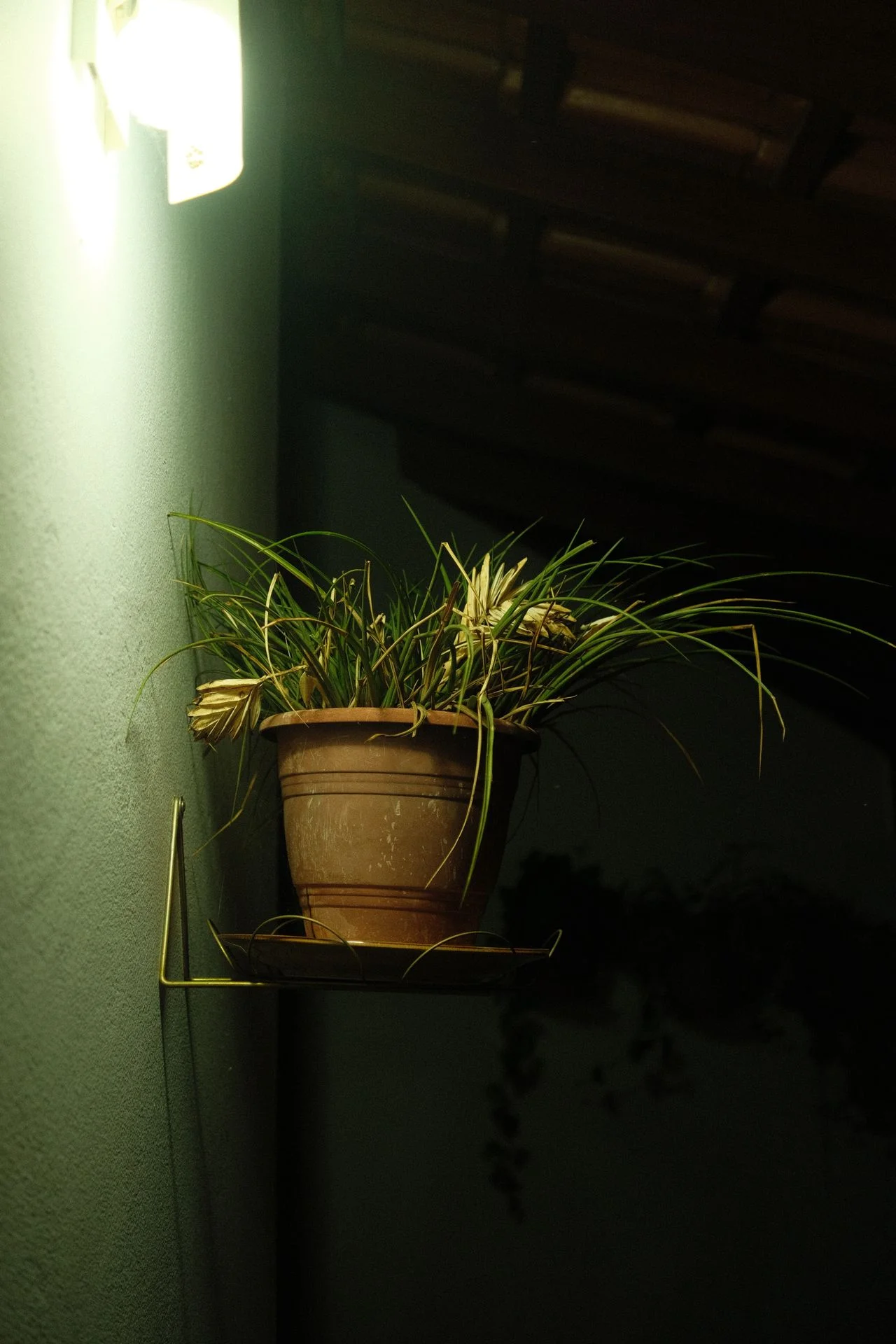
Small foyers are often dark, and a set of battery puck lights under a shelf or inside a nook fixes that for the price of a coffee. Stick two or three warm-white pucks under your floating shelf or console top, spacing them evenly so the light pools softly instead of creating harsh spots. Most come with a remote or a tap switch, and the batteries last for months with normal evening use. The warm glow makes the whole entry feel welcoming at night, and it shows off your mirror and artwork far better than a single ceiling bulb. I added a timer remote so ours switch on automatically at dusk, which means I never come home to a dark hall.
Pro tip: choose warm white, not daylight, so the hall feels welcoming, not clinical.
Cost: ~$10 | Time: 15 minutes
16. Painted Front Door in a Cheerful Color
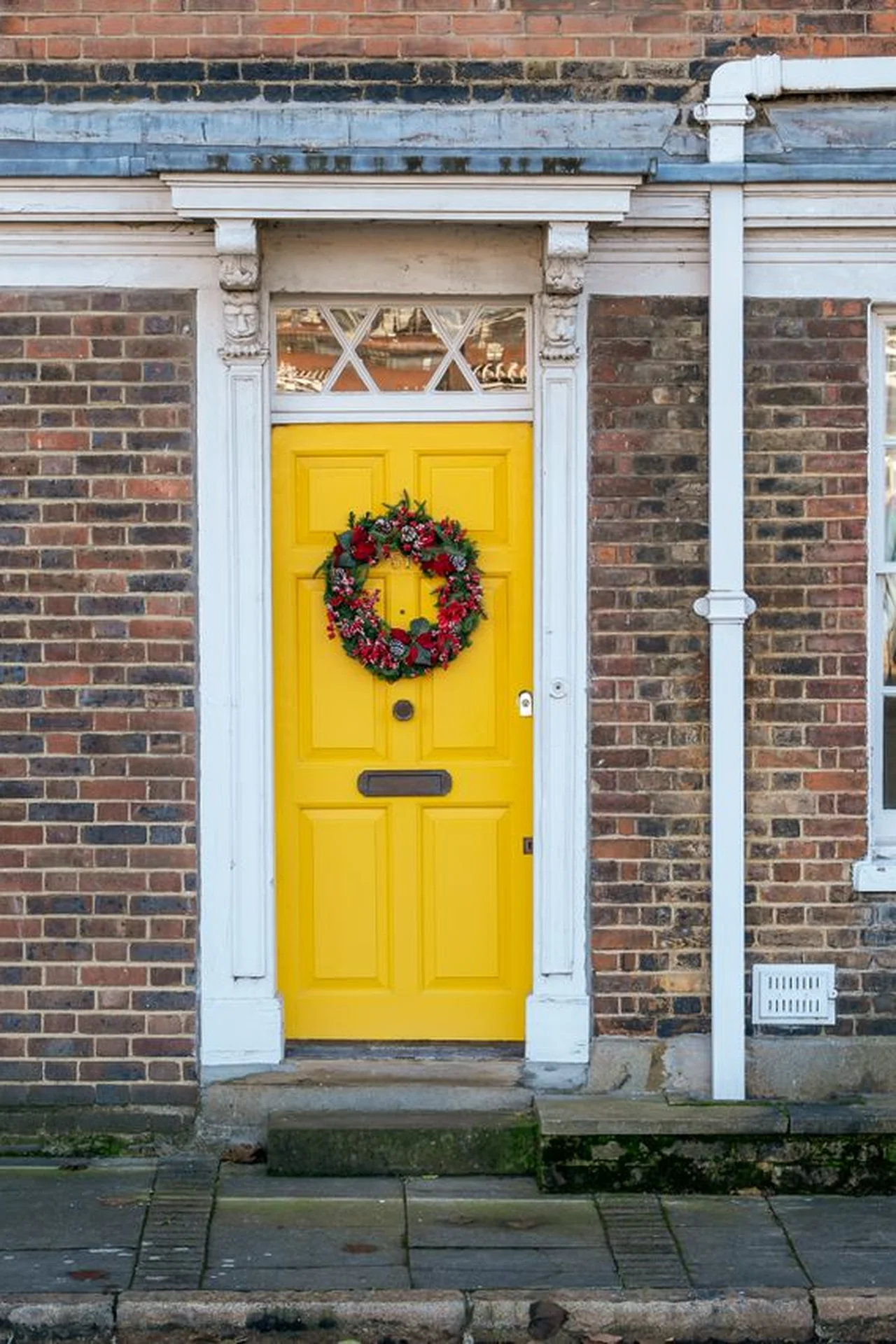
Painting just the inside of your front door is the cheapest big-impact change on this whole list, because it is the largest single surface in most small foyers. Pick a colour that makes you happy and works with your hallway, a soft sage, a warm mustard, or a classic navy, and use a durable satin or semi-gloss paint that wipes clean. Clean the door, sand lightly, apply one coat of primer and two thin topcoats, and let each coat dry fully before the next. I painted mine a cheerful yellow on a whim, and years later it is still the thing that makes the whole entry feel sunny even on grey mornings.
Cost: ~$20 | Time: 120 minutes
17. Seasonal Wreath and Doormat Swap
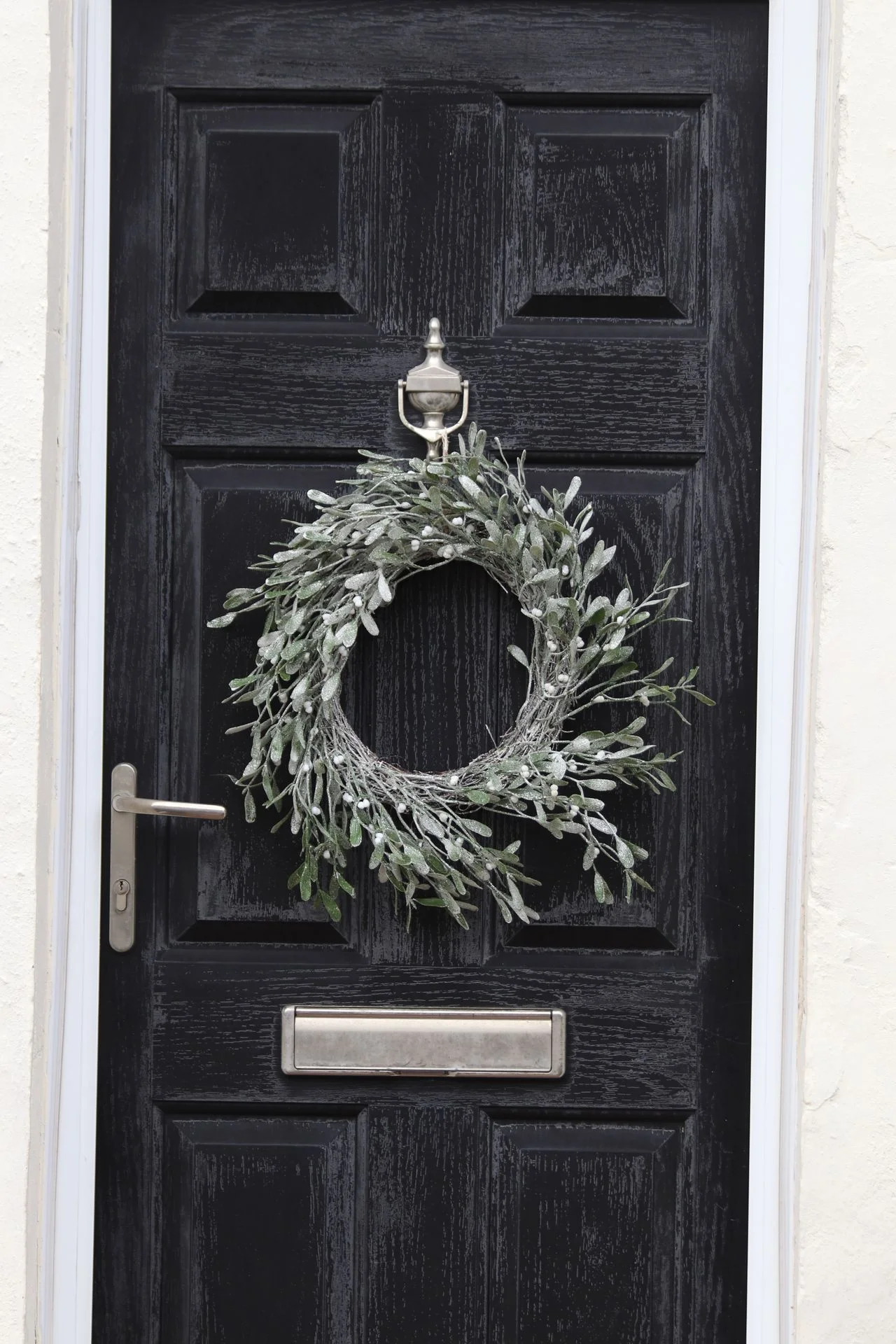
Swapping your wreath and doormat with the seasons is the easiest way to keep a small foyer feeling fresh all year without buying anything new each time. Keep a small collection: a green wreath for winter, a floral one for spring, something dried and warm-toned for autumn, and two doormats you rotate between a plain coir one and a patterned one. Store the off-season pieces in a labelled bag on top of a closet, and set a phone reminder for the first weekend of each season. The whole swap takes five minutes, costs nothing after the first purchase, and makes the entry feel cared for in a way guests notice right away.
Cost: ~$18 | Time: 10 minutes
Start with the console or the hooks this weekend, and please save this post so you can work through the rest one idea at a time.
