19 Bedroom Organization Ideas That Actually Work
Last year my bedroom reached the point where I dreaded opening it. I would stand in the doorway, move one pile to find another, and give up halfway through. That frustration is what pushed me to test these bedroom organization ideas properly, one idea at a time, instead of buying a whole system at once. Every idea below is cheap, practical, and built for a real home, not a showroom. Pick the three that fix your worst spots first, and leave the rest until those three feel automatic.
1. Under-Bed Rolling Bins for Off-Season Clothes

The trick with under-bed rolling bins for off-season clothes is to start with the worst pile, not the prettiest corner. Pull everything out, wipe the surface, and sort items into three groups: keep here, move elsewhere, and let go. Next, put the keep-here group back in the order you actually use it, with daily items at the front and spares behind them. I tried this in my bedroom on a rainy Saturday, and the whole job took less time than I had feared, mostly because sorting first stopped me rearranging the same clutter twice. The mistake I made the first time was buying containers before sorting, which left me with boxes that matched nothing I owned.
Cost: ~$1 | Time: 10 minutes
2. Nightstand Drawer Dividers for Small Items
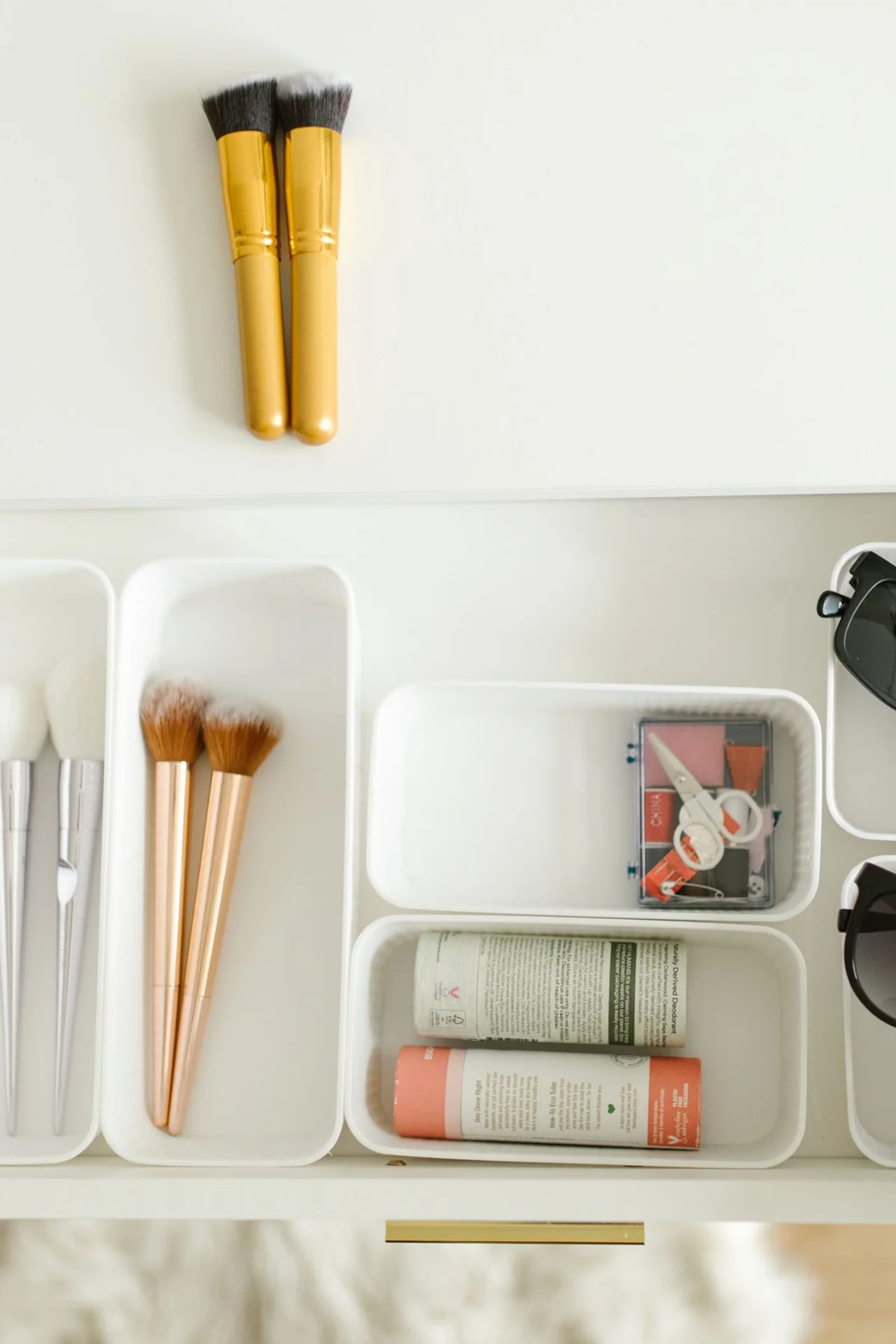
For nightstand drawer dividers for small items, small and cheap beats big and fancy almost every time. Choose a container or hook that fits the exact spot, fix it in place properly, and then test it for a full week before you buy more of the same thing. If the spot stays tidy after seven days of normal use, it works; if it collapses by Wednesday, the container was wrong, not you. I tried this in my bedroom after years of buying pretty baskets that never fit, and the boring correctly sized bin outperformed all of them. Avoid the trap of filling every inch, since a system with no spare room breaks the first time something new arrives.
Cost: ~$2 | Time: 15 minutes
3. Over-Door Hooks for Tomorrow’s Outfit

Setting up over-door hooks for tomorrow’s outfit sounds dull, but it pays off every single morning. Begin by emptying the area and throwing out anything broken, dried up, or duplicated, since no organizer fixes too much stuff. Then group what is left by how you use it, not by what it looks like, and give each group one labelled home. I tried this in my bedroom and felt the difference the next day, when getting ready took minutes instead of a hunt through drawers. My early mistake was grouping by colour, which looked lovely and helped nobody find anything, so group by use and keep the labels plain.
Cost: ~$3 | Time: 20 minutes
4. Closet Shelf Dividers for Folded Stacks
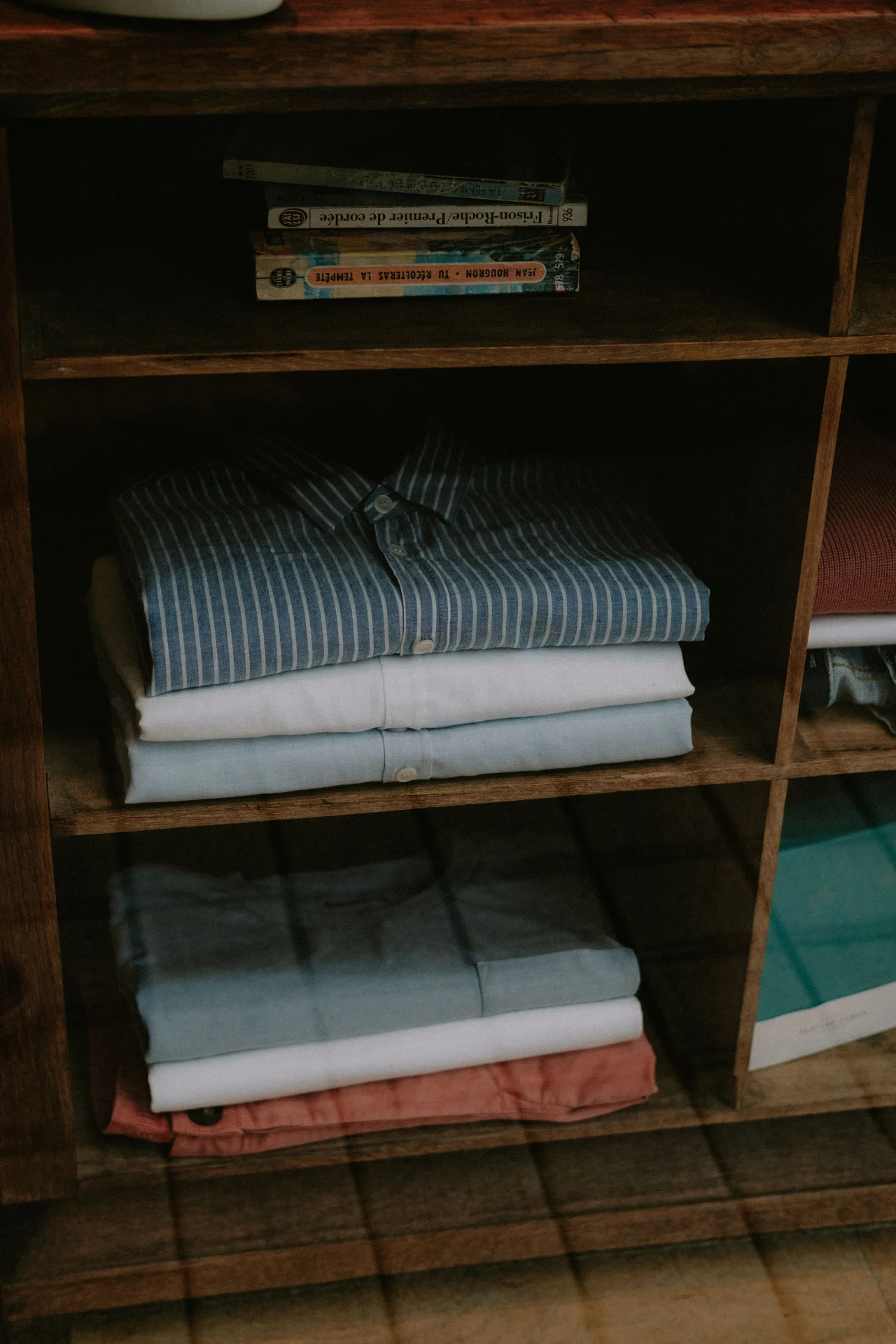
If closet shelf dividers for folded stacks keeps falling apart, the problem is usually that nothing has a fixed place yet. Pick one spot, clear it, and decide exactly what lives there before you add any hooks or bins. Then add only the storage that spot truly needs, one piece at a time, and live with it for a few days between additions. I tried this in my bedroom after three failed attempts at a full weekend overhaul, and the slow version finally stuck, because each addition solved a real annoyance instead of a guessed one. Do not buy a matching set first; a matching set looks tidy in the shop and rarely matches the odd corners of a real home.
Cost: ~$5 | Time: 30 minutes
5. Jewelry Sorted on a Wall-Mounted Board
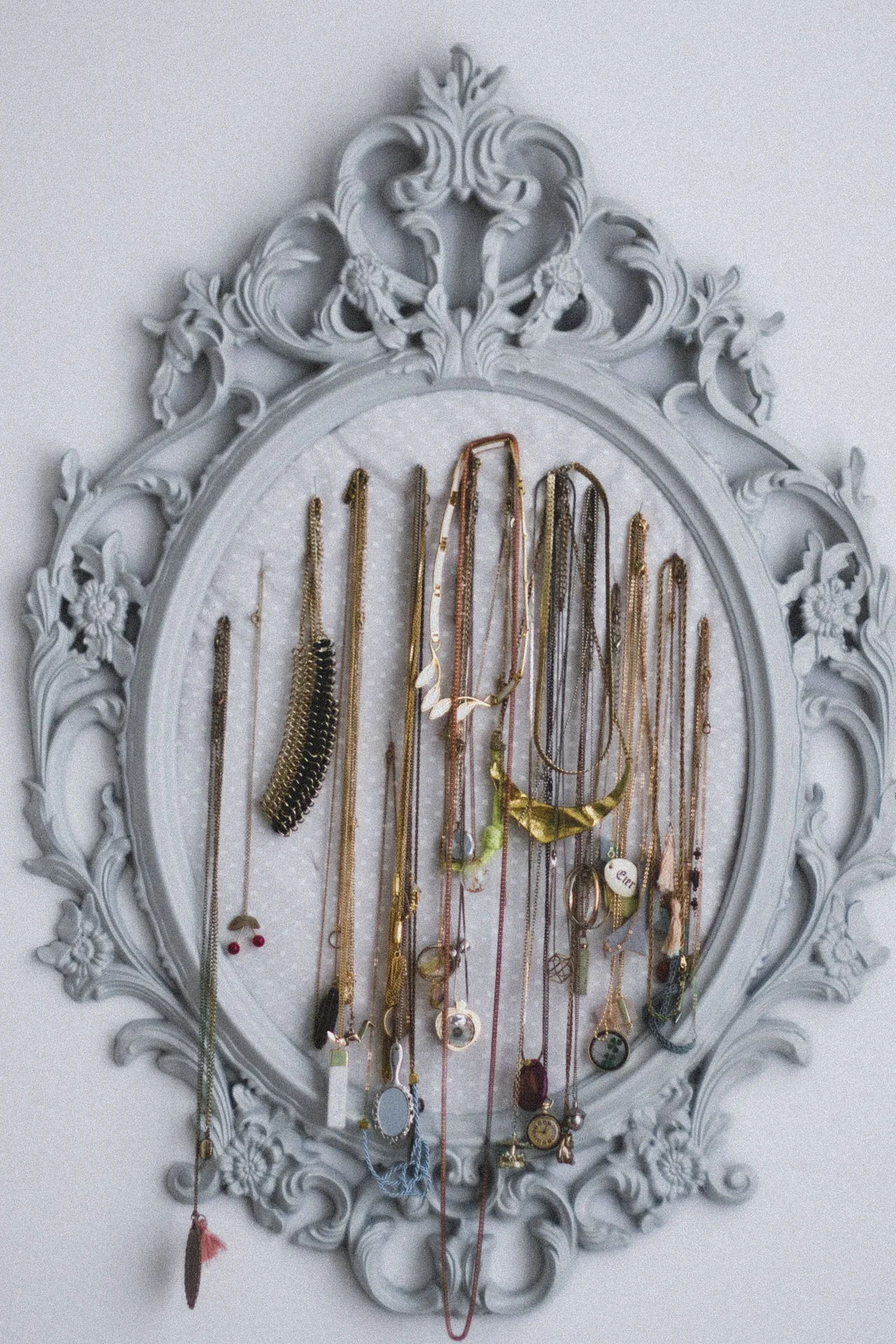
The best thing about jewelry sorted on a wall-mounted board is how little it costs once you reuse what you already own. Look around the house first for spare bins, jars, hooks, and boxes, and only buy the one or two pieces that fill a genuine gap. Put the reused pieces to work, label them clearly, and keep a small empty spot for whatever comes next. I tried this in my bedroom with things pulled from other rooms, and the result cost almost nothing yet held up for months. My mistake the first time was the opposite: I bought a full system, used half of it, and stored the rest in a cupboard, which is just clutter with a receipt.
Cost: ~$8 | Time: 45 minutes
6. Bedside Caddy for Books and Chargers

With bedside caddy for books and chargers, the habit matters as much as the hardware. Set the system up in one focused session, then tie a two-minute reset to something you already do daily, like making the bed or starting the kettle. That tiny reset is what stops the slow slide back into chaos, because clutter rarely arrives all at once. I tried this in my bedroom and found the reset mattered more than any bin I bought, since the bins only hold what the habit maintains. The mistake to avoid is waiting for a perfect free weekend, because that weekend rarely comes and the pile grows while you wait.
Cost: ~$10 | Time: 5 minutes
(see also: 15-small-laundry-room-ideas-on-a-budget)
7. Drawer Organizers for Socks and Underwear

Think of drawer organizers for socks and underwear as giving each item a parking space rather than a pile to join. Measure the space, note what must live there every day, and choose storage that matches those items instead of forcing items into whatever you already own. Place daily items lowest and nearest, weekly items behind them, and anything seasonal right out of the way. I tried this in my bedroom and finally stopped buying duplicates of things I already owned but could not find. My first version failed because I stored everything at the same height, which meant daily items hid behind things I touched twice a year, so sort by frequency first.
Cost: ~$12 | Time: 10 minutes
8. Hanging Shelf for Closet Dead Space

A hanging shelf for closet dead space setup only works if everything has one obvious home. First, clear the spot completely and measure it before you buy or build anything, because guessing leads to bins that do not fit. Then put the things you reach for every day where your hand lands first, and push seasonal or rarely used items higher or further back. Finish by labelling the spot with plain masking tape so the whole household puts things back in the same place. I tried this in my bedroom last spring, and within a week I stopped digging through piles to find what I needed. My first attempt failed because I skipped the measuring step, so do not skip it.
Cost: ~$15 | Time: 15 minutes
9. Basket for Laundry at the Bedroom Door
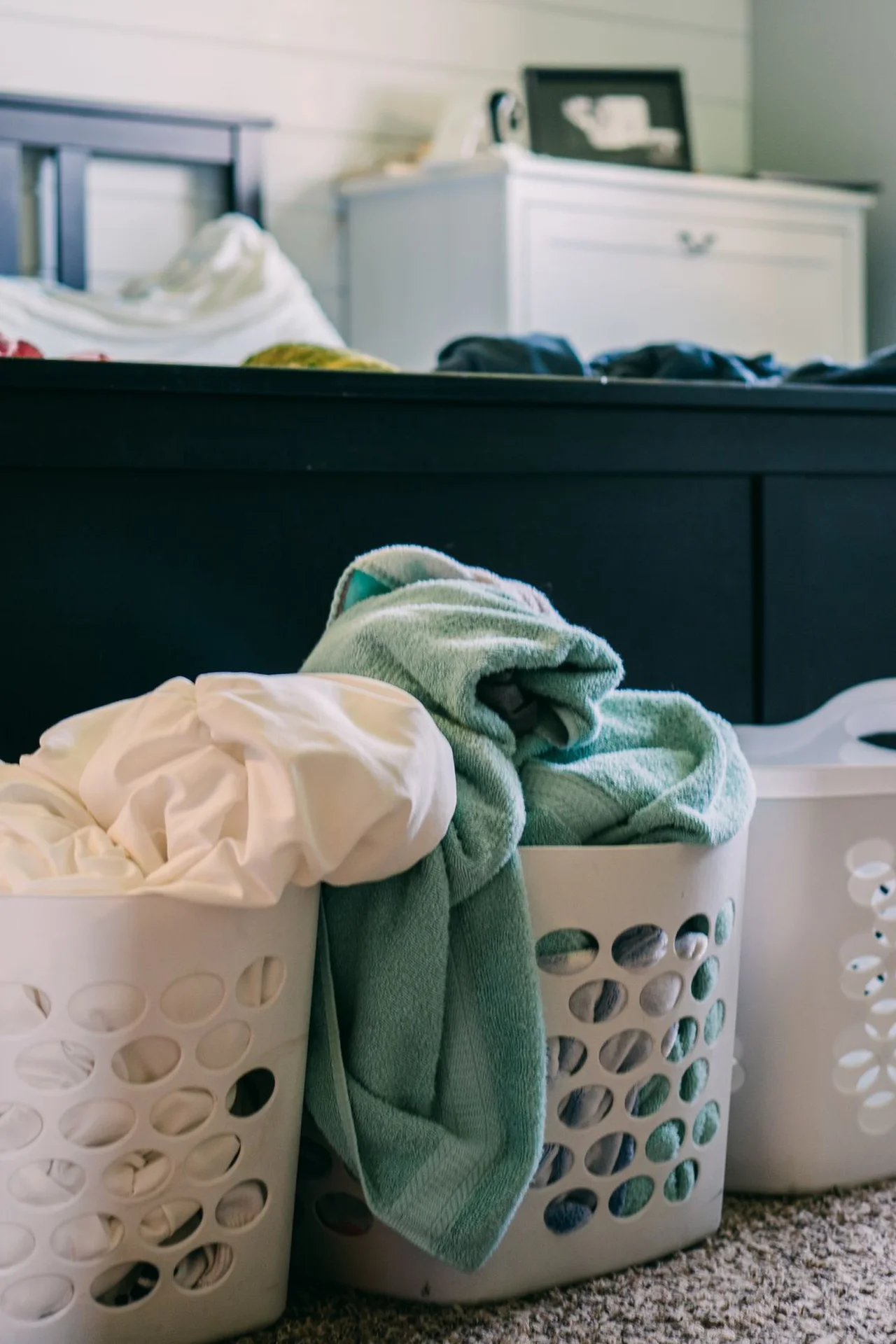
The trick with basket for laundry at the bedroom door is to start with the worst pile, not the prettiest corner. Pull everything out, wipe the surface, and sort items into three groups: keep here, move elsewhere, and let go. Next, put the keep-here group back in the order you actually use it, with daily items at the front and spares behind them. I tried this in my bedroom on a rainy Saturday, and the whole job took less time than I had feared, mostly because sorting first stopped me rearranging the same clutter twice. The mistake I made the first time was buying containers before sorting, which left me with boxes that matched nothing I owned.
Cost: ~$20 | Time: 20 minutes
10. Shoe Rack Behind the Bedroom Door
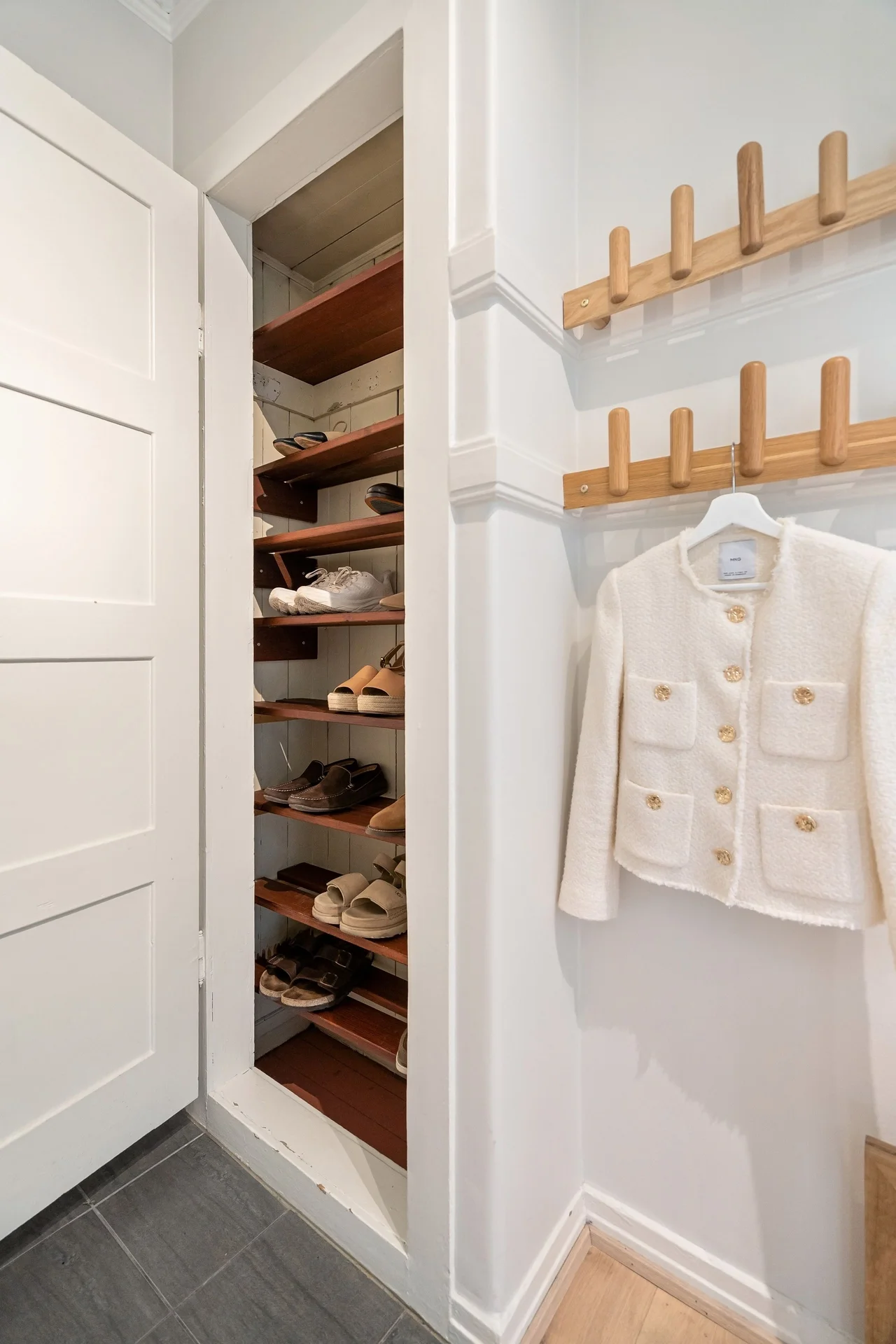
For shoe rack behind the bedroom door, small and cheap beats big and fancy almost every time. Choose a container or hook that fits the exact spot, fix it in place properly, and then test it for a full week before you buy more of the same thing. If the spot stays tidy after seven days of normal use, it works; if it collapses by Wednesday, the container was wrong, not you. I tried this in my bedroom after years of buying pretty baskets that never fit, and the boring correctly sized bin outperformed all of them. Avoid the trap of filling every inch, since a system with no spare room breaks the first time something new arrives.
Cost: ~$0 | Time: 30 minutes
11. Seasonal Closet Swap Twice a Year
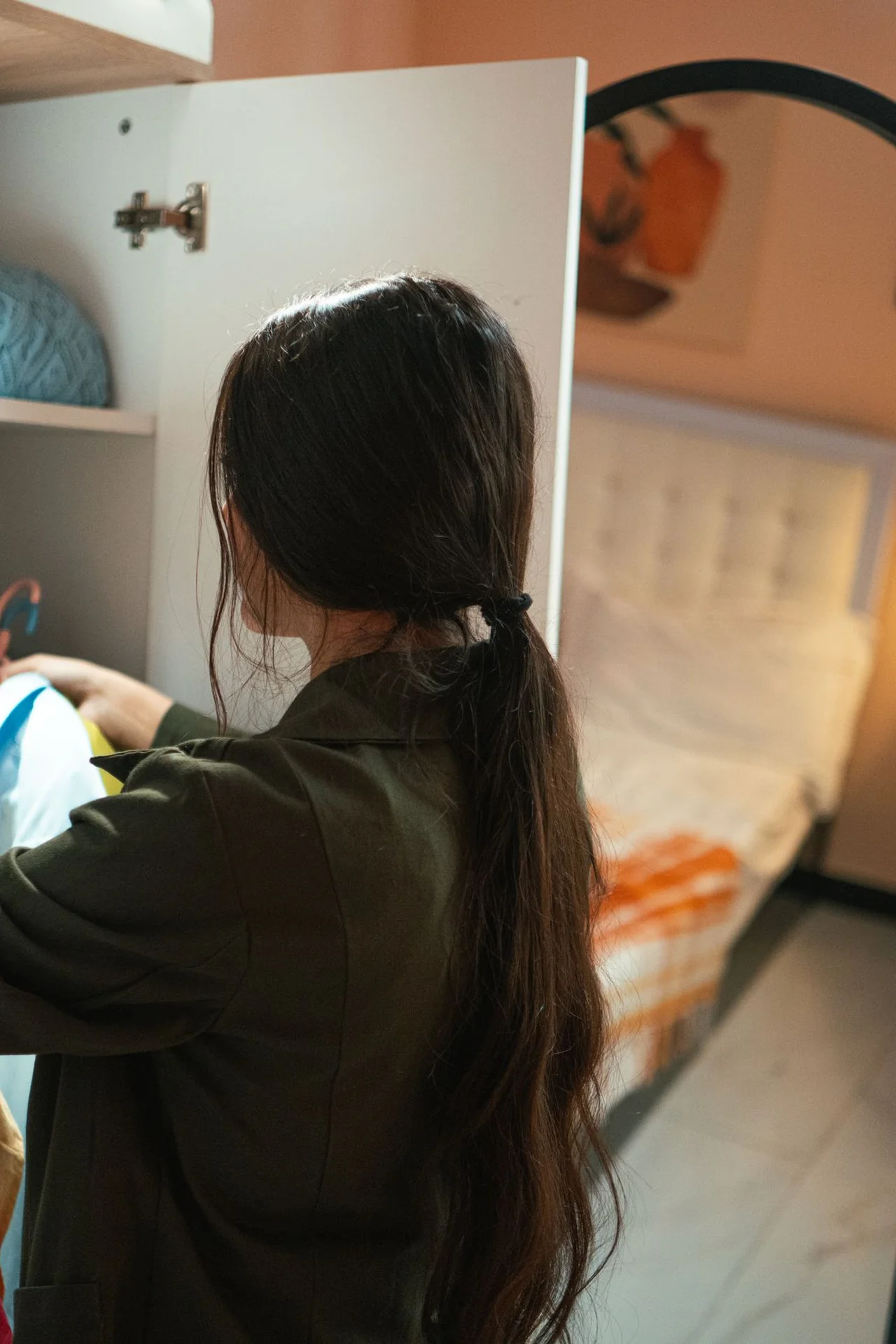
Setting up seasonal closet swap twice a year sounds dull, but it pays off every single morning. Begin by emptying the area and throwing out anything broken, dried up, or duplicated, since no organizer fixes too much stuff. Then group what is left by how you use it, not by what it looks like, and give each group one labelled home. I tried this in my bedroom and felt the difference the next day, when getting ready took minutes instead of a hunt through drawers. My early mistake was grouping by colour, which looked lovely and helped nobody find anything, so group by use and keep the labels plain.
Cost: ~$1 | Time: 45 minutes
12. Labeled Boxes on the Top Shelf

If labeled boxes on the top shelf keeps falling apart, the problem is usually that nothing has a fixed place yet. Pick one spot, clear it, and decide exactly what lives there before you add any hooks or bins. Then add only the storage that spot truly needs, one piece at a time, and live with it for a few days between additions. I tried this in my bedroom after three failed attempts at a full weekend overhaul, and the slow version finally stuck, because each addition solved a real annoyance instead of a guessed one. Do not buy a matching set first; a matching set looks tidy in the shop and rarely matches the odd corners of a real home.
Cost: ~$2 | Time: 5 minutes
(see also: 19-bedroom-organization-ideas-on-a-dime)
13. Vanity Tray for Daily Jewelry
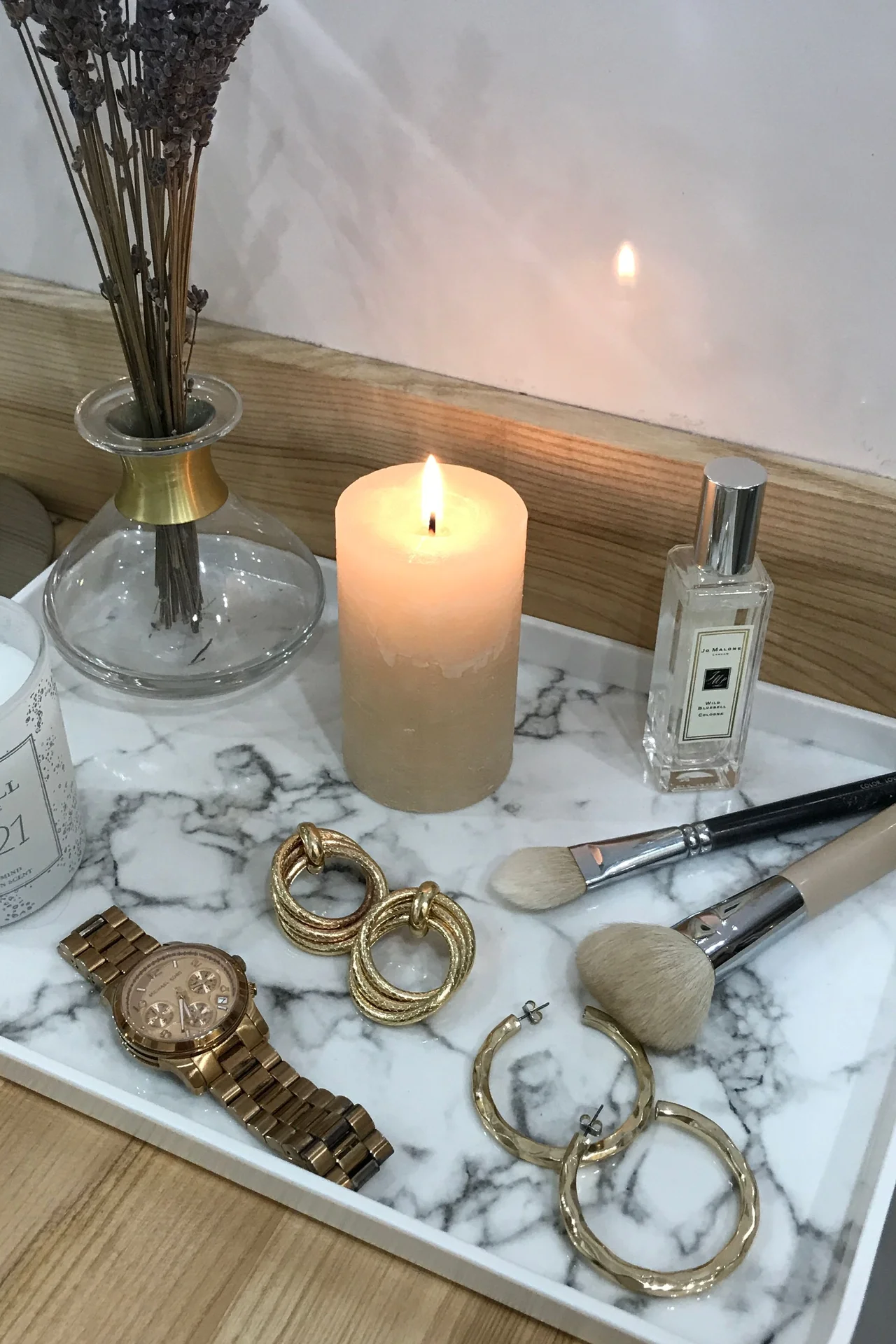
The best thing about vanity tray for daily jewelry is how little it costs once you reuse what you already own. Look around the house first for spare bins, jars, hooks, and boxes, and only buy the one or two pieces that fill a genuine gap. Put the reused pieces to work, label them clearly, and keep a small empty spot for whatever comes next. I tried this in my bedroom with things pulled from other rooms, and the result cost almost nothing yet held up for months. My mistake the first time was the opposite: I bought a full system, used half of it, and stored the rest in a cupboard, which is just clutter with a receipt.
Cost: ~$3 | Time: 10 minutes
14. Cord Clips Behind the Nightstand

With cord clips behind the nightstand, the habit matters as much as the hardware. Set the system up in one focused session, then tie a two-minute reset to something you already do daily, like making the bed or starting the kettle. That tiny reset is what stops the slow slide back into chaos, because clutter rarely arrives all at once. I tried this in my bedroom and found the reset mattered more than any bin I bought, since the bins only hold what the habit maintains. The mistake to avoid is waiting for a perfect free weekend, because that weekend rarely comes and the pile grows while you wait.
Cost: ~$5 | Time: 15 minutes
15. One-In-One-Out Rule for New Clothes

Think of one-in-one-out rule for new clothes as giving each item a parking space rather than a pile to join. Measure the space, note what must live there every day, and choose storage that matches those items instead of forcing items into whatever you already own. Place daily items lowest and nearest, weekly items behind them, and anything seasonal right out of the way. I tried this in my bedroom and finally stopped buying duplicates of things I already owned but could not find. My first version failed because I stored everything at the same height, which meant daily items hid behind things I touched twice a year, so sort by frequency first.
Cost: ~$8 | Time: 20 minutes
16. Weekly Drawer Audit in Five Minutes
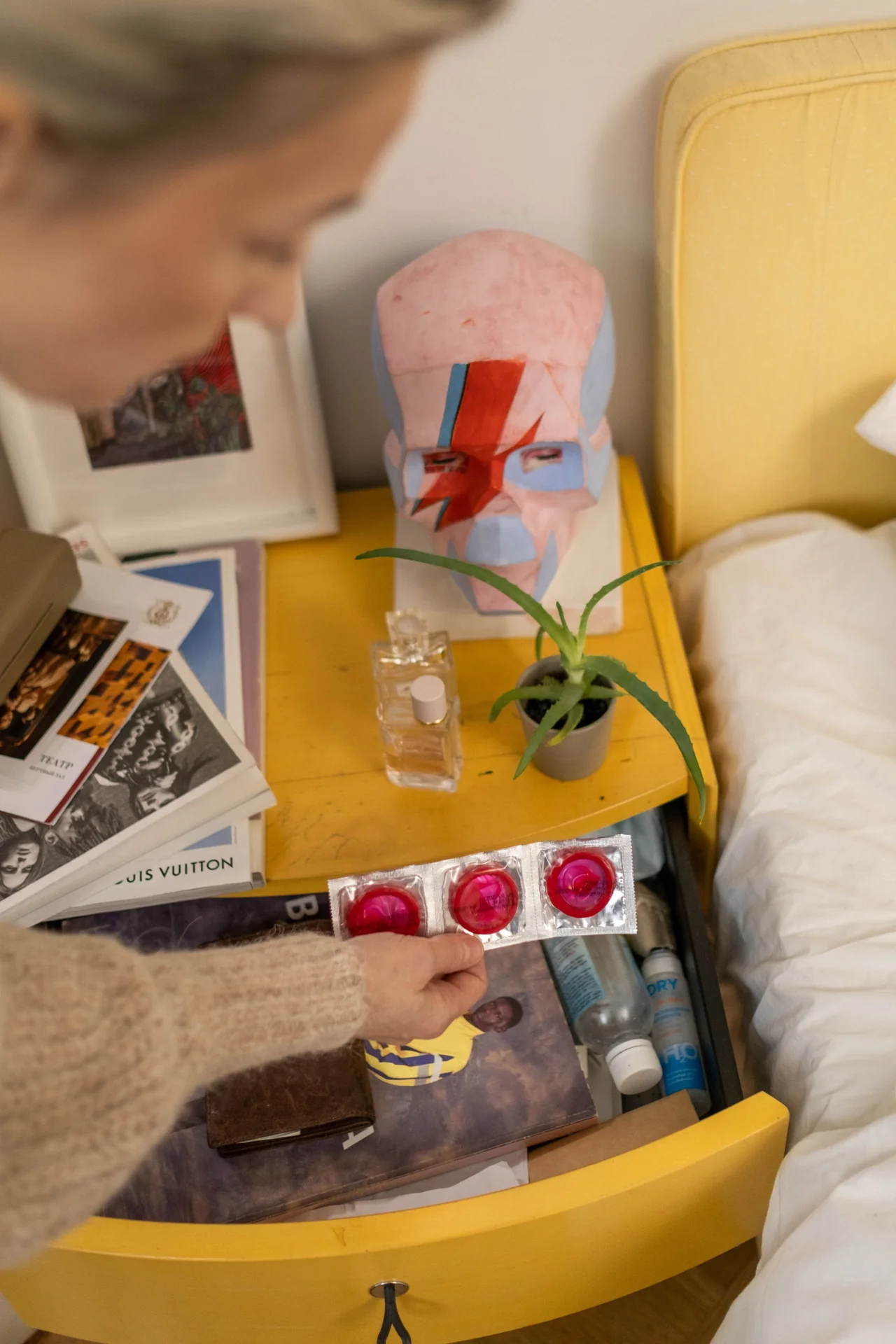
A weekly drawer audit in five minutes setup only works if everything has one obvious home. First, clear the spot completely and measure it before you buy or build anything, because guessing leads to bins that do not fit. Then put the things you reach for every day where your hand lands first, and push seasonal or rarely used items higher or further back. Finish by labelling the spot with plain masking tape so the whole household puts things back in the same place. I tried this in my bedroom last spring, and within a week I stopped digging through piles to find what I needed. My first attempt failed because I skipped the measuring step, so do not skip it.
Cost: ~$10 | Time: 30 minutes
17. Bag Hooks Inside the Closet Door

The trick with bag hooks inside the closet door is to start with the worst pile, not the prettiest corner. Pull everything out, wipe the surface, and sort items into three groups: keep here, move elsewhere, and let go. Next, put the keep-here group back in the order you actually use it, with daily items at the front and spares behind them. I tried this in my bedroom on a rainy Saturday, and the whole job took less time than I had feared, mostly because sorting first stopped me rearranging the same clutter twice. The mistake I made the first time was buying containers before sorting, which left me with boxes that matched nothing I owned.
Cost: ~$12 | Time: 45 minutes
18. Bedding Stored in Pillowcase Sets
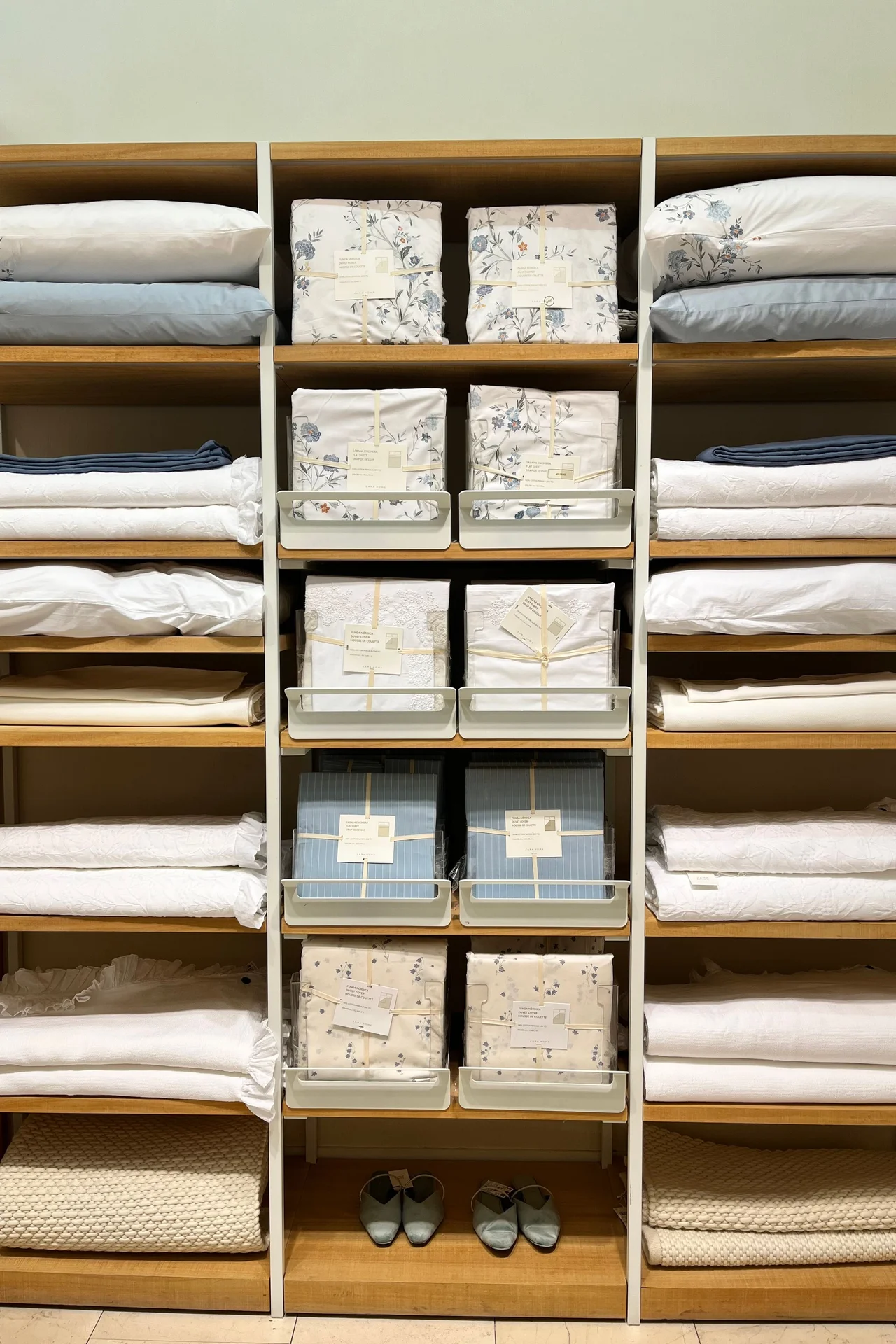
For bedding stored in pillowcase sets, small and cheap beats big and fancy almost every time. Choose a container or hook that fits the exact spot, fix it in place properly, and then test it for a full week before you buy more of the same thing. If the spot stays tidy after seven days of normal use, it works; if it collapses by Wednesday, the container was wrong, not you. I tried this in my bedroom after years of buying pretty baskets that never fit, and the boring correctly sized bin outperformed all of them. Avoid the trap of filling every inch, since a system with no spare room breaks the first time something new arrives.
Cost: ~$15 | Time: 5 minutes
19. Morning Reset Before Making the Bed
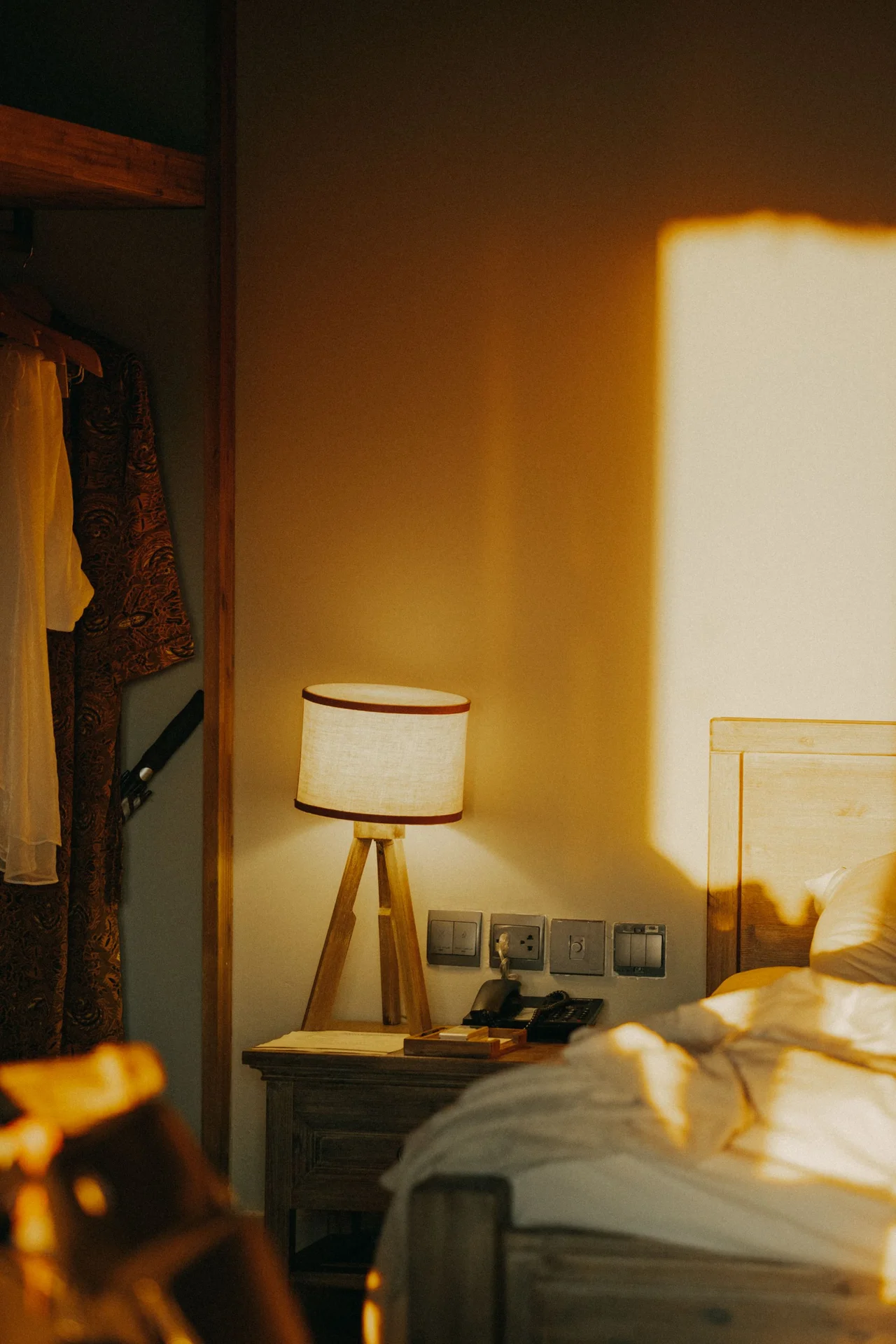
Setting up morning reset before making the bed sounds dull, but it pays off every single morning. Begin by emptying the area and throwing out anything broken, dried up, or duplicated, since no organizer fixes too much stuff. Then group what is left by how you use it, not by what it looks like, and give each group one labelled home. I tried this in my bedroom and felt the difference the next day, when getting ready took minutes instead of a hunt through drawers. My early mistake was grouping by colour, which looked lovely and helped nobody find anything, so group by use and keep the labels plain.
Cost: ~$20 | Time: 10 minutes
See also: 25 Small Closet Organization Ideas That Double Your Space
Save this idea for your next clear-out if your bedroom is bursting at the seams.
An organized bedroom does not need a big budget, just one good home for each thing and a tiny reset habit to keep it there. Start with the idea that fixes your worst spot, add a second when the first feels automatic, and let the rest wait. Your bedroom will cost less than a dinner out to sort, and it will work better than a system ten times the price.
