35 Genius Small Space Ideas on a Budget
I have lived in five small spaces now, from a dorm room to a studio to a flat where the kitchen was technically a hallway, and every single one taught me the same lesson: small spaces are not about having less, they are about choosing smarter. This list of small space decorating ideas is my greatest hits, the ideas that worked in every single place, all cheap, all renter-friendly, and all tested by someone who tripped over the mistakes first so you do not have to. Pick ten, try them this month, and watch your space change.
Hang Everything You Can on the Walls
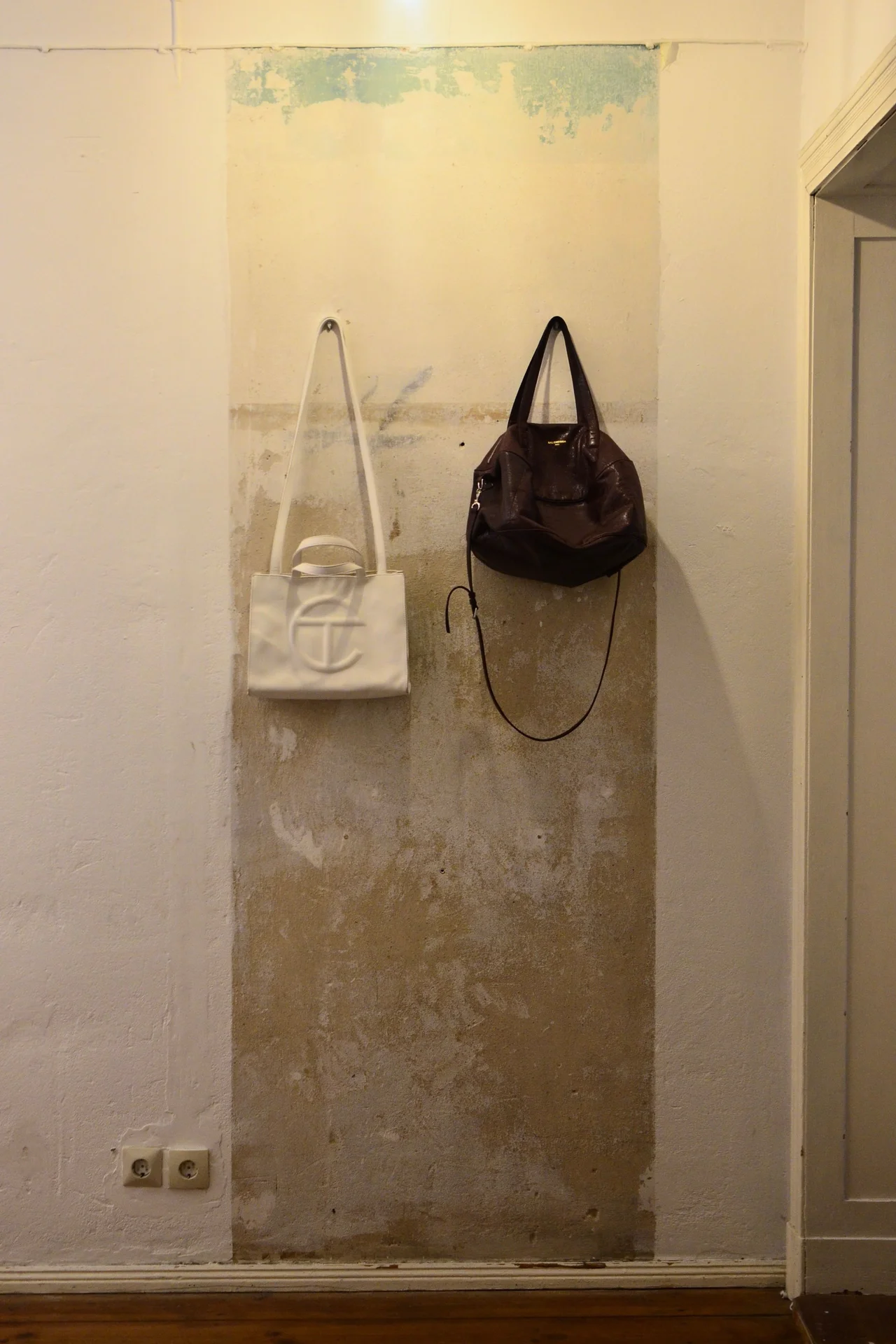
Walls are the biggest unused surface in a small space, so hang bikes, bags, tools, and art on them instead of letting them eat floor space. Use proper anchors, group items by use, and keep the floor clear underneath. I hung my bike on a wall mount and gained a whole corner of my studio. The mistake to avoid is hanging heavy items on weak hooks, because gravity always collects its debt.
Cost: ~$20 | Time: 30 minutes
Use Doors as Extra Walls
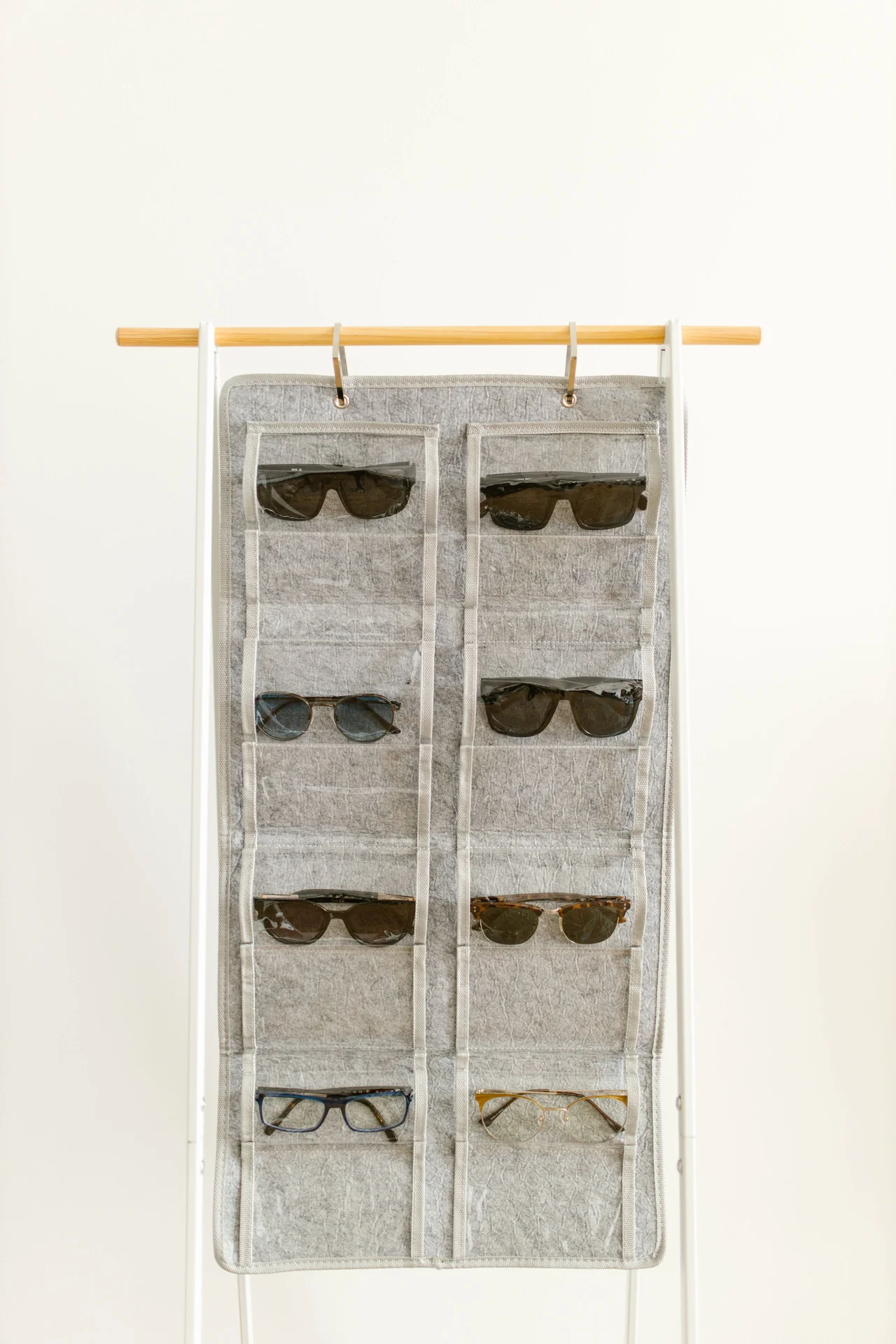
Every door in a small space is a wall you are not using. Hang organisers, hooks, and mirrors on the backs of doors, and you gain storage without losing a single inch of floor. I use door organisers in the bathroom, the bedroom, and the kitchen, and they hold an astonishing amount. The mistake to avoid is overloading a door until it will not close, because a door that does not close is not storage, it is an obstacle.
Cost: ~$10 | Time: 5 minutes
Pick Furniture on Wheels
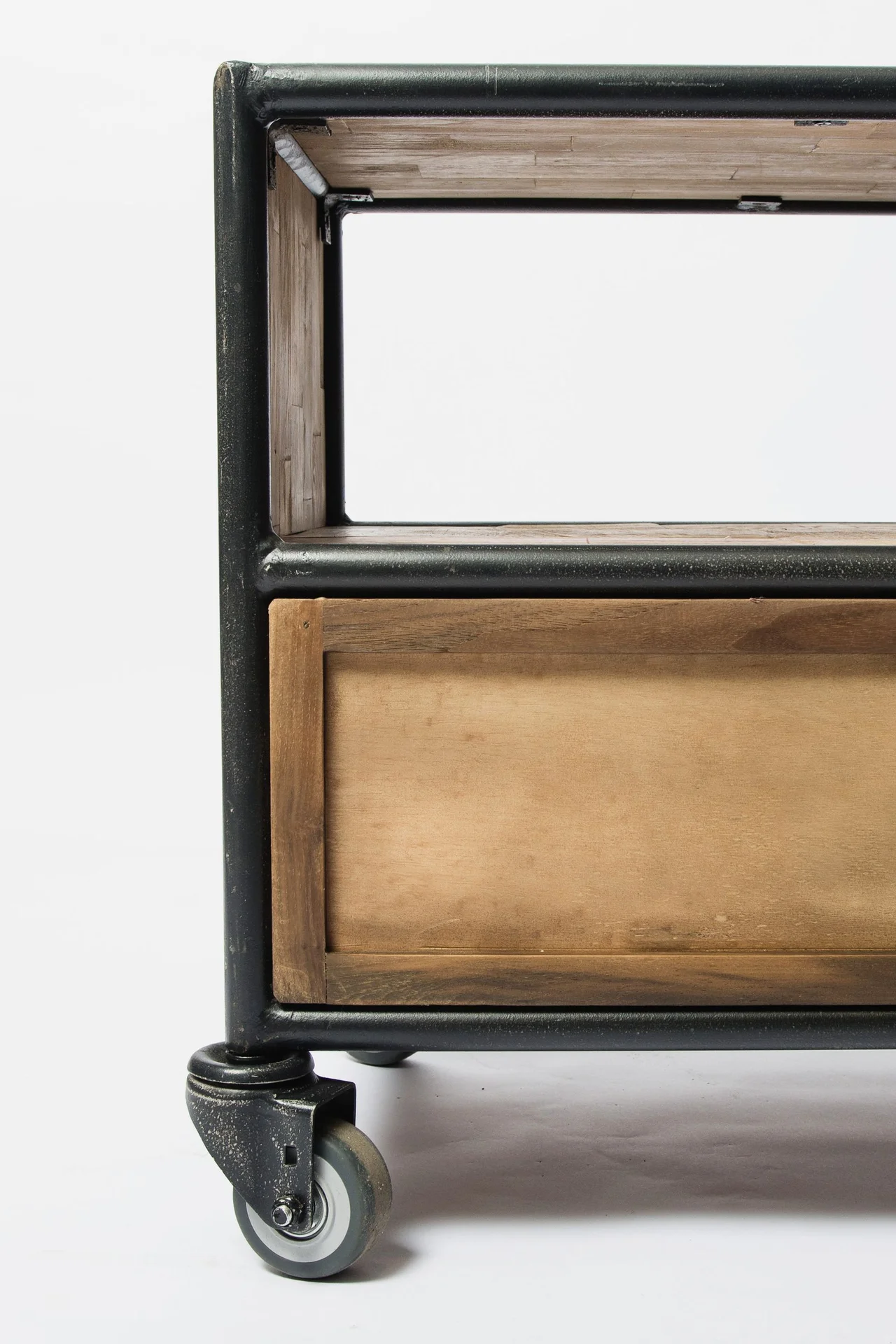
Furniture on wheels adapts to small spaces in a way fixed furniture never can. A rolling cart, a rolling island, and a rolling desk let you rearrange the room for cooking, working, or guests in minutes. I roll my desk to the window for daylight and back to the wall at night. The mistake to avoid is wheels without locks, because a desk that rolls while you type is a desk you will hate.
Cost: ~$40 | Time: 20 minutes
Use Clear Storage So You See Everything
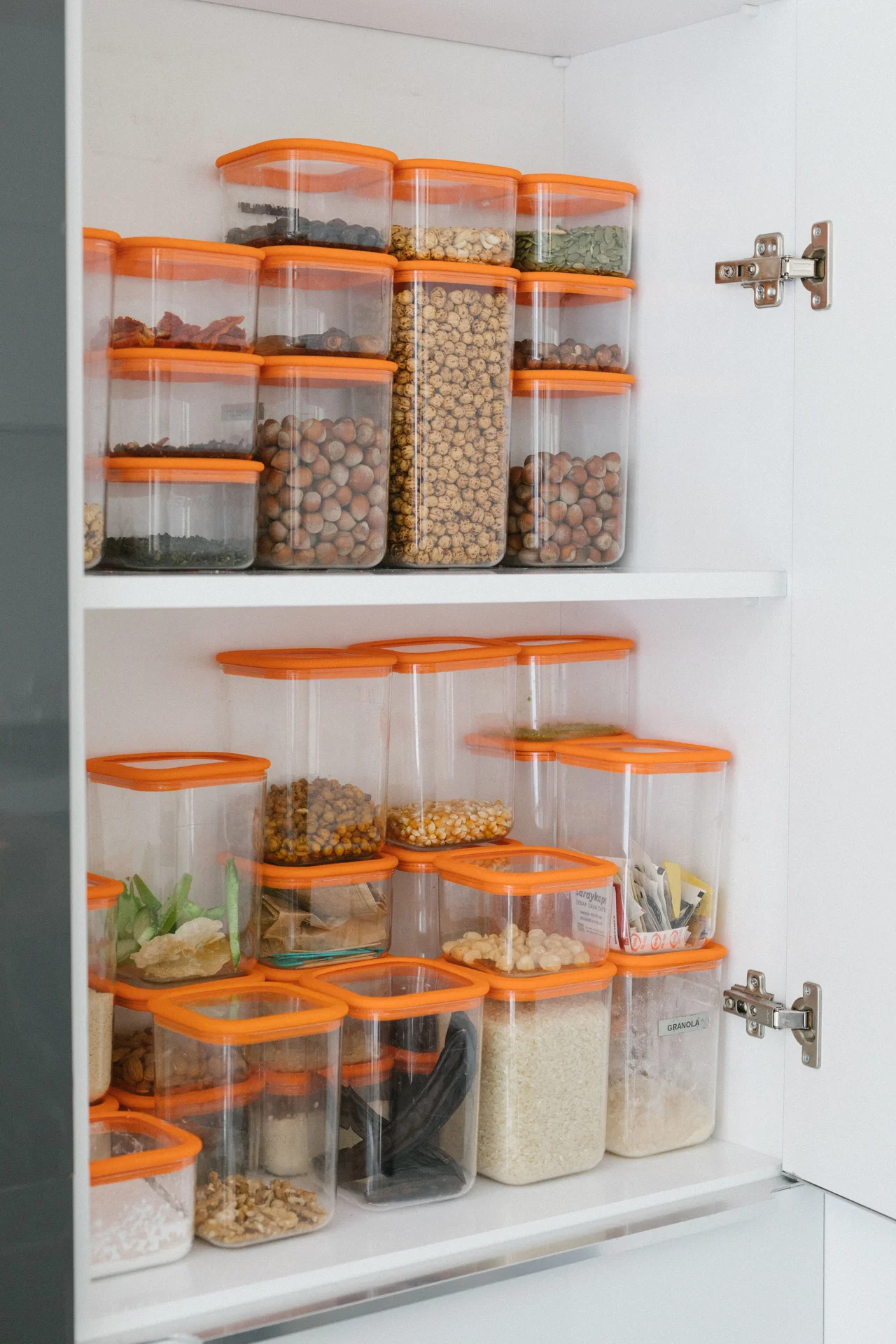
Clear bins and jars stop the “buy it again because you cannot find it” tax that small spaces charge. Use clear containers in the pantry, the fridge, and the closet, and label them anyway, because clear plus labelled beats either one alone. I cut my duplicate buying sharply after switching to clear bins. The mistake to avoid is clear bins packed so full you still cannot see inside, because then they are just expensive opaque boxes.
Cost: ~$15 | Time: 30 minutes
Fold, Roll, and File Your Clothes

Folding clothes into files you can see, instead of stacking them in piles, fits more in a drawer and stops the bottom-of-the-pile mystery. Roll soft items like T-shirts, file stiff ones upright, and sort by colour. I refolded one drawer and fit a third more in it. The mistake to avoid is refolding everything in one exhausting day, because you will quit halfway; do one drawer at a time.
Cost: ~$0 | Time: 30 minutes
(see also: 40-genius-small-space-ideas-that-double-your-room)
Mirror the Wall Opposite the Window
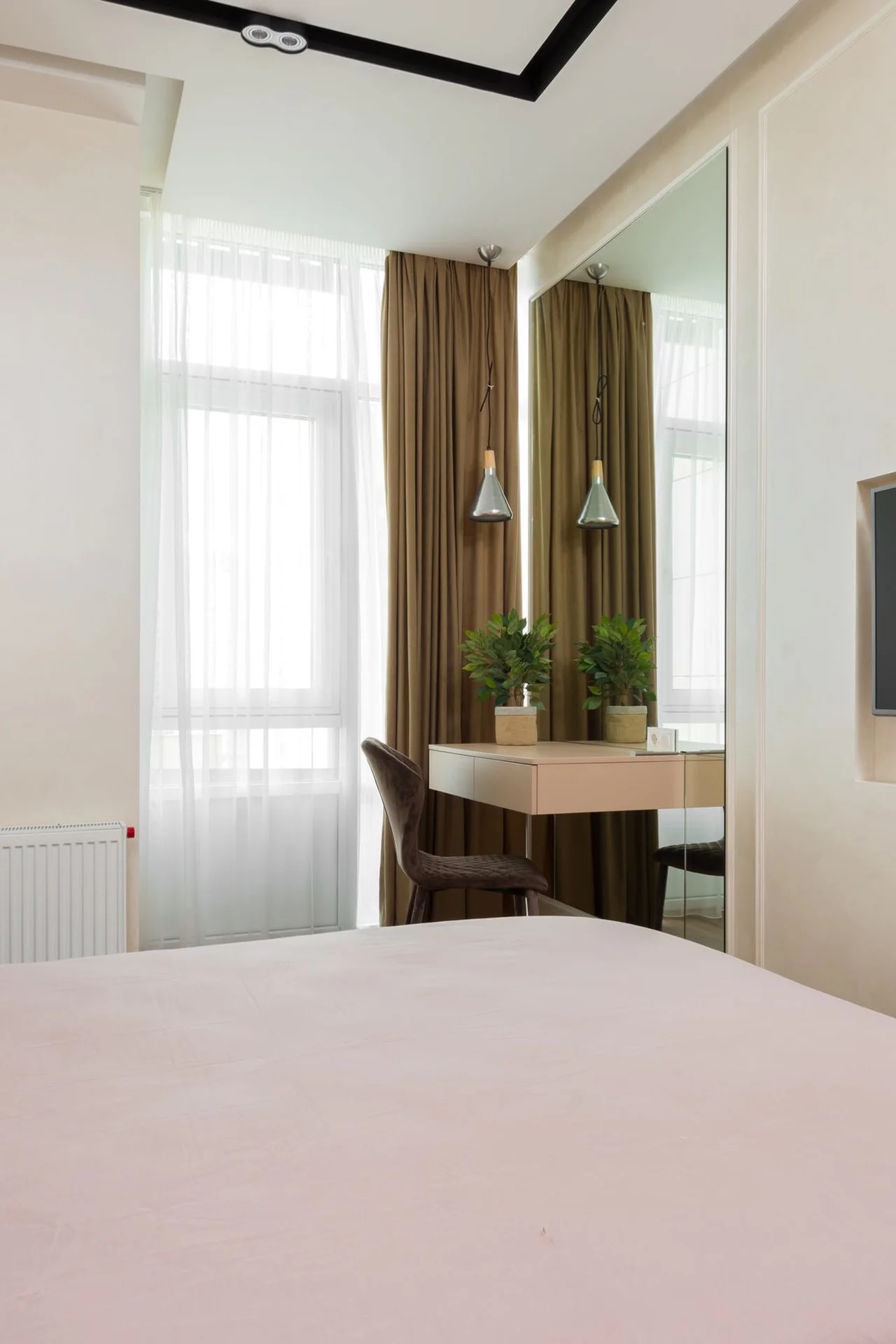
A mirror opposite the window doubles daylight and depth in one move, and it is the cheapest renovation a small room can get. Hang a large mirror securely, angle it to catch the sky, and watch the room brighten. I leaned a full-length mirror opposite my studio window and stopped using the ceiling light during the day. The mistake to avoid is a mirror facing a messy corner, because it doubles the mess, too. Save this idea if your room feels dark.
Cost: ~$30 | Time: 15 minutes
Choose a Sofa Bed for Guests
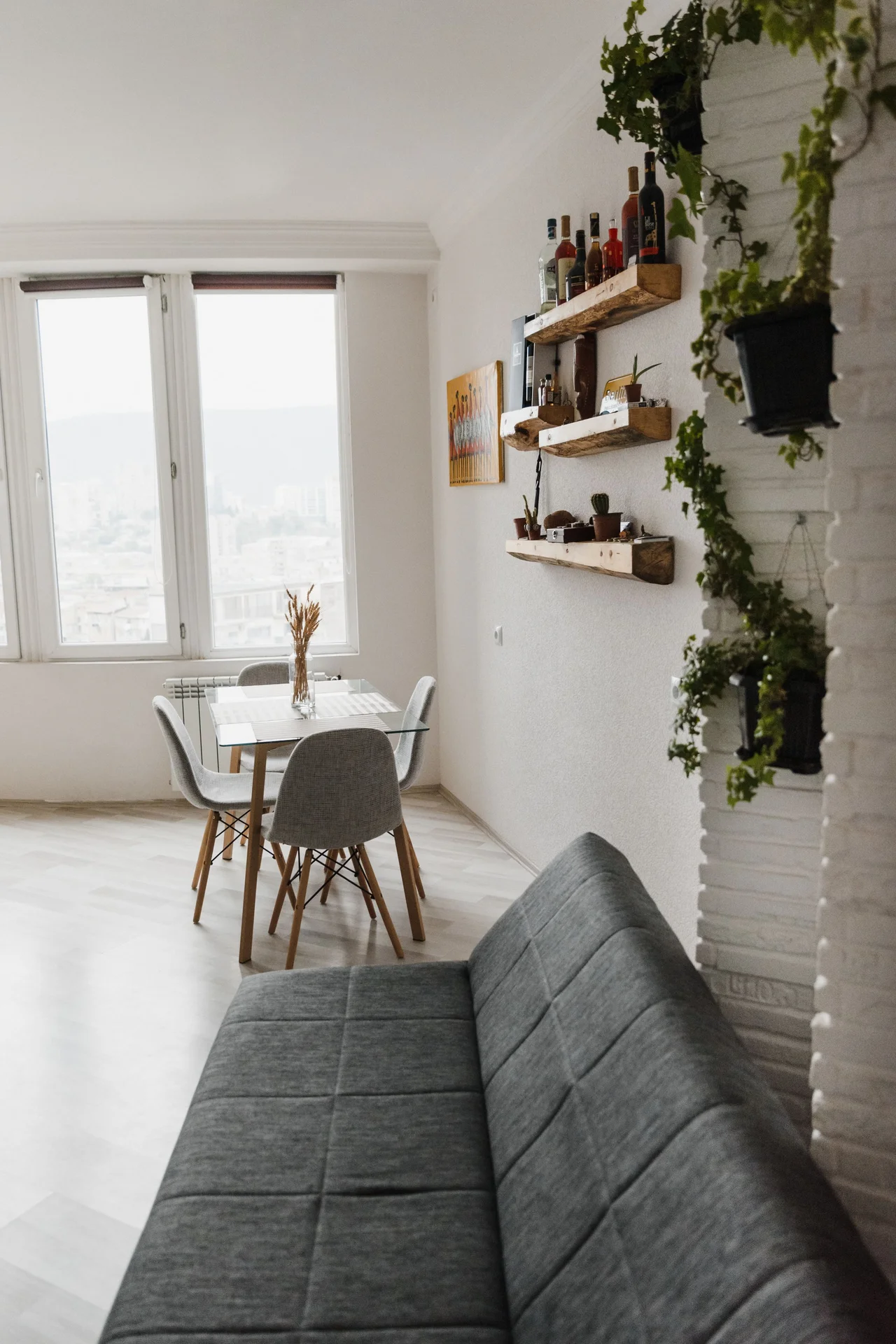
A sofa bed means guests sleep comfortably without a guest room, and you keep your living room the rest of the year. Pick one with a proper mattress, not a thin fold-out, and test it yourself before anyone sleeps on it. I hosted friends for years on a good sofa bed and nobody complained. The mistake to avoid is a cheap sofa bed that is uncomfortable as both a sofa and a bed, because then it fails at both jobs.
Cost: ~$300 | Time: 45 minutes
Use a Curtain to Create a Room
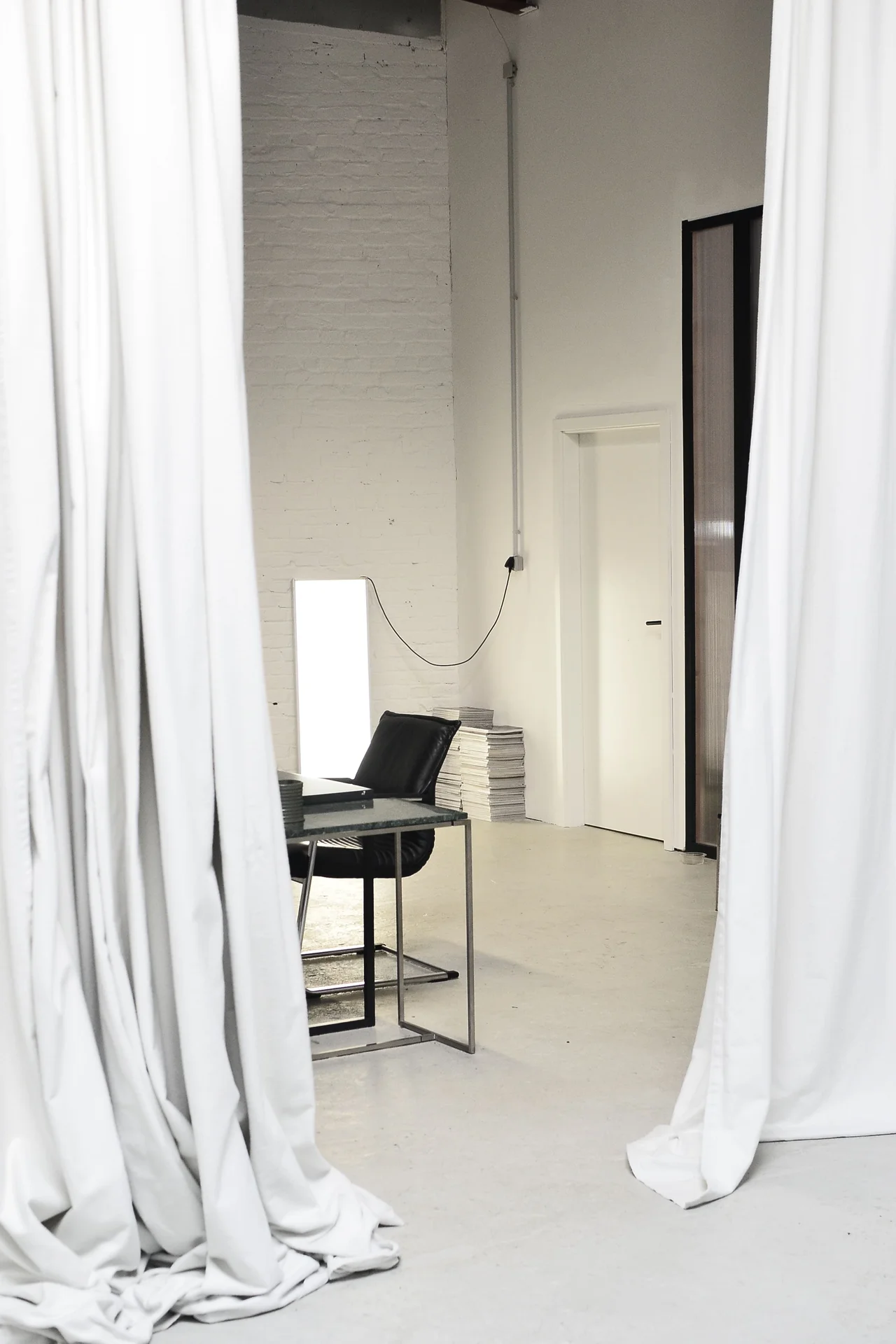
A ceiling-track curtain divides a studio into rooms without building anything, and it costs a fraction of a wall. Hang a heavy curtain across the space, pull it closed at night, and open it in the morning for light. I divided my studio this way and guests finally felt like they were in a living room, not my bedroom. The mistake to avoid is sheer fabric, which divides nothing and just looks like a laundry line.
Cost: ~$35 | Time: 45 minutes
Stack Storage Up to the Ceiling
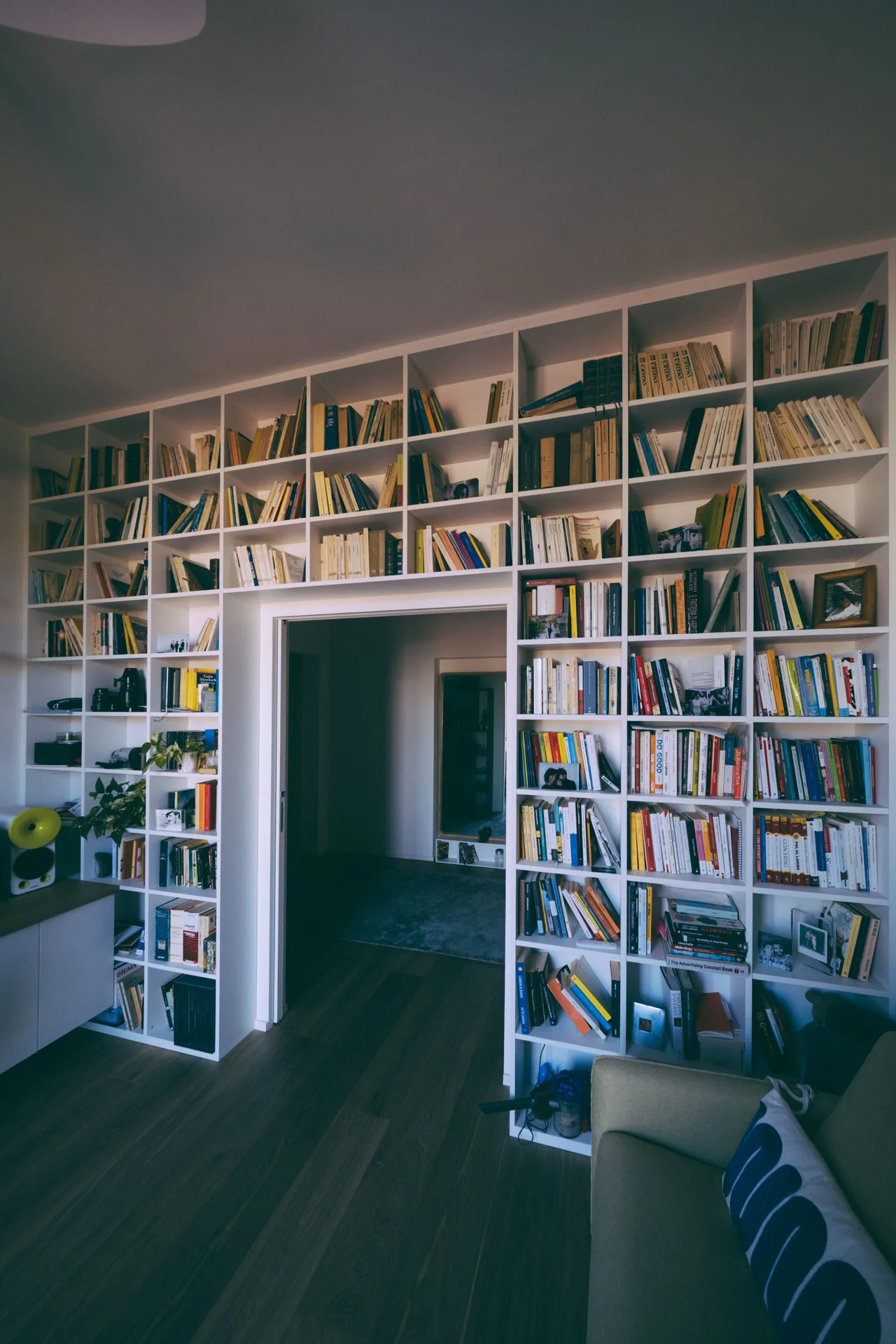
Small rooms waste the top two feet of every wall, but shelves up there hold rarely-used items perfectly. Fit one high shelf in each room, use baskets so it looks tidy, and keep a step stool nearby. I put camping gear and photo boxes up high and freed a whole closet. The mistake to avoid is storing daily items up there, because climbing for them every morning gets old fast.
Cost: ~$20 | Time: 40 minutes
Use the Space Under the Stairs
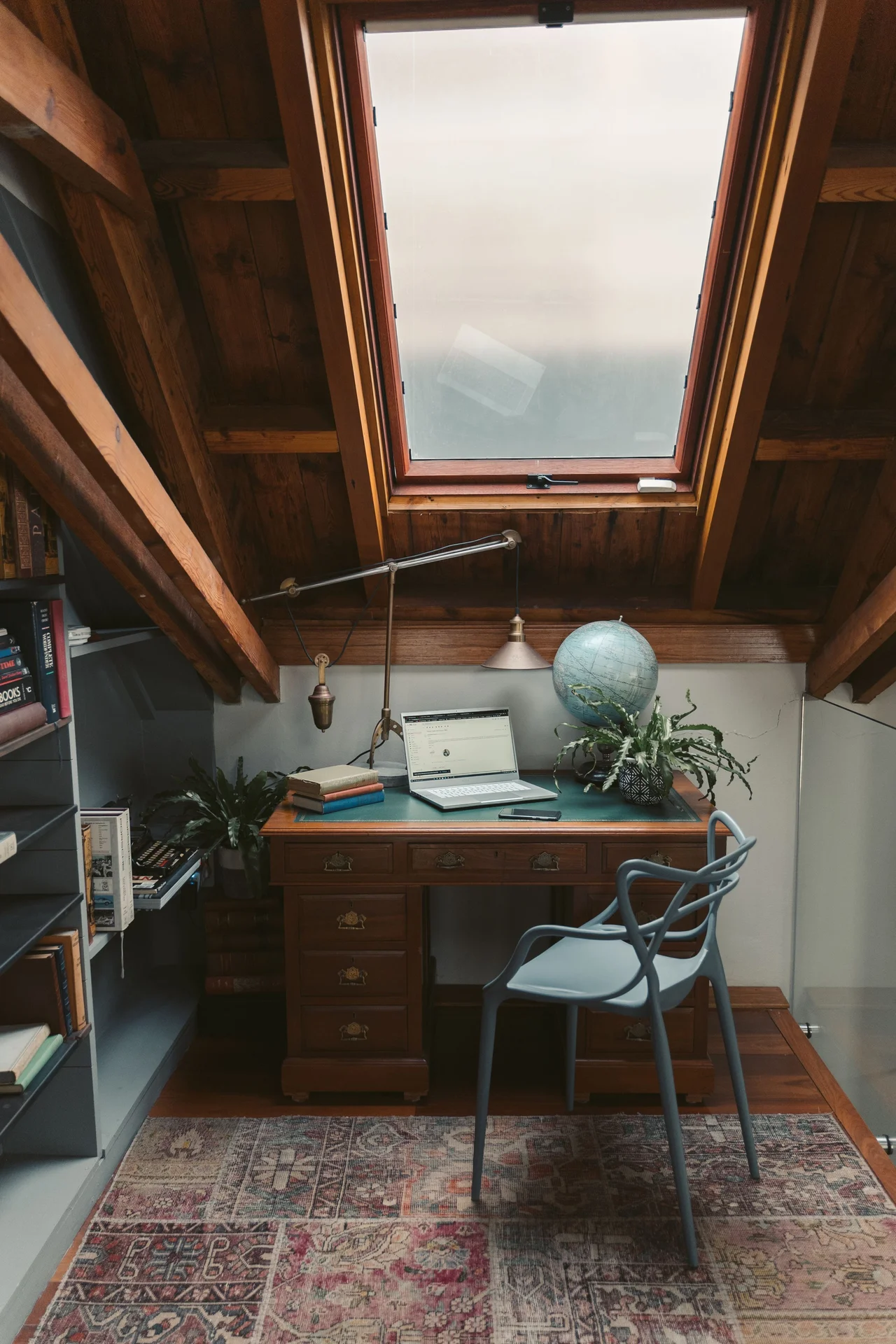
If you have stairs, the space underneath is a closet, a desk nook, or a reading corner waiting to happen. Fit shelves, a small desk, or pull-out drawers, and the dead triangle becomes the most useful spot in the flat. I built a desk under the stairs in one flat and it was my favourite workspace ever. The mistake to avoid is leaving it as a dumping ground, because then it is not storage, it is a cupboard of guilt.
Cost: ~$40 | Time: 90 minutes
Hang a Pegboard in the Kitchen
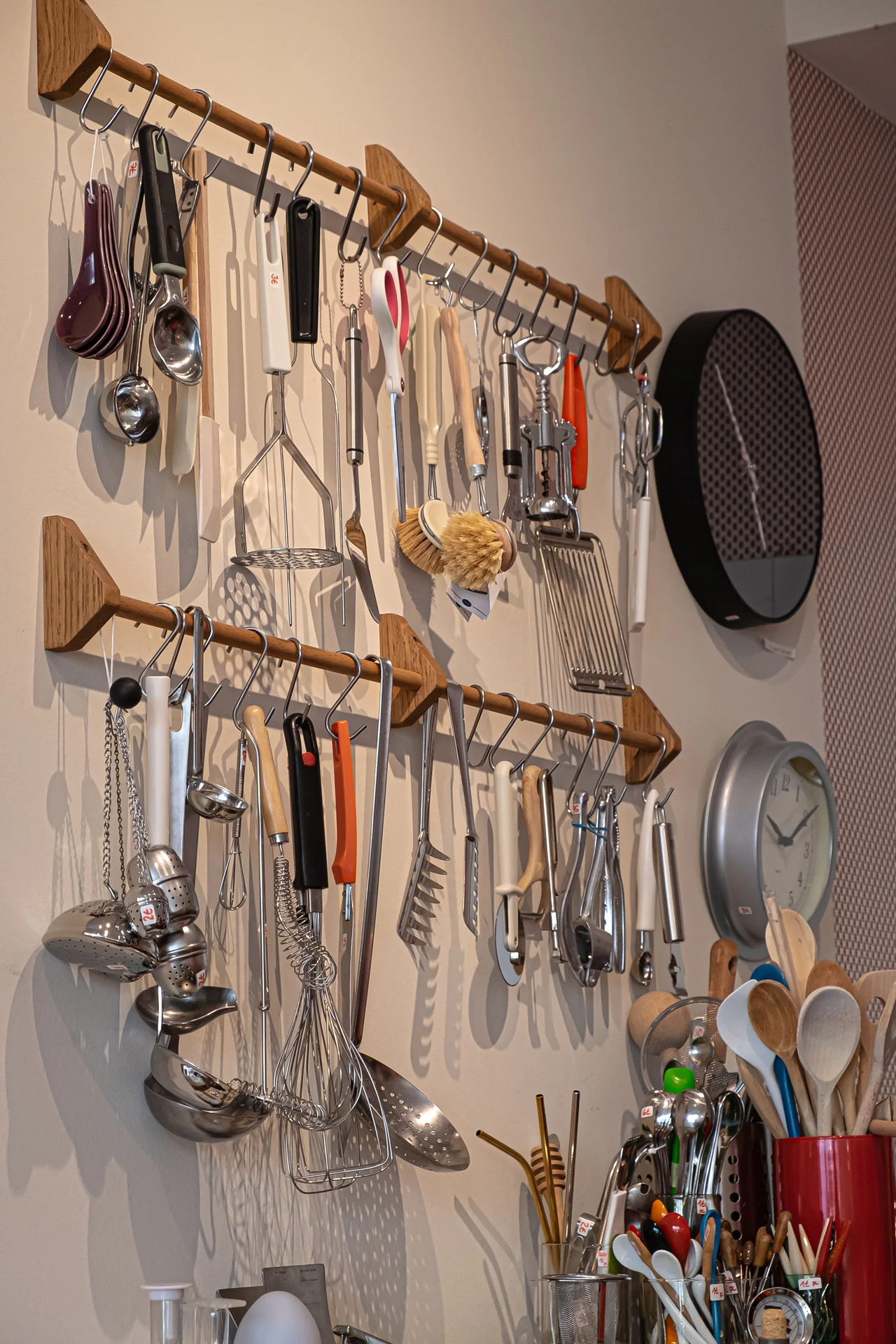
A pegboard on a kitchen wall holds utensils, pans, and tools in plain sight, and it costs far less than new cabinets. Hang it with spacers behind it, arrange hooks as your collection changes, and empty two drawers in an afternoon. I covered a blank wall with pegboard and my counters finally stayed clear. The mistake to avoid is hanging it without spacers, because hooks need room to grip.
Cost: ~$28 | Time: 60 minutes
Use a Bar Cart as a Moving Side Table
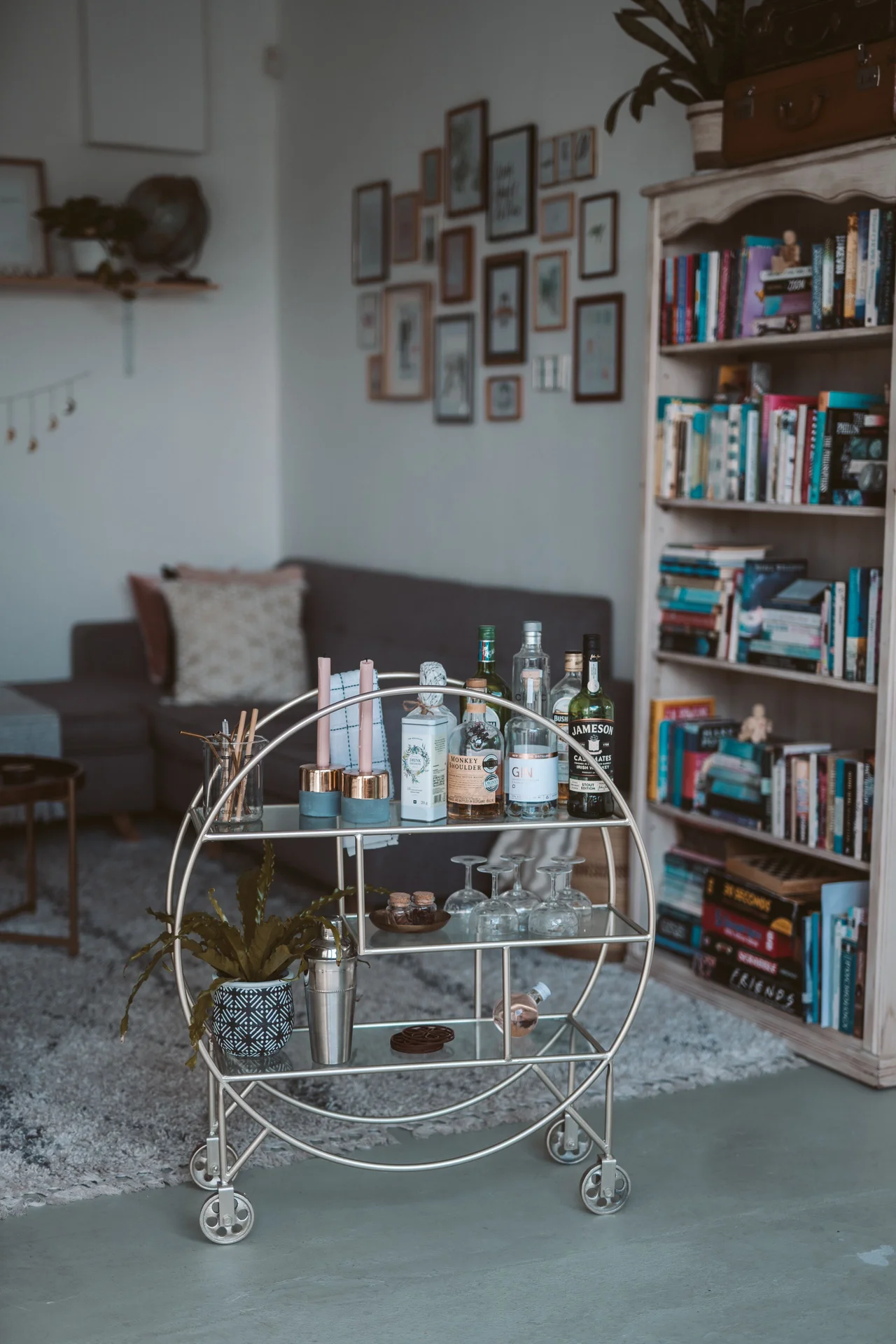
A bar cart moves wherever you need a surface, beside the sofa, beside the bed, or in the kitchen while you cook. Pick one with a rail so things do not slide off, and keep it stocked with what you use daily. I use mine as a coffee station in the morning and a side table at night. The mistake to avoid is letting it become a dumping ground for mail, because then it stops being useful.
Cost: ~$40 | Time: 15 minutes
Swap Big Art for a Gallery Ledge
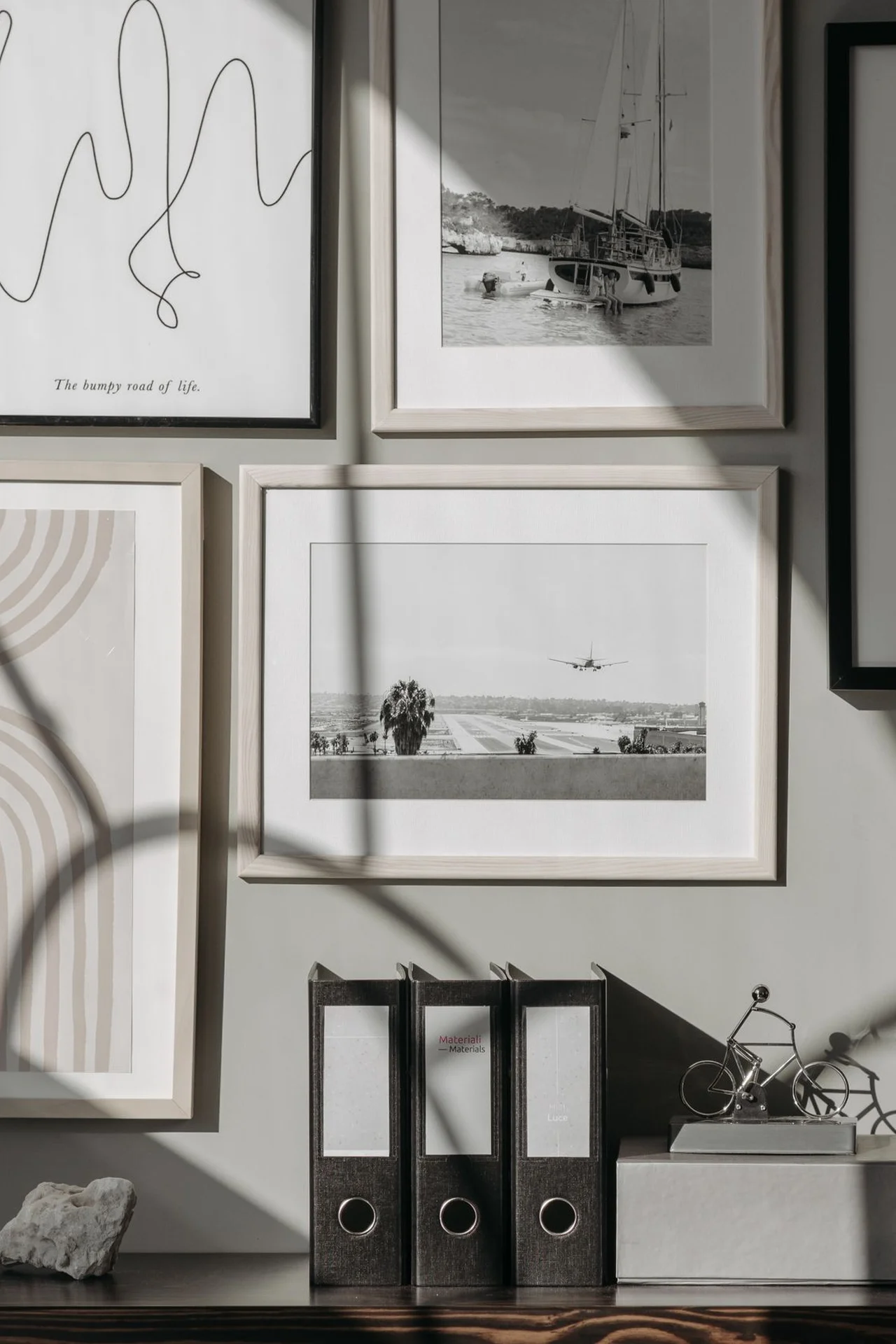
A gallery ledge holds several small frames in the space of one big piece, and you can swap art without new holes. Fit a ledge near the ceiling, lean frames on it, and change the display whenever you like. I ran a ledge in my hallway and finally displayed all my prints. The mistake to avoid is overloading it with heavy frames, because ledges at height need light frames and secure fixings.
Cost: ~$18 | Time: 30 minutes
Use Baskets to Hide Everyday Clutter
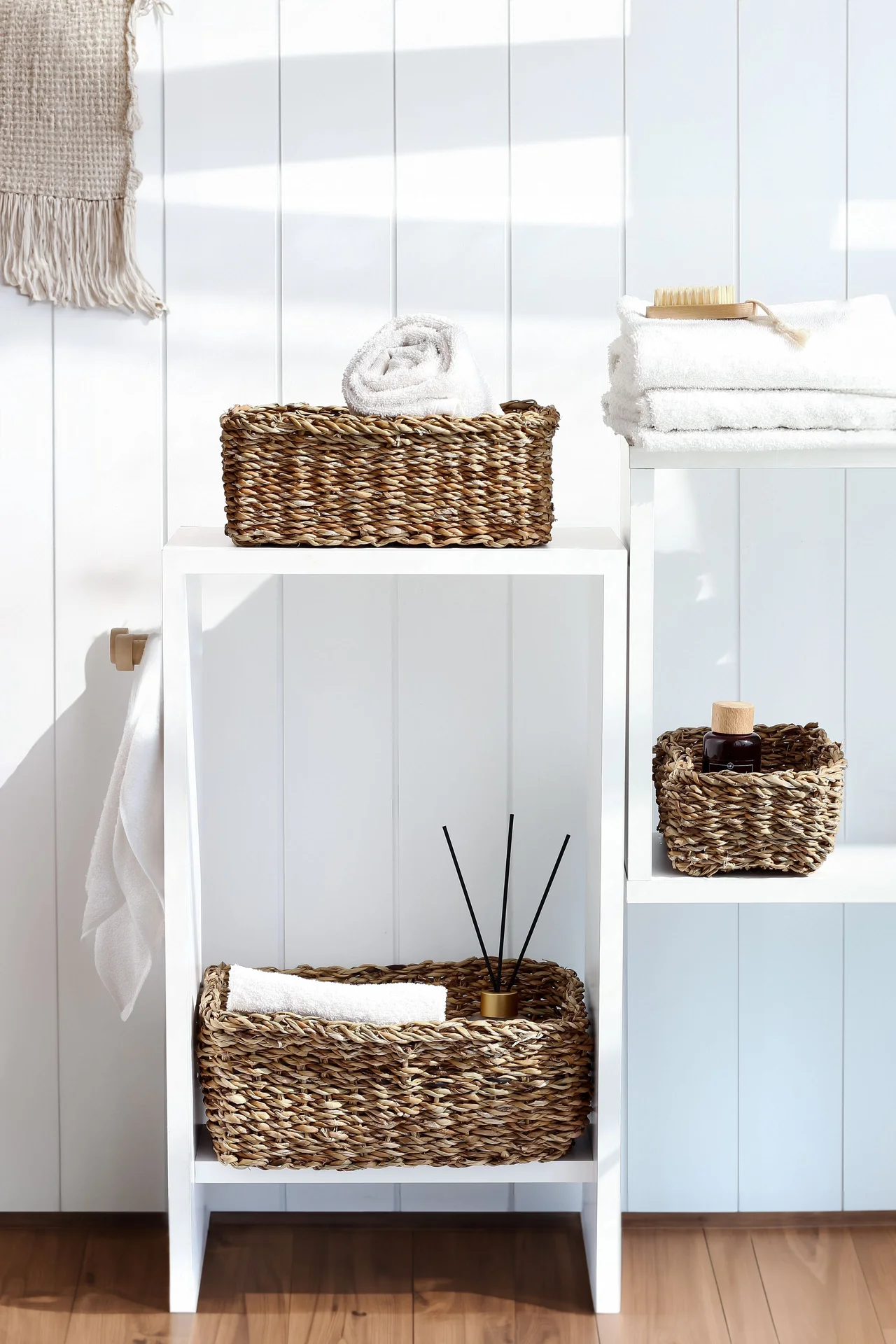
Baskets are the fastest tidy-up in a small space: one basket per category, chargers, remotes, dog toys, and everything has a home that looks good. Keep baskets on shelves and under tables, and do a five-minute sweep into them each evening. I keep three baskets in my living room and the room looks tidy even on busy days. The mistake to avoid is baskets without categories, because one giant basket is just a tidy-looking pile.
Cost: ~$20 | Time: 10 minutes
Put a Shelf in Every Dead Corner
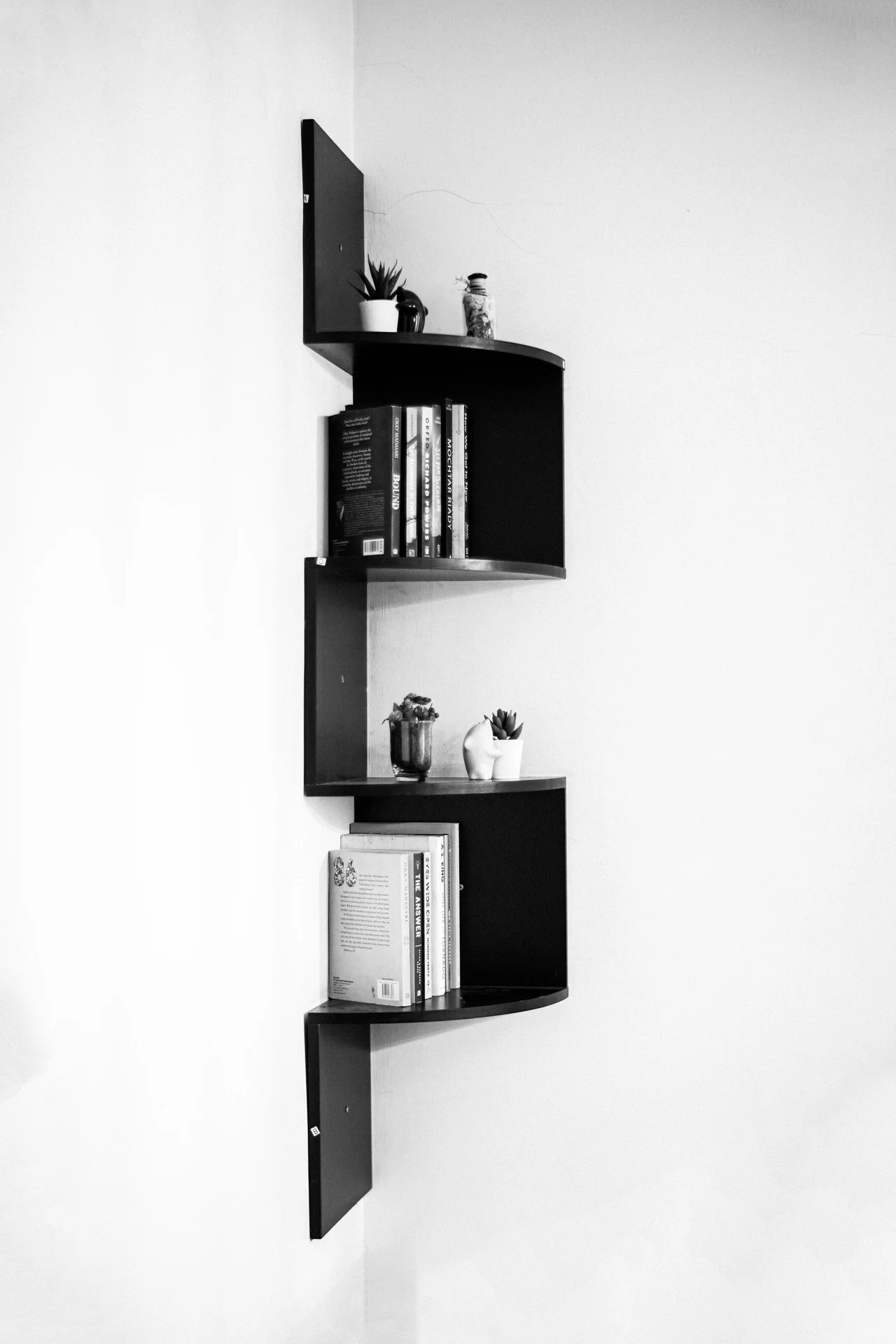
Dead corners, above doors, beside fridges, at the end of hallways, all hold a small shelf that turns wasted space into storage. Fit a corner shelf or a single bracket shelf, and use it for books, plants, or supplies. I shelved three dead corners in one flat and gained a surprising amount of storage. The mistake to avoid is a shelf so deep it blocks a walkway, because storage that trips you is not storage.
Cost: ~$15 | Time: 30 minutes
(see also: 40-genius-small-space-ideas-worth-stealing)
Choose Light Colours for Walls and Floors
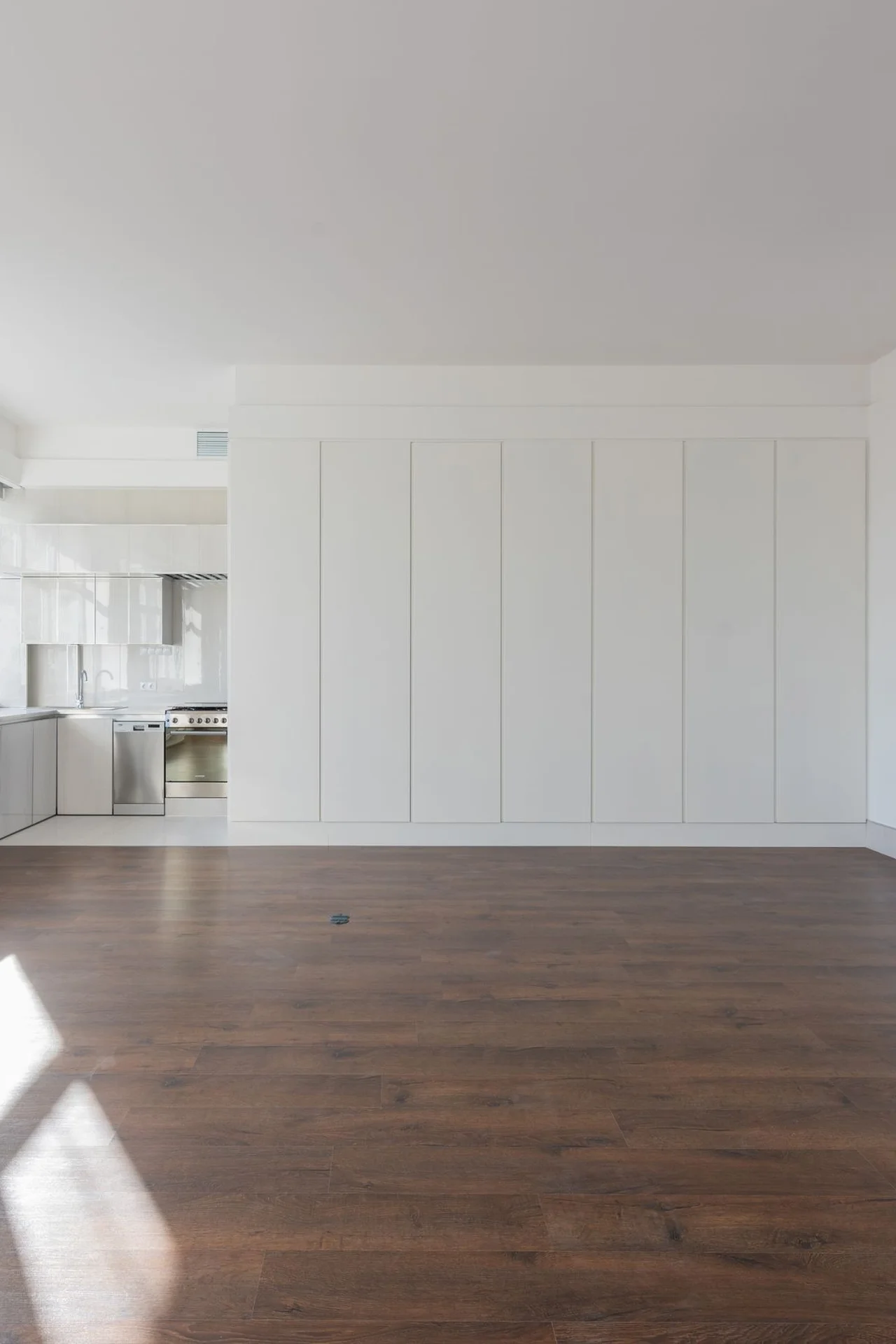
Light walls and floors bounce light around a small space and make it feel bigger, while dark ones absorb light and close it in. If you cannot paint, use light rugs, light bedding, and light curtains to get most of the effect for free. I switched a dark flat to pale tones and it felt like moving to a bigger place. The mistake to avoid is all-white everything, because a room with no contrast feels like a hospital, not a home.
Cost: ~$30 | Time: 90 minutes
Use a Daybed as a Sofa by Day
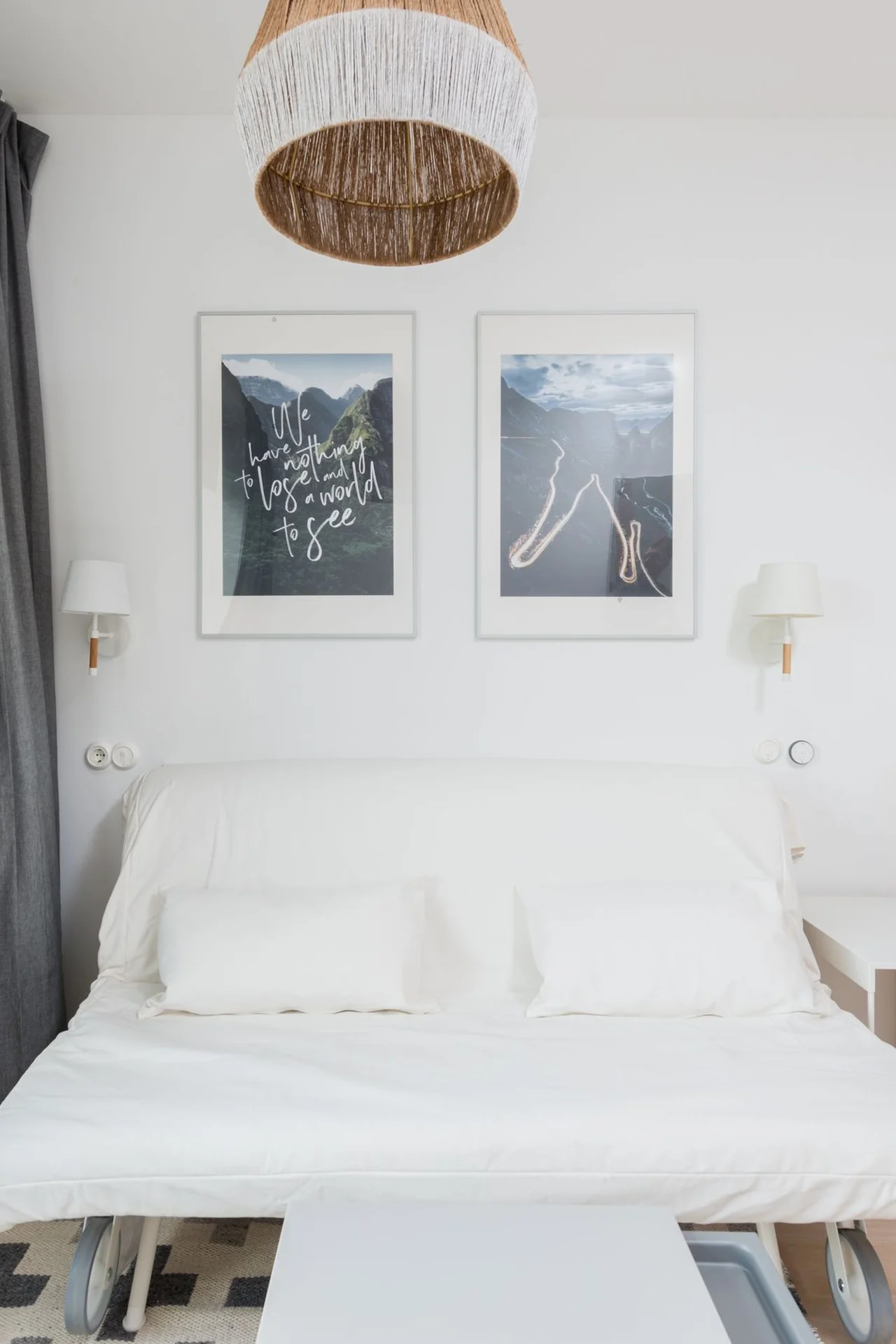
A daybed with firm cushions along the wall is a sofa by day and a bed by night, which is exactly what a studio needs. Dress it with a fitted sheet and big cushions, and guests will sit on it without realising it is your bed. I slept on one for two years and never felt like I lived in a bedroom. The mistake to avoid is soft, saggy pillows as the backrest, because they slide everywhere by evening.
Cost: ~$150 | Time: 45 minutes
Hang Plants From the Ceiling
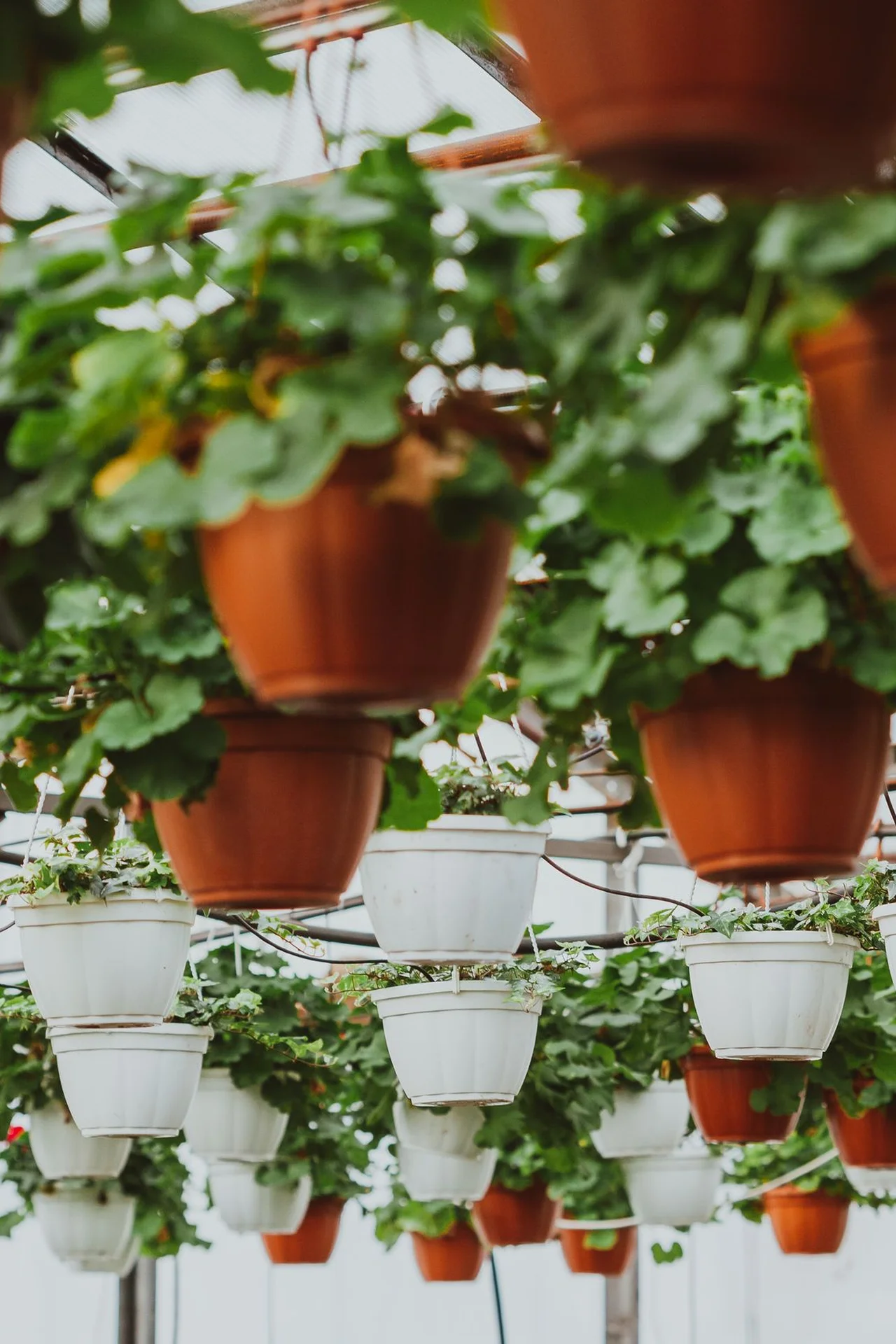
Plants on the floor eat space, but plants hung from the ceiling add life at eye level and above, where space is free. Use lightweight pots, proper ceiling anchors, and trailing plants that look good from below. I hung three pothos in a corner and the room felt like a jungle without losing a step of floor. The mistake to avoid is heavy ceramic pots on weak hooks, because they come down eventually.
Cost: ~$20 | Time: 30 minutes
Use a Folding Desk That Disappears
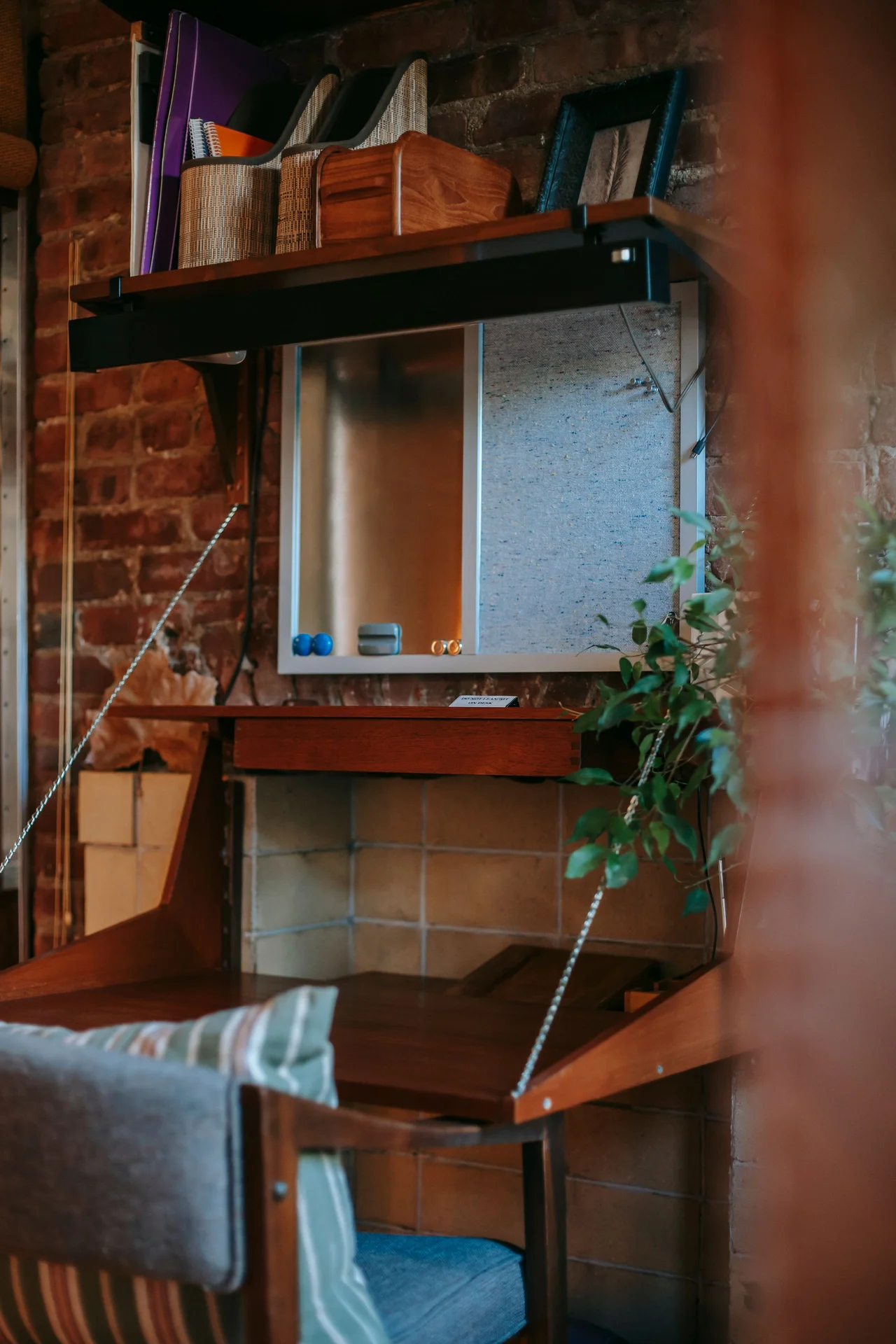
A fold-down wall desk gives you a workspace that vanishes when work ends, which is perfect for small spaces where work and home share a room. Mount it at elbow height on studs, fold it up at 6 p.m., and the room becomes a home again. I worked from one for a year and loved closing it like an office door. The mistake to avoid is mounting it too low, because you will hunch over it and your back will complain.
Cost: ~$70 | Time: 60 minutes
Store Luggage Inside Luggage
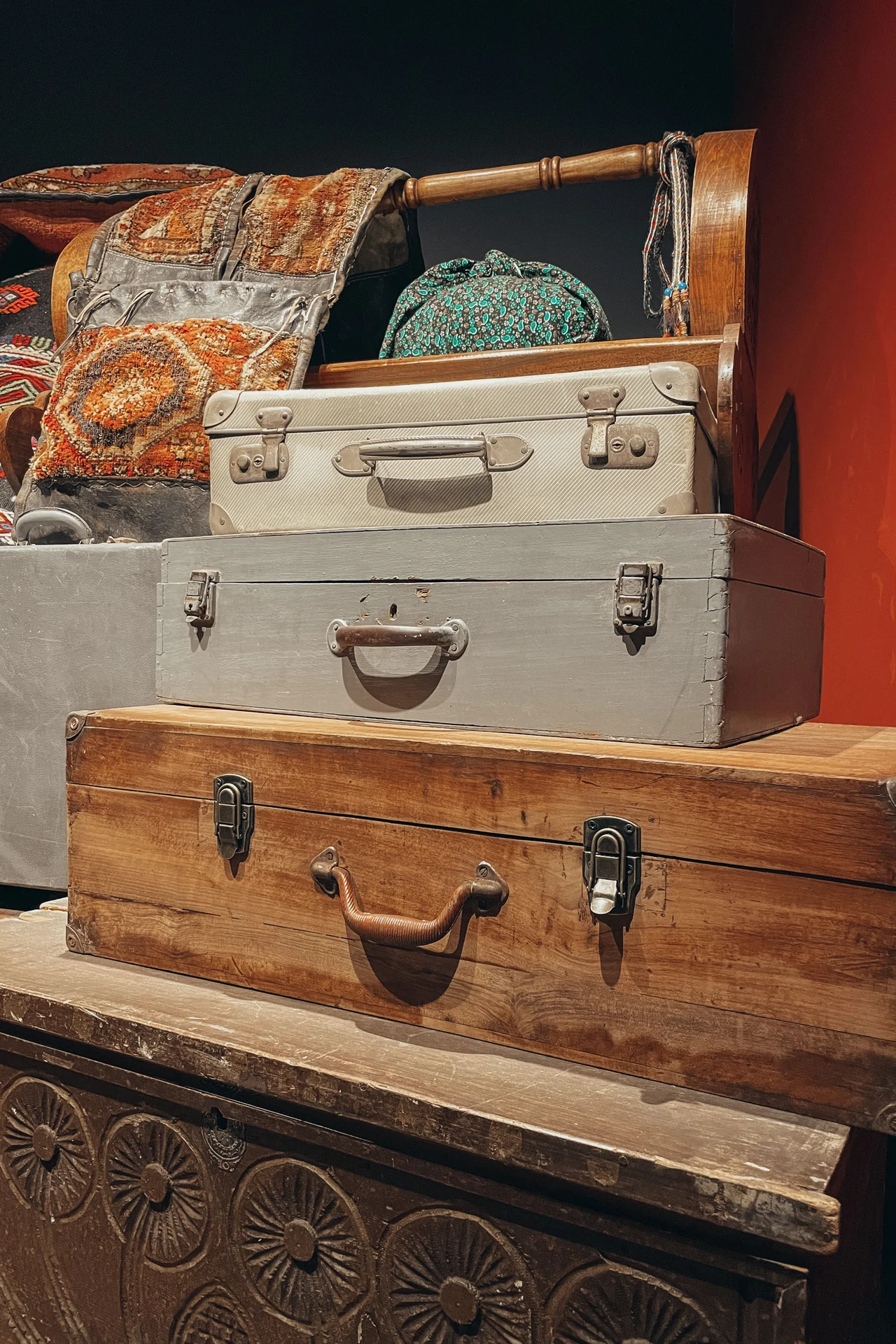
Nesting suitcases inside each other, and storing out-of-season clothes inside the smallest one, turns bulky luggage into useful storage. Keep the nested set in a closet or under the bed, and it holds a surprising amount. I store winter coats in my smallest suitcase and it lives under the bed all summer. The mistake to avoid is storing empty suitcases separately, because three suitcases take three times the space of one nested set.
Cost: ~$0 | Time: 15 minutes
Use a Shower Caddy That Hangs Over the Door
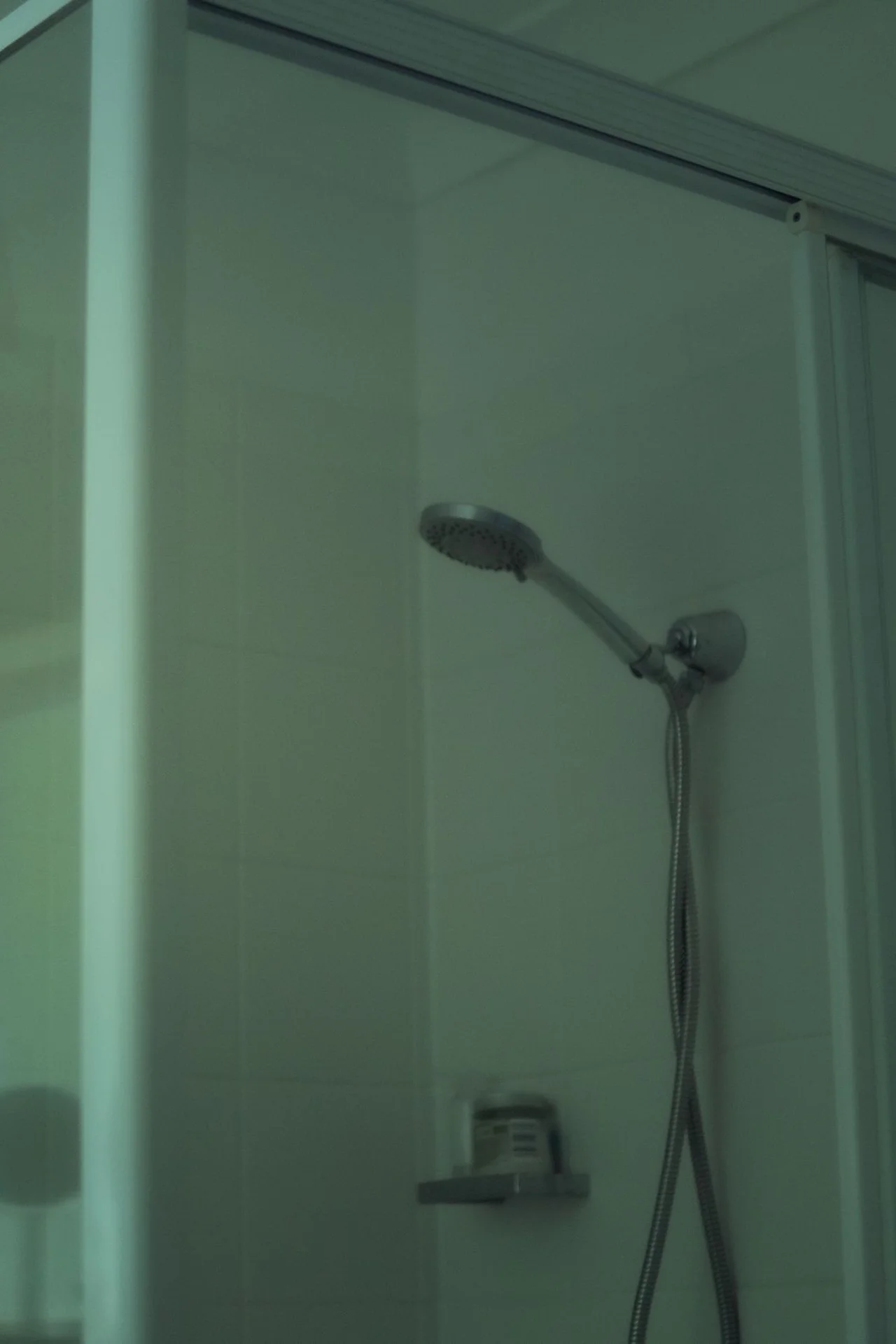
An over-door shower caddy holds bottles without drilling into tile, and it moves with you when you move flats. Hang it over the shower door or the bathroom door, and keep daily bottles in it and spares under the sink. I used one in every rental and never drilled a bathroom wall. The mistake to avoid is a caddy overloaded with full bottles, because it swings and bangs the door.
Cost: ~$12 | Time: 5 minutes
Keep a Donation Box by the Door
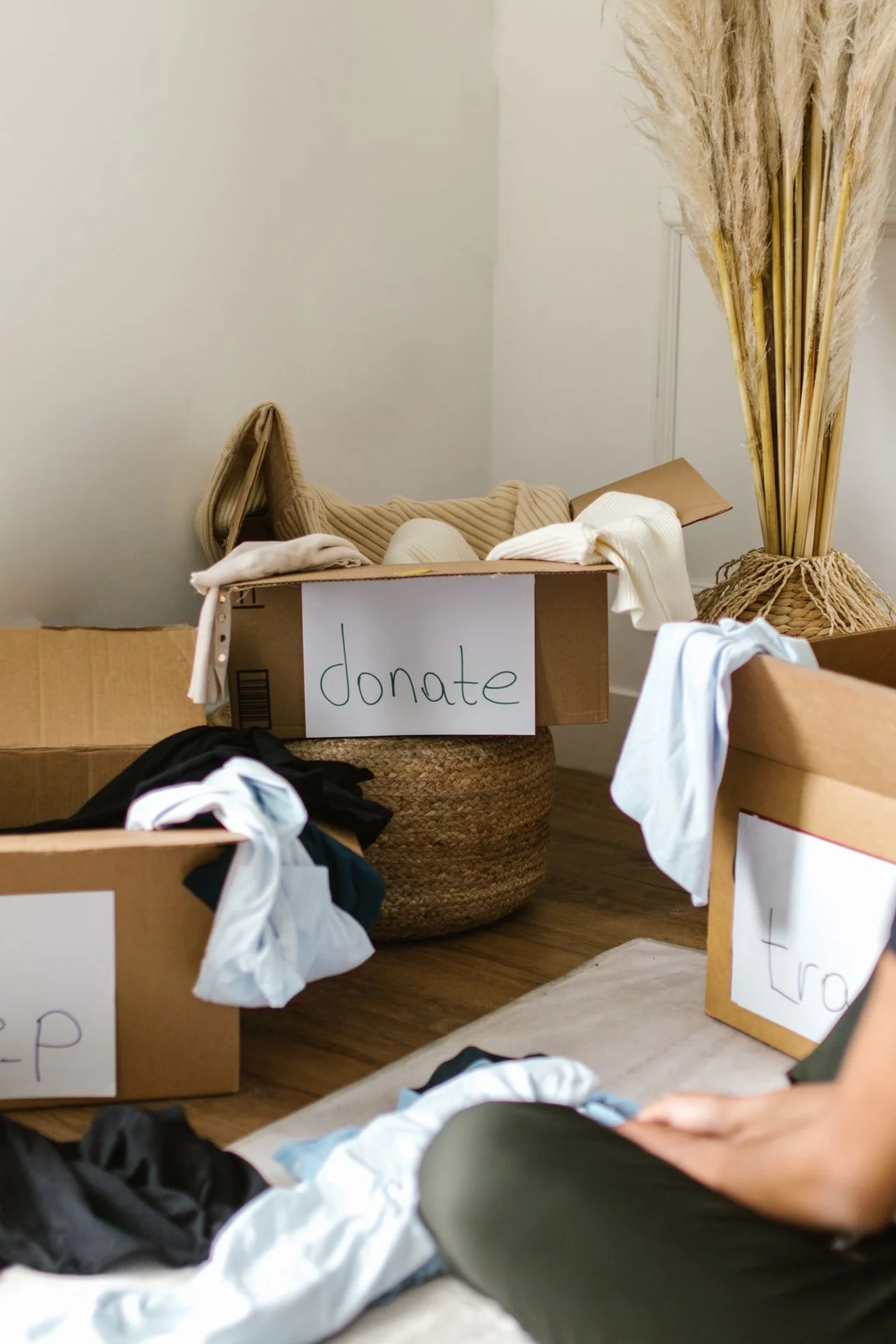
A donation box by the door makes decluttering continuous instead of a yearly crisis. Whenever something stops earning its space, drop it in the box, and take the box when it is full. Small spaces only stay liveable if things leave regularly. I started this habit and my flat finally stopped growing clutter. The mistake to avoid is a box you never take, because then it is just another pile by the door.
Cost: ~$0 | Time: 5 minutes
Use Multi-Use Furniture Everywhere
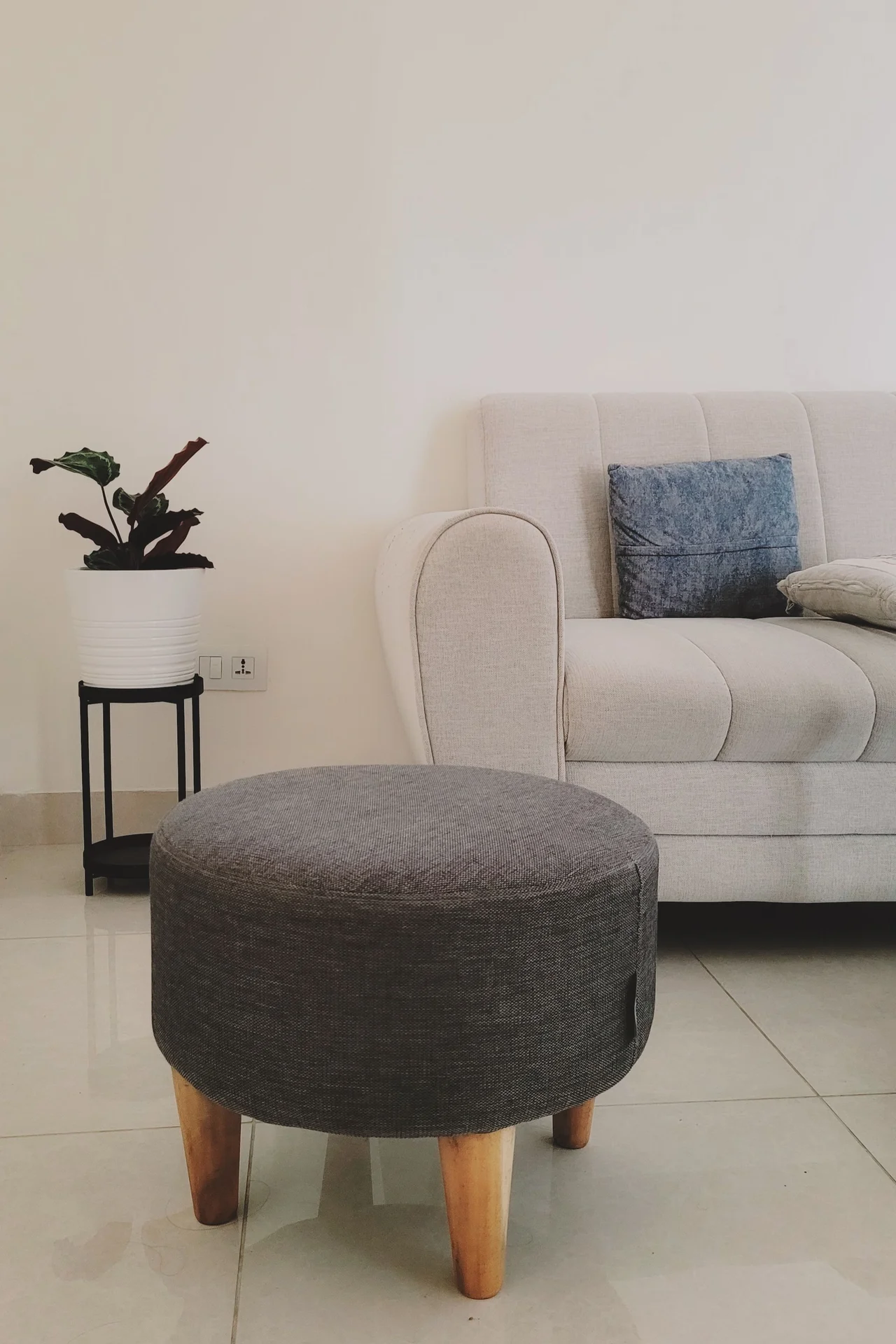
In a small space, every piece of furniture should do at least two jobs: an ottoman that stores blankets, a bench that holds shoes, a table that folds away. When you shop, ask what else it does, and skip anything with only one job. I replaced three single-use pieces with two multi-use ones and gained a walkway. The mistake to avoid is multi-use furniture that does both jobs badly, because a bad bed and a bad sofa is worse than one good one.
Cost: ~$50 | Time: 20 minutes
Hang a Clothes Rail in an Alcove
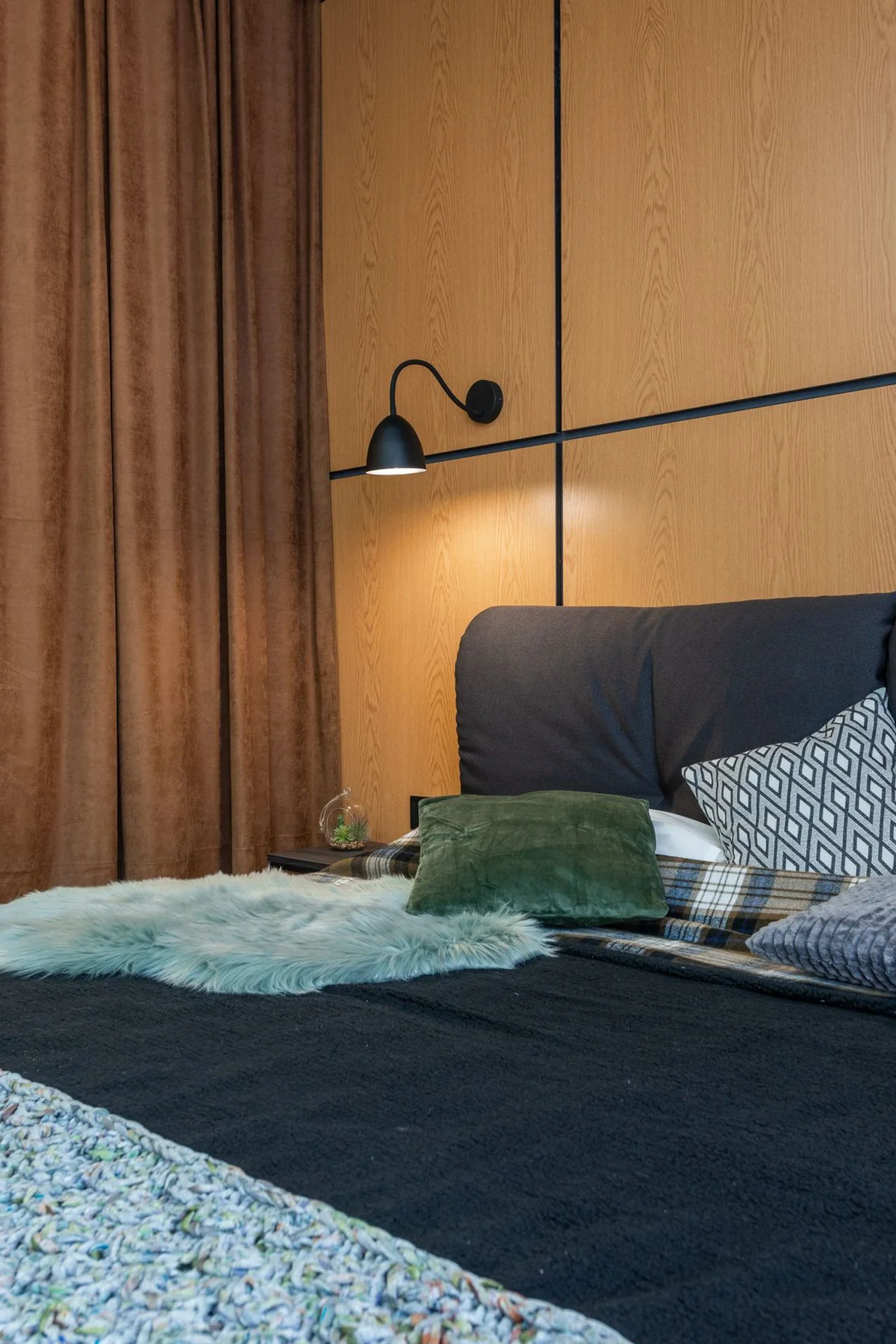
An alcove with a clothes rail and a curtain becomes a wardrobe without any carpentry, and it costs very little. Fit a rail across the alcove, hang a curtain in front, and add a shoe rack below. I turned a weird alcove in one flat into the best closet I ever had. The mistake to avoid is a rail fixed to weak plasterboard without anchors, because a rail full of clothes is heavy.
Cost: ~$25 | Time: 45 minutes
Use the Top of the Wardrobe
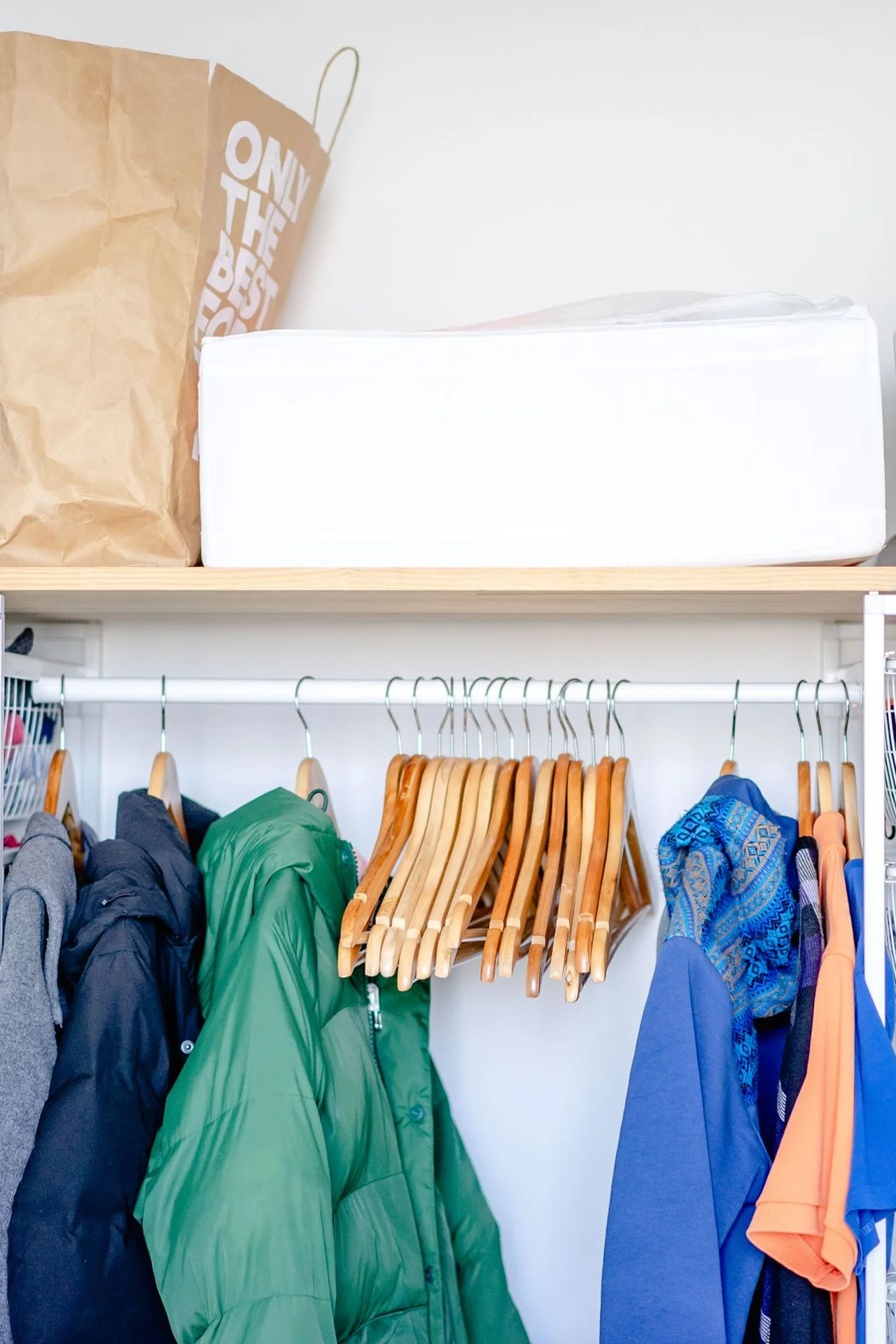
The top of a wardrobe holds suitcases, memory boxes, and rarely-used items that otherwise live on the floor. Use baskets so it looks tidy from below, and keep a step stool nearby. I moved my camping gear to the wardrobe top and freed a whole shelf. The mistake to avoid is piling things so high they fall when you open the wardrobe, because that is how injuries happen.
Cost: ~$15 | Time: 20 minutes
(see also: 21-micro-apartment-ideas-on-a-budget)
Put Wheels on Your Storage Boxes
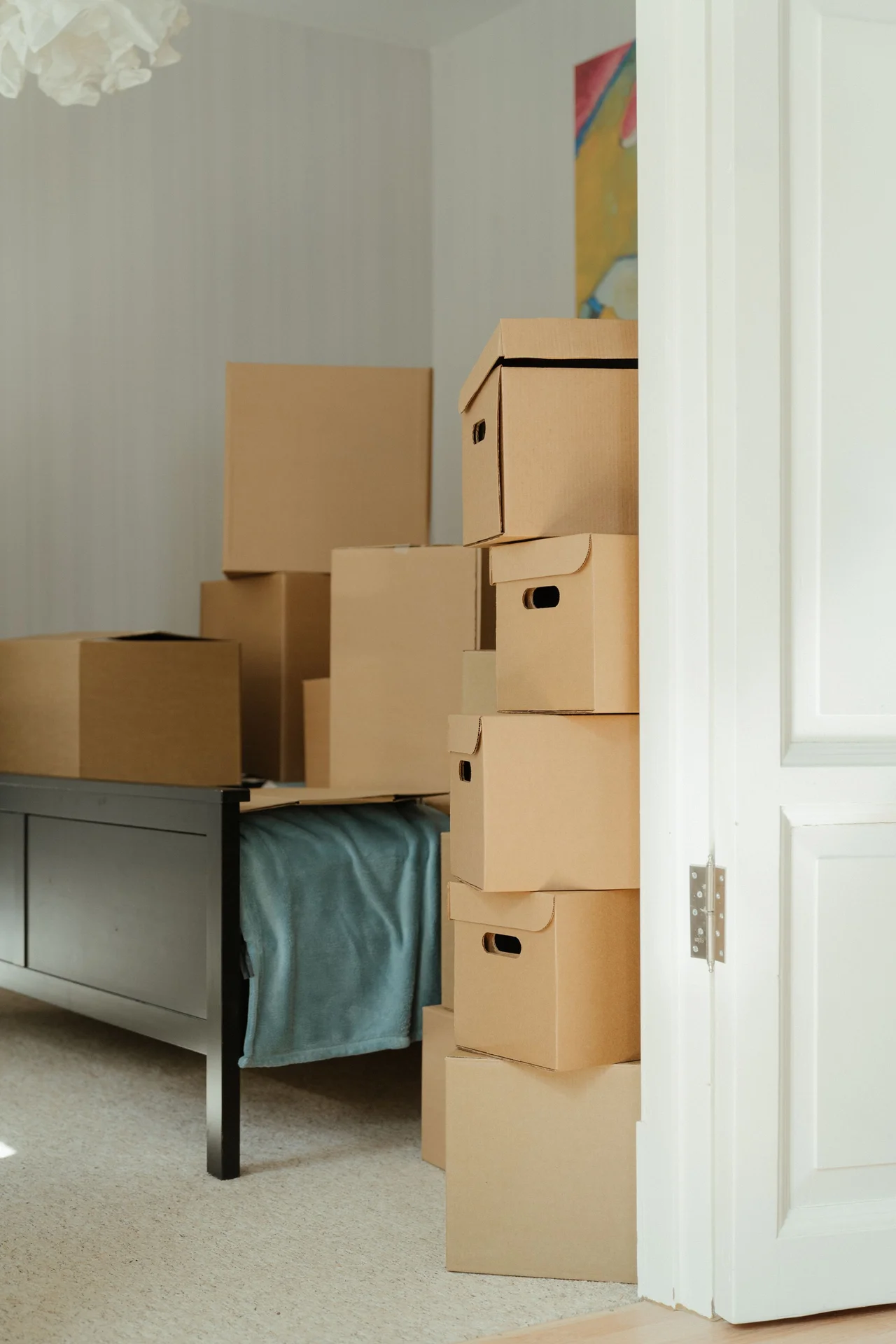
Boxes on wheels slide under beds and out of closets without a wrestling match, which means you actually use the storage instead of avoiding it. Add stick-on castors to flat boxes, or buy boxes with wheels built in, and label the ends. I wheeled my under-bed storage for the first time in years after adding castors. The mistake to avoid is wheels too small for carpet, because tiny wheels sink and stick.
Cost: ~$10 | Time: 15 minutes
Use a Room Divider That Stores Things
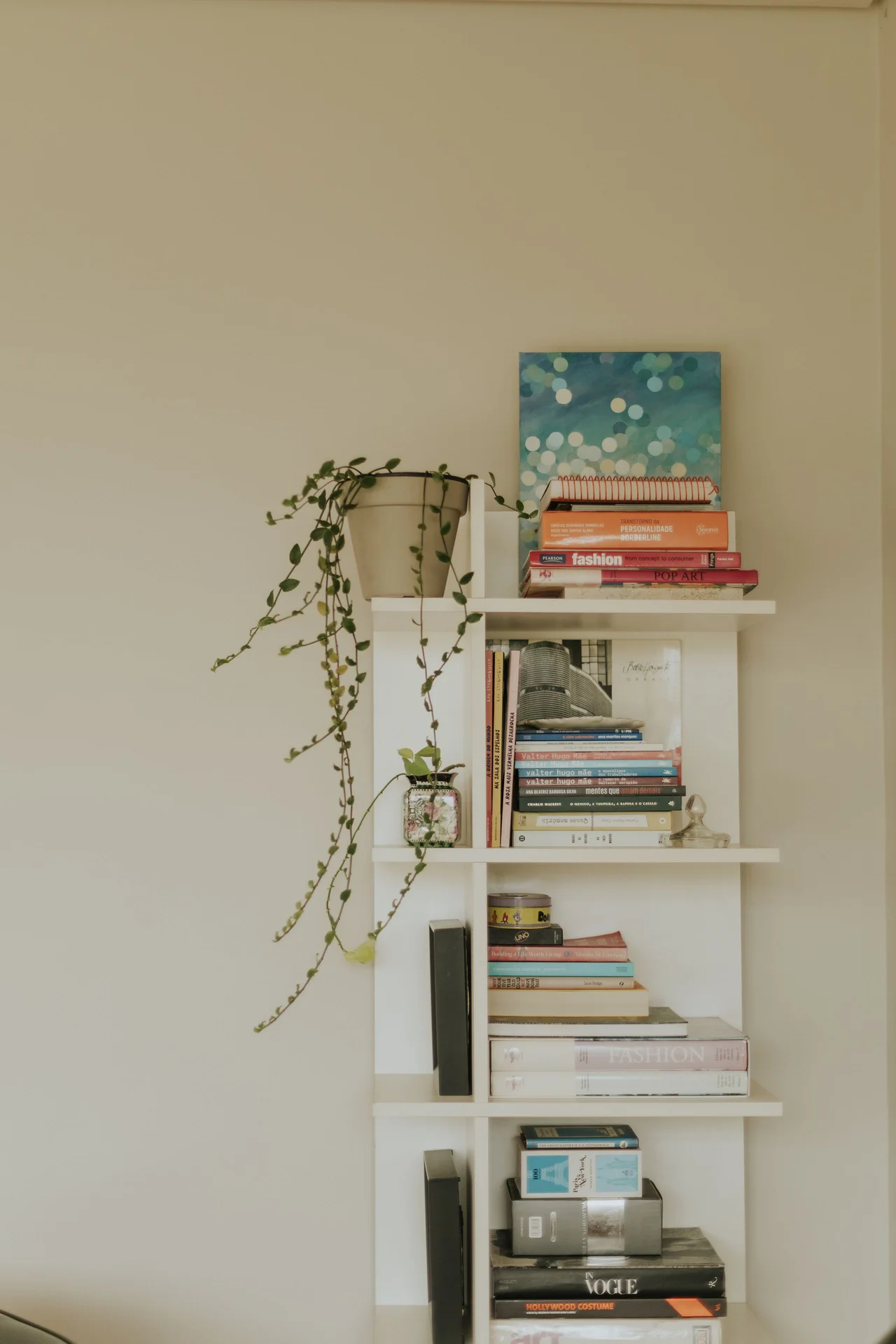
A bookshelf used as a room divider divides a studio and stores things at the same time, which beats a curtain or a screen that only divides. Use a low, open shelf so light still passes, and anchor it to the wall so it cannot tip. I divided my studio with a bookshelf and gained a library wall in the process. The mistake to avoid is a tall, solid divider, because it blocks light and makes both sides feel smaller.
Cost: ~$80 | Time: 60 minutes
Hang a Bike on the Wall Vertically
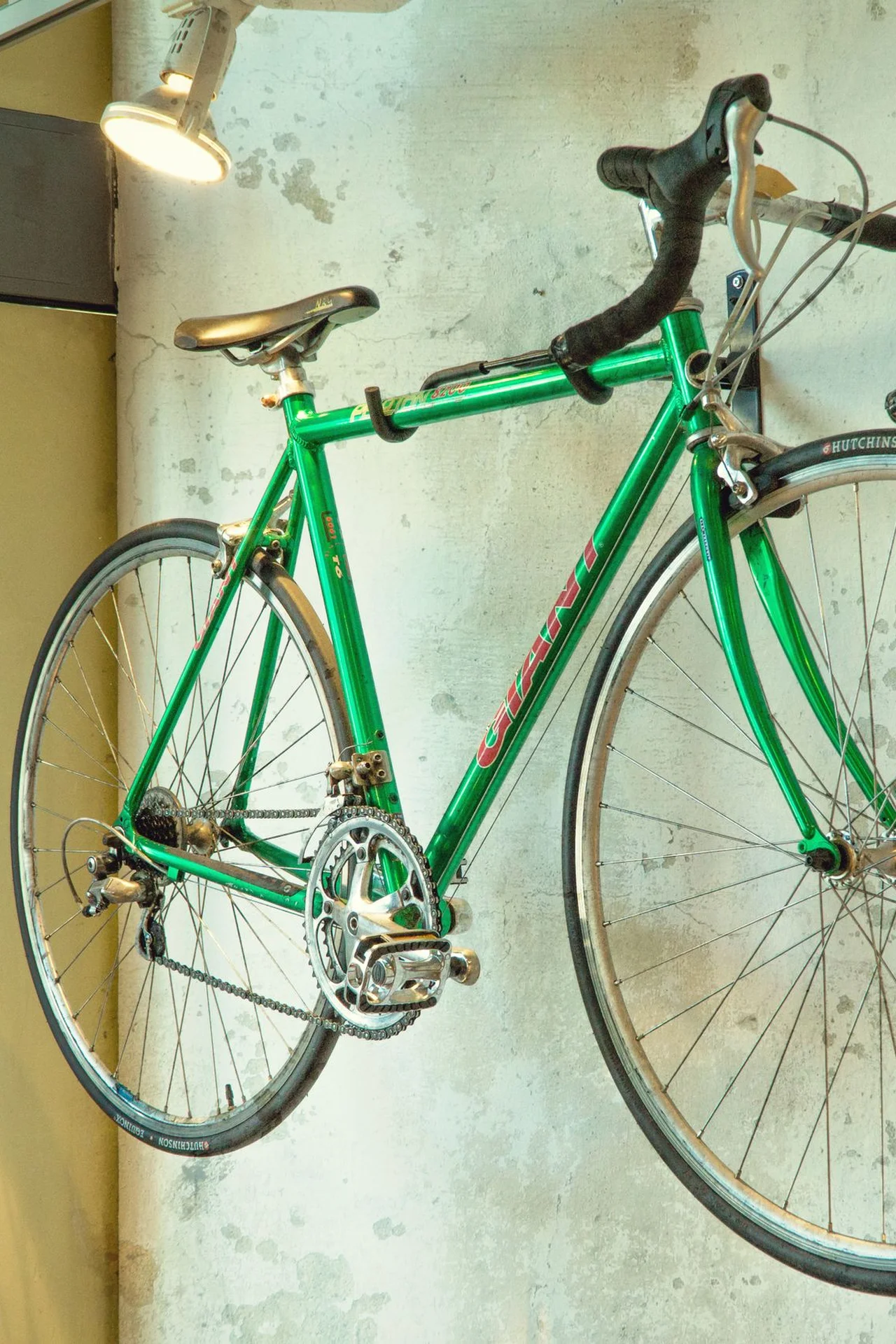
A bike hung vertically on a wall hook takes up the footprint of a coat, not a whole corner, and it keeps the bike safe indoors. Use a proper wall mount rated for the bike’s weight, and hang it near the door for easy grabbing. I hung mine vertically in a hallway and finally stopped tripping over it. The mistake to avoid is a hook screwed into plasterboard without a stud, because a bike is heavy and plasterboard is not.
Cost: ~$25 | Time: 30 minutes
Use a Kitchen Trolley as Extra Counter
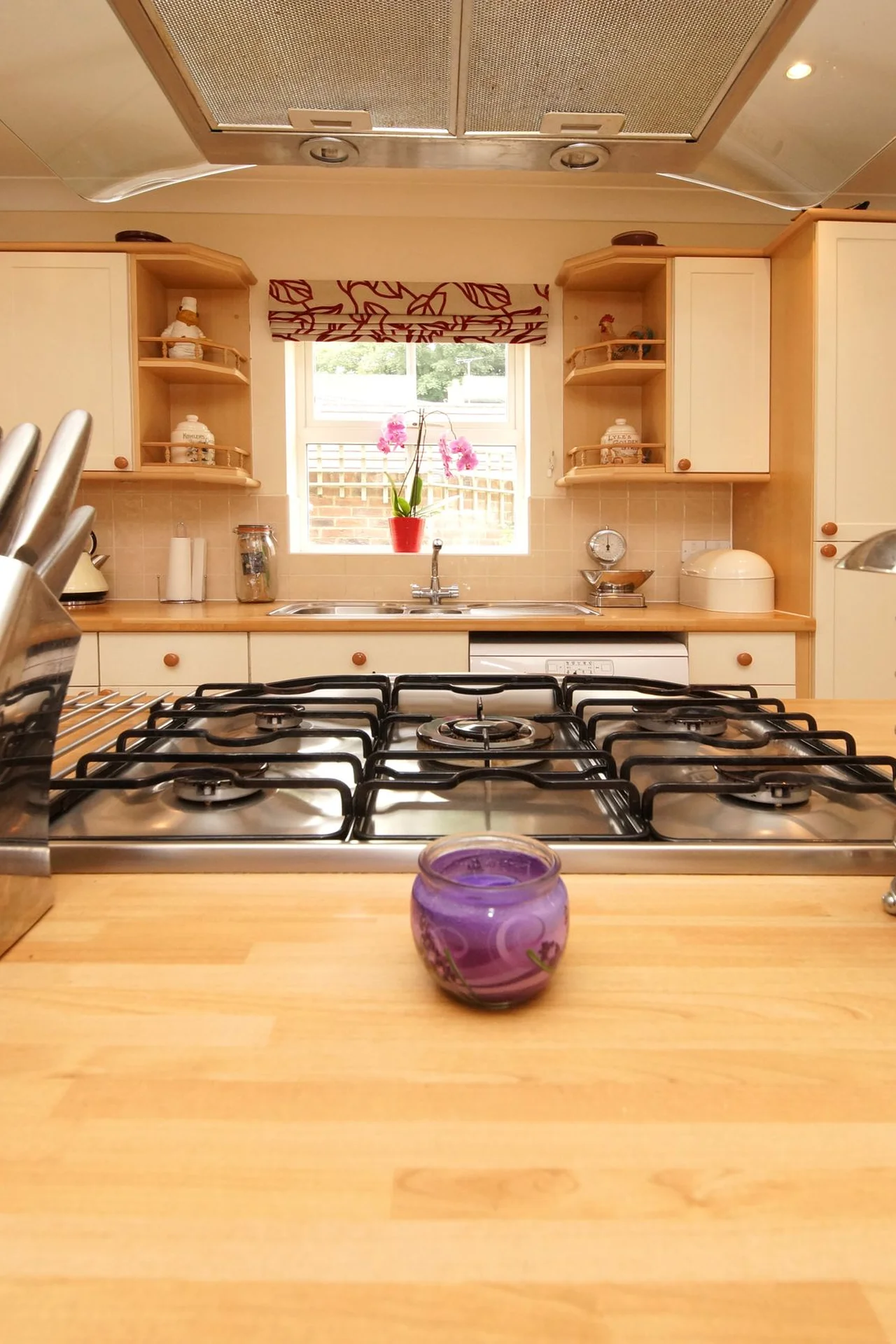
A kitchen trolley adds counter space when you cook and rolls away when you do not, which is exactly what a tiny kitchen needs. Pick one with a butcher block top and a shelf below, and lock the wheels while you chop. I roll mine out for Sunday cooking and tuck it away the rest of the week. The mistake to avoid is a trolley so big it blocks the fridge door, because then it creates more problems than it solves.
Cost: ~$60 | Time: 20 minutes
Keep Surfaces Clear With a Landing Strip
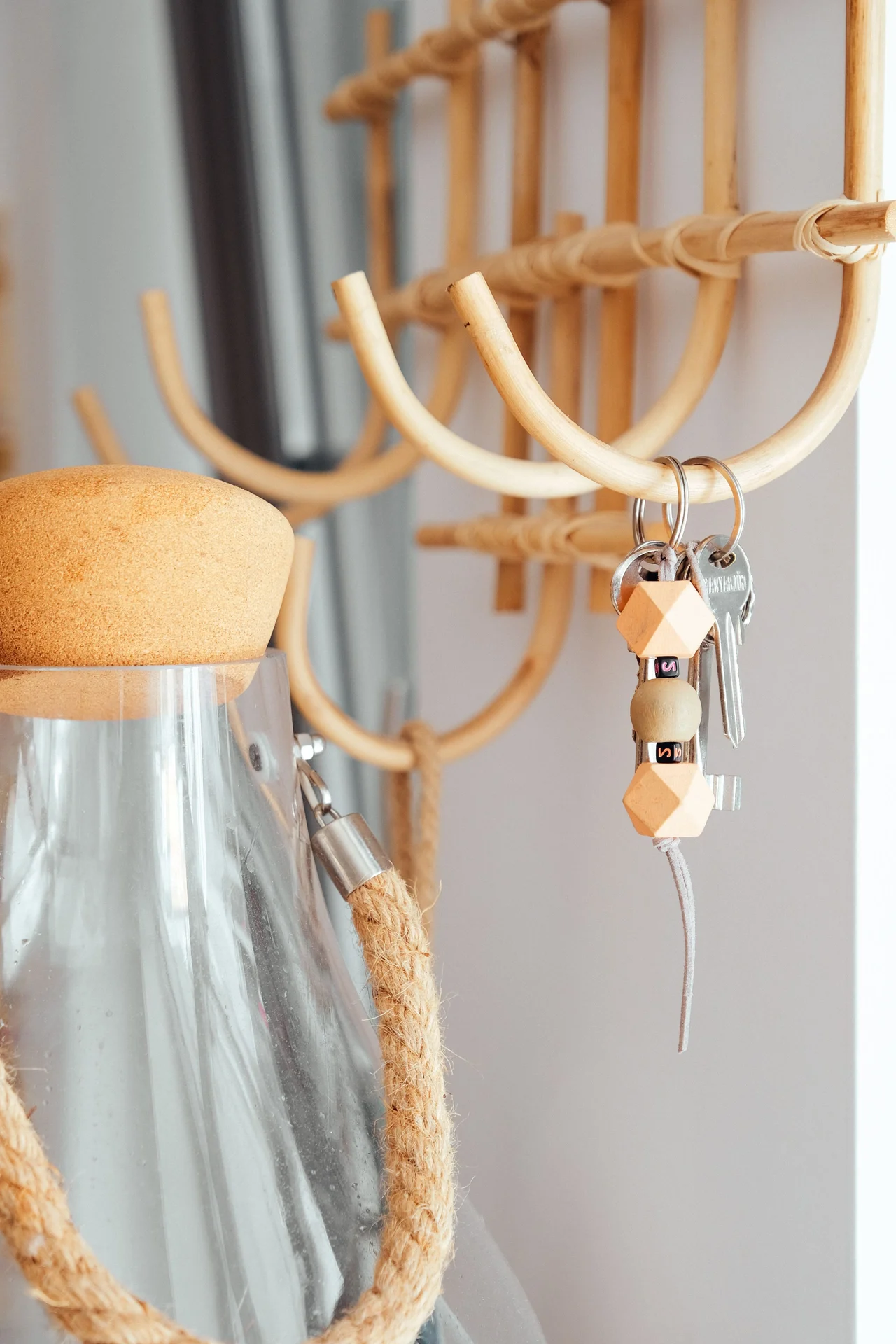
A landing strip by the front door, a small tray for keys, a hook for bags, a bowl for sunglasses, stops clutter spreading through the whole flat. Everything you carry in lands in one spot, and the rest of the flat stays clear. I set mine up in ten minutes and my hallway chair stopped being a coat mountain. The mistake to avoid is a landing strip with no tray, because keys without a tray end up everywhere anyway.
Cost: ~$15 | Time: 10 minutes
Use Vertical Files for Baking Trays
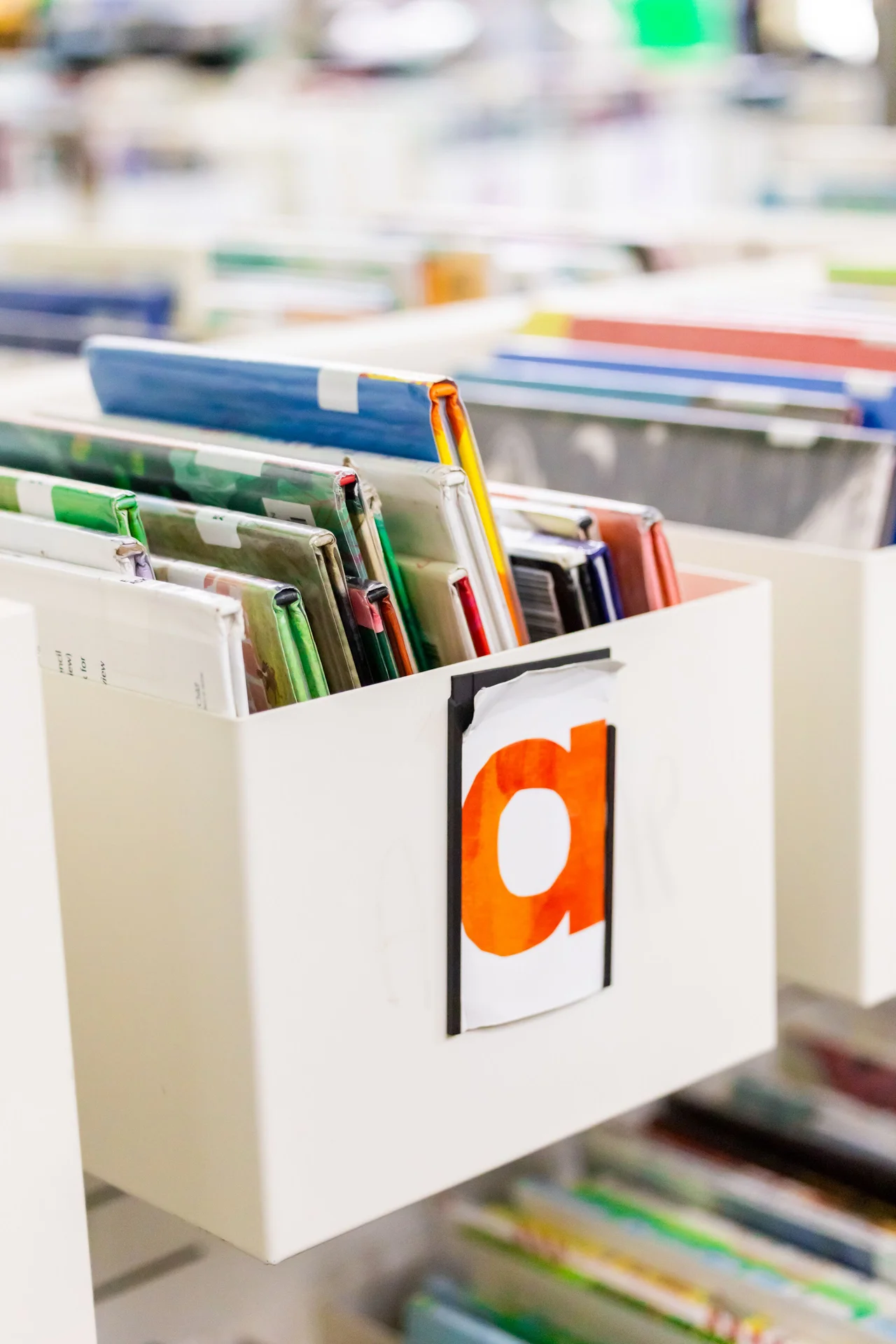
Baking trays stored vertically in a file holder slide out one by one instead of avalanching, and they fit in a narrow cabinet gap. Sort by size, keep the biggest at the back, and the tray drawer stops being a dread. I did this with a ten-pound holder and never had a tray avalanche again. The mistake to avoid is a holder too narrow for your biggest tray, because then the biggest tray lives on top of everything.
Cost: ~$10 | Time: 10 minutes
Hang a Shoe Rack on the Pantry Door
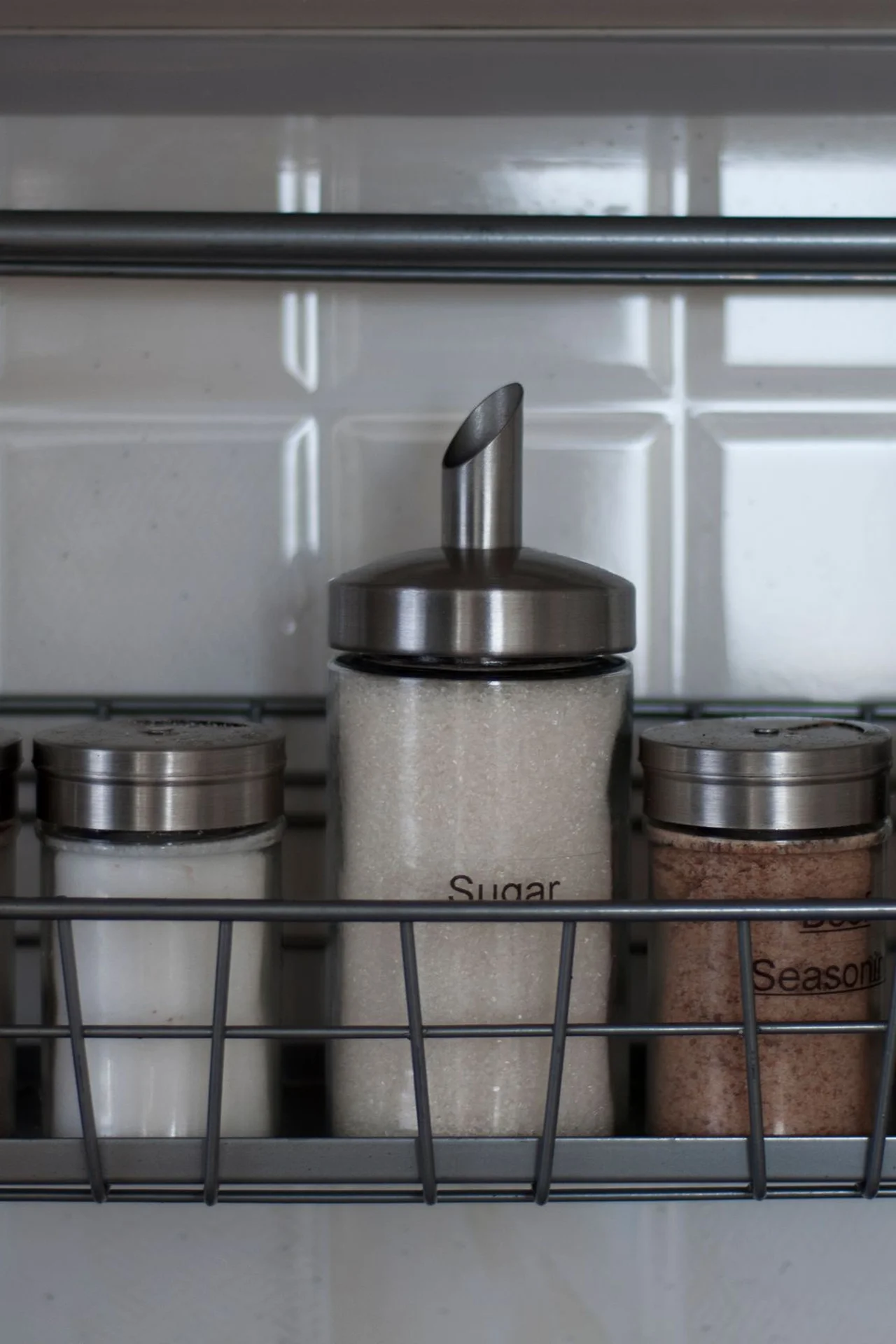
A shoe rack on the pantry door holds spices, cans, and small packets in the door’s dead space, and it frees shelves inside for bigger items. Use a fabric rack with clear pockets, and keep heavy cans low so the door swings freely. I freed a whole pantry shelf this way. The mistake to avoid is hanging it on the outside of the pantry door, where it looks untidy and gets knocked.
Cost: ~$10 | Time: 5 minutes
Use a Tension Rod to Double a Closet
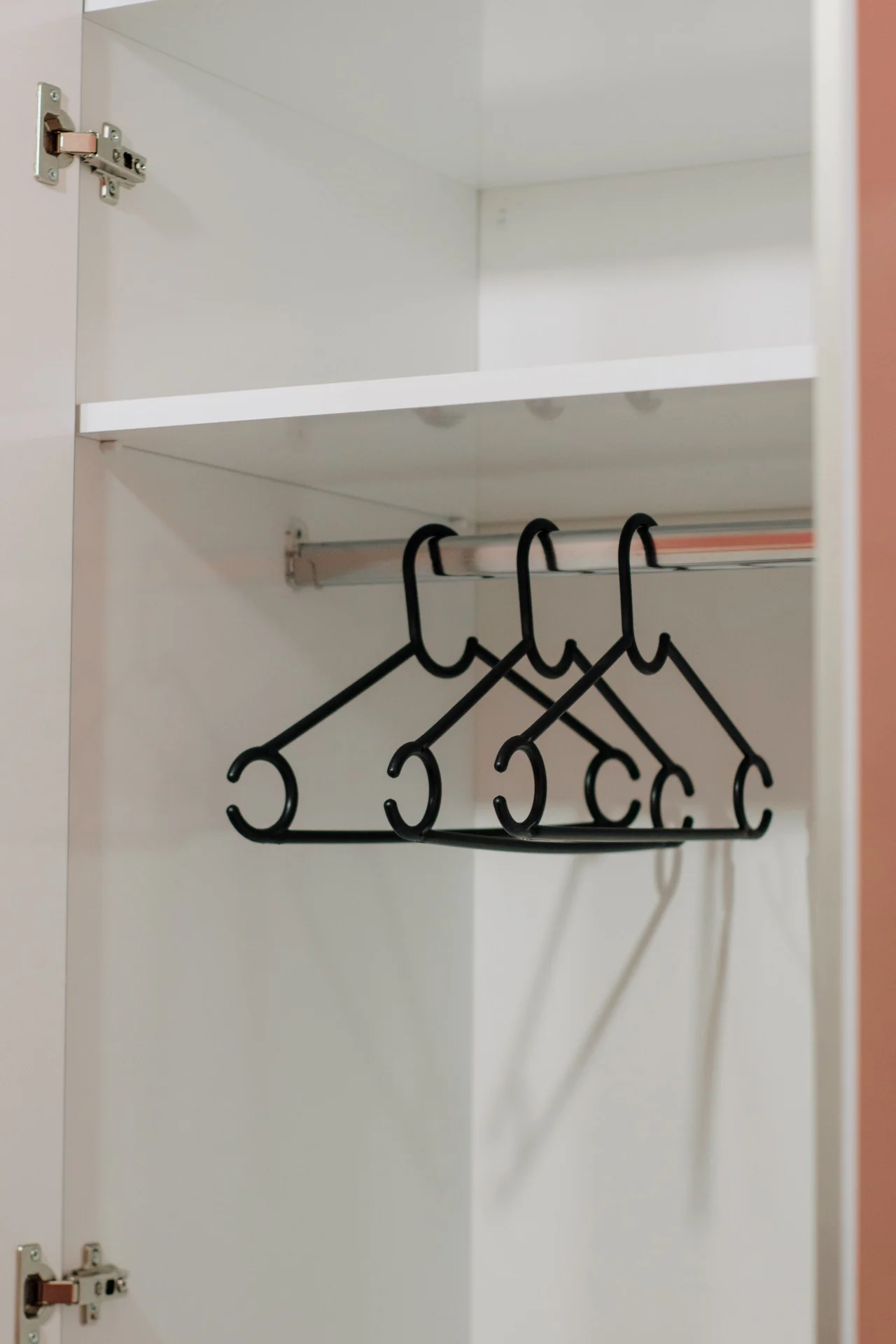
A second tension rod below the main closet rod doubles hanging space for shirts and trousers without any tools. Hang short items below and long items above, and the closet holds twice as much. I added one in ten minutes and stopped keeping clothes in a suitcase. The mistake to avoid is hanging long coats on the lower rod, because they puddle on the closet floor.
Cost: ~$8 | Time: 10 minutes
Keep One Junk Drawer, Not Five
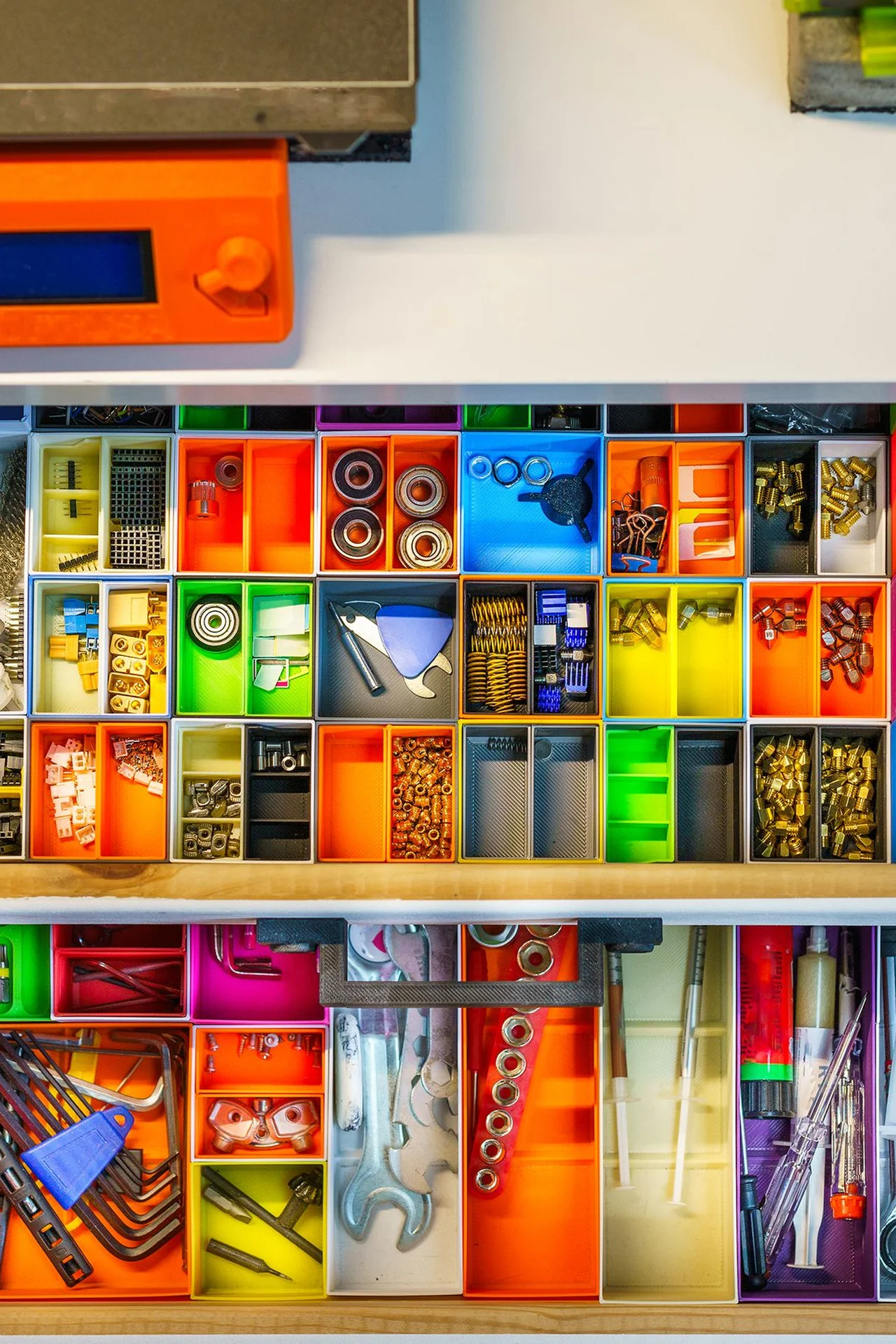
Every home needs a junk drawer, but a small space needs exactly one, not one in every room. Pick a single drawer, organise it with small dividers, and ruthlessly move anything else to its proper home. I consolidated four junk drawers into one and found things I had bought twice. The mistake to avoid is a junk drawer with no dividers, because it becomes a drawer of tangled mystery within a month.
Cost: ~$8 | Time: 30 minutes
End With the One-In, One-Out Rule
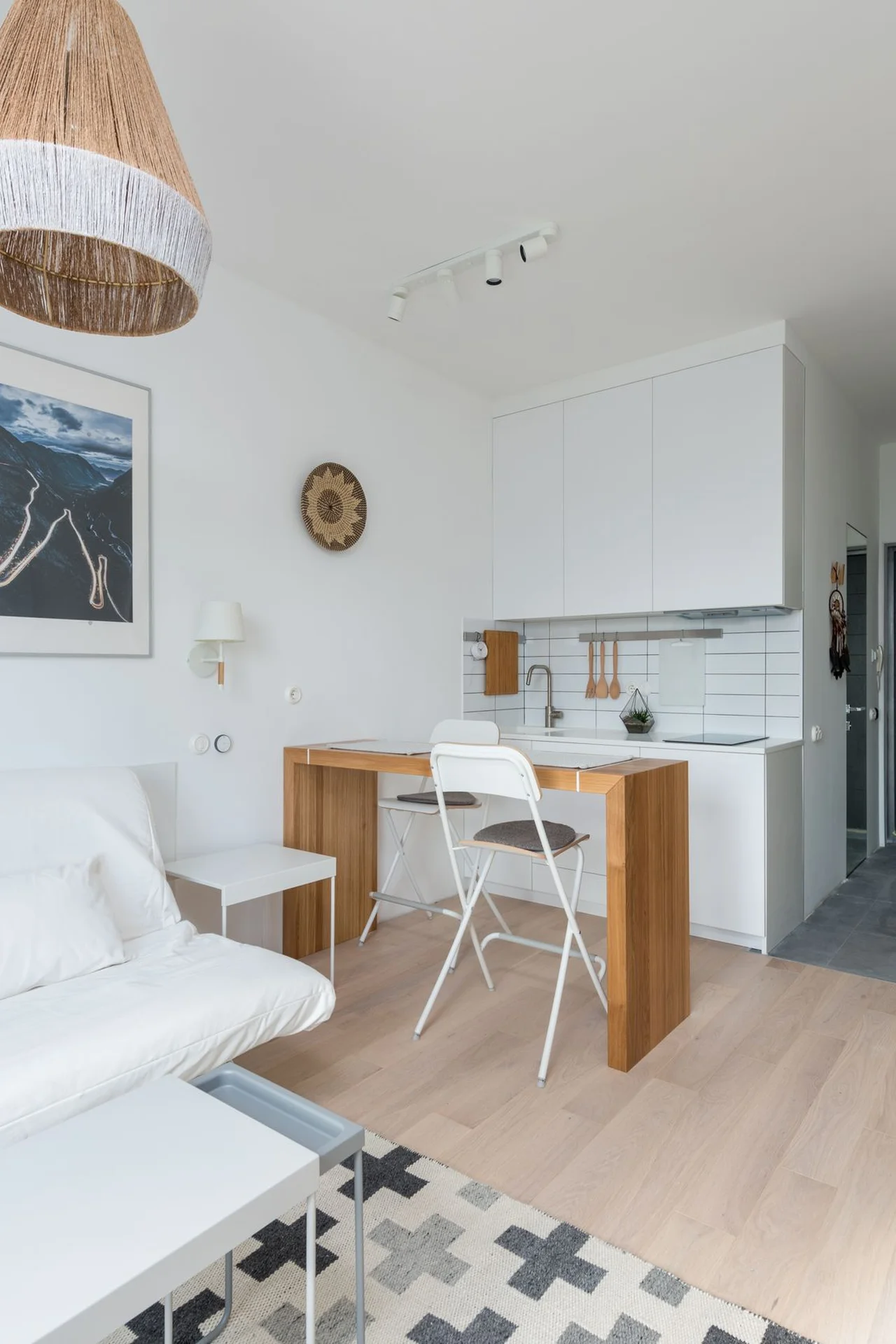
The rule that keeps a small space liveable long-term is simple: every new thing in means one old thing out. A new pan replaces an old one, a new shirt replaces a worn one, and the space never quietly fills up. Small spaces cannot absorb extras, and this rule stops the slow creep. I started it after clearing three years of extras from one flat, and I have never looked back. The mistake to avoid is the exception pile, because exceptions become the clutter you were trying to prevent.
Cost: ~$0 | Time: 5 minutes
Mini FAQ: Genius Small Spaces on a Budget
Where should I start if I can only do three things? Hang a mirror opposite the window, add door organisers, and set up a landing strip by the door. All three cost under $60 together and change how the whole space feels.
What is the biggest mistake in small spaces? Buying furniture for the guests you have twice a year instead of the life you live every day. A three-seater sofa in a tiny room is the classic version of this mistake.
How do I keep a small space tidy long-term? The one-in, one-out rule, plus a five-minute evening reset. Habits beat storage products every time, because products fill up and habits keep working.
Small spaces are not a punishment, they are a design challenge with a very satisfying answer. Start with the walls, use the doors, keep the floor visible, and let one good habit do the rest. Your space is smaller than you want, but it can still be exactly the home you want.
