19 Tiny Bedroom Ideas That Live Large
My first bedroom after moving out was barely bigger than the bed itself. I could open the wardrobe door and touch the opposite wall with my foot, and for months I treated the room like a storage cupboard I happened to sleep in. Then I visited a friend whose room was even smaller, yet it felt calm, open and oddly generous — not because she had more space, but because every single choice worked twice as hard. These tiny bedroom ideas are the lessons I stole from that visit and tested in my own shoebox room. If your bedroom feels cramped, start here: small changes, honestly budgeted, that make a little room live much larger than its floor plan suggests.
1. Paint the Walls a Warm White to Open the Room
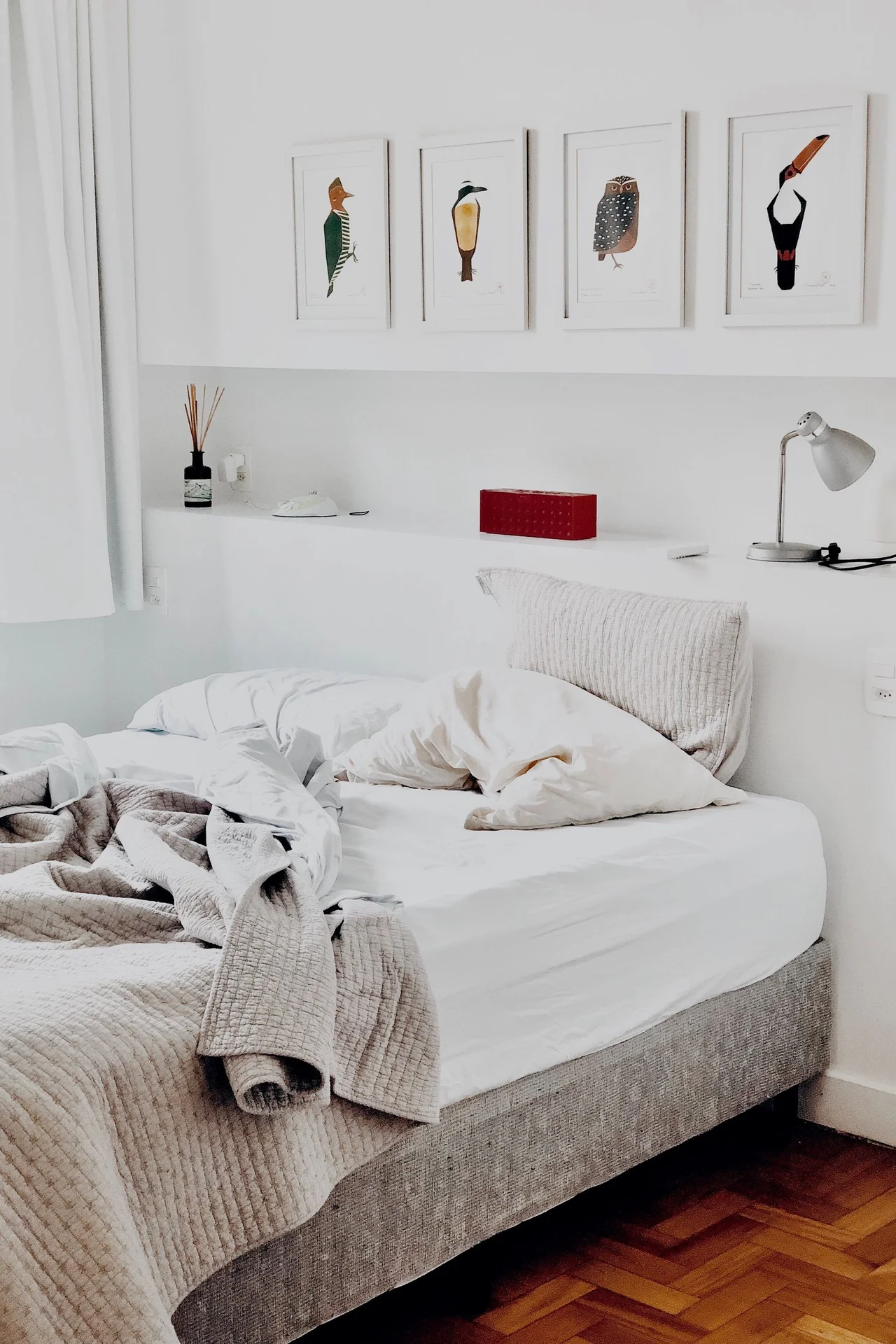
White paint is the oldest small-room trick for a reason, but the shade matters more than people admit. A cold, blue-white can make a tiny bedroom feel like a clinic, while a warm white with a hint of cream bounces light around without feeling stark. Paint all four walls the same shade, including the trim, so the eye does not stop at every edge. Two thin coats over a proper primer will cover most old colours. I tried this — the mistake to avoid is painting only one wall and calling it done, because a single white wall next to dingy ones just highlights the difference. Do the whole room in one weekend.
Cost: ~$35 | Time: 6 hours
2. Swap a Bulky Bed Frame for a Low Platform
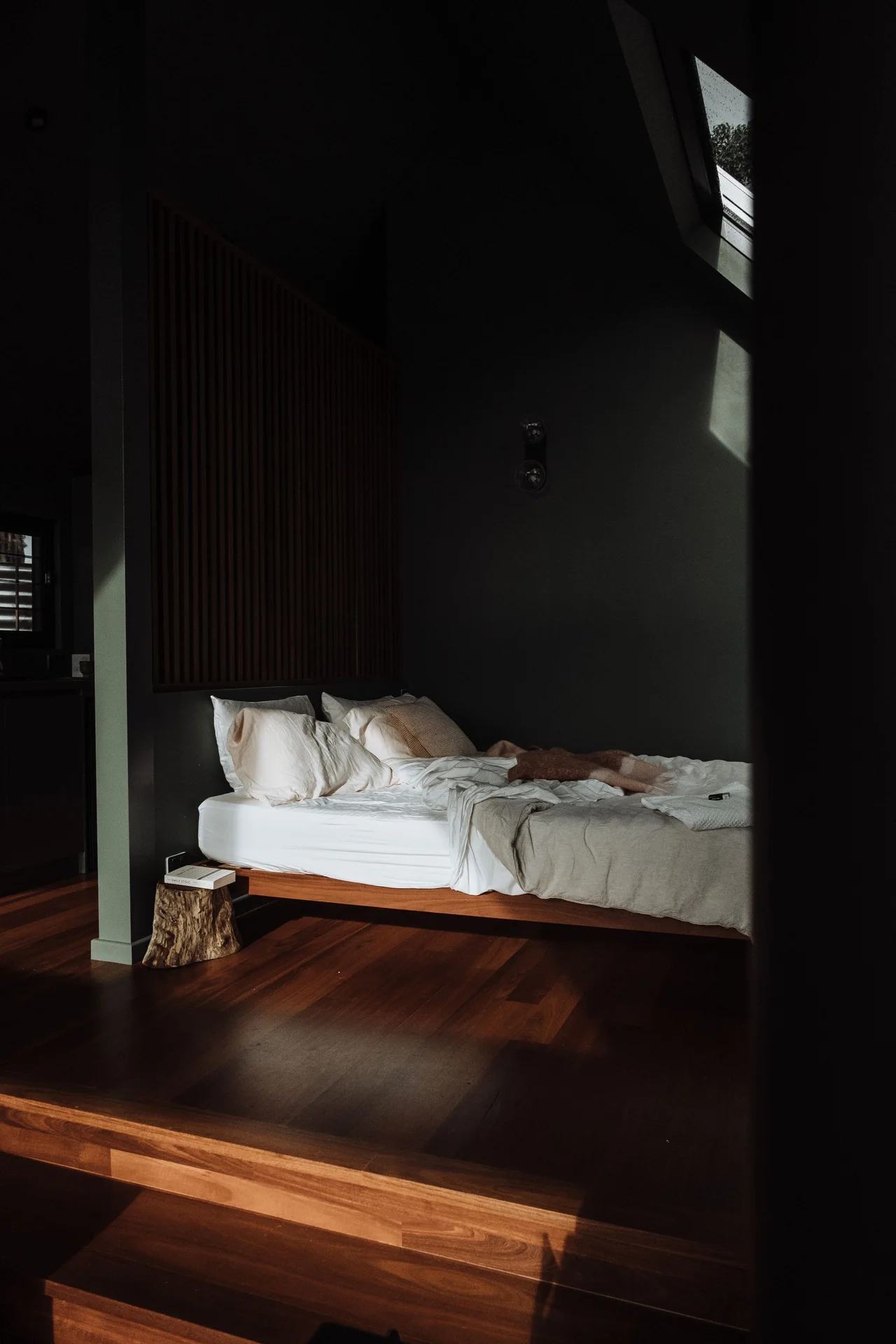
A tall, chunky bed frame eats visual height in a small bedroom, and the headboard alone can dominate a whole wall. A low platform frame sits close to the floor, which makes the ceiling feel higher and the room feel wider in one move. Look for a simple wooden or metal frame with a low profile and no footboard blocking the walkway. Assembly takes an evening and a second pair of hands helps. My old frame had thick posts that bruised my shins daily; the low platform gave me back nearly a foot of walking space and the room finally felt like it had air in it.
Cost: ~$80 | Time: 2 hours
3. Hang a Mirror Opposite the Window

A mirror placed opposite the window doubles the daylight coming in, which is the cheapest square footage you will ever add. Hang it at eye level where it catches the sky, not the neighbour’s brick wall, and choose the biggest size the wall allows. A leaning full-length mirror works too if you cannot drill, and it doubles as a dressing mirror. Keep the glass clean — a dusty mirror in a small room just doubles the gloom. I hung mine on a Sunday afternoon and the room looked different the moment the sun came round, brighter and somehow twice as deep.
Cost: ~$30 | Time: 30 minutes
4. Use a Wall-Mounted Folding Desk
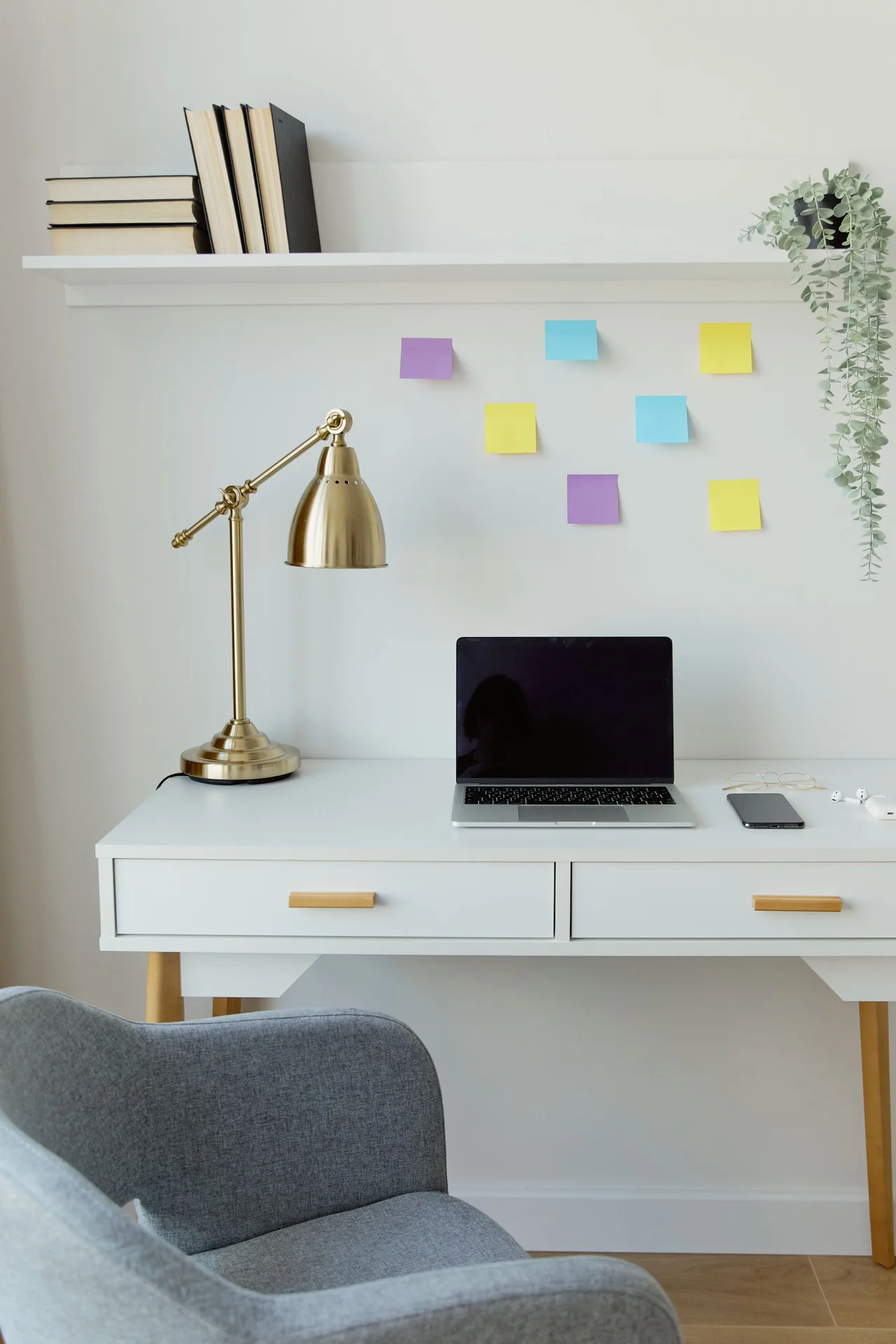
A full desk in a tiny bedroom steals floor space you need for getting dressed, but a wall-mounted folding desk gives you a workspace that vanishes after work. Mount a sturdy bracket at desk height, add a hinged top, and pair it with a chair that slides underneath or hangs on a hook. Fold it up for laptop work, fold it down when the day is done. Spend the extra few dollars on a bracket rated for real weight, because a wobbly desk with a laptop on it never gets used. This one change gave my room a proper office corner without losing a single step of floor.
Cost: ~$40 | Time: 1 hour
Pro tip: Mount a small shelf just above the folding desk for a lamp and a notebook, so the desk itself stays clear and folds flat every time.
5. Layer Sheer Curtains to Fake a Bigger Window

Heavy curtains swallow a small window and make the wall feel closed in, while sheer layers let light through and soften the edges. Hang a sheer panel closest to the glass and a light linen curtain over it, both on the same rod, so you can adjust privacy through the day. The sheers glow in the morning light and make the window look wider than it is. I tried this — the mistake to avoid is dark, thick drapes in a tiny room, because they turn a window into a wall. Light fabrics keep the room breathing and cost less than a new window ever would.
Cost: ~$25 | Time: 45 minutes
6. Choose a Slim Wardrobe With Sliding Doors
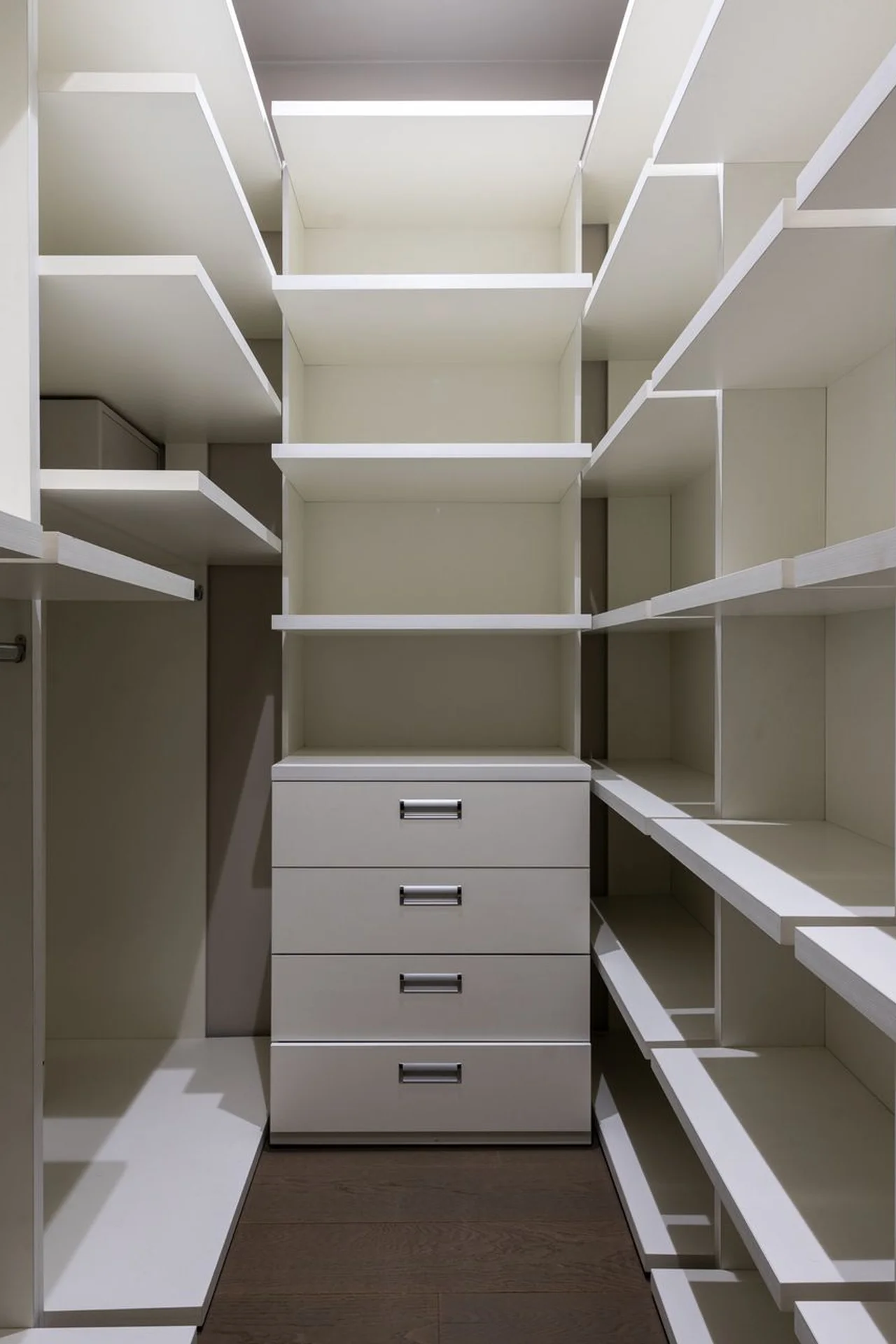
Swinging wardrobe doors need clearance you simply do not have in a tiny bedroom, and they block the walkway every time they open. A slim wardrobe with sliding doors gives you the same storage without the swing radius, and mirrored sliding doors add the light-bouncing bonus from idea three. Measure the wall carefully before ordering, and leave a few centimetres at the top for air. My old hinged wardrobe meant I had to climb onto the bed to open the far door; the sliding version opened with one hand and the room finally had a clear path again. For more storage ideas, see my (see also: small-bedroom-storage-ideas) roundup.
Cost: ~$150 | Time: 3 hours
7. Float Shelves All the Way to the Ceiling
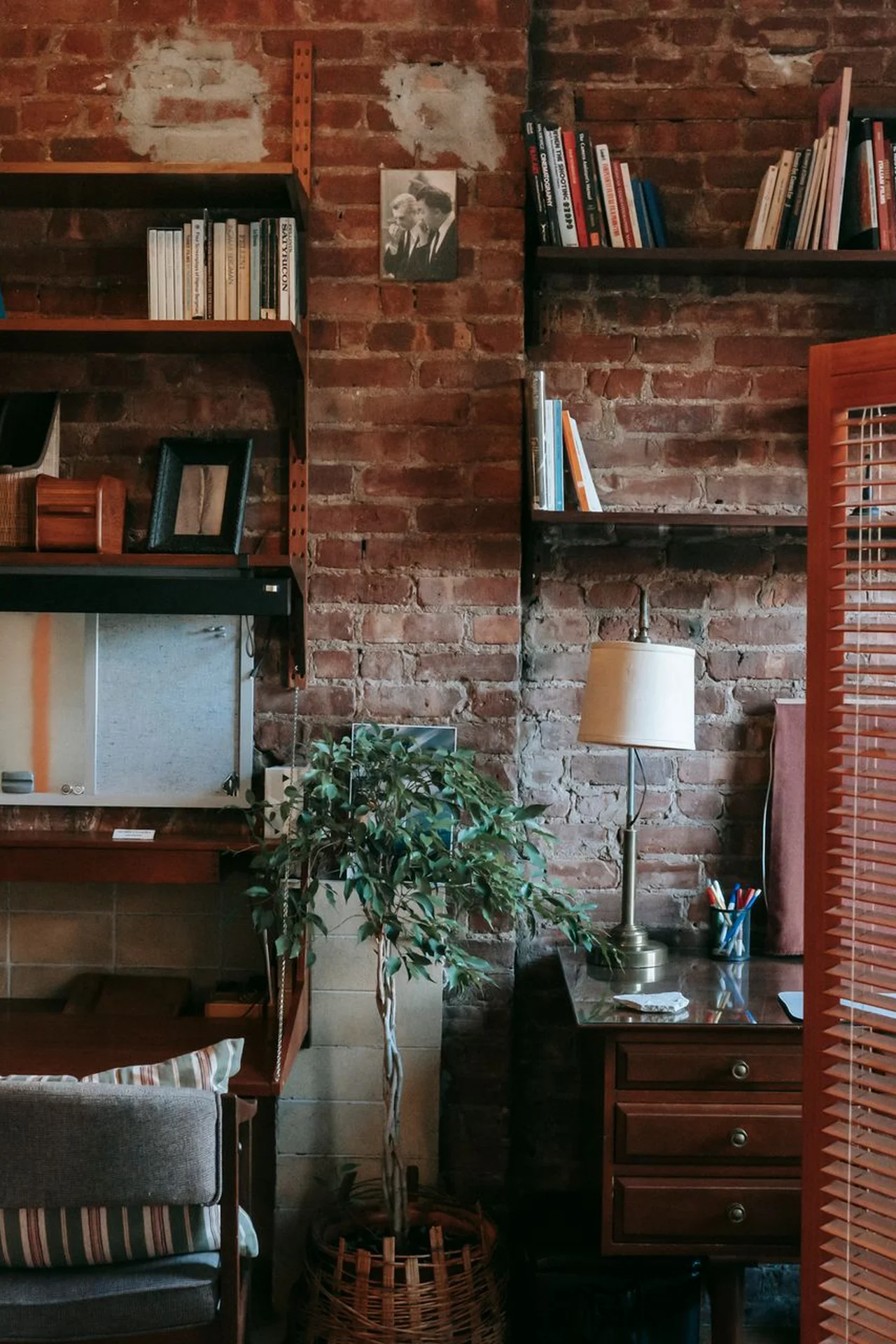
The wall above head height is wasted space in most bedrooms, and in a tiny one that waste hurts. Floating shelves run up to the ceiling hold books, plants and boxes you only need occasionally, while keeping the floor completely clear. Anchor into studs, keep the heaviest items low, and use matching boxes on the top shelf so it reads as calm rather than cluttered. I fitted three shelves in an evening and moved a whole bookcase worth of stuff off the floor. The room gained walking space and the shelves made the ceiling feel taller, which is a rare double win.
Cost: ~$30 | Time: 2 hours
8. Pick a Storage Bed With Deep Drawers
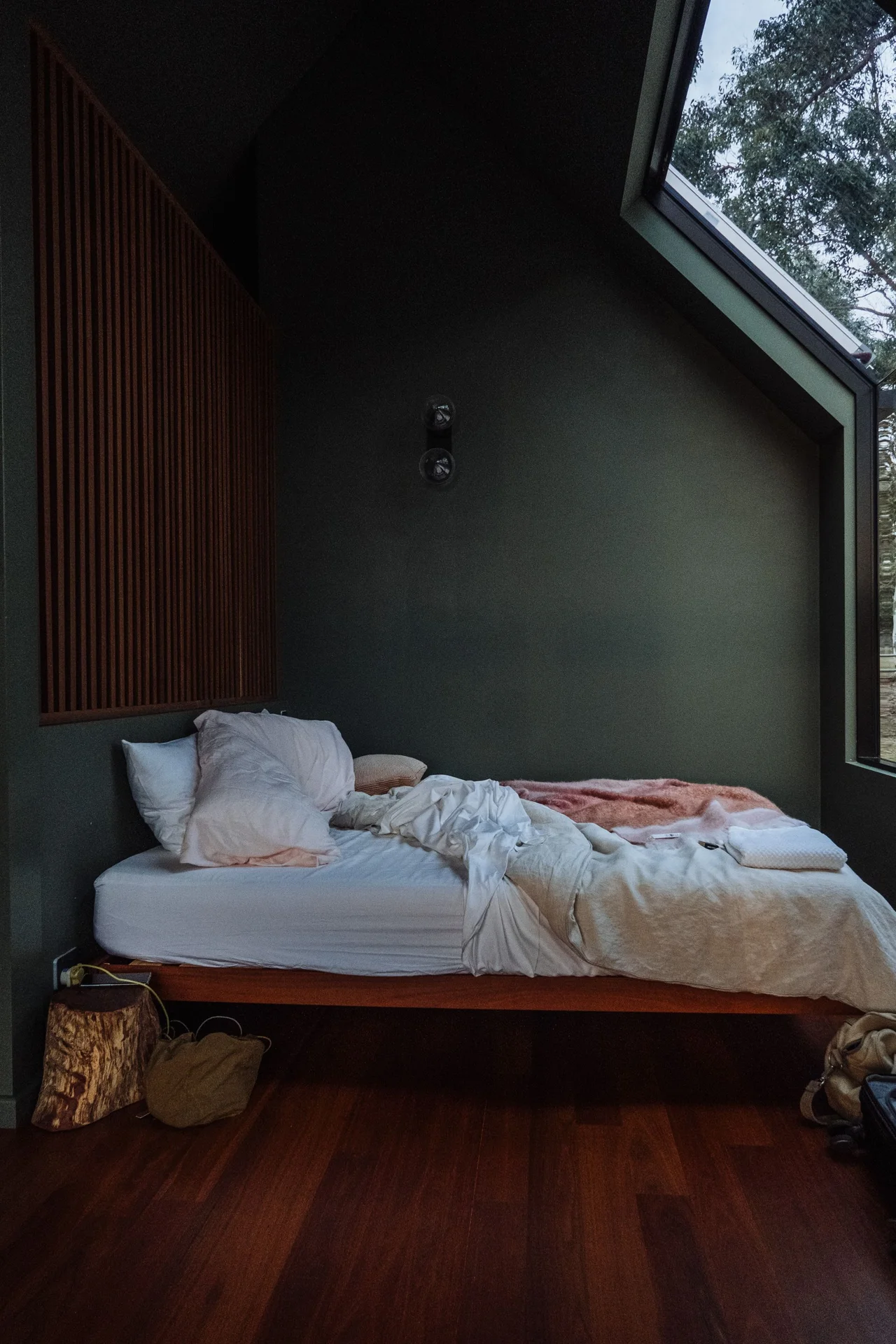
The space under the bed is the biggest hidden storage zone in a tiny bedroom, and a storage bed turns it into proper drawers instead of a dust trap. Deep drawers hold out-of-season clothes, spare bedding and shoes that would otherwise live in piles on the floor. Choose drawers that glide smoothly on carpet or hard floors, and label the fronts if you share the room. I tried this — the mistake to avoid is buying shallow drawers that only fit a T-shirt, because they waste the whole point. Deep drawers swallowed two suitcases of clutter in my room and the floor stayed clear.
Cost: ~$200 | Time: 3 hours
Pro tip: Roll clothes instead of folding them flat in bed drawers — you fit about a third more in, and you can see everything at a glance.
9. Hang One Oversized Art Print Instead of a Gallery Wall
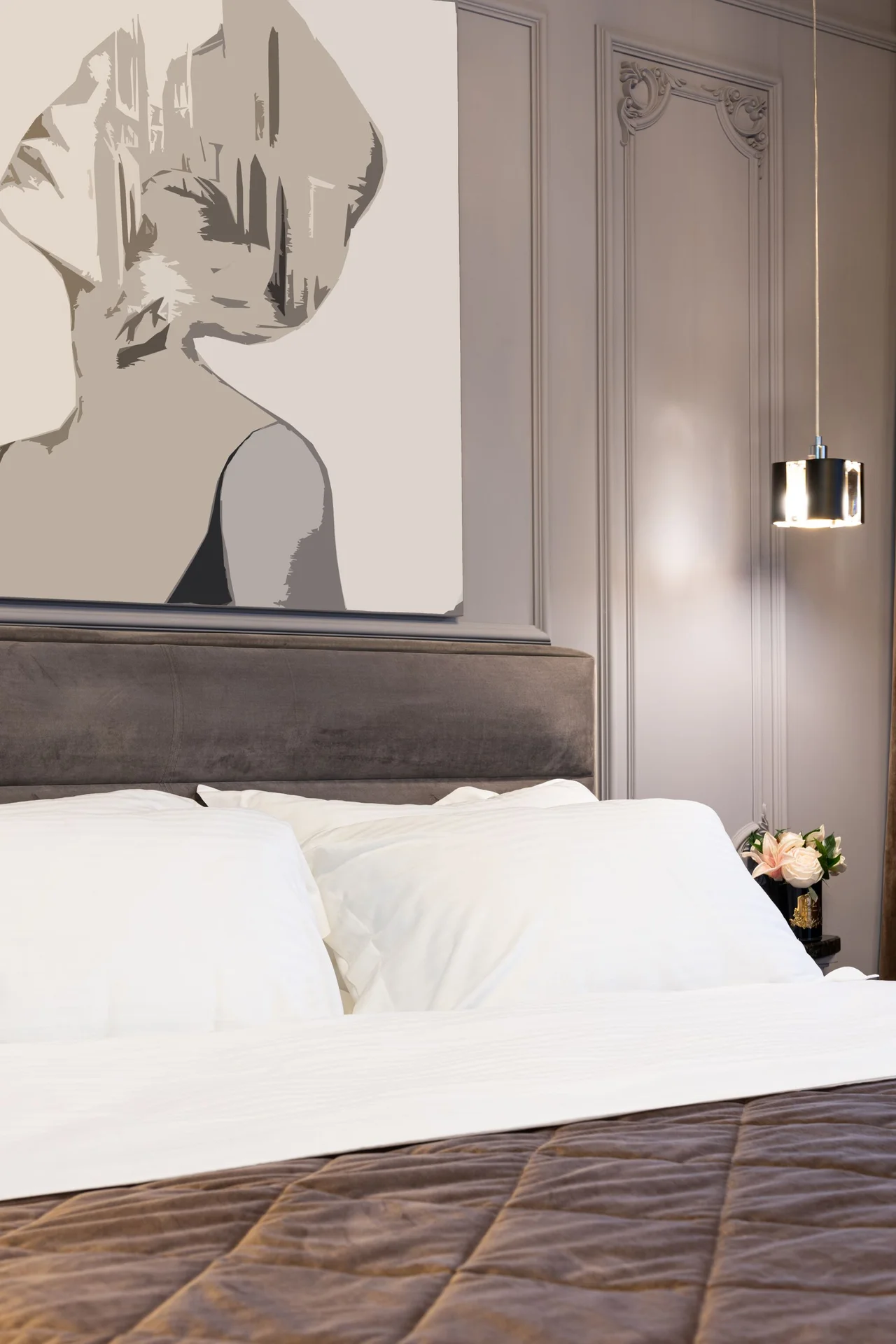
A busy gallery wall chops a small bedroom into visual pieces, while one large print gives the eye a single calm resting place. Choose a piece you genuinely love in soft colours, frame it simply, and hang it centred above the bed or on the longest wall. The scale tricks the brain into reading the wall as bigger, not busier. Thrift shops and print sales make oversized prints affordable, and a simple frame keeps the cost down. My wall went from twelve competing frames to one big landscape, and the room felt quieter the same afternoon. Save this idea for your bedroom board — it is the fastest calm-down on this list.
Cost: ~$35 | Time: 30 minutes
10. Use a Light Rug to Anchor Without Shrinking
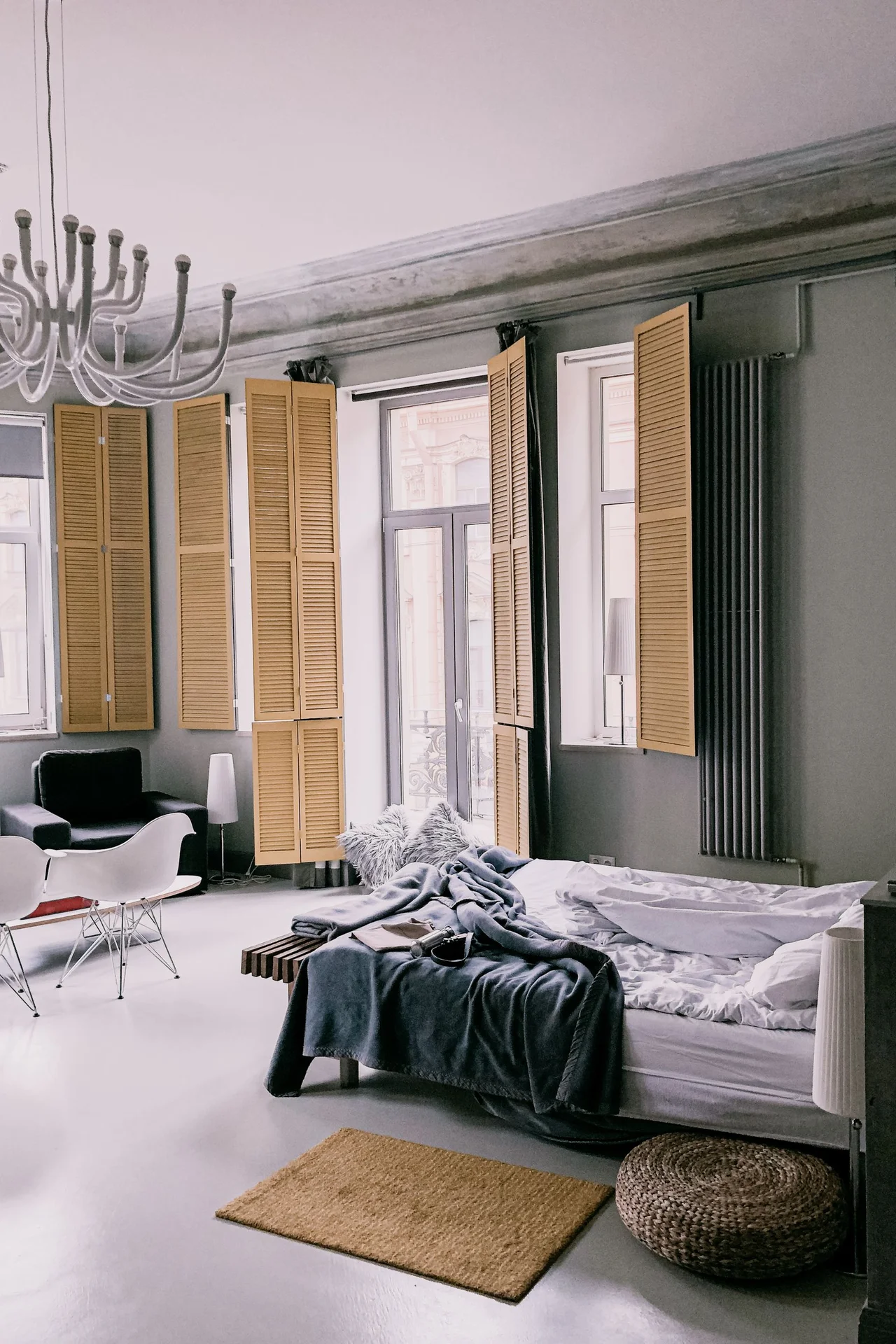
A dark, heavy rug can anchor a room but it also visually shrinks the floor, which a tiny bedroom cannot afford. A light rug in cream, pale grey or a soft pattern defines the sleeping zone while keeping the floor feeling open. Choose a flat weave that slides easily under the bed and cleans without fuss, and size it so at least the front legs of the bed sit on it. I picked a washable cotton rug in a faded pattern that hides crumbs between washes, and the bedroom suddenly felt like a finished room rather than a corridor with a bed in it.
Cost: ~$40 | Time: 15 minutes
11. Add a Narrow Bedside Shelf Instead of a Nightstand
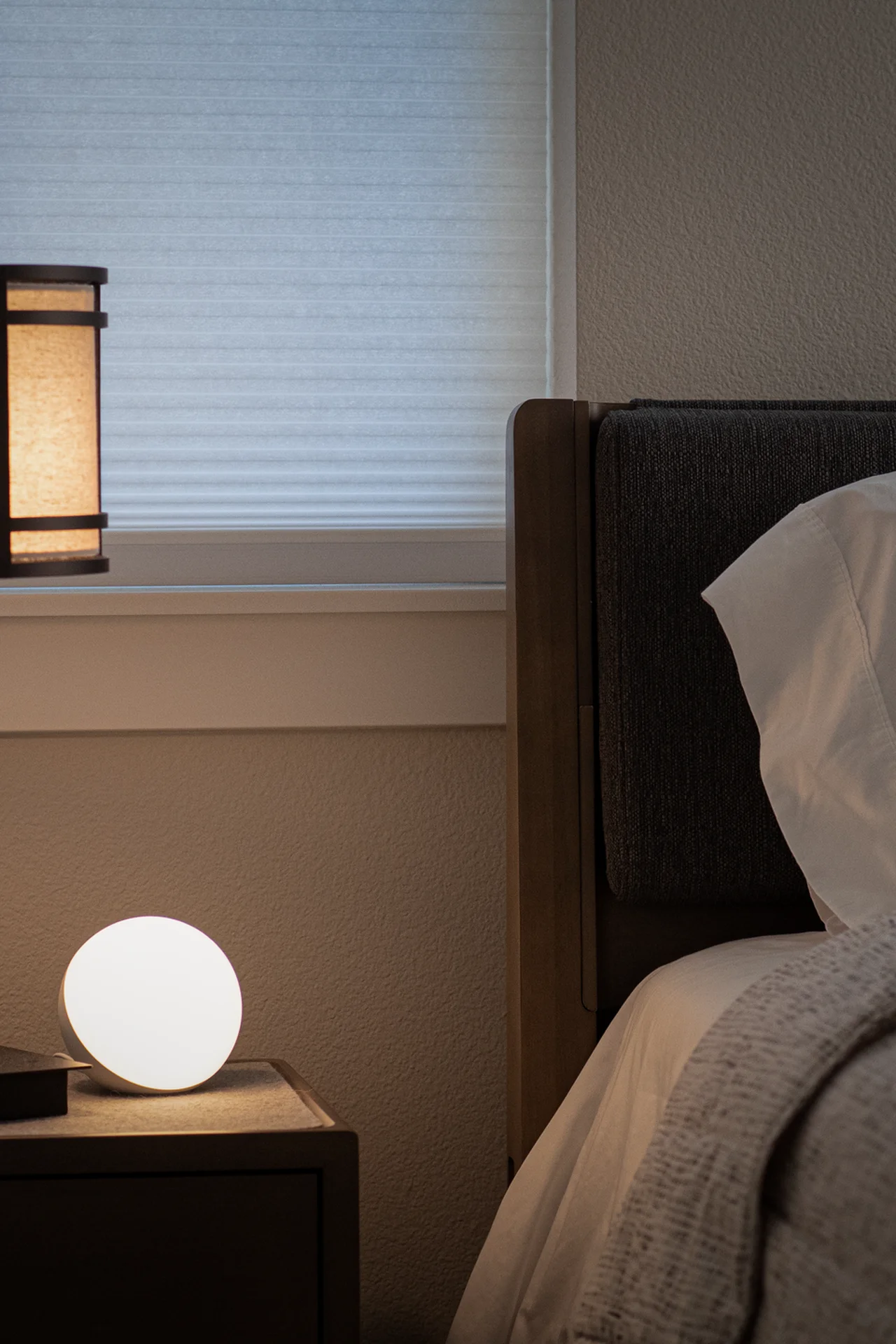
A traditional nightstand needs a chunk of floor beside the bed, and in a tiny bedroom that chunk might be all the walkway you have. A narrow wall-mounted shelf at bed height holds a phone, a book and a glass of water without touching the floor at all. Mount it a few centimetres above mattress height so reaching for things feels natural, and keep it shallow so you do not bump it in the dark. My shelf cost less than a takeaway dinner and freed the corner for a laundry basket that previously lived in the hallway. Small swap, daily payoff.
Cost: ~$15 | Time: 30 minutes
12. Keep Bedding in One Soft Neutral Palette
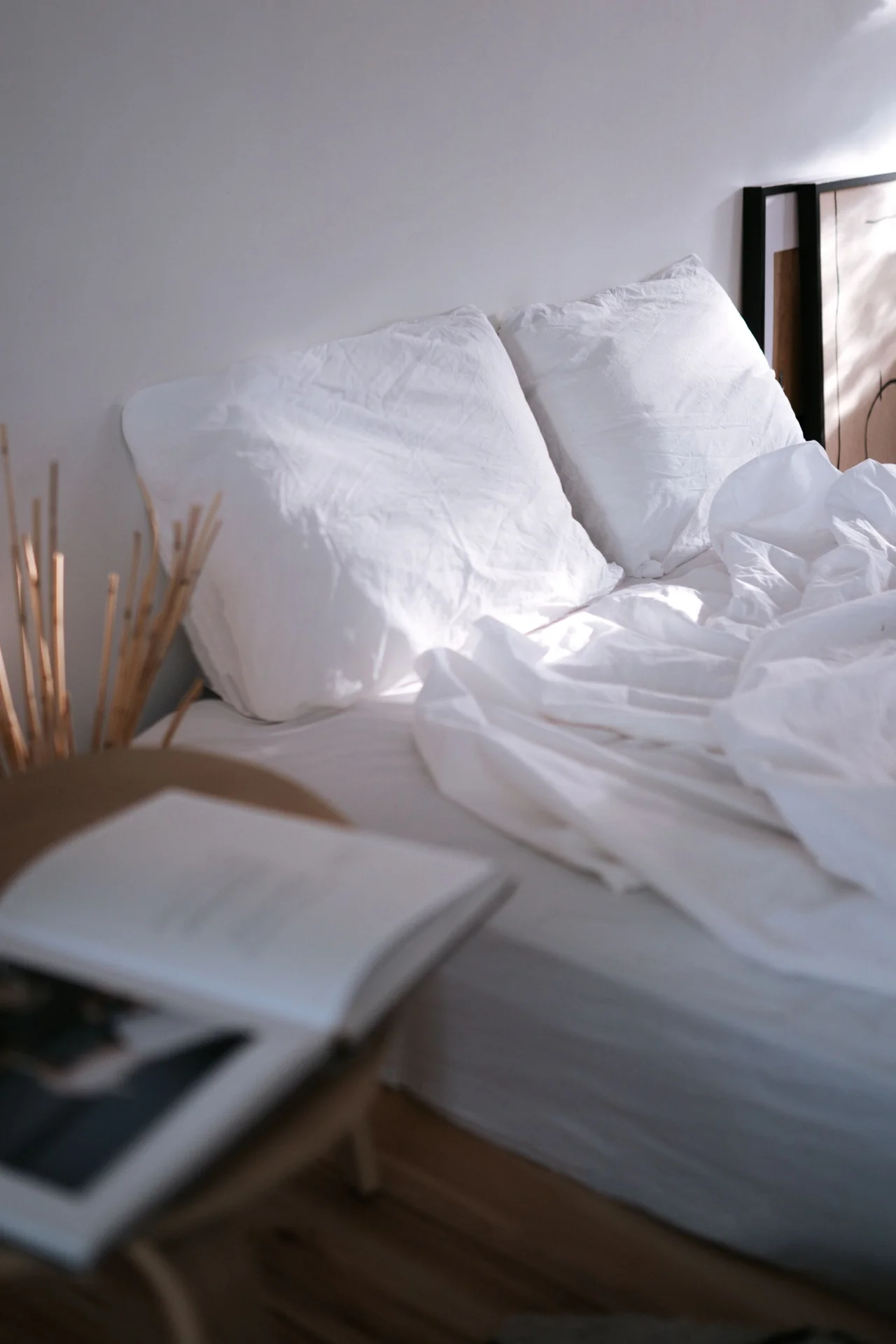
The bed is the biggest object in a tiny bedroom, so whatever covers it sets the tone for the whole room. Bedding in one soft neutral palette — white, oatmeal, pale grey — makes the bed read as one calm block instead of a patchwork of competing colours. Layer a throw and two cushions in slightly different textures for warmth, but keep the colours close. I tried this — the mistake to avoid is a loud patterned duvet plus patterned cushions plus a patterned throw, because the eye has nowhere to rest. One palette, varied textures, and the room instantly feels bigger and calmer.
Cost: ~$45 | Time: 20 minutes
Pro tip: Buy a second matching duvet set when it is on sale, so laundry day never forces you back into the old loud bedding.
13. Mount Reading Lights on the Wall
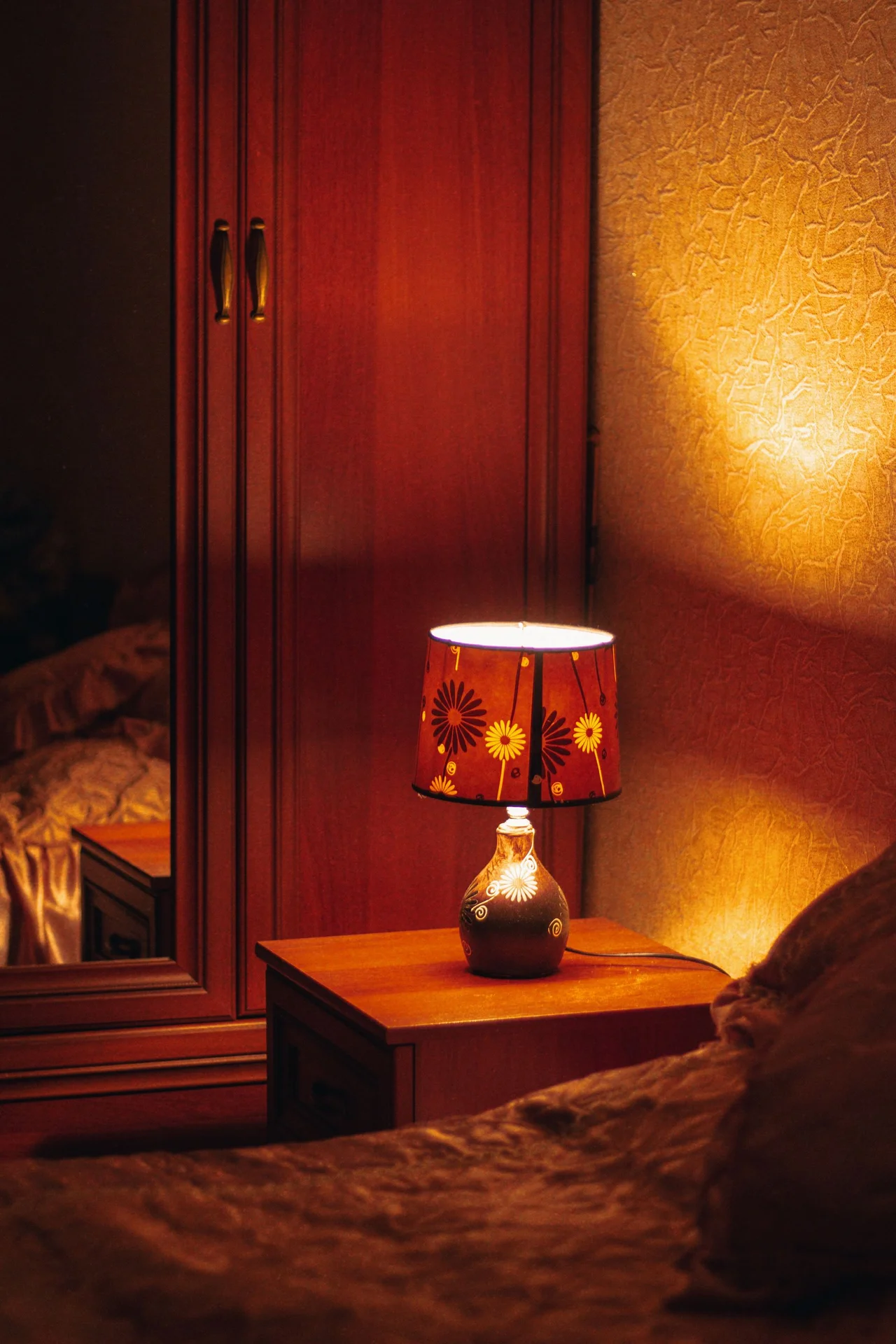
Table lamps eat the very surface a tiny bedroom is shortest on, and wall-mounted reading lights solve that neatly. A pair of swing-arm lights beside the bed gives each sleeper their own light, frees the shelf for a book and a phone, and looks intentional rather than improvised. Choose warm bulbs and lights with a dimmer if you can, so late reading does not wake anyone. Wiring is simple with plug-in versions that need no electrician, just a cable clip to keep the cord tidy. I fitted mine in an hour and have never missed the lamps that used to crowd the shelf.
Cost: ~$28 | Time: 1 hour
14. Use Clear Bins Under the Bed
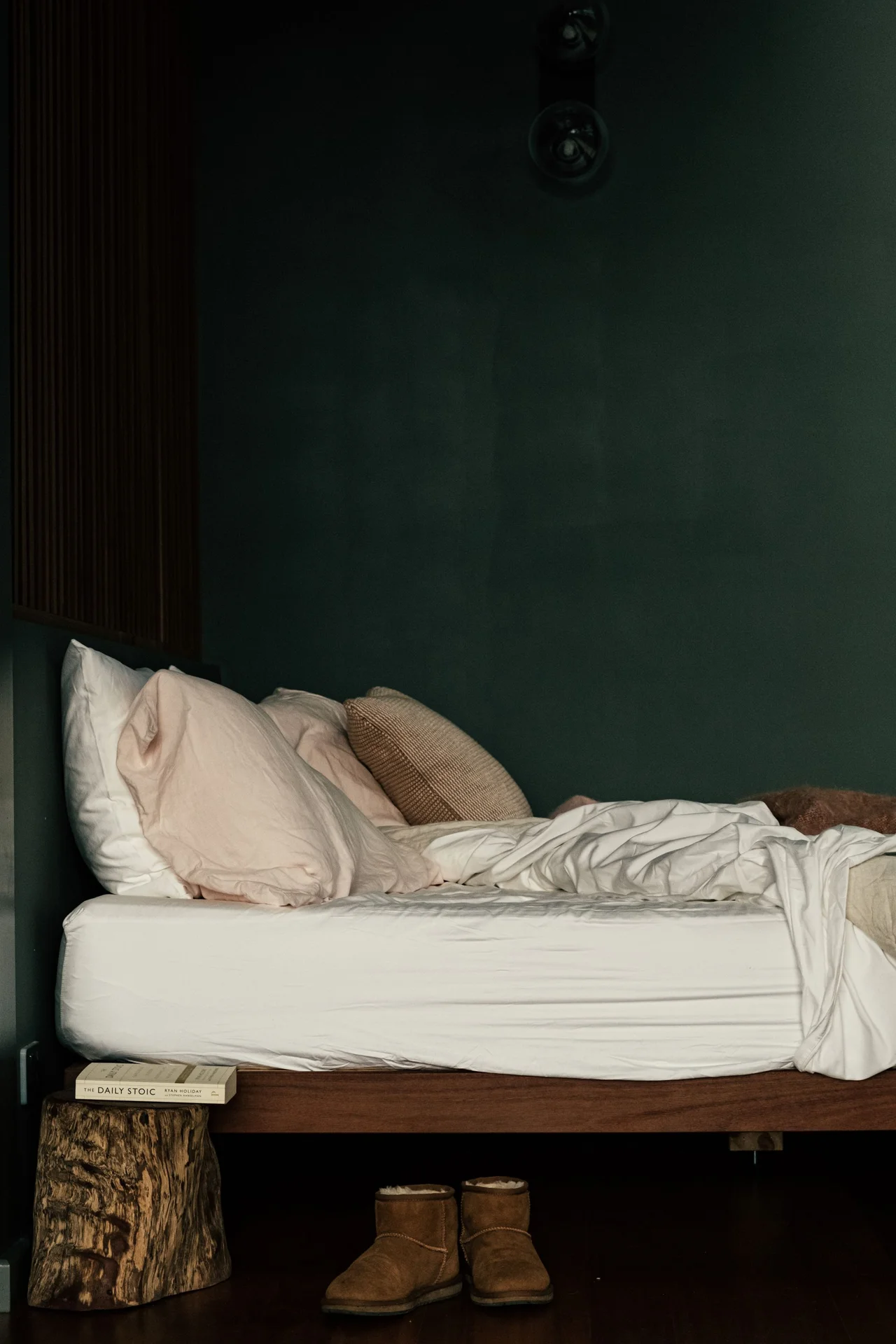
If a storage bed is out of budget, clear bins under a regular bed do the same job for a fraction of the price. Clear sides mean you can see what is inside without pulling every bin out, and low wheels let them glide out for cleaning. Measure the clearance under your bed first, because a bin that is a centimetre too tall is useless. Label each bin — winter clothes, spare sheets, gift wrap — and keep a short list on your phone of what lives where. For more small-space tricks, my (see also: tiny-bedroom-organization-ideas) post has a full labelling system worth stealing.
Cost: ~$20 | Time: 30 minutes
15. Hang Curtains High and Wide
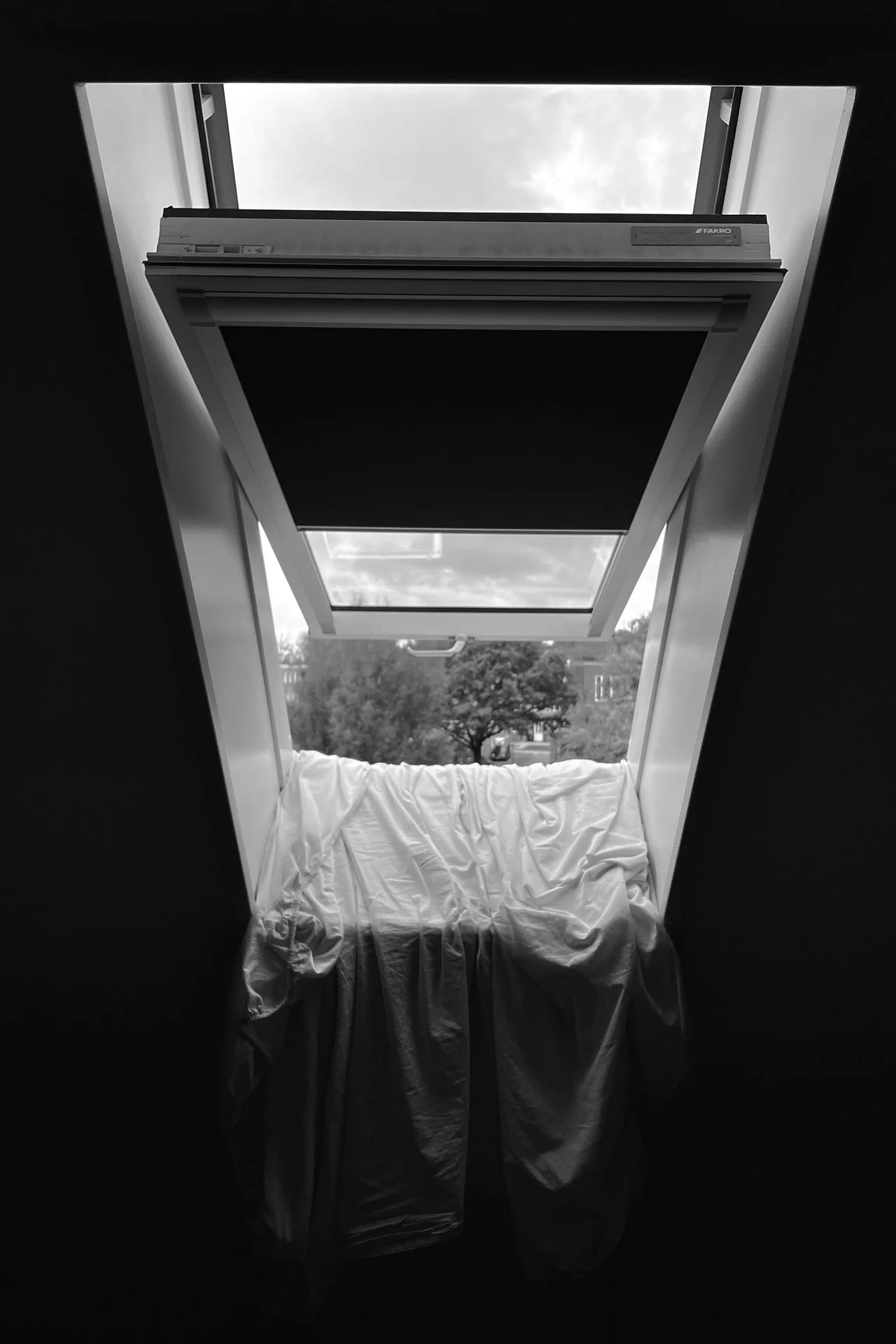
Curtains hung just above the window frame chop the wall short, while a rod mounted near the ceiling and extended well past the window sides makes the window look taller and wider. The fabric should just kiss the floor, not puddle, so measure from the new rod height before buying. Light fabric keeps the effect airy, and the extra width means the curtains stack over wall, not glass, when open. I moved my rod up by thirty centimetres and the window looked like it belonged in a bigger house. It is a ten-dollar rod and an hour of work for a genuinely dramatic change.
Cost: ~$18 | Time: 1 hour
16. Add a Rolling Cart as a Movable Nightstand
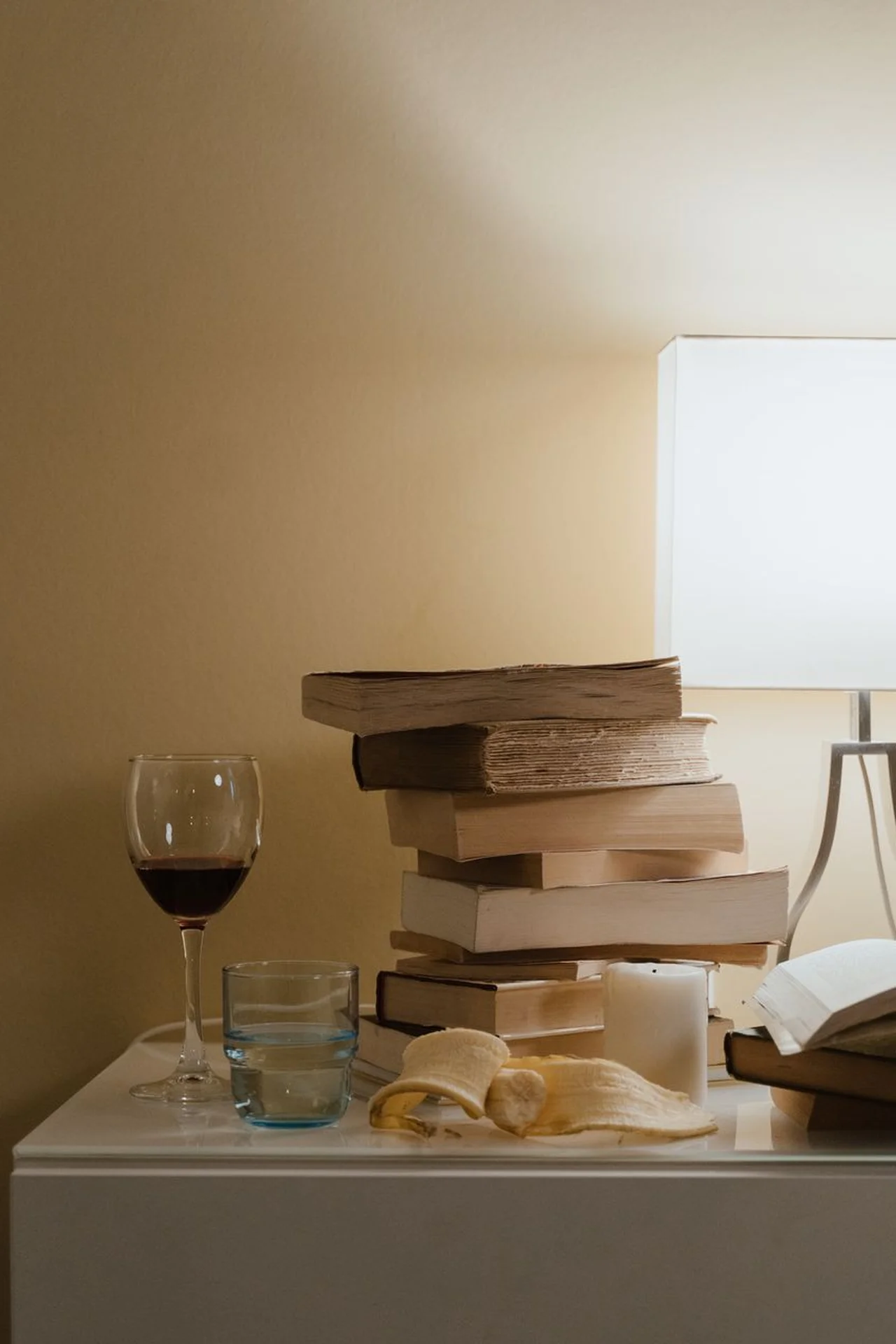
A rolling cart with two or three tiers works as a nightstand that can move wherever you need it — beside the bed at night, beside a chair for reading, or out of the way when guests stay over. Locking wheels keep it still while you sleep, and the lower tiers hold books, chargers and hand cream that would otherwise pile on the bed. Choose a slim cart that fits the gap beside your bed, and keep the top tier for just the nightly essentials. Mine started life as a kitchen cart, got a coat of paint, and now does night duty better than the bulky nightstand it replaced.
Cost: ~$25 | Time: 20 minutes
Pro tip: Keep a small basket on the cart’s bottom tier for chargers and cables, so the top stays clear and the cart still rolls smoothly.
17. Choose a Glass or Acrylic Chair to Disappear
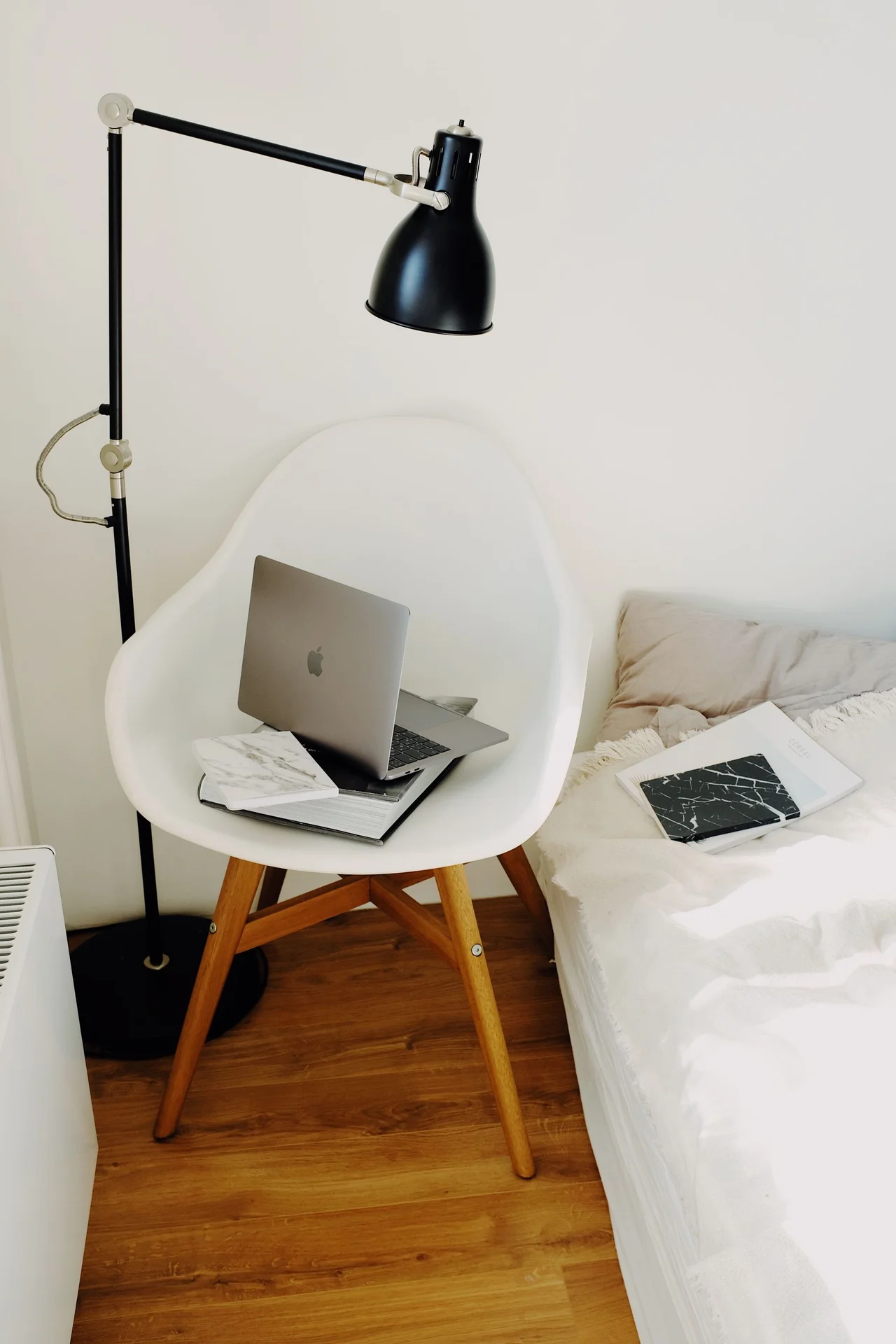
Every solid chair in a tiny bedroom reads as a block of furniture, but a glass or acrylic chair almost disappears. It gives you a proper seat for getting dressed or working at the folding desk without visually filling the room. Acrylic is lighter and cheaper than glass, and it wipes clean with a damp cloth. Keep it near the window or the mirror where light passes through it, and the effect is even stronger. I was sceptical until I tried one — the chair is there when I need it and somehow not there when I look at the room, which is exactly what a small space needs.
Cost: ~$45 | Time: 10 minutes
18. Create a Tiny Dressing Corner With a Leaner Mirror
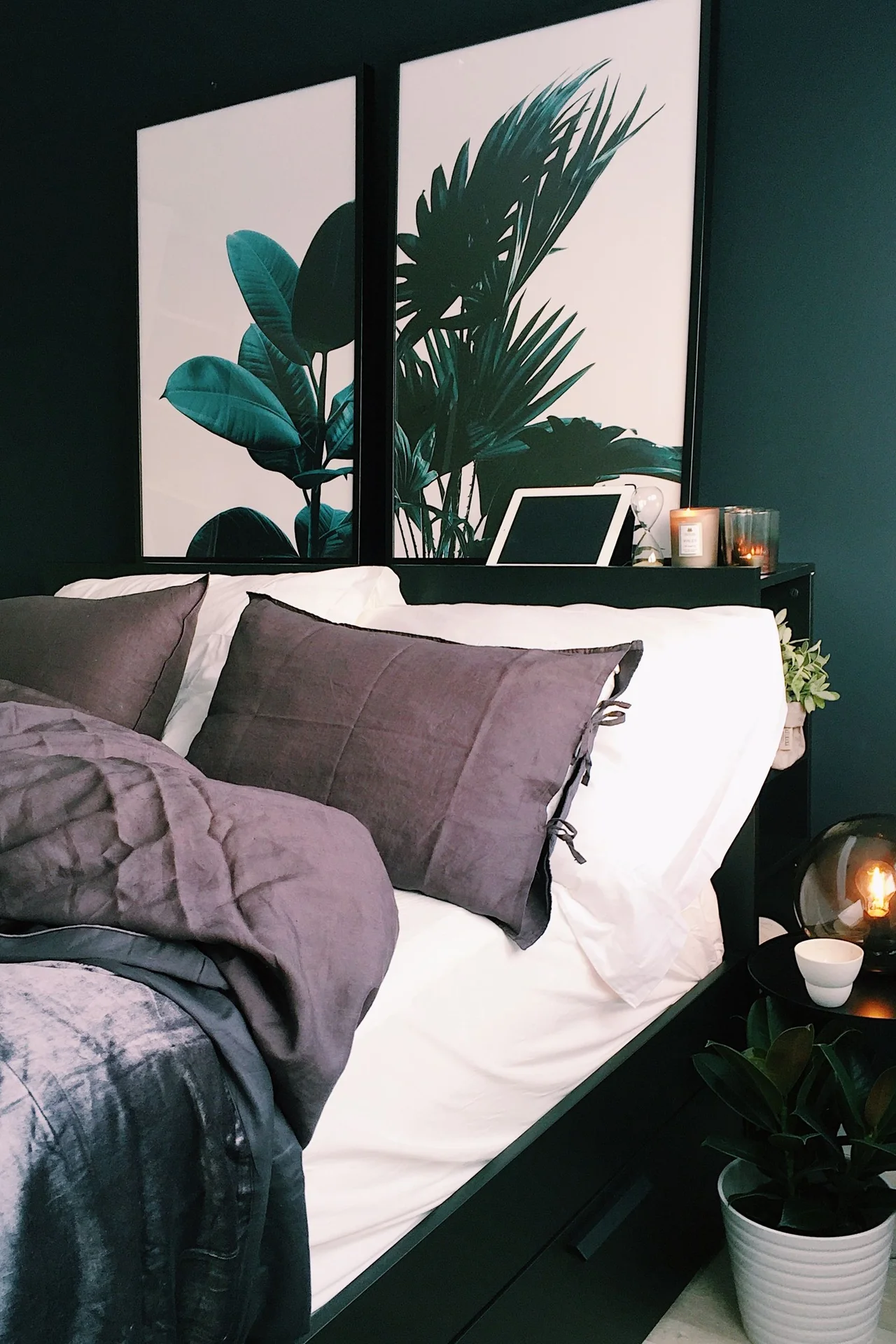
A full dressing table is a luxury a tiny bedroom rarely allows, but a leaner mirror and a wall hook create a dressing corner in a spare stretch of wall. Lean the mirror securely against the wall, add one hook for tomorrow’s outfit and a small tray on the floor for jewellery, and you have a getting-ready spot that takes no furniture at all. Anchor the mirror to the wall if children or pets share the house, because a leaning mirror that falls is no bargain. My corner takes up less than a square metre and has ended the morning routine of hunting for outfits across three rooms.
Cost: ~$40 | Time: 20 minutes
19. Leave One Wall Almost Bare on Purpose
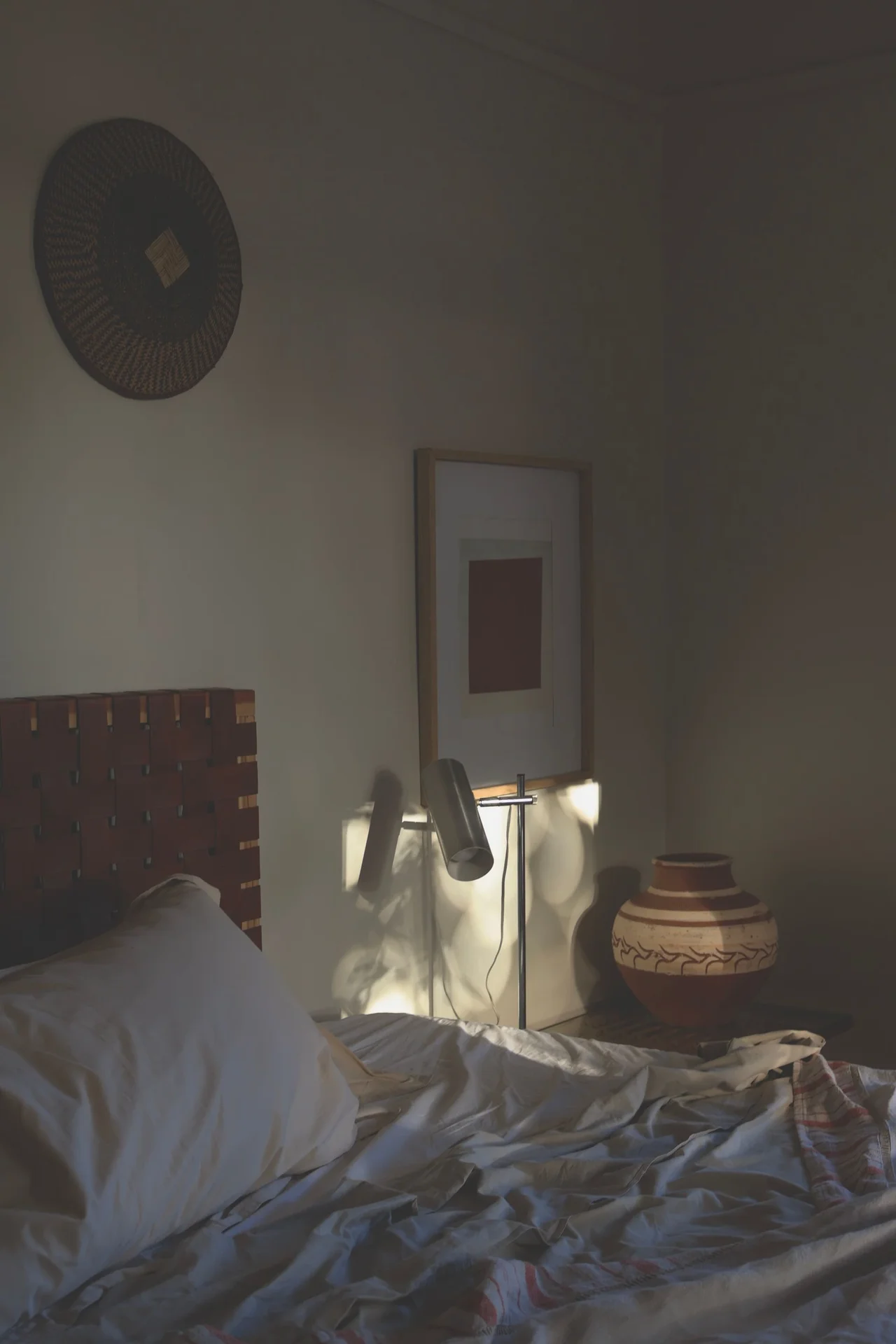
The hardest tiny bedroom idea is also the cheapest: leave one wall almost completely bare, on purpose, all the time. No shelves, no art, no hooks — just paint and breathing room. An empty wall gives the eye somewhere to rest, which makes the furnished walls feel intentional instead of crowded, and it stops the room tipping from cosy into cluttered. It takes discipline, because every spare frame and poster will tempt you to fill it. I tried this — the mistake to avoid is treating it as unfinished. It is a choice, and in a small room it is the choice that makes every other idea on this list look better. For a final round of inspiration, see my (see also: small-bedroom-decor-ideas) collection.
Cost: ~$0 | Time: 10 minutes
Tiny bedrooms reward the person who edits ruthlessly and spends carefully. Start with the free wins — the bare wall, the high curtain rod, the neutral bedding — then add mirrors and storage as the budget allows. Before long, your small room will feel like the calmest, best-looking space in the house.
