23 Entryway Rug Ideas That Welcome Guests
The first thing guests step onto sets the tone for the whole house, and these entryway rug ideas taught me that a rug is not just decoration, it is the landing pad for muddy shoes and wet umbrellas. I have tried rugs that slid, rugs that trapped dirt, and rugs that were too thick for the door to open. The ones below are the keepers, the ones I would buy again.
Natural Fibers
1. Washable Jute Runner
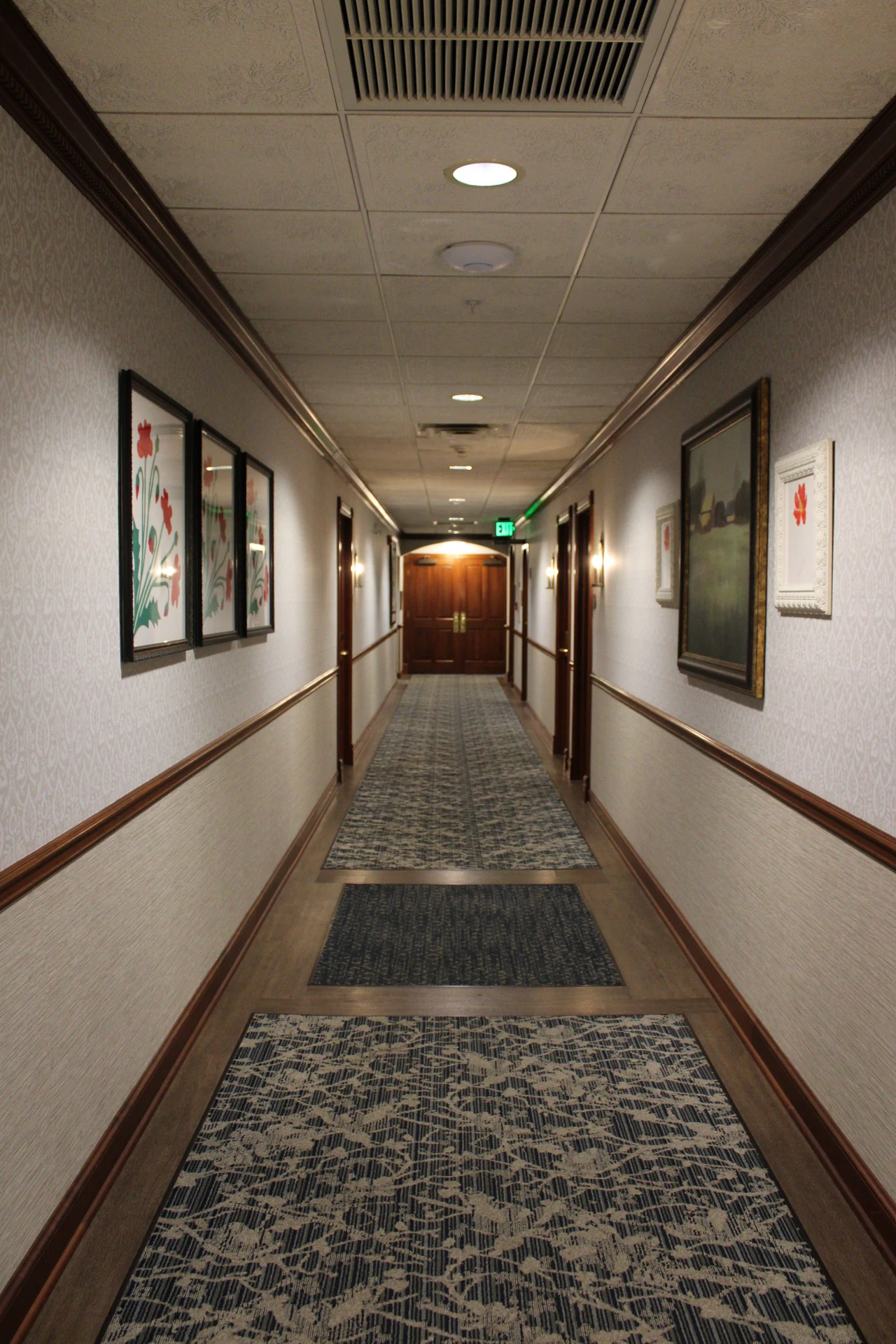
A washable jute runner is one of those small changes that makes the whole entryway feel sorted without a big project. First, clear the spot where it will live and measure it, because a piece that is even an inch too wide will bug you every day. Then, put it in place and live with it for a day before you add anything else around it. Finally, give it one real job, like holding keys, bags, or shoes, so it is useful and not just pretty. I tried this last year and the first version was too high, so I lowered it and suddenly everyone actually used it.
Cost: ~$22 | Time: 10 minutes
2. Layered Doormat and Rug
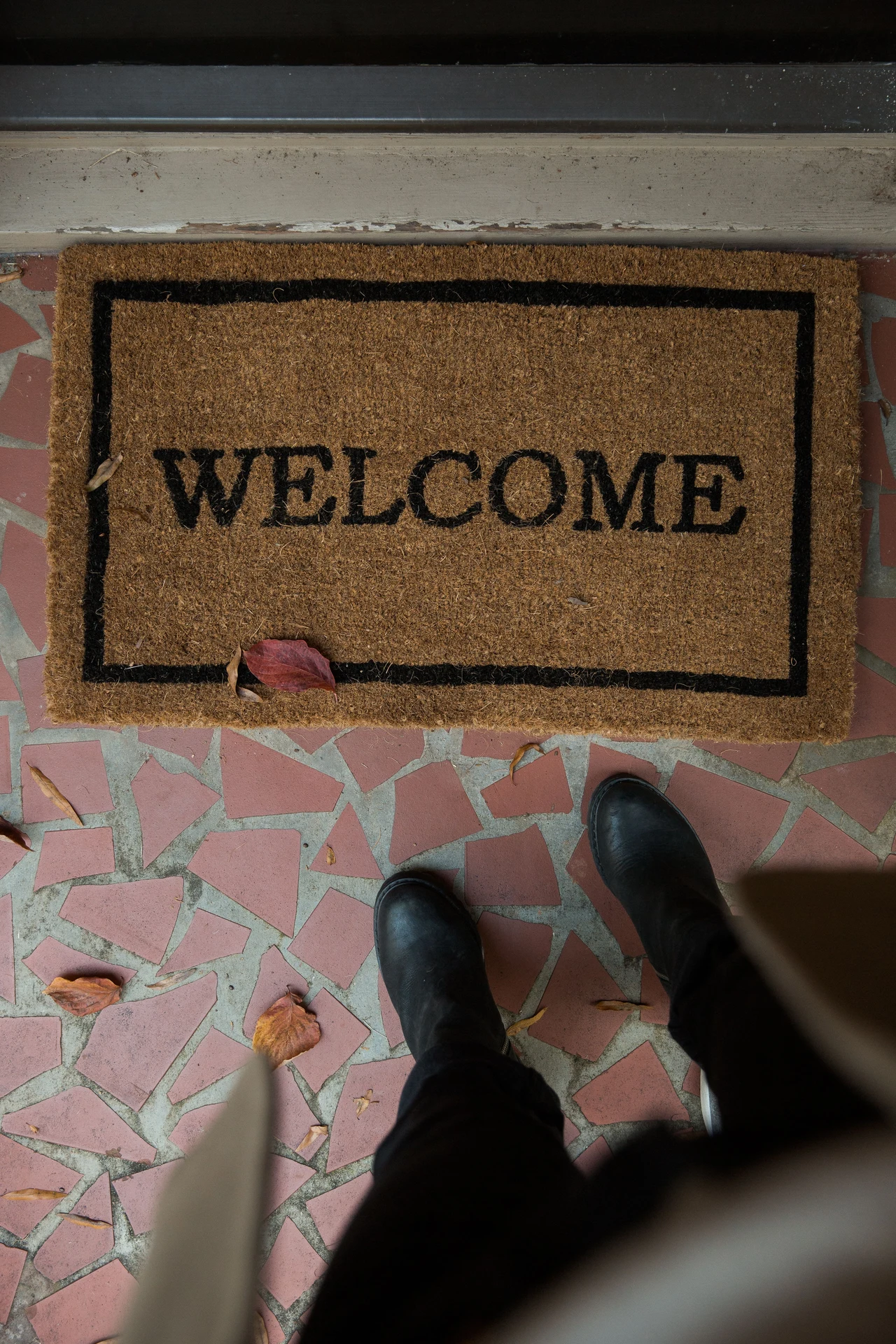
When our entryway felt like a dumping ground, a layered doormat and rug helped more than I expected. I started by picking the exact corner or wall it needed, then I gathered what I already owned before buying anything new. After that, I set it up, stepped back to the front door, and checked the view a guest would see. My mistake was buying the pretty version first instead of measuring, and I had to return it the same week. It still needs a quick tidy once a week, but that takes two minutes now. It pairs well with (see also: 21-small-foyer-ideas-on-a-dime).
Cost: ~$18 | Time: 15 minutes
3. Vintage-Look Washable Rug
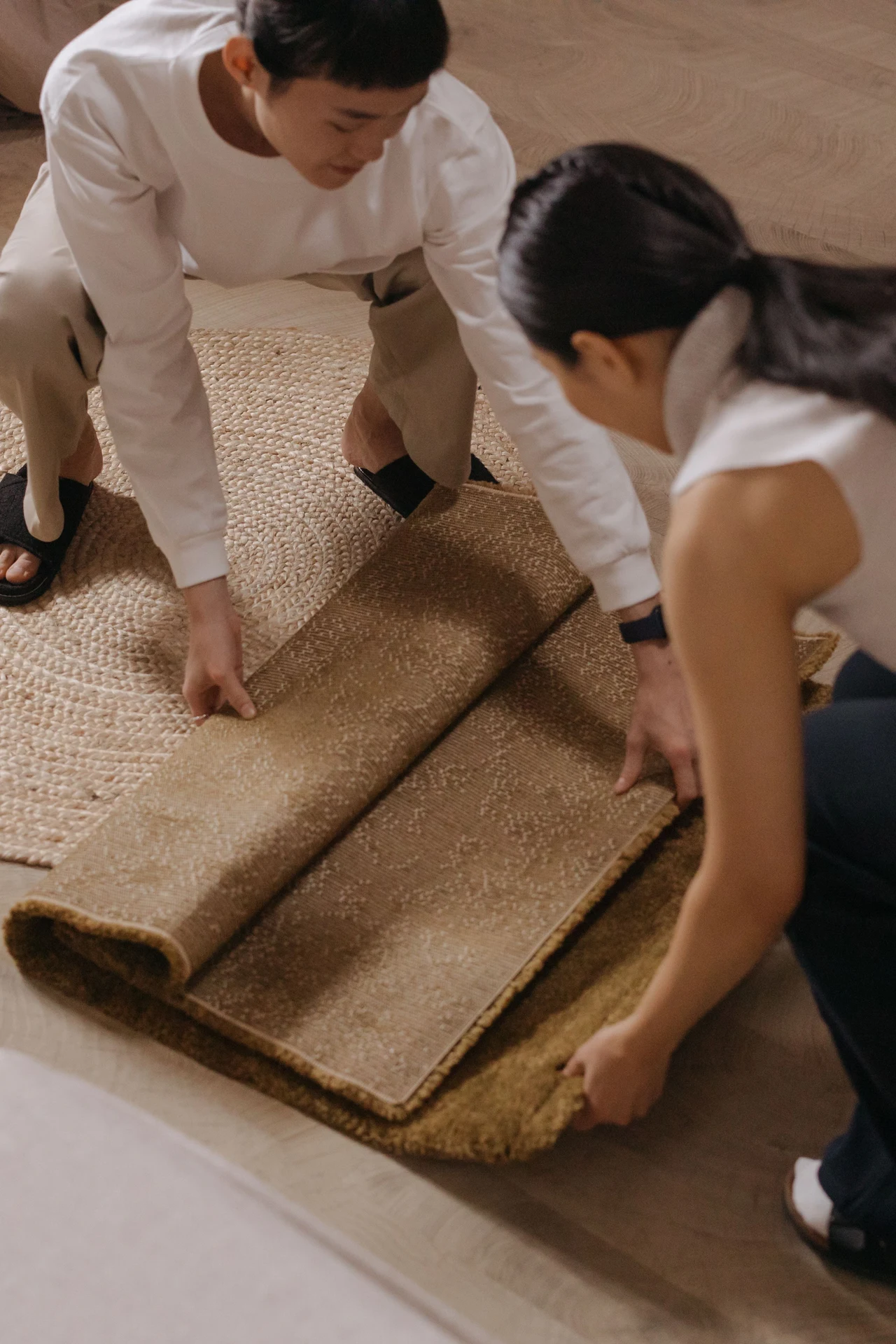
I like a vintage-look washable rug because it solves a daily annoyance and looks good doing it. Start with the messiest part of your entryway, not the prettiest, and decide what this piece should catch or hide. Next, place it where you naturally drop things when you walk in, which is usually closer to the door than you think. Then, add just one warm detail, like a candle or a small plant, so it does not feel like storage alone. I tried this on a tight weekend budget and it surprised me how much calmer our mornings felt afterward.
Cost: ~$25 | Time: 10 minutes
Pro tip: Buy the washable version if your door gets rain, mud, or wet paws in winter.
4. Braided Cotton Rug

If your entryway never quite feels finished, try a braided cotton rug and keep the rest simple. First, take everything out of that spot so you can see the space clearly. Then, bring this piece in on its own and check the size, height, and color in daylight. Finally, put back only what you actually use each day and store the rest somewhere else. My mistake was adding three extra decorations around it, which just hid the whole point, so I stripped it back. That last step is the one I used to skip, and it made all the difference.
Cost: ~$20 | Time: 10 minutes
5. Indoor-Outdoor Sisal Mat

A indoor-outdoor sisal mat works best when you treat it like a habit, not a decoration. I begin by watching how we use the door for a few days, noting where shoes land and where keys end up. Then, I place this piece right in that path, not in a tidy corner nobody touches. After a week, I adjust it once, moving it a few inches or swapping what sits on it. I tried this after a friend pointed out our entryway had no landing spot, and now I wonder how we lived without it.
Cost: ~$16 | Time: 10 minutes
Save this idea for your next weekend project.
6. Patterned Kilim Runner
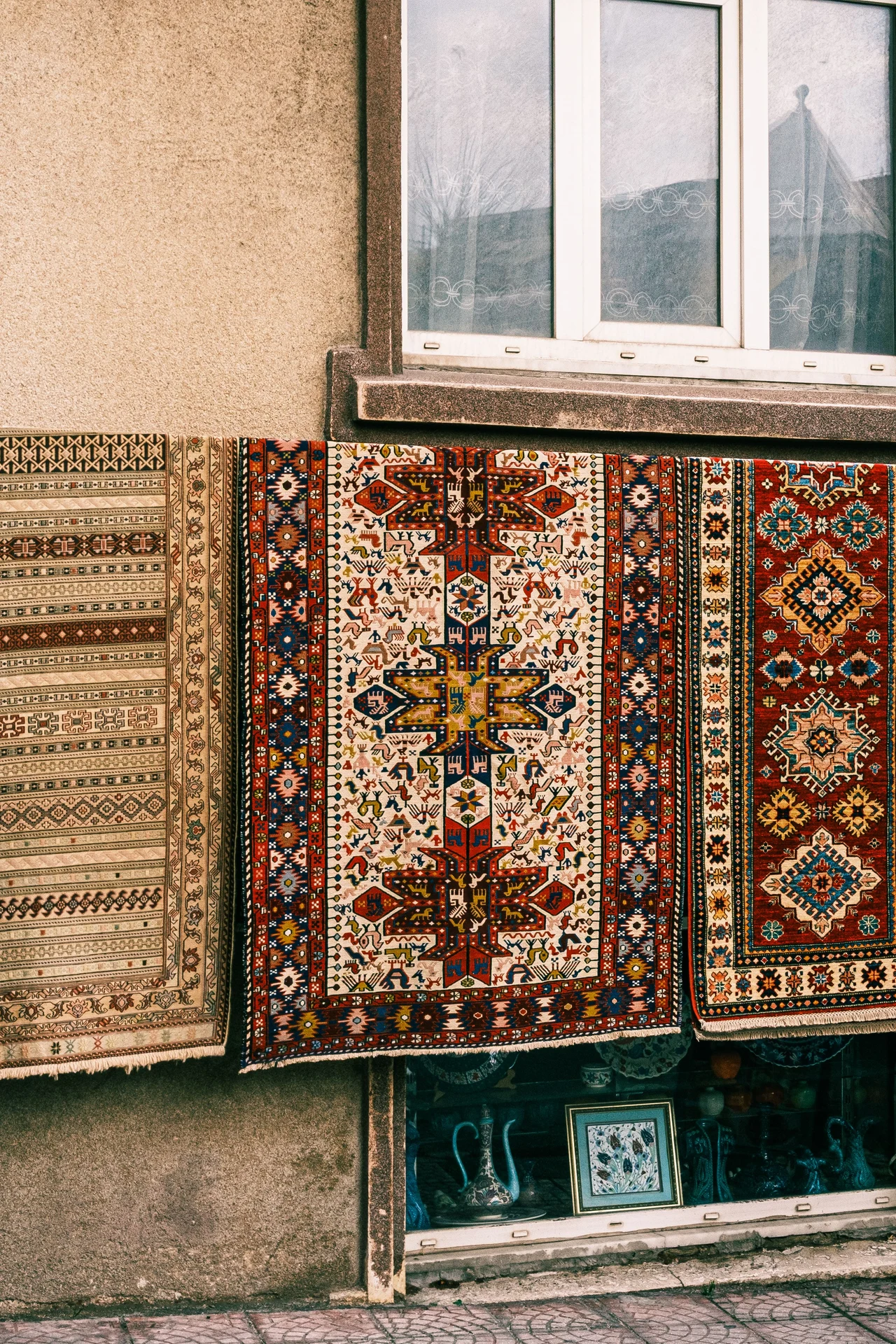
This is a simple, low-cost way to make coming home feel nicer: a patterned kilim runner. First, choose a spot with enough light so the piece does not disappear in a dark hall. Then, anchor it visually with one other item, like a rug, a basket, or a framed print, so it does not float on its own. Finally, test it in real life for a few mornings, opening the door with full hands to see if it helps or gets in the way. My mistake was placing it where it looked good in photos but not where we walk, so I moved it closer to the door.
Cost: ~$24 | Time: 10 minutes
7. Coir Welcome Mat
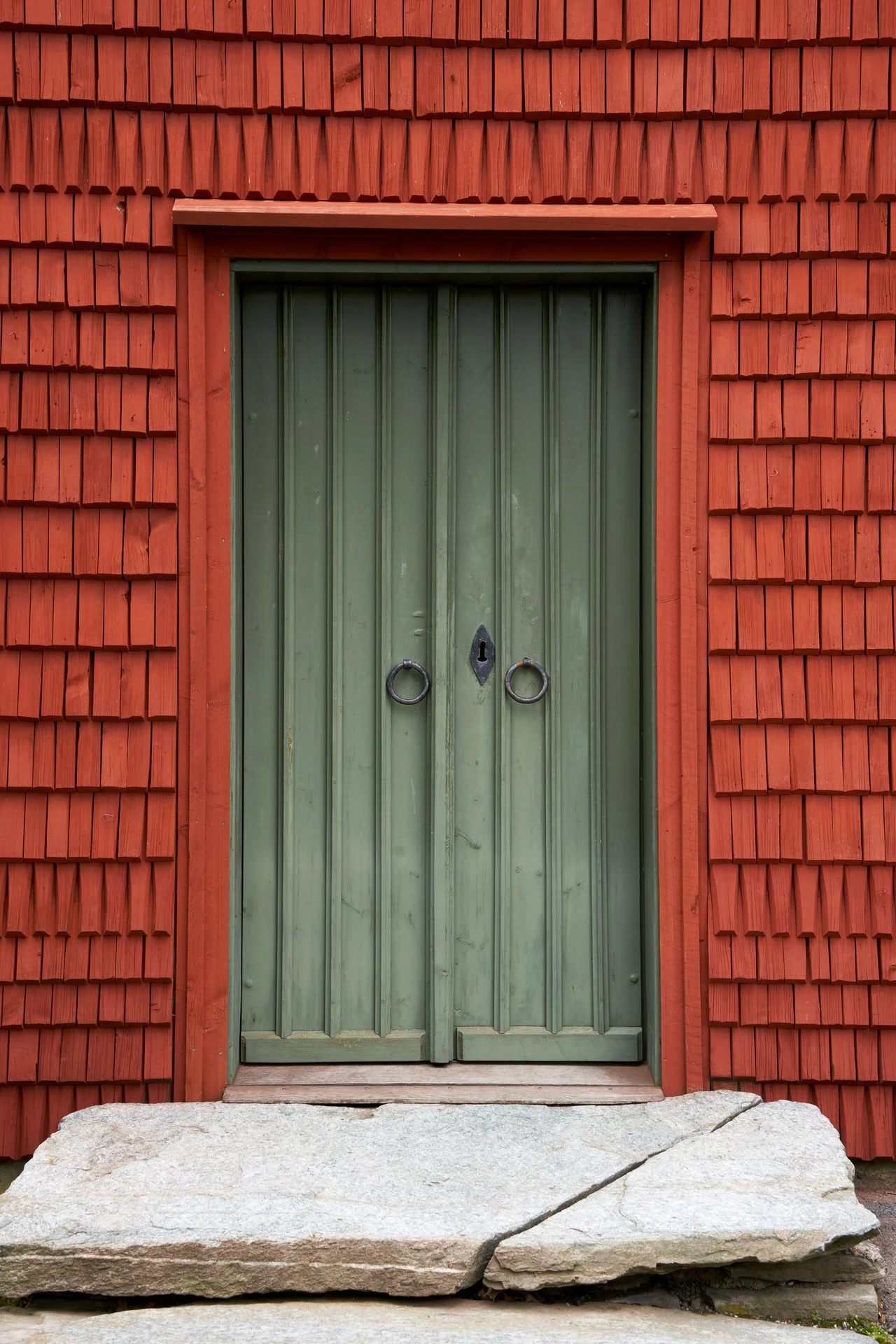
A coir welcome mat is one of those small changes that makes the whole entryway feel sorted without a big project. First, clear the spot where it will live and measure it, because a piece that is even an inch too wide will bug you every day. Then, put it in place and live with it for a day before you add anything else around it. Finally, give it one real job, like holding keys, bags, or shoes, so it is useful and not just pretty. I tried this last year and the first version was too high, so I lowered it and suddenly everyone actually used it.
Cost: ~$9 | Time: 10 minutes
Washable and Practical
8. Soft Wool Runner
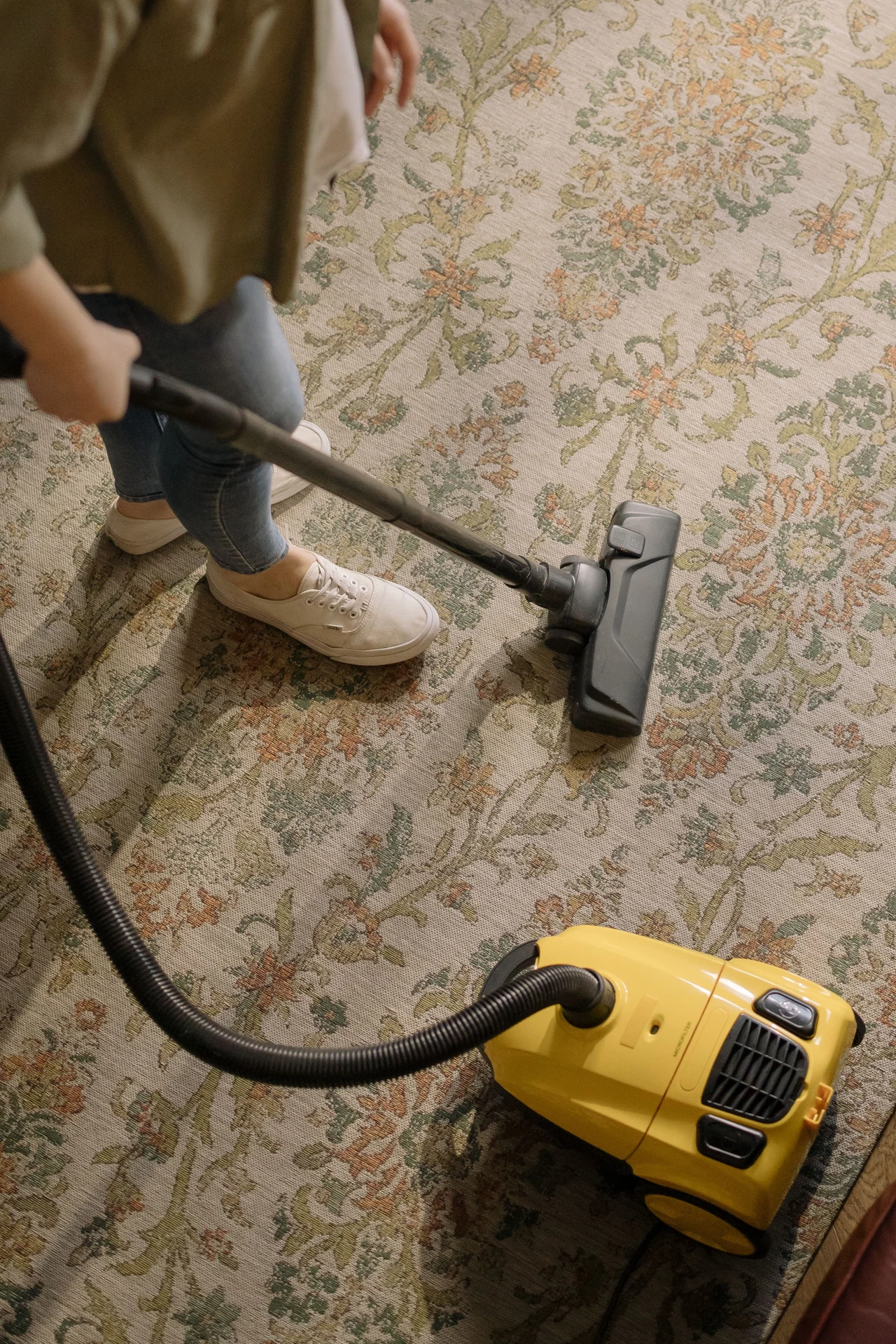
When our entryway felt like a dumping ground, a soft wool runner helped more than I expected. I started by picking the exact corner or wall it needed, then I gathered what I already owned before buying anything new. After that, I set it up, stepped back to the front door, and checked the view a guest would see. My mistake was buying the pretty version first instead of measuring, and I had to return it the same week. It still needs a quick tidy once a week, but that takes two minutes now.
Cost: ~$28 | Time: 10 minutes
9. Striped Flatweave Rug
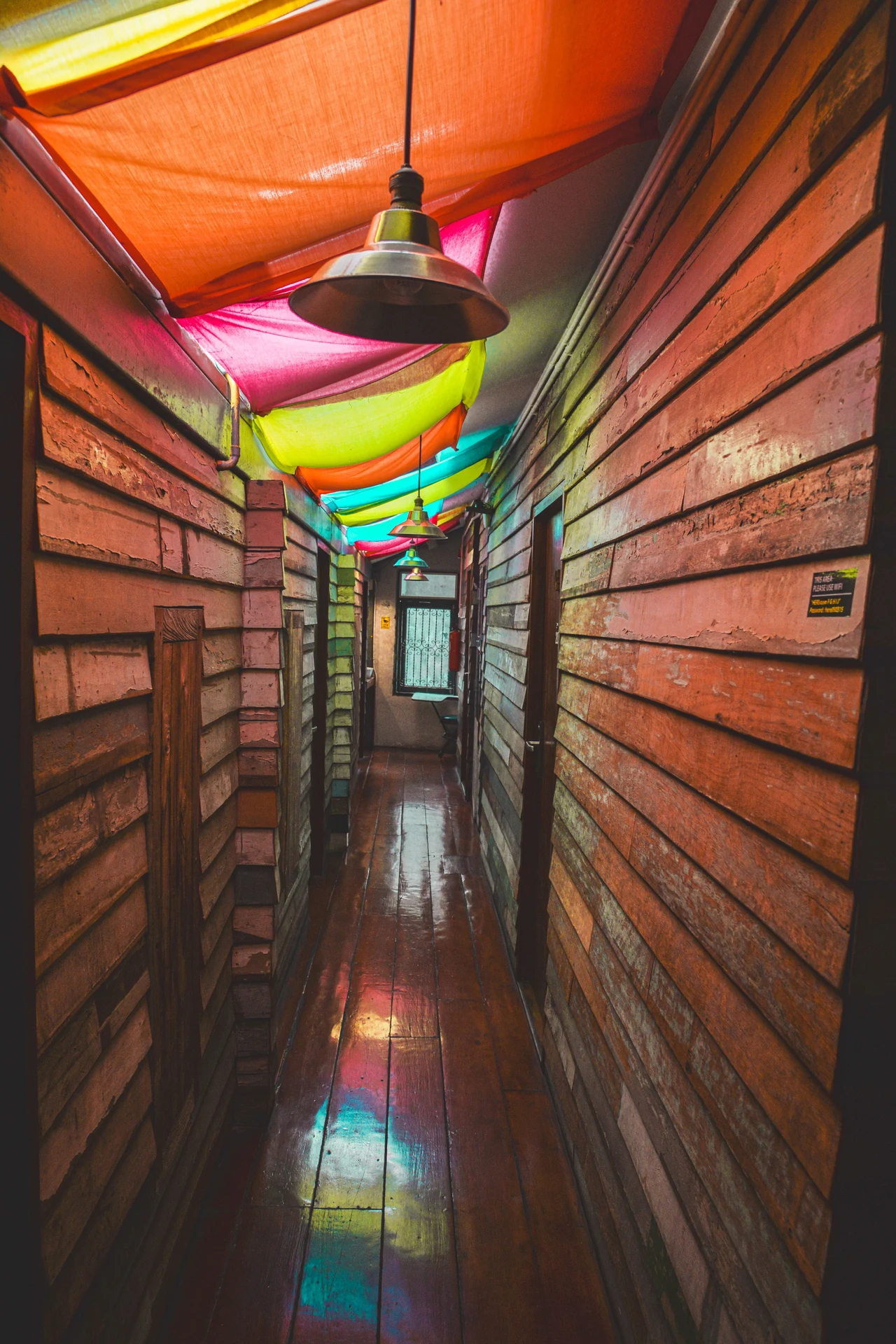
I like a striped flatweave rug because it solves a daily annoyance and looks good doing it. Start with the messiest part of your entryway, not the prettiest, and decide what this piece should catch or hide. Next, place it where you naturally drop things when you walk in, which is usually closer to the door than you think. Then, add just one warm detail, like a candle or a small plant, so it does not feel like storage alone. I tried this on a tight weekend budget and it surprised me how much calmer our mornings felt afterward.
Cost: ~$19 | Time: 10 minutes
Pro tip: Test the height with painter’s tape before you commit to anything on the wall.
10. Round Braided Rug
If your entryway never quite feels finished, try a round braided rug and keep the rest simple. First, take everything out of that spot so you can see the space clearly. Then, bring this piece in on its own and check the size, height, and color in daylight. Finally, put back only what you actually use each day and store the rest somewhere else. My mistake was adding three extra decorations around it, which just hid the whole point, so I stripped it back. That last step is the one I used to skip, and it made all the difference.
Cost: ~$17 | Time: 10 minutes
11. Low-Pile Rug for Doors That Stick
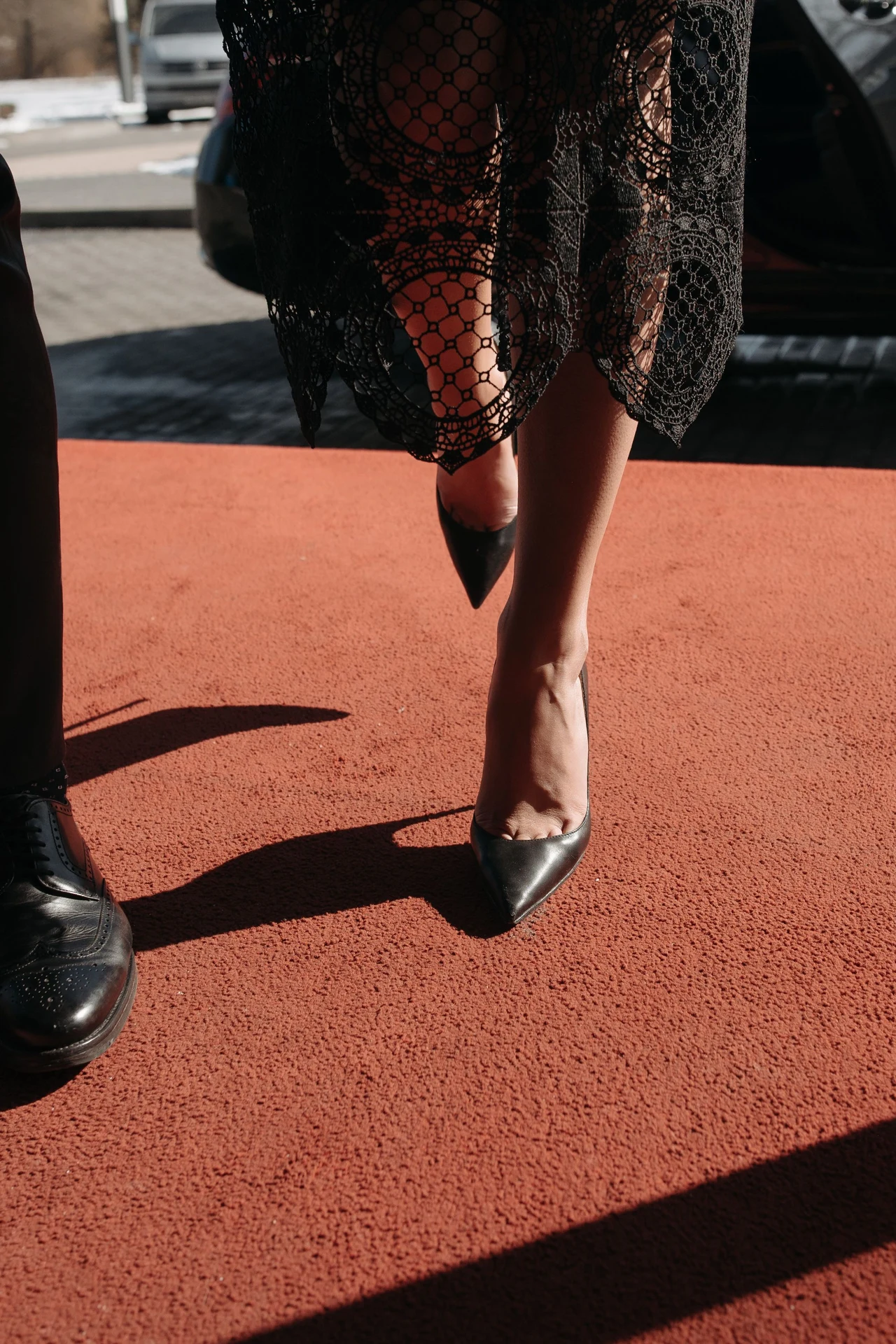
A low-pile rug for doors that stick works best when you treat it like a habit, not a decoration. I begin by watching how we use the door for a few days, noting where shoes land and where keys end up. Then, I place this piece right in that path, not in a tidy corner nobody touches. After a week, I adjust it once, moving it a few inches or swapping what sits on it. I tried this after a friend pointed out our entryway had no landing spot, and now I wonder how we lived without it.
Cost: ~$15 | Time: 15 minutes
12. Dark Rug That Hides Dirt

This is a simple, low-cost way to make coming home feel nicer: a dark rug that hides dirt. First, choose a spot with enough light so the piece does not disappear in a dark hall. Then, anchor it visually with one other item, like a rug, a basket, or a framed print, so it does not float on its own. Finally, test it in real life for a few mornings, opening the door with full hands to see if it helps or gets in the way. My mistake was placing it where it looked good in photos but not where we walk, so I moved it closer to the door. It pairs well with (see also: 19-fall-entryway-decor-ideas-that-welcome-guests).
Cost: ~$18 | Time: 10 minutes
13. Bright Rug for a Dark Hall

A bright rug for a dark hall is one of those small changes that makes the whole entryway feel sorted without a big project. First, clear the spot where it will live and measure it, because a piece that is even an inch too wide will bug you every day. Then, put it in place and live with it for a day before you add anything else around it. Finally, give it one real job, like holding keys, bags, or shoes, so it is useful and not just pretty. I tried this last year and the first version was too high, so I lowered it and suddenly everyone actually used it.
Cost: ~$21 | Time: 10 minutes
14. Natural Fiber Rug With a Border
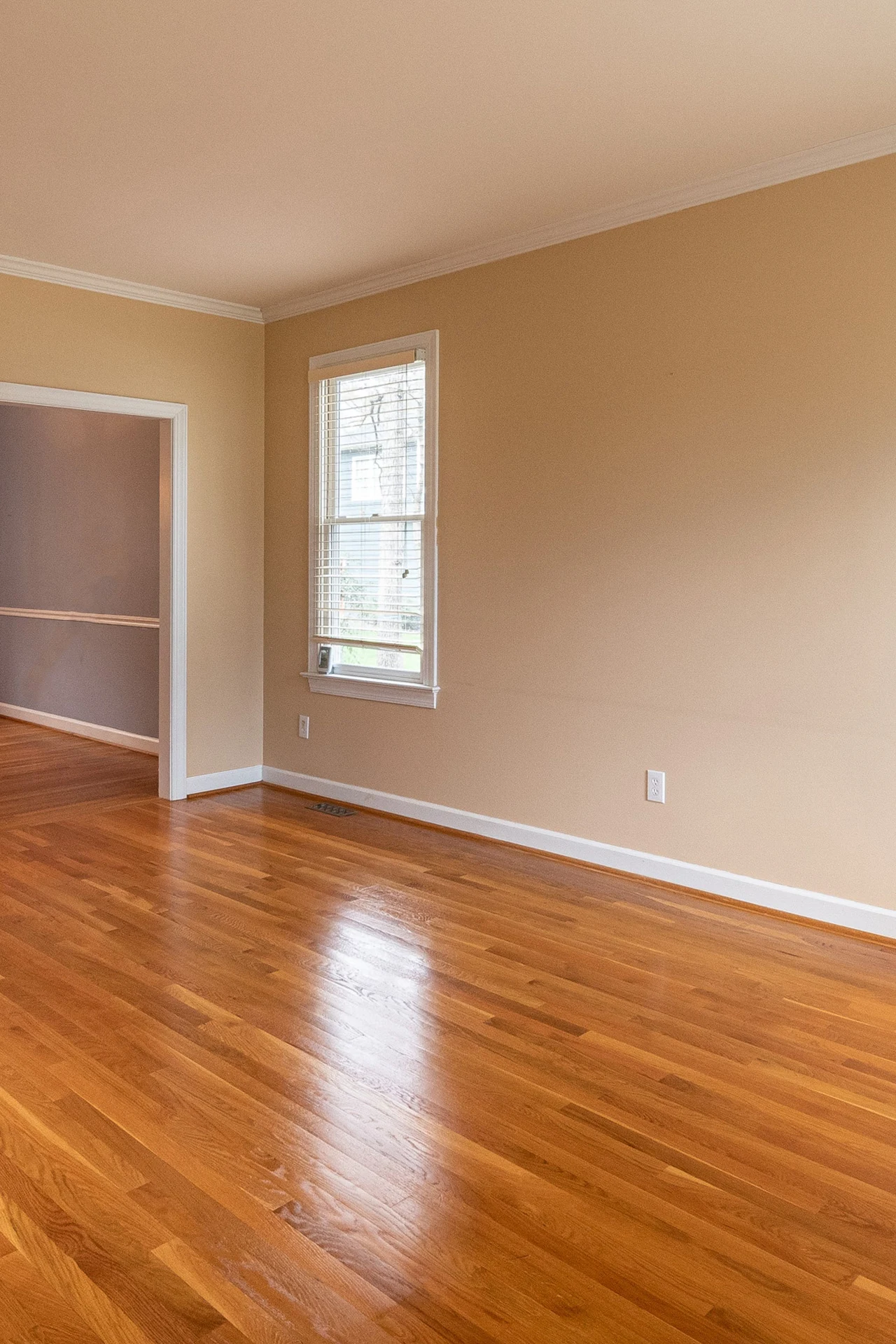
When our entryway felt like a dumping ground, a natural fiber rug with a border helped more than I expected. I started by picking the exact corner or wall it needed, then I gathered what I already owned before buying anything new. After that, I set it up, stepped back to the front door, and checked the view a guest would see. My mistake was buying the pretty version first instead of measuring, and I had to return it the same week. It still needs a quick tidy once a week, but that takes two minutes now.
Cost: ~$23 | Time: 10 minutes
Pattern and Color
15. Machine-Washable Check Rug
I like a machine-washable check rug because it solves a daily annoyance and looks good doing it. Start with the messiest part of your entryway, not the prettiest, and decide what this piece should catch or hide. Next, place it where you naturally drop things when you walk in, which is usually closer to the door than you think. Then, add just one warm detail, like a candle or a small plant, so it does not feel like storage alone. I tried this on a tight weekend budget and it surprised me how much calmer our mornings felt afterward.
Cost: ~$20 | Time: 10 minutes
Pro tip: Buy the washable version if your door gets rain, mud, or wet paws in winter.
16. Hand-Knotted Look Runner
If your entryway never quite feels finished, try a hand-knotted look runner and keep the rest simple. First, take everything out of that spot so you can see the space clearly. Then, bring this piece in on its own and check the size, height, and color in daylight. Finally, put back only what you actually use each day and store the rest somewhere else. My mistake was adding three extra decorations around it, which just hid the whole point, so I stripped it back. That last step is the one I used to skip, and it made all the difference.
Cost: ~$26 | Time: 10 minutes
17. Rug With a Non-Slip Pad

A rug with a non-slip pad works best when you treat it like a habit, not a decoration. I begin by watching how we use the door for a few days, noting where shoes land and where keys end up. Then, I place this piece right in that path, not in a tidy corner nobody touches. After a week, I adjust it once, moving it a few inches or swapping what sits on it. I tried this after a friend pointed out our entryway had no landing spot, and now I wonder how we lived without it.
Cost: ~$12 | Time: 15 minutes
18. Two Small Rugs Instead of One Long One

This is a simple, low-cost way to make coming home feel nicer: a two small rugs instead of one long one. First, choose a spot with enough light so the piece does not disappear in a dark hall. Then, anchor it visually with one other item, like a rug, a basket, or a framed print, so it does not float on its own. Finally, test it in real life for a few mornings, opening the door with full hands to see if it helps or gets in the way. My mistake was placing it where it looked good in photos but not where we walk, so I moved it closer to the door.
Cost: ~$24 | Time: 15 minutes
19. Outdoor Rug Inside the Door

A outdoor rug inside the door is one of those small changes that makes the whole entryway feel sorted without a big project. First, clear the spot where it will live and measure it, because a piece that is even an inch too wide will bug you every day. Then, put it in place and live with it for a day before you add anything else around it. Finally, give it one real job, like holding keys, bags, or shoes, so it is useful and not just pretty. I tried this last year and the first version was too high, so I lowered it and suddenly everyone actually used it.
Cost: ~$14 | Time: 10 minutes
20. Rug in a Warm Terracotta Tone
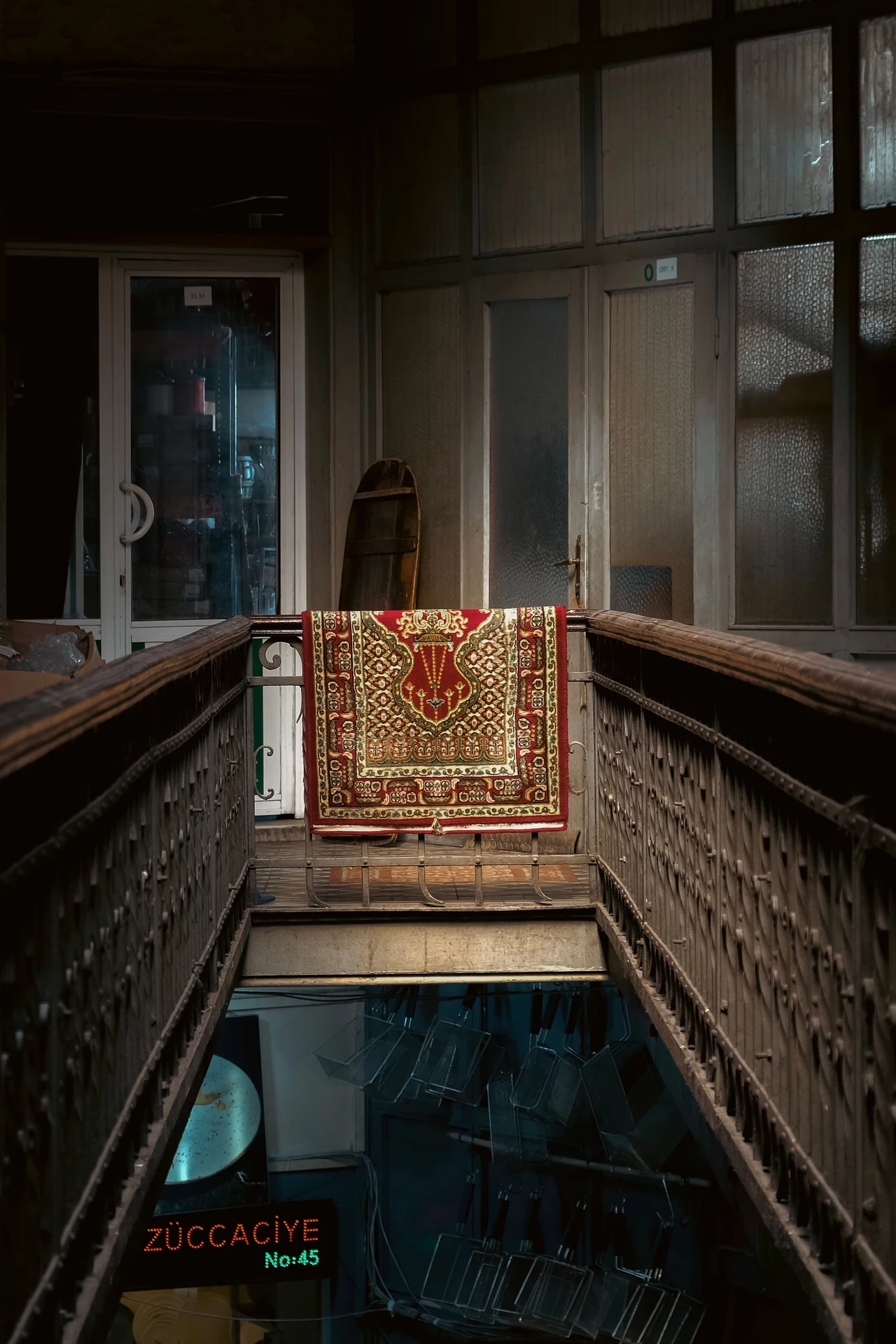
When our entryway felt like a dumping ground, a rug in a warm terracotta tone helped more than I expected. I started by picking the exact corner or wall it needed, then I gathered what I already owned before buying anything new. After that, I set it up, stepped back to the front door, and checked the view a guest would see. My mistake was buying the pretty version first instead of measuring, and I had to return it the same week. It still needs a quick tidy once a week, but that takes two minutes now.
Cost: ~$19 | Time: 10 minutes
21. Neutral Rug With Texture
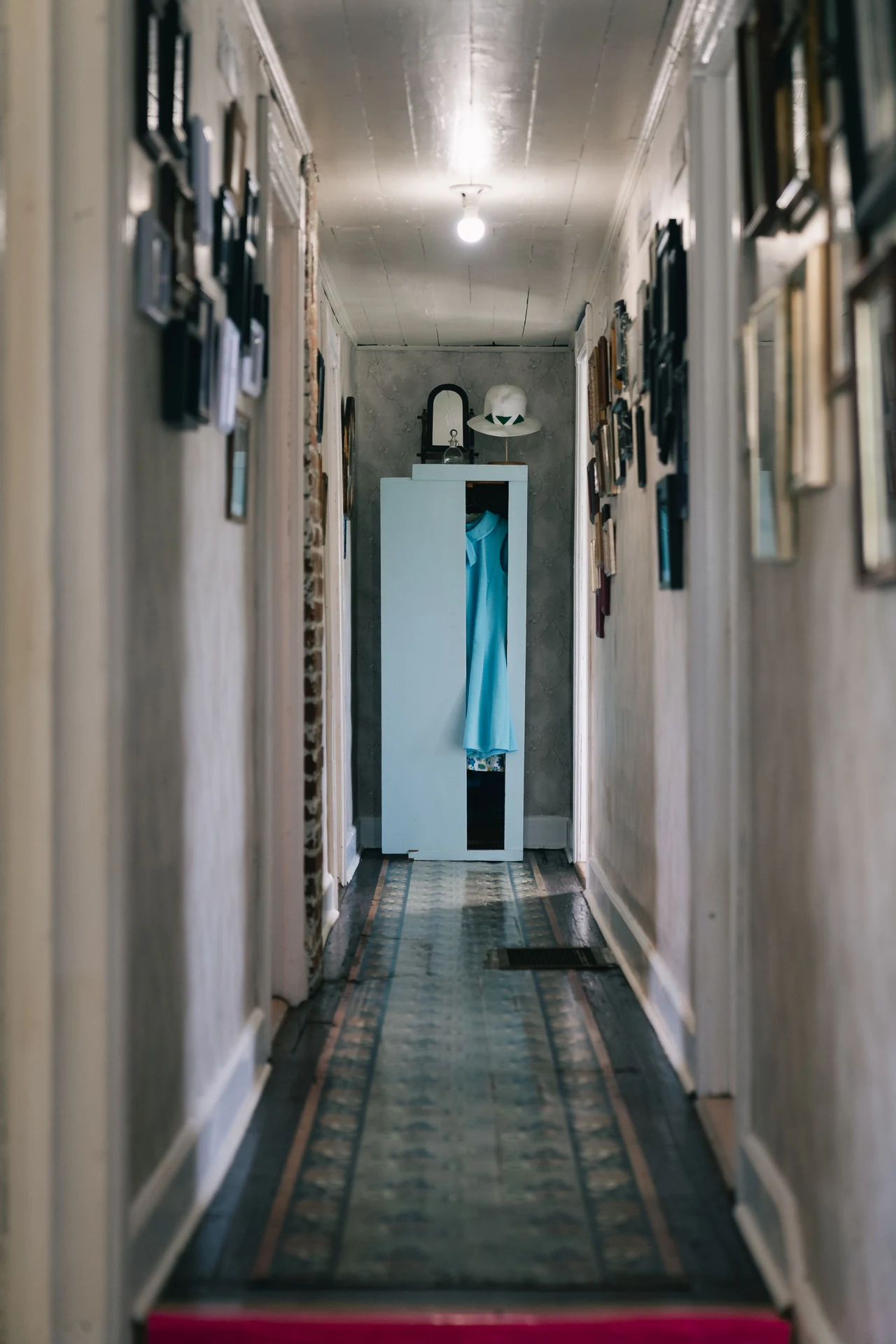
I like a neutral rug with texture because it solves a daily annoyance and looks good doing it. Start with the messiest part of your entryway, not the prettiest, and decide what this piece should catch or hide. Next, place it where you naturally drop things when you walk in, which is usually closer to the door than you think. Then, add just one warm detail, like a candle or a small plant, so it does not feel like storage alone. I tried this on a tight weekend budget and it surprised me how much calmer our mornings felt afterward.
Cost: ~$21 | Time: 10 minutes
22. Seasonal Rug Swap

If your entryway never quite feels finished, try a seasonal rug swap and keep the rest simple. First, take everything out of that spot so you can see the space clearly. Then, bring this piece in on its own and check the size, height, and color in daylight. Finally, put back only what you actually use each day and store the rest somewhere else. My mistake was adding three extra decorations around it, which just hid the whole point, so I stripped it back. That last step is the one I used to skip, and it made all the difference. It pairs well with (see also: 25-entryway-decor-ideas-under-30-that-feel-warm-and-welcoming).
Cost: ~$16 | Time: 20 minutes
23. Custom-Sized Rug for an Odd Foyer
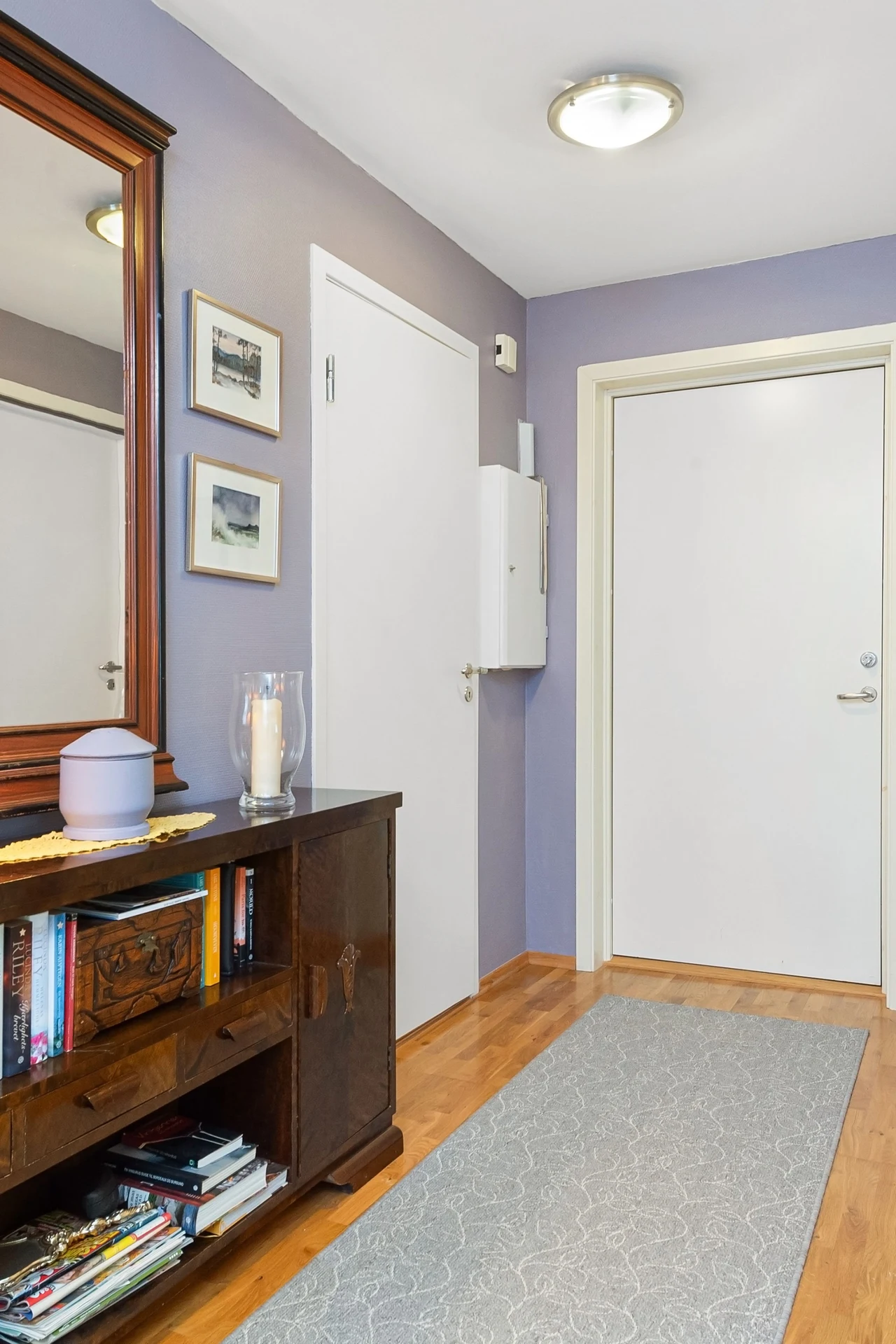
A custom-sized rug for an odd foyer works best when you treat it like a habit, not a decoration. I begin by watching how we use the door for a few days, noting where shoes land and where keys end up. Then, I place this piece right in that path, not in a tidy corner nobody touches. After a week, I adjust it once, moving it a few inches or swapping what sits on it. I tried this after a friend pointed out our entryway had no landing spot, and now I wonder how we lived without it.
Cost: ~$27 | Time: 20 minutes
