25 Micro-Apartment Ideas That Feel Spacious
I once lived in a 24-square-metre studio where the bed, the kitchen, and the front door were all within about six steps of each other. Friends would visit and say, “It feels bigger than I expected,” and I took that as the highest compliment. These micro apartment ideas are the ones that earned it. Nothing here knocks down a wall or costs a fortune, but together they trick the eye, free the floor, and make a tiny home feel genuinely spacious.
1. Paint Everything One Light Colour
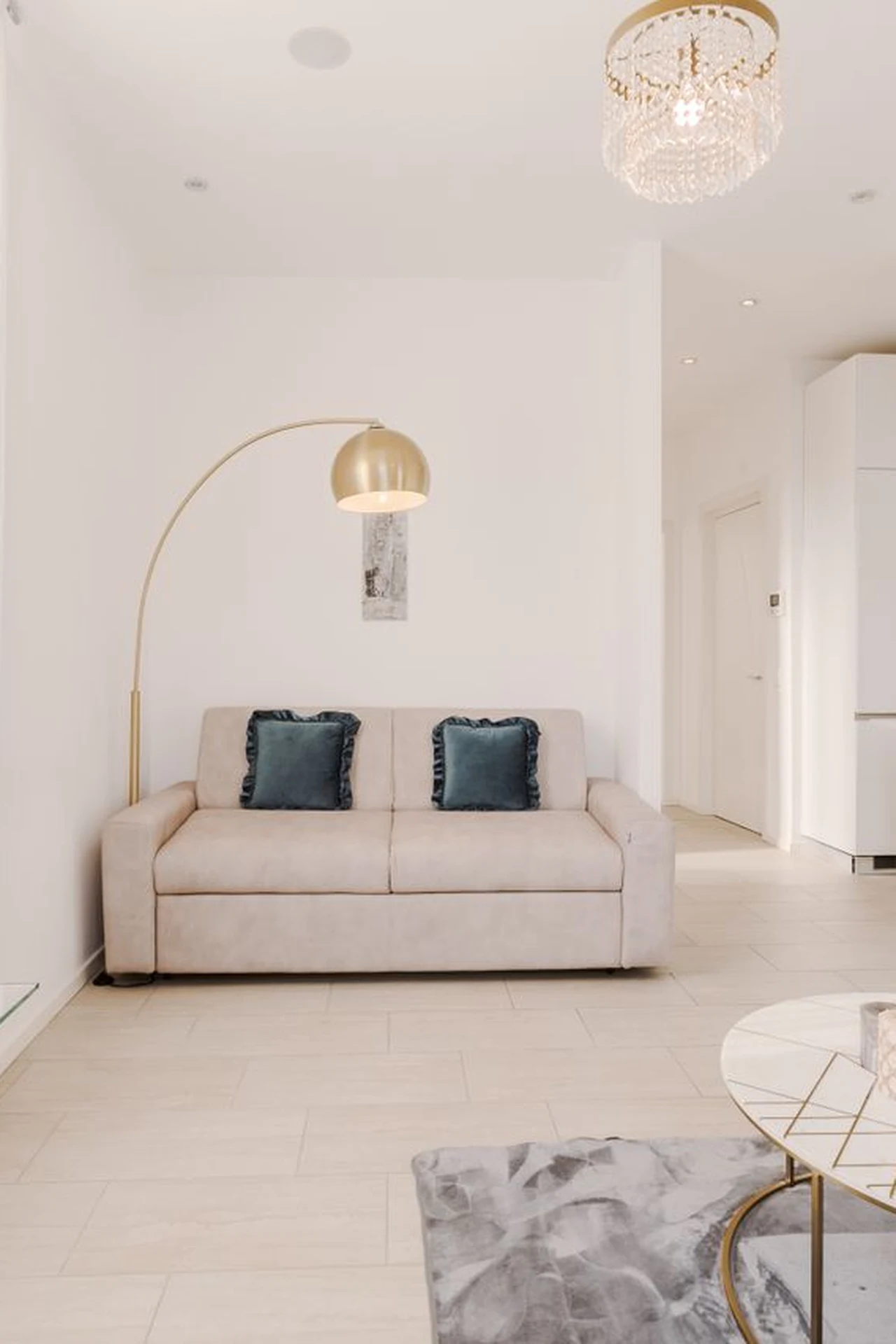
One continuous light colour on walls, trim, and ceiling erases the visual borders that chop a small space into pieces. Pick a warm white or pale greige, and carry it through every corner so the eye glides instead of stopping. I painted my whole studio one warm white, including the door frames, and the rooms stopped feeling like separate boxes. The mistake to avoid is using a cold, blue-white, which can make a small space feel clinical rather than calm.
Cost: ~$35 | Time: 180 minutes
2. Hang a Mirror Opposite the Window
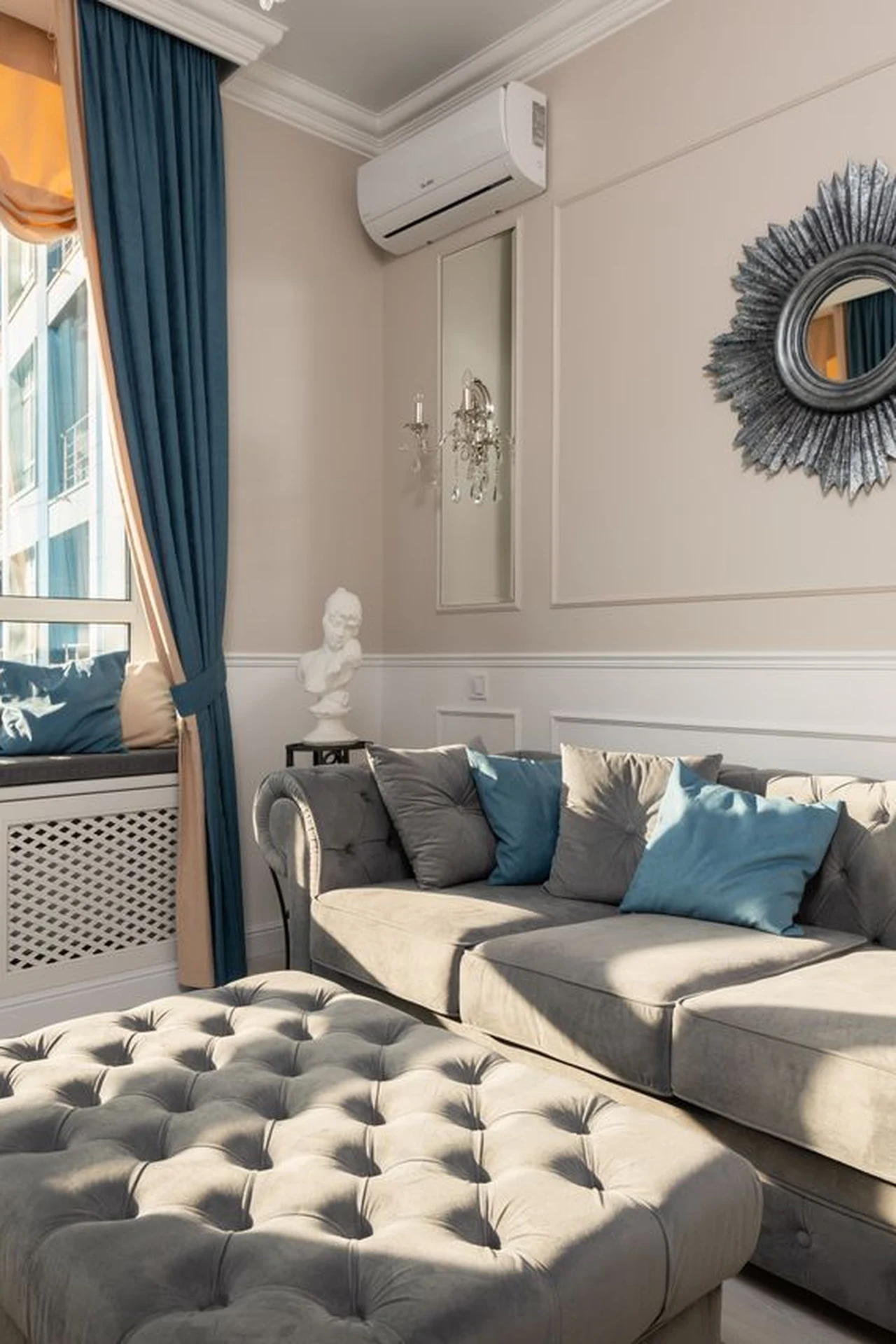
A mirror placed directly opposite a window doubles the daylight and the view, which is the oldest spaciousness trick in the book. Choose the largest mirror your wall and budget allow, and hang it at eye level so it reflects sky, not ceiling. I hung a tall mirror opposite my only window, and the apartment gained a second “window” overnight. Keep the mirror clean, since a dusty mirror doubles dust, not light. I angled it slightly toward the seating area, so the reflection felt natural, not staged.
Cost: ~$20 | Time: 20 minutes
3. Choose Furniture With Visible Legs
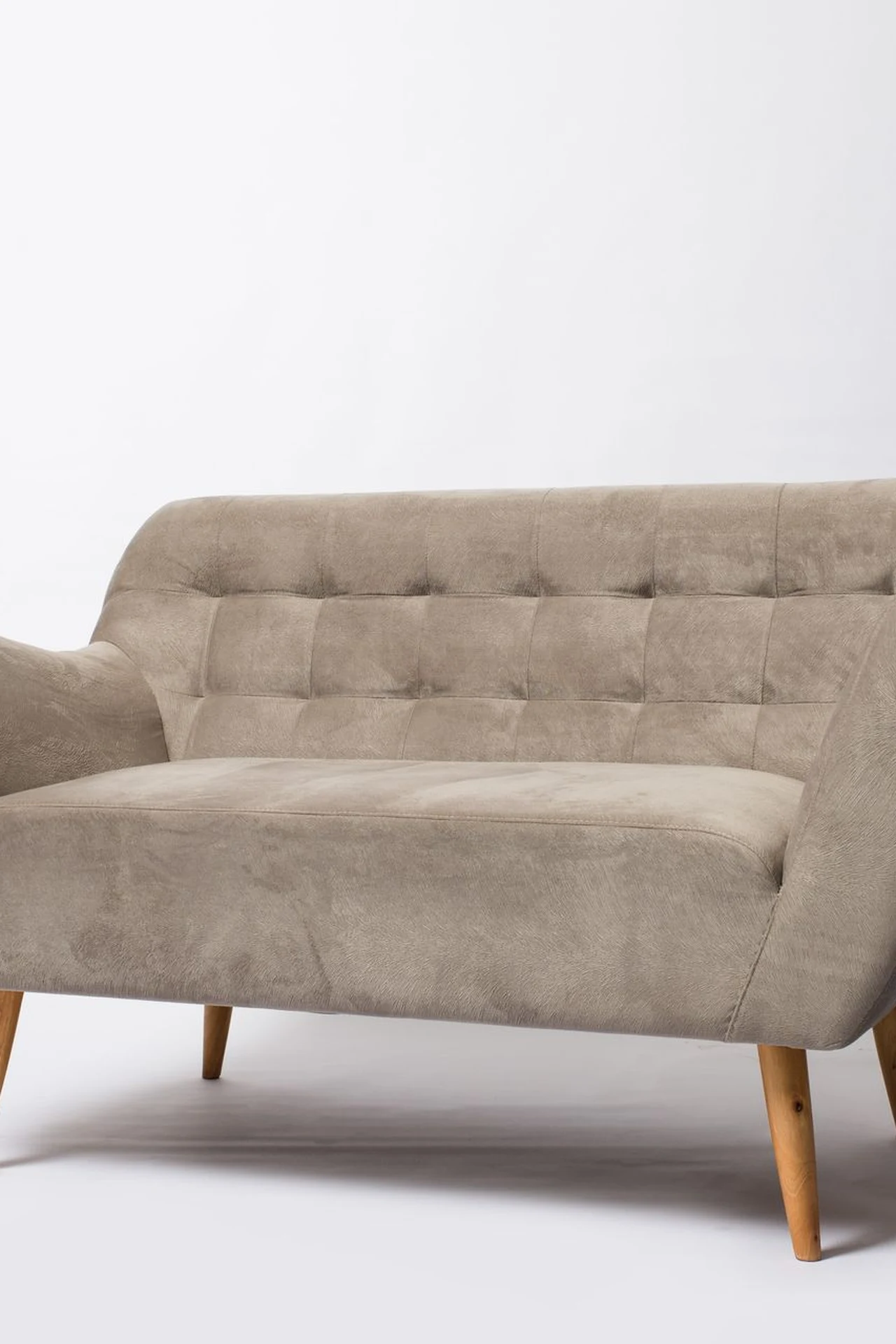
Sofas, beds, and cabinets on legs let you see floor underneath, and visible floor reads as more space. Swap a boxy sofa for one on slim wooden legs, and pick a bed frame that shows a few inches of floor beneath. I raised my bed on a legged frame and suddenly the room felt like it could breathe. Avoid skirts and plinths that run to the floor, since they turn furniture into solid blocks. I chose slim tapered legs, since chunky legs eat the very floor space you are trying to show.
Cost: ~$0 | Time: 30 minutes
4. Use a Glass or Lucite Coffee Table
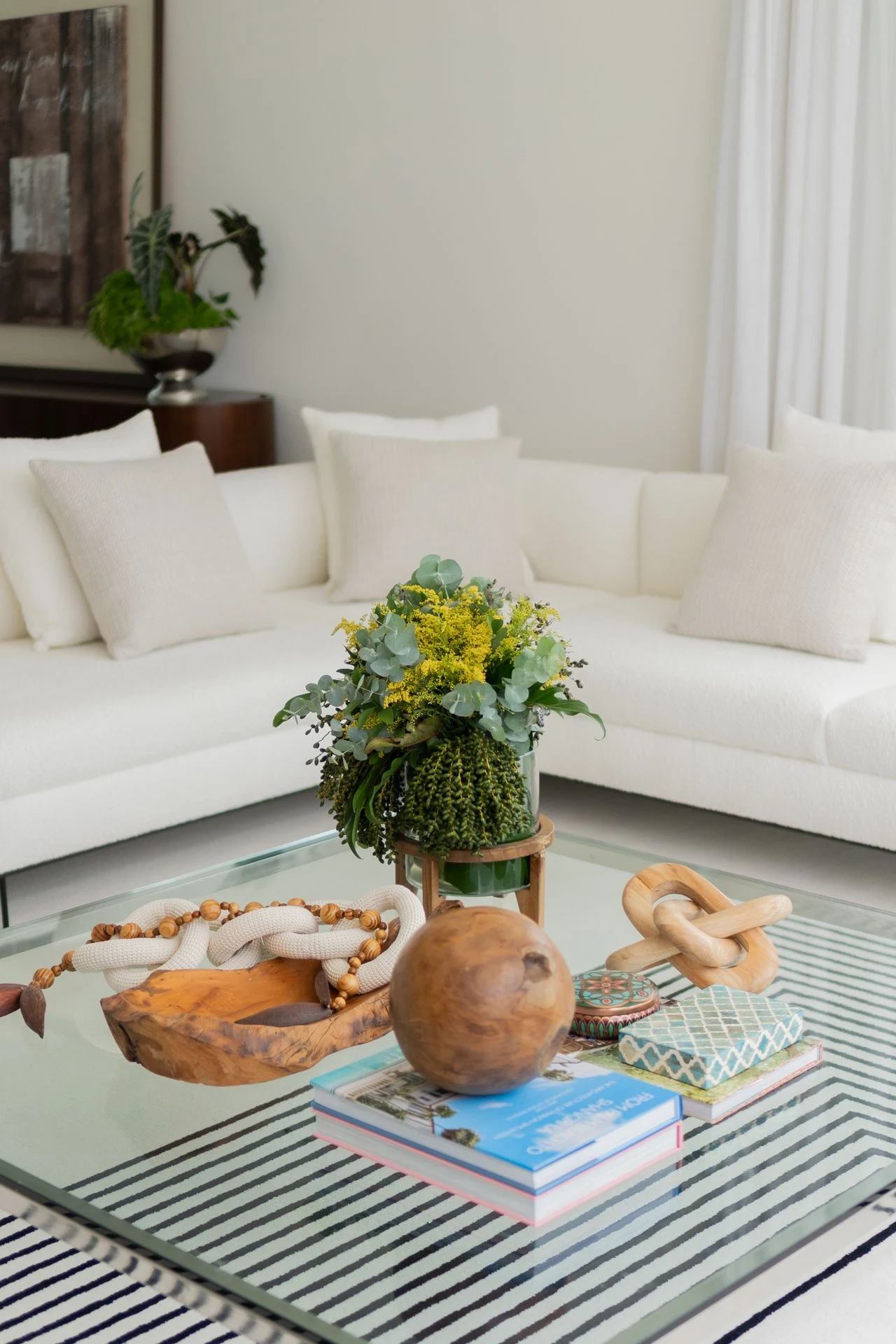
A glass coffee table practically disappears, so your eye travels straight through it to the rug and floor beyond. This matters enormously in a micro apartment, where a chunky wooden table can eat the whole visual centre of the room. I swapped my wooden table for a secondhand glass one, and the living area felt twice as open. Wipe it daily, since glass shows every fingerprint and dust mote. I keep a small tray on top, so remotes and cups never slide off the smooth glass.
Cost: ~$25 | Time: 15 minutes
(see also: 17-budget-small-living-room-ideas-with-big-style)
5. Mount the TV on the Wall
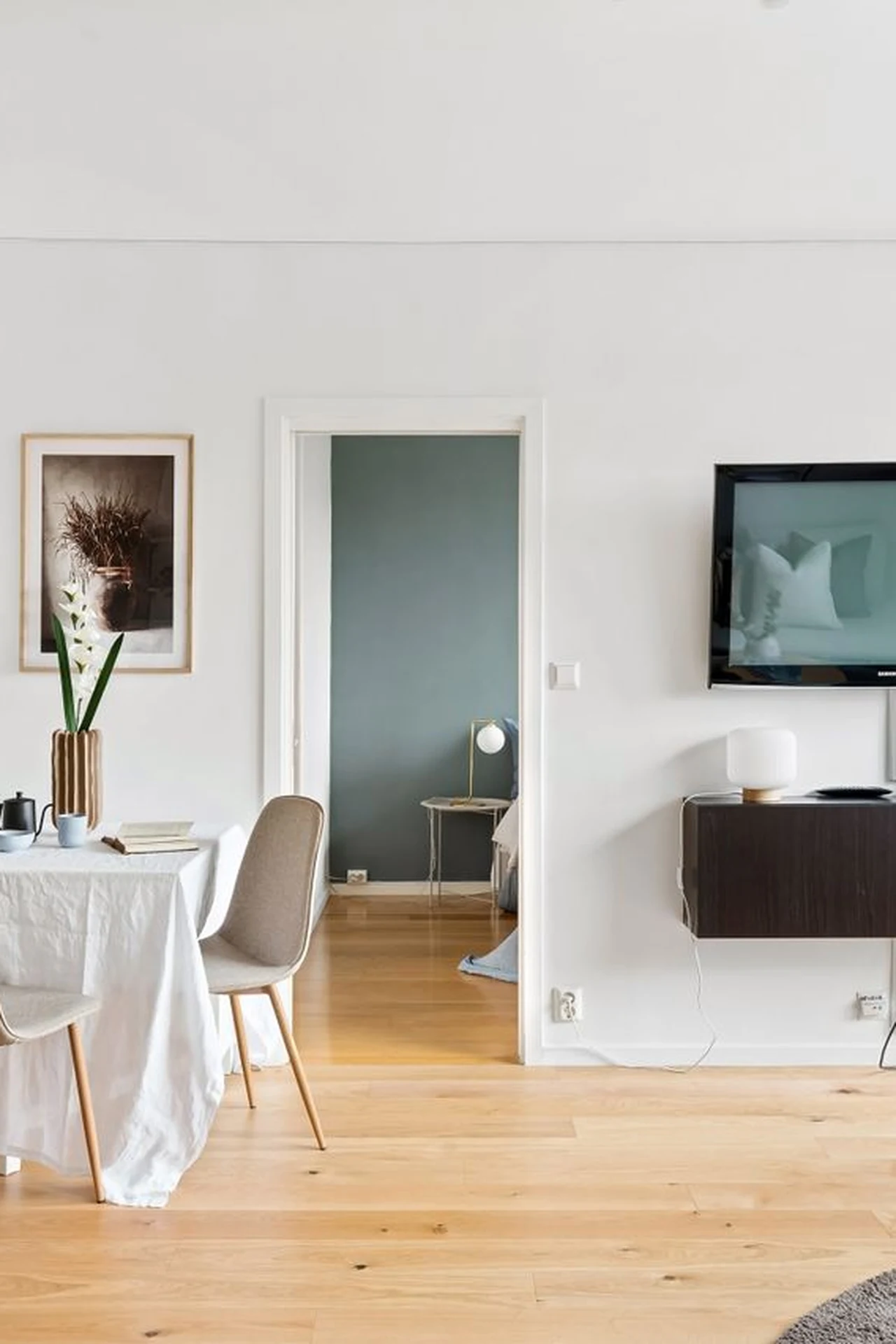
Wall-mounting the TV frees the entire stand underneath, which becomes shelf space, a plant perch, or simply empty floor. Use a simple fixed mount, hide the cable in a paintable channel, and hang the TV at seated eye level. I mounted mine and gained a whole console’s worth of floor, which in a micro apartment is gold. Check the wall type before drilling, since plasterboard needs special fixings. I painted the cable channel the wall colour, so the whole setup disappeared into the room.
Cost: ~$20 | Time: 45 minutes
6. Sleep on a Loft Bed
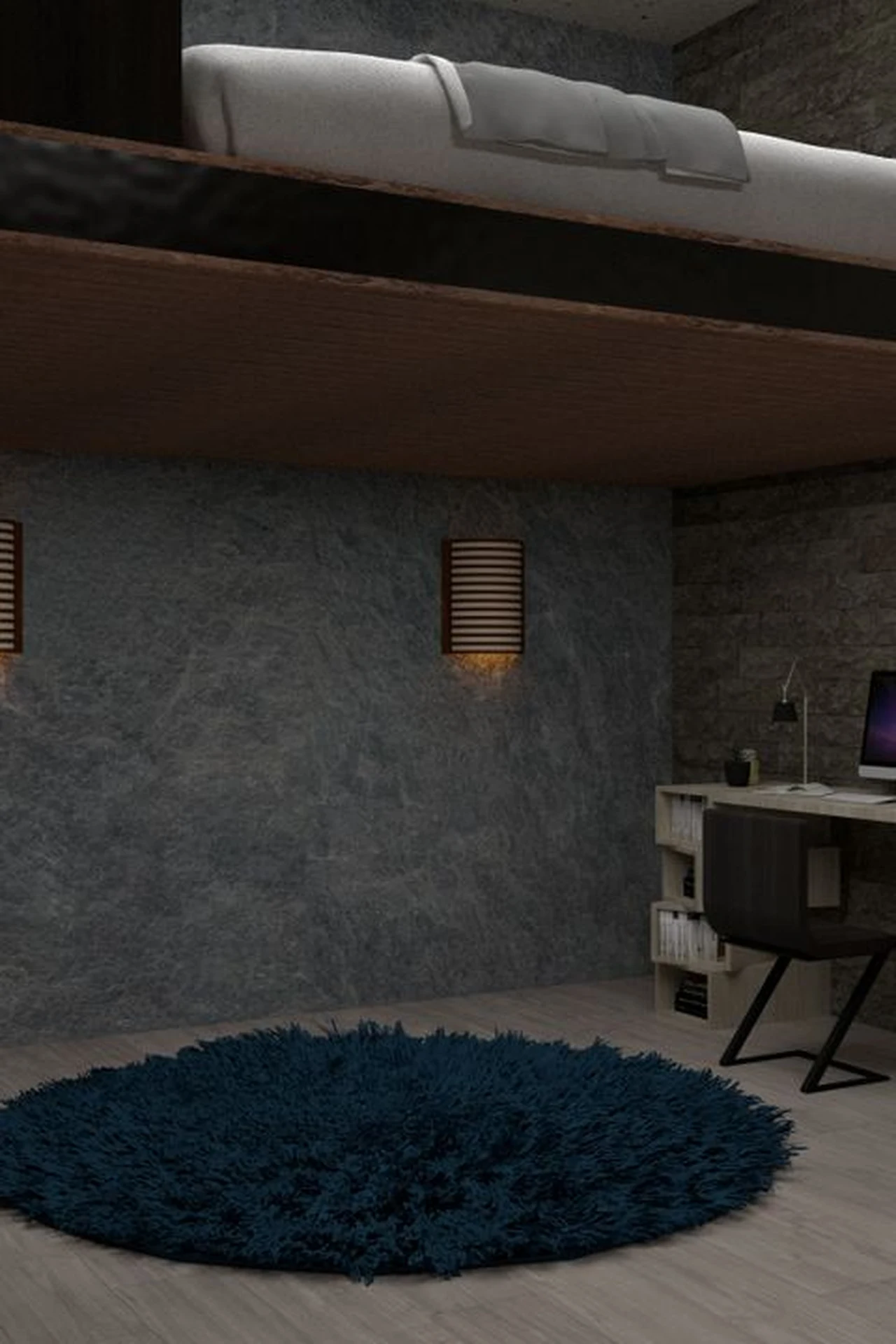
A loft bed lifts sleeping space to the ceiling and hands you the entire footprint underneath for a desk, sofa, or wardrobe. This only works with decent ceiling height, so measure carefully and sit up in the space before committing. I lived under a loft bed for two years, and the desk zone beneath it became my favourite room in the apartment. Add a guard rail and a proper ladder, since climbing down half asleep is no joke. I added a small fan underneath, since warm air collects near the ceiling in summer.
Cost: ~$150 | Time: 180 minutes
7. Fold the Dining Table Into the Wall
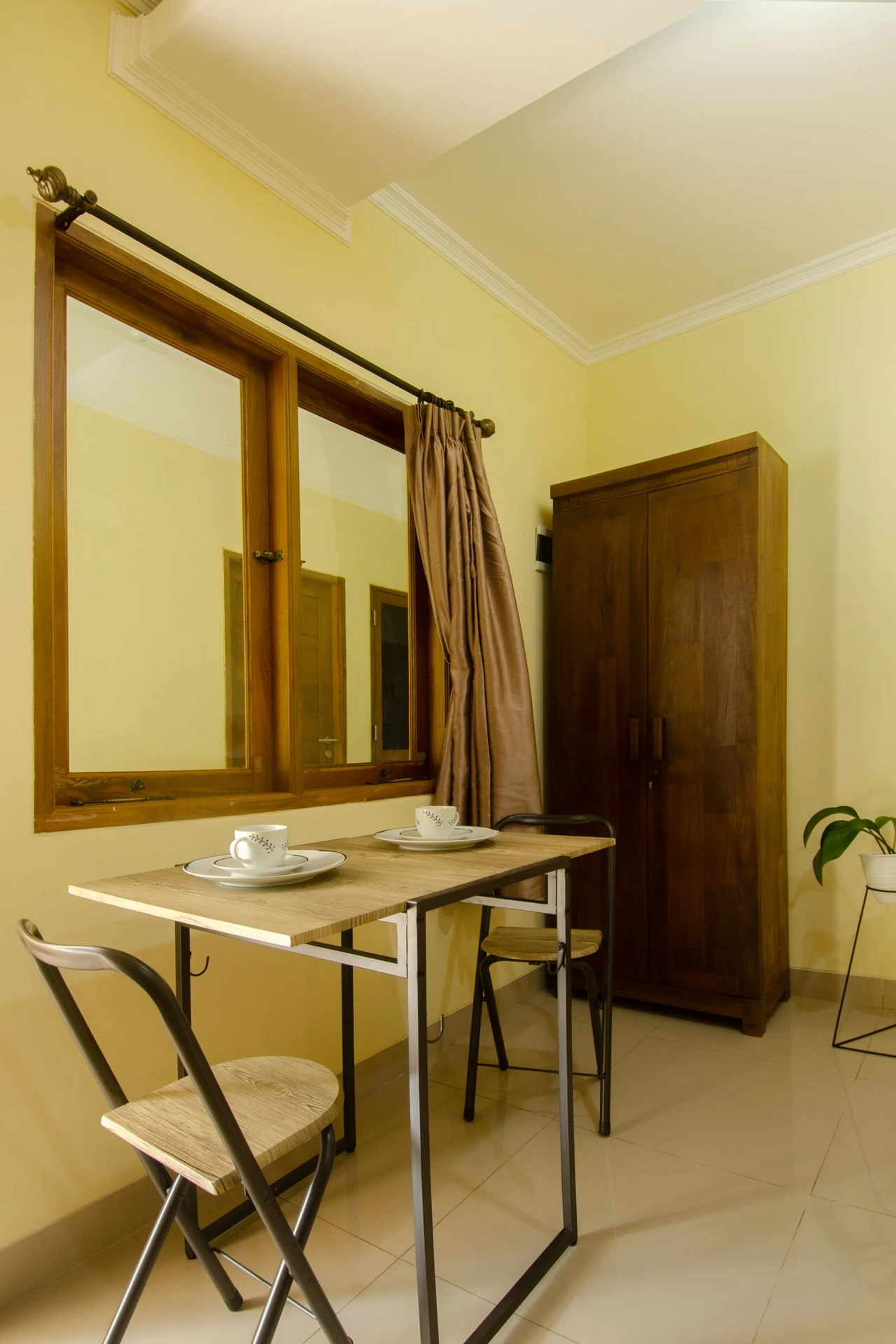
A wall-mounted fold-down table gives you a dining table only when you need one. Fold it up for dinner, fold it down afterwards, and the floor stays clear the rest of the day. I used one as both a dining table and a laptop desk, and it was the single best space-saver in my studio. Mount it at the right height for your chairs, and test the latch twice before trusting it with hot food. I keep two folding chairs nearby, so dinner for four never means a permanent big table.
Cost: ~$30 | Time: 45 minutes
8. Use Sheer Curtains Instead of Blackout
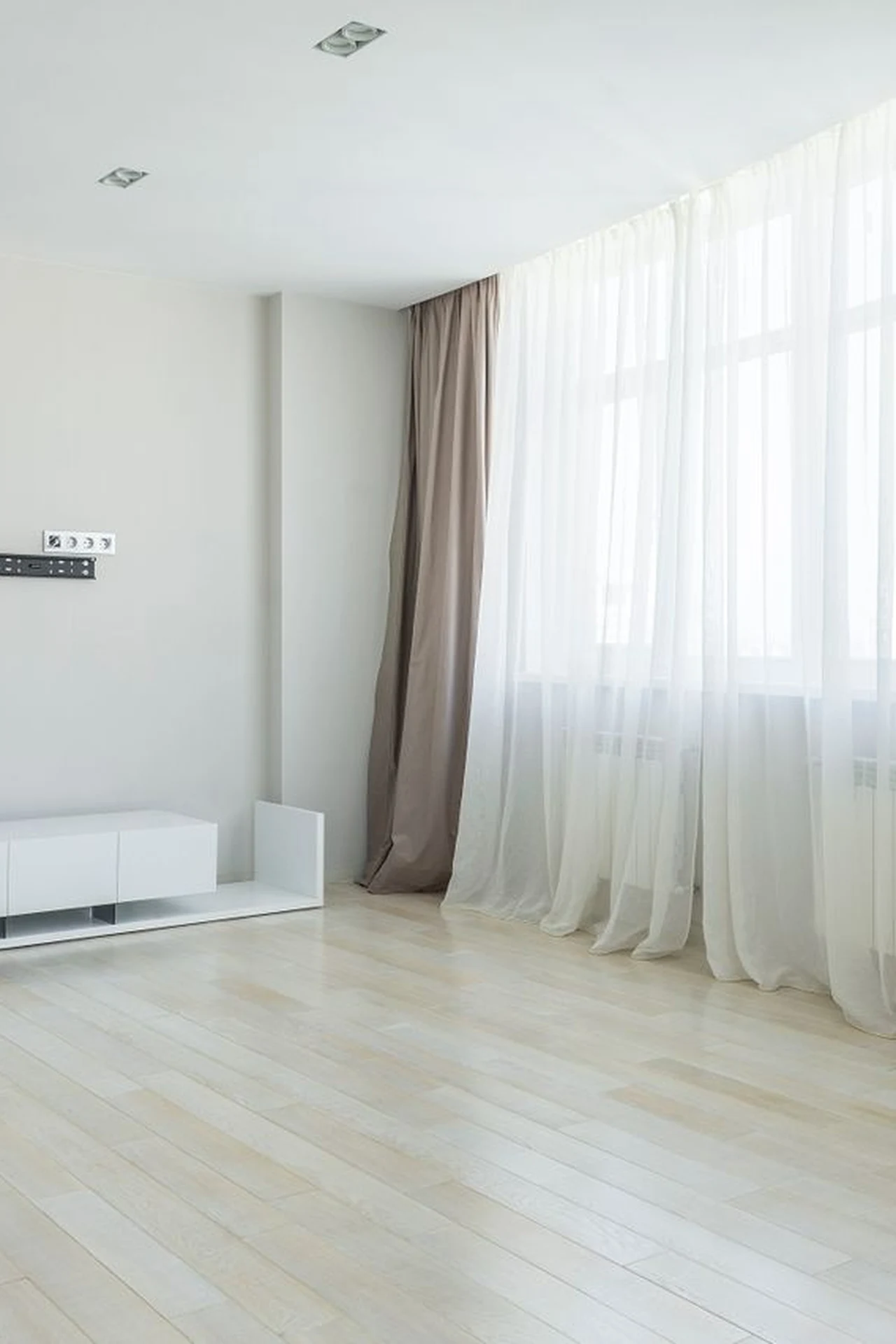
Sheer curtains filter light without blocking it, so a small room stays bright all day while still feeling private. Layer them over a simple roller blind for nights when you need darkness. I replaced heavy drapes with sheer linen panels, and my studio went from cave to sunroom. Wash them monthly, since sheers show dust faster than thick curtains do. I chose a linen look that washes easily, since sheers near a kitchen collect cooking smells. I wash them every month, since dusty sheers block more light than clean ones.
Cost: ~$15 | Time: 20 minutes
9. Keep One Clear Surface at All Times
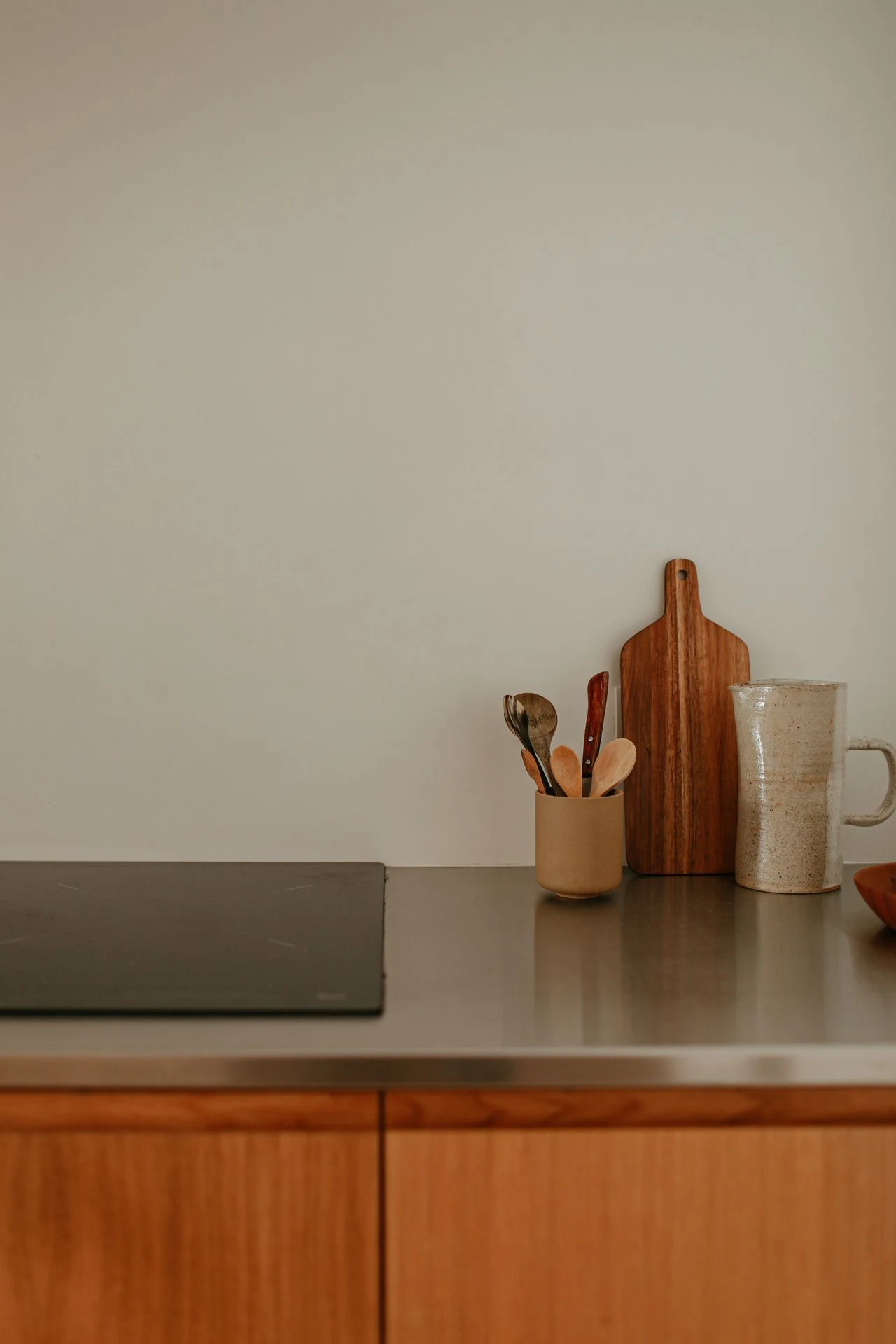
In a micro apartment, one permanently clear surface, a kitchen counter or a desk, makes the whole home feel calm. Protect it fiercely: nothing lives there except what you are using right now. I kept my kitchen counter clear as a rule, and visitors always remarked on how tidy the place looked, even when the closet was chaos. This costs nothing and changes everything, so start here if you start anywhere. I wipe it down every evening, so the clear surface habit takes thirty seconds, not ten minutes.
Cost: ~$0 | Time: 10 minutes
10. Store Everything in Matching Bins
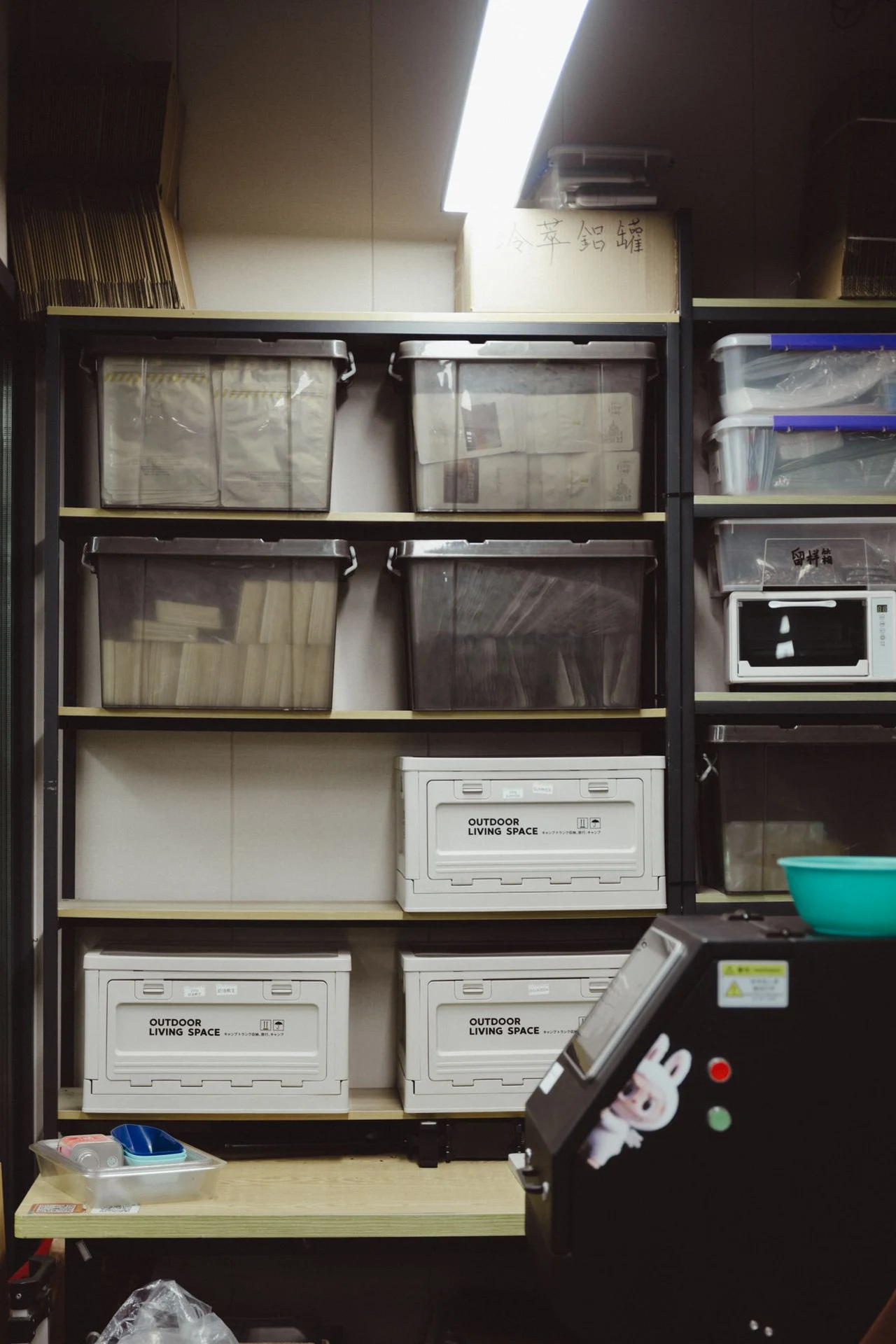
Matching bins on open shelves turn visual clutter into a calm pattern, because the eye reads repetition as order. Pick one colour and one size per shelf, label them discreetly, and keep the mess inside. I replaced a shelf of random boxes with matching fabric bins, and the shelf stopped looking like storage. Buy all the bins at once, since a half-matched set looks worse than a random one. I keep one bin empty for odds and ends, since a system with no overflow space always breaks.
Cost: ~$20 | Time: 30 minutes
11. Raise Curtains to the Ceiling
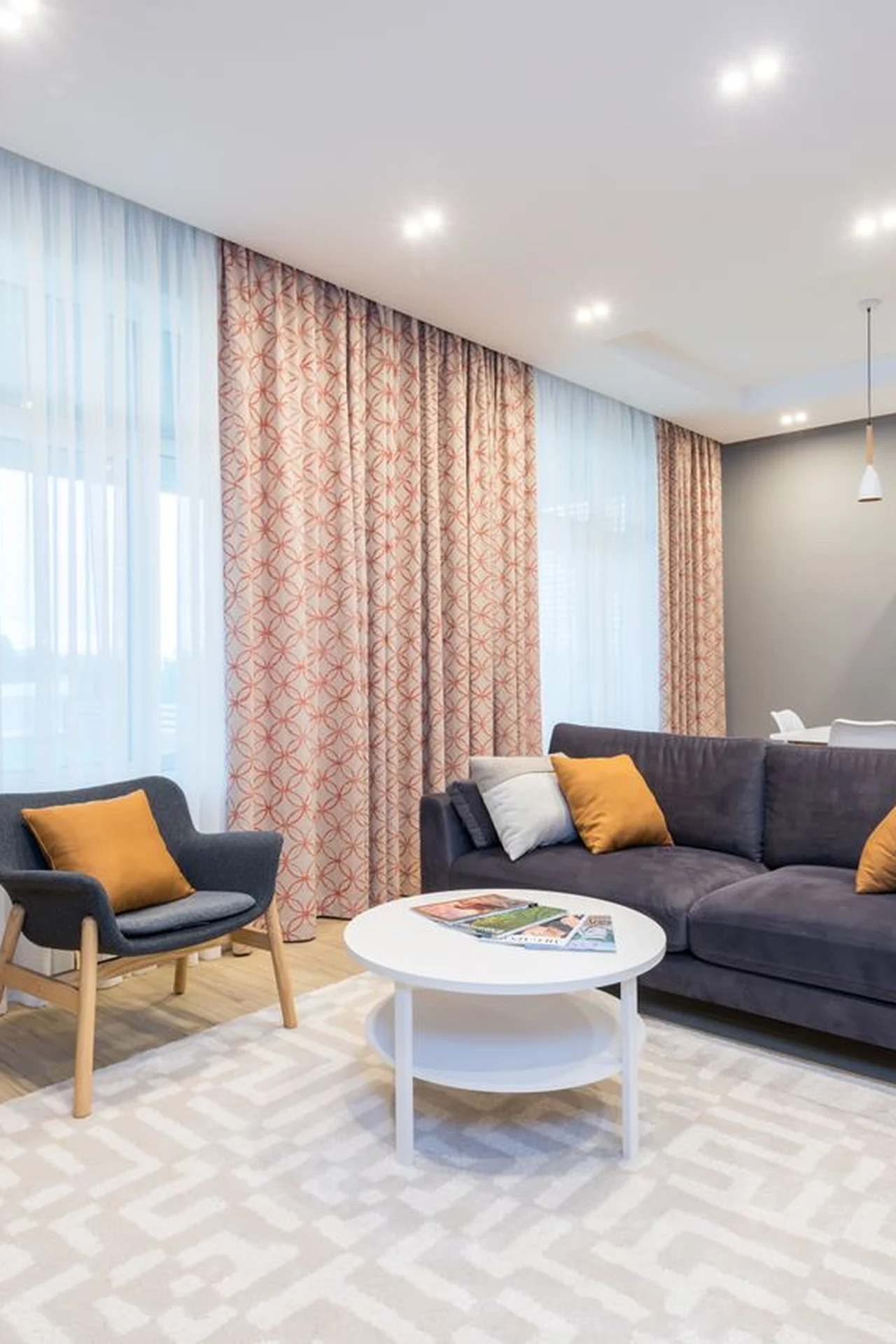
Curtains hung at ceiling height make windows look taller and ceilings higher, which is pure visual trickery that works every time. Extend the rod beyond the window frame on both sides so the curtains stack on the wall, not over the glass. I did this in a basement studio with tiny windows, and the room gained an airiness it had no right to have. Save this idea if your ceilings feel low. I extended the rod a full hand width past the frame, so the curtains never cover the glass.
Cost: ~$15 | Time: 25 minutes
12. Pick a Sofa Bed You Actually Like
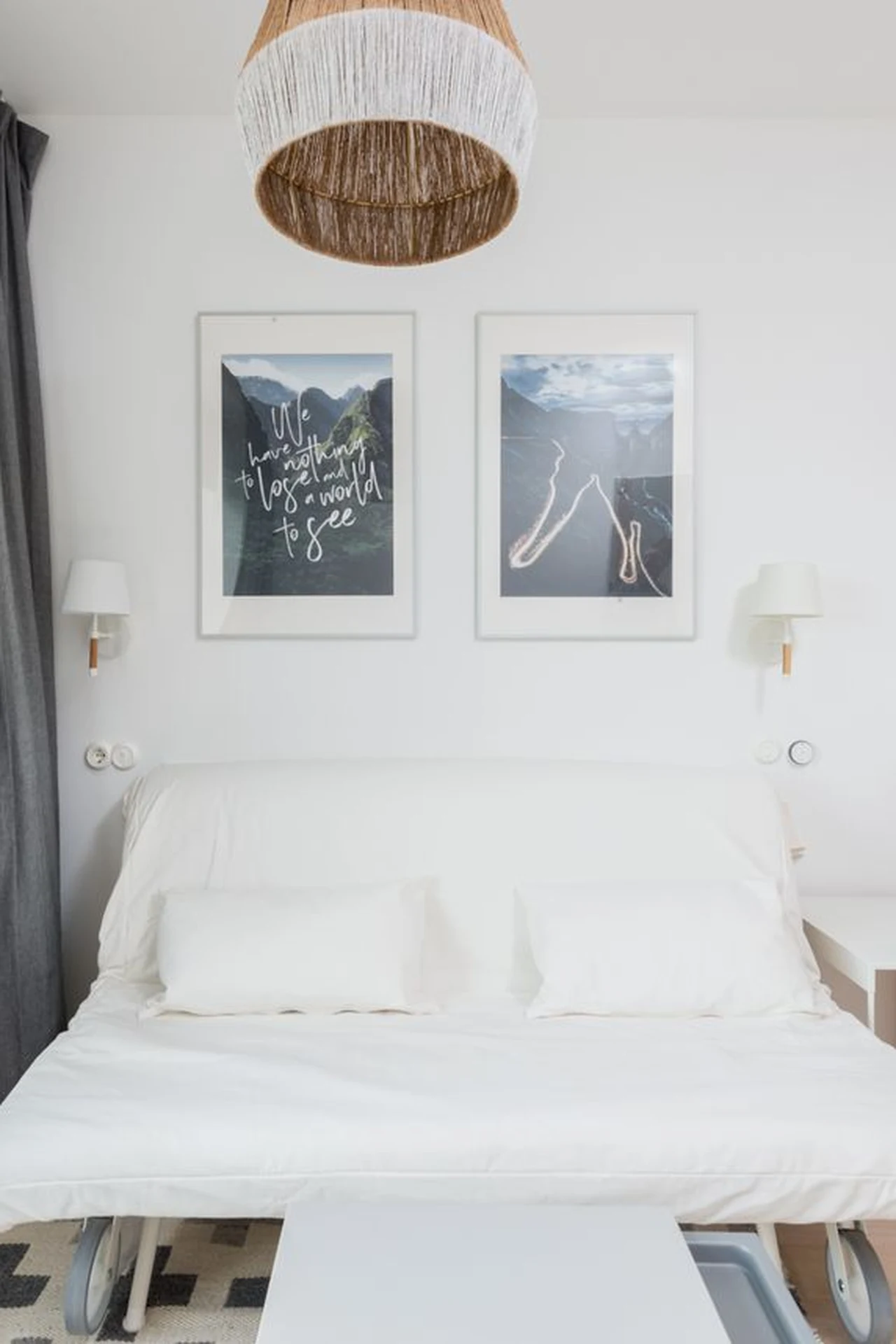
A good sofa bed means your living room and guest room are the same room, without a permanent bed eating the floor. Test the mattress in the shop, since a sofa bed nobody sleeps on is just a bad sofa. I hosted friends for years on a decent sofa bed, and my studio never had to dedicate space to a guest bed. Keep the bedding in an ottoman nearby so hosting takes two minutes, not twenty. I keep a mattress topper rolled nearby, since it turns an okay sofa bed into a great one.
Cost: ~$120 | Time: 30 minutes
(see also: 21-small-apartment-zones-that-make-studios-feel-bigger)
13. Use the Tops of Cabinets
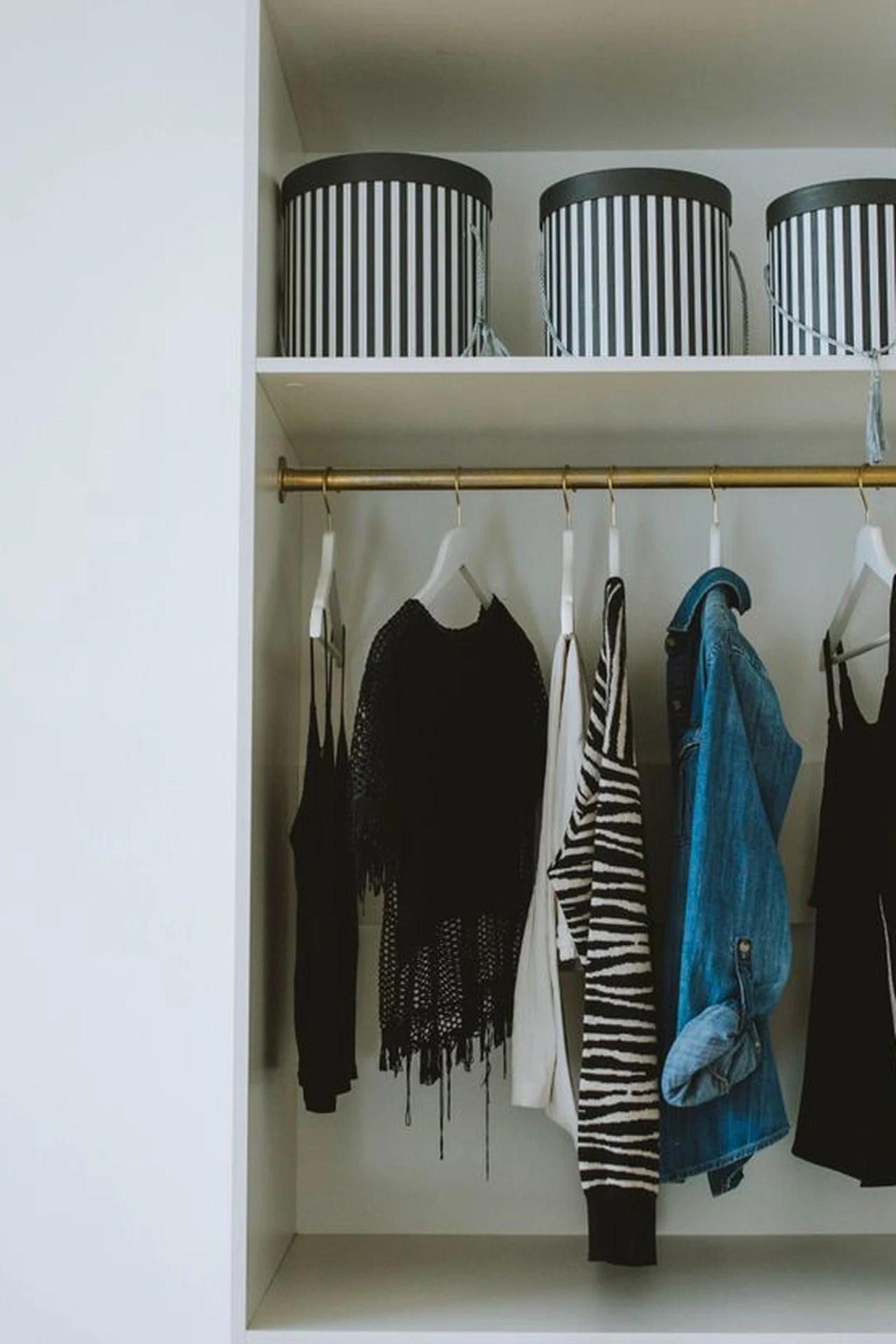
The top of wardrobes and kitchen cabinets is wasted space in most micro apartments, but it holds out-of-season items perfectly. Put things in matching boxes up there, and keep a small step stool handy. I stored winter coats and suitcases above my wardrobe, freeing an entire closet shelf. Keep it tidy, since a messy top-of-cabinet is visible from across the room. I labelled the ends of every box, so finding winter coats never means opening five boxes. I keep a folding step stool nearby, since the top of a wardrobe is useless without one.
Cost: ~$12 | Time: 30 minutes
14. Choose a Round Dining Table
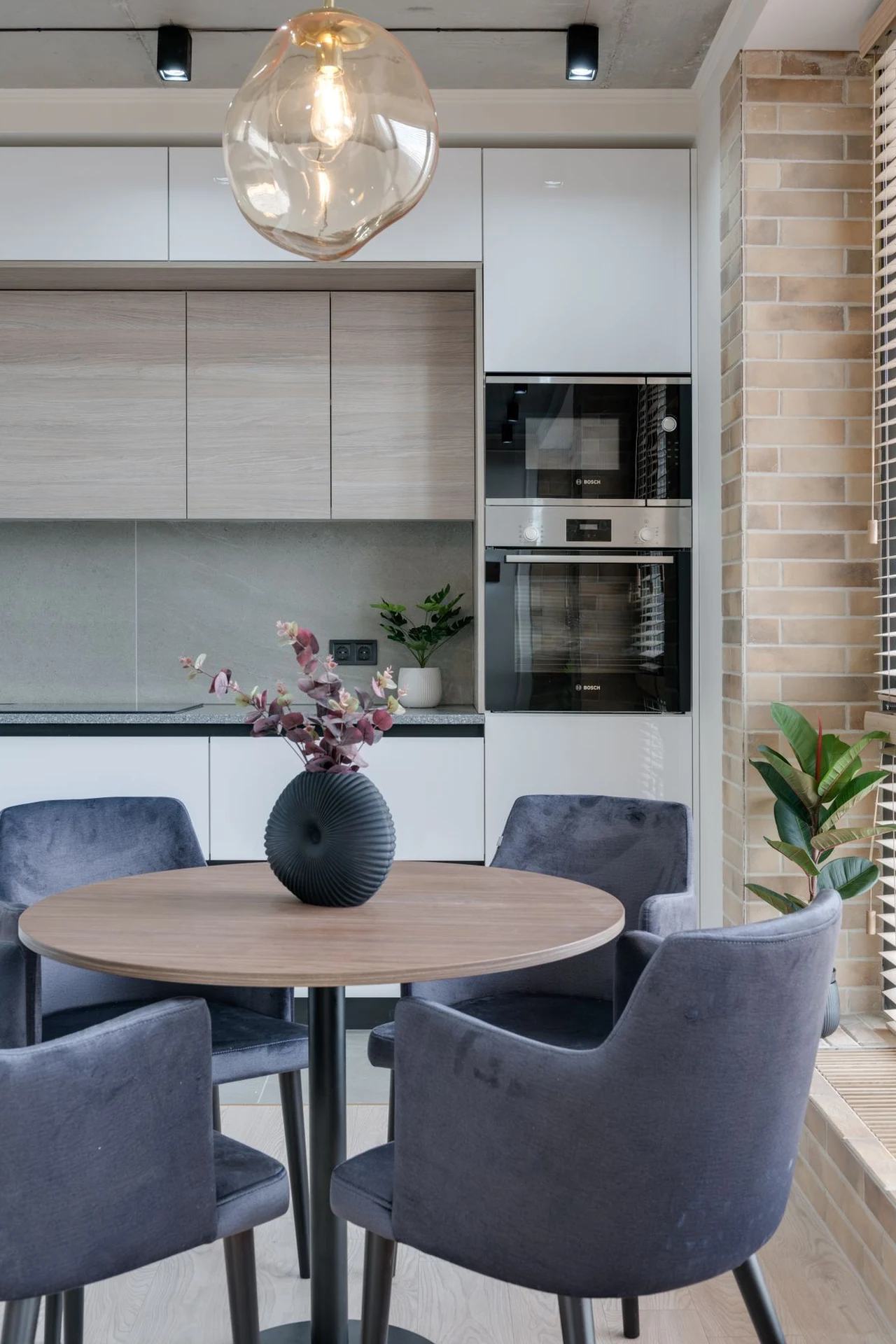
A round table fits a tight corner better than a rectangular one, since there are no corners to bump into and people can squeeze around it. A small pedestal table seats three comfortably in the space a square table seats two awkwardly. I swapped a rectangular table for a round one, and the dining corner stopped being an obstacle course. Pick a pedestal base, since four legs eat legroom in a small circle. I chose a pedestal base, since four legs in a tight circle leave no room for feet.
Cost: ~$40 | Time: 20 minutes
15. Light the Corners, Not Just the Centre
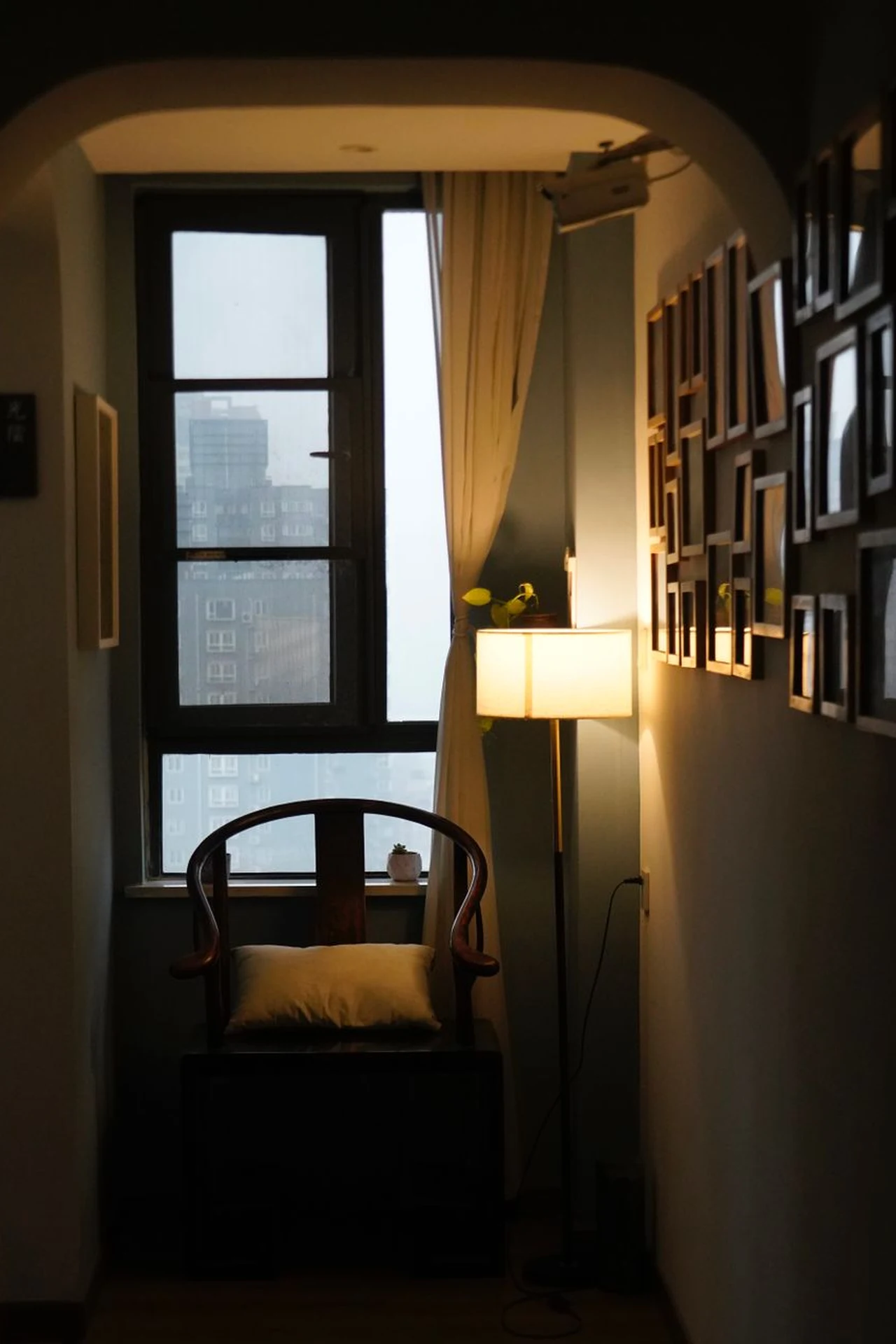
Dark corners make a room feel smaller, because your eye stops at the shadows. Put a small lamp or a battery light in every dark corner, and the walls seem to move outward. I added a tiny lamp to the darkest corner of my studio, and the room gained what felt like an extra metre. Use warm light everywhere, since one cold bulb in a corner breaks the illusion. I use a timer plug for the corner lamp, so the dark corner never stays dark after sunset.
Cost: ~$15 | Time: 20 minutes
16. Hang Art Big, Not Small
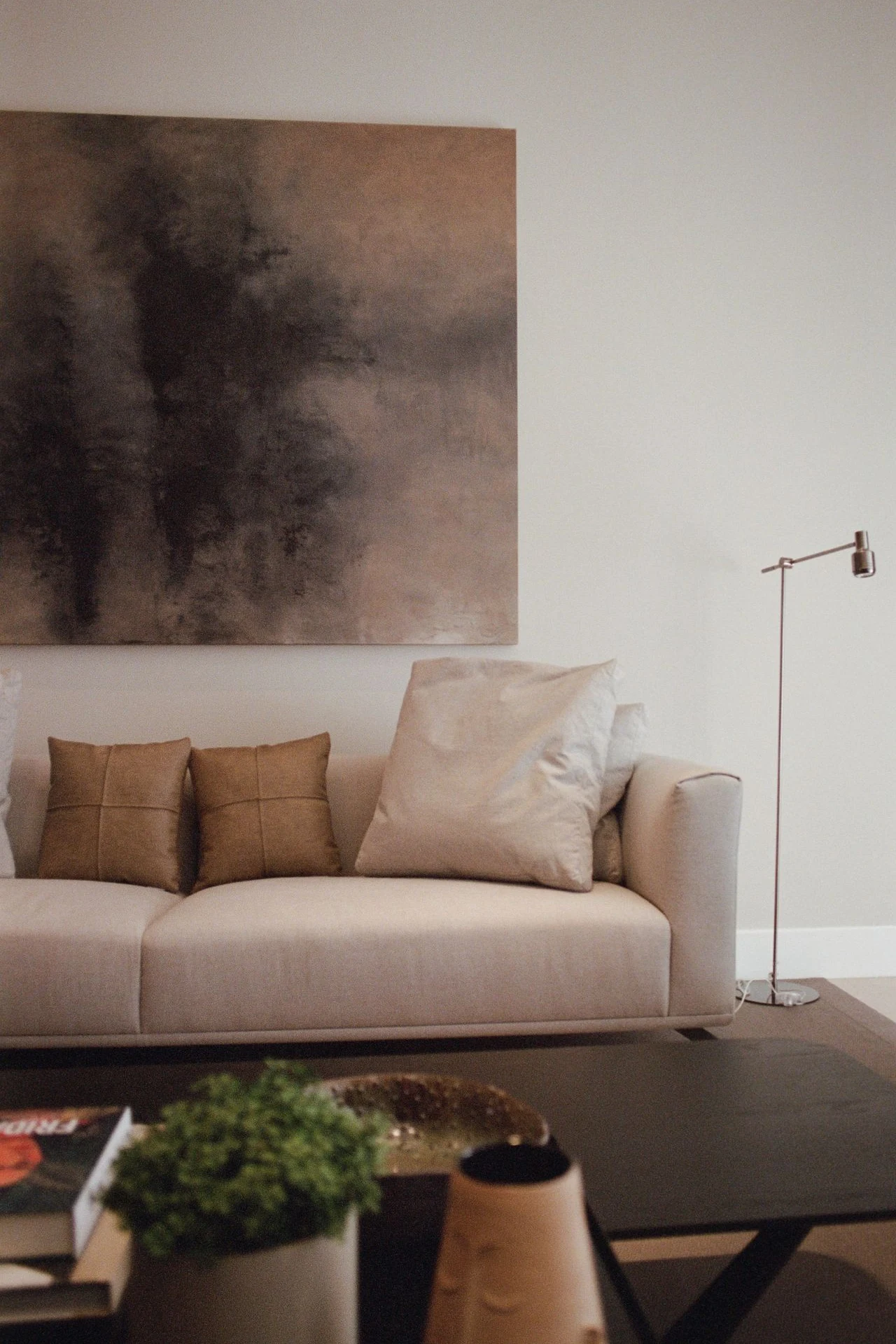
One large piece of art makes a small wall feel grand, while a scatter of tiny frames makes it feel busy. Hang one big print or canvas above the sofa or bed, and leave the rest of the wall alone. I replaced a cluster of small frames with one large abstract print, and the wall suddenly looked intentional. Keep the frame simple, since the art should be the statement, not the frame. I hung it at eye level from the sofa, so the art anchors the seating area properly.
Cost: ~$25 | Time: 20 minutes
17. Use a Rolling Kitchen Cart
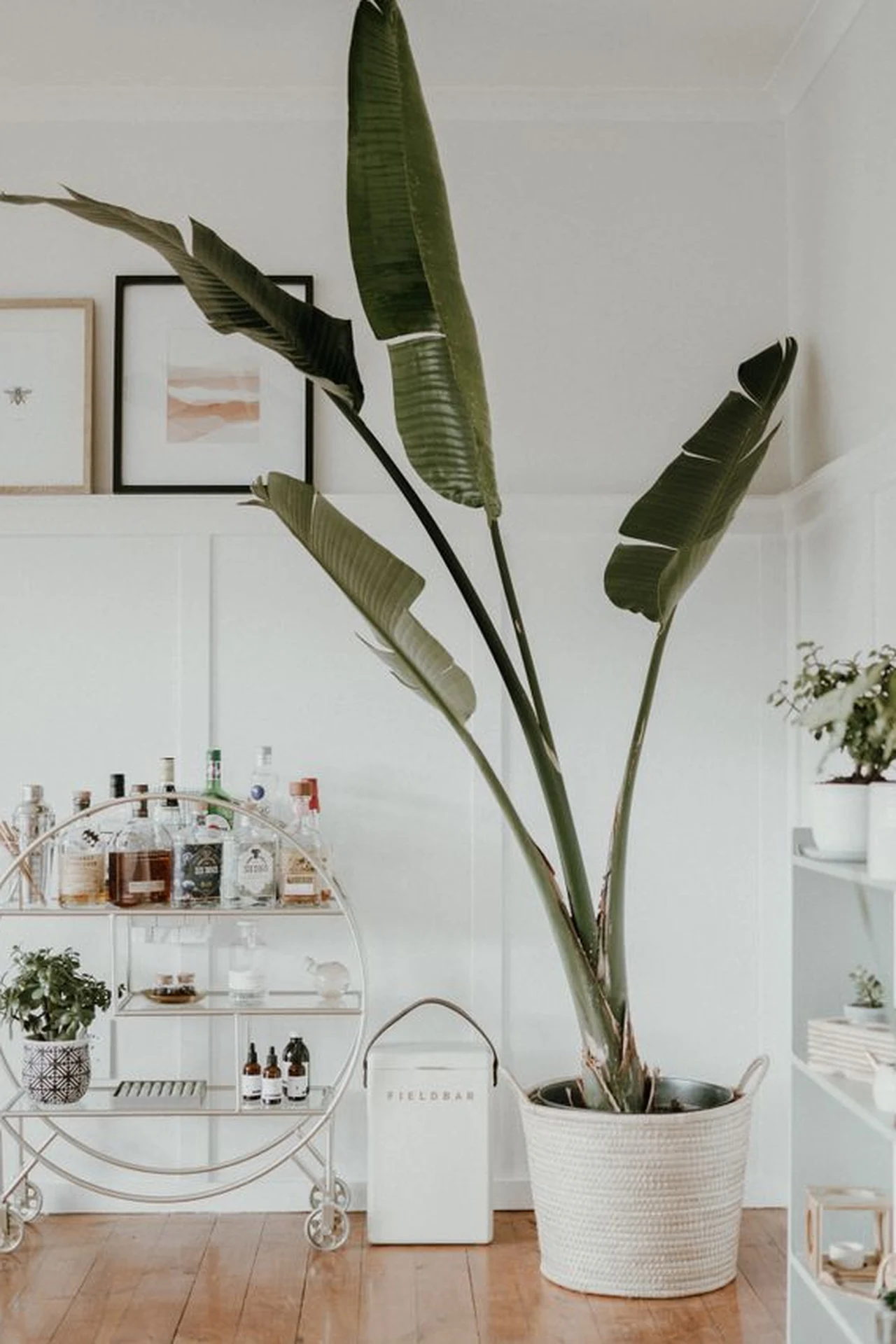
A rolling kitchen cart adds counter space, storage, and a serving table in one, and it moves wherever the work is. Park it against a wall as a coffee station, roll it to the stove when cooking, and tuck it away for parties. I used one as my main prep surface in a kitchen with almost no counter, and it saved my sanity. Lock the wheels when cooking, since a runaway cart and a hot pan are a bad combination.
Cost: ~$35 | Time: 30 minutes
18. Make the Bed Every Morning
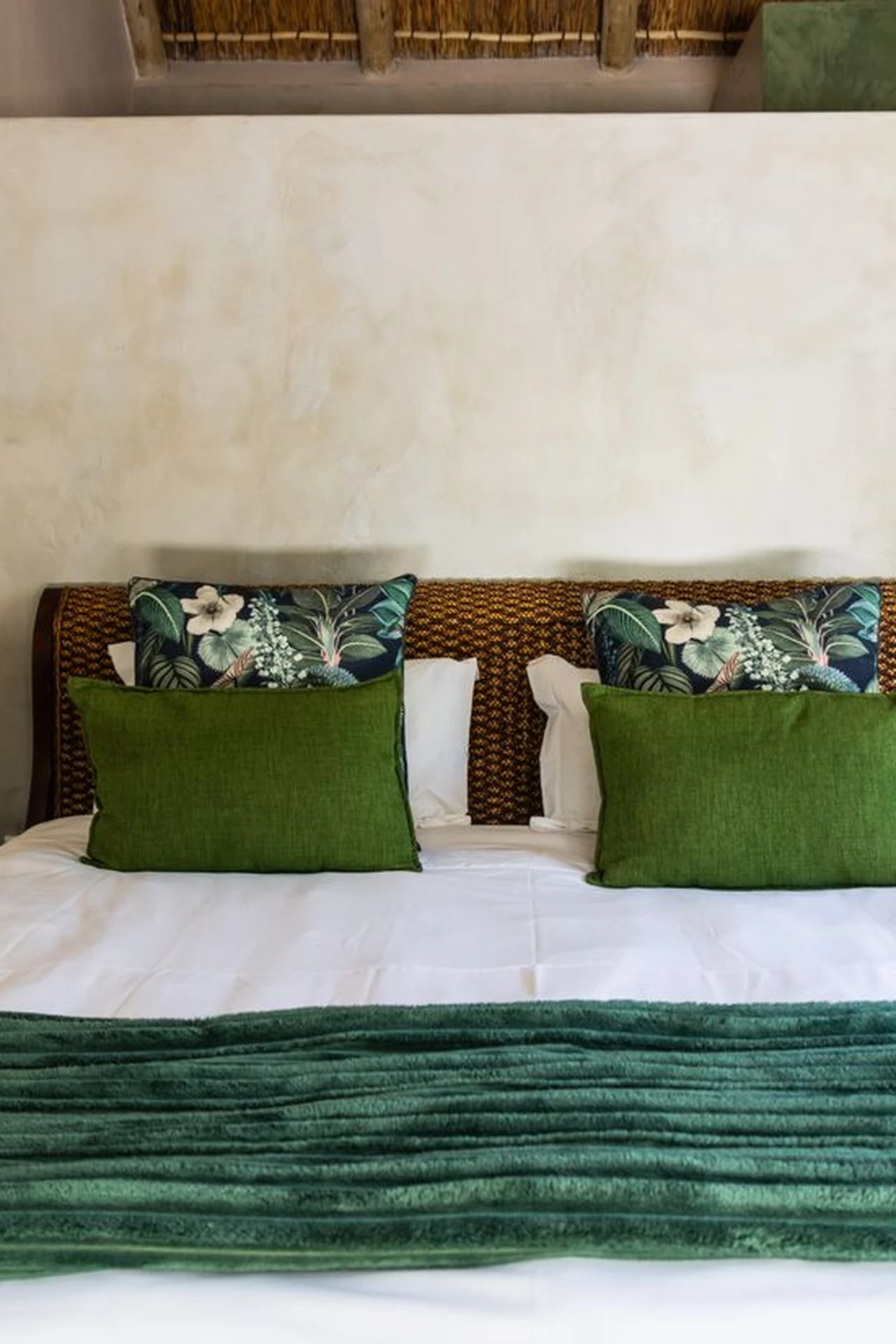
In a studio, the bed is the biggest piece of furniture, and an unmade bed makes the whole apartment look messy. Making it takes two minutes and instantly turns the sleeping area into a tidy daybed. I made this a non-negotiable habit, and it was the cheapest spaciousness trick I owned. Add a throw and two cushions, and the bed reads as a sofa during the day. I fold the throw neatly each morning, so the bed reads as a daybed all day long.
Cost: ~$0 | Time: 5 minutes
19. Use Open Shelving Sparingly
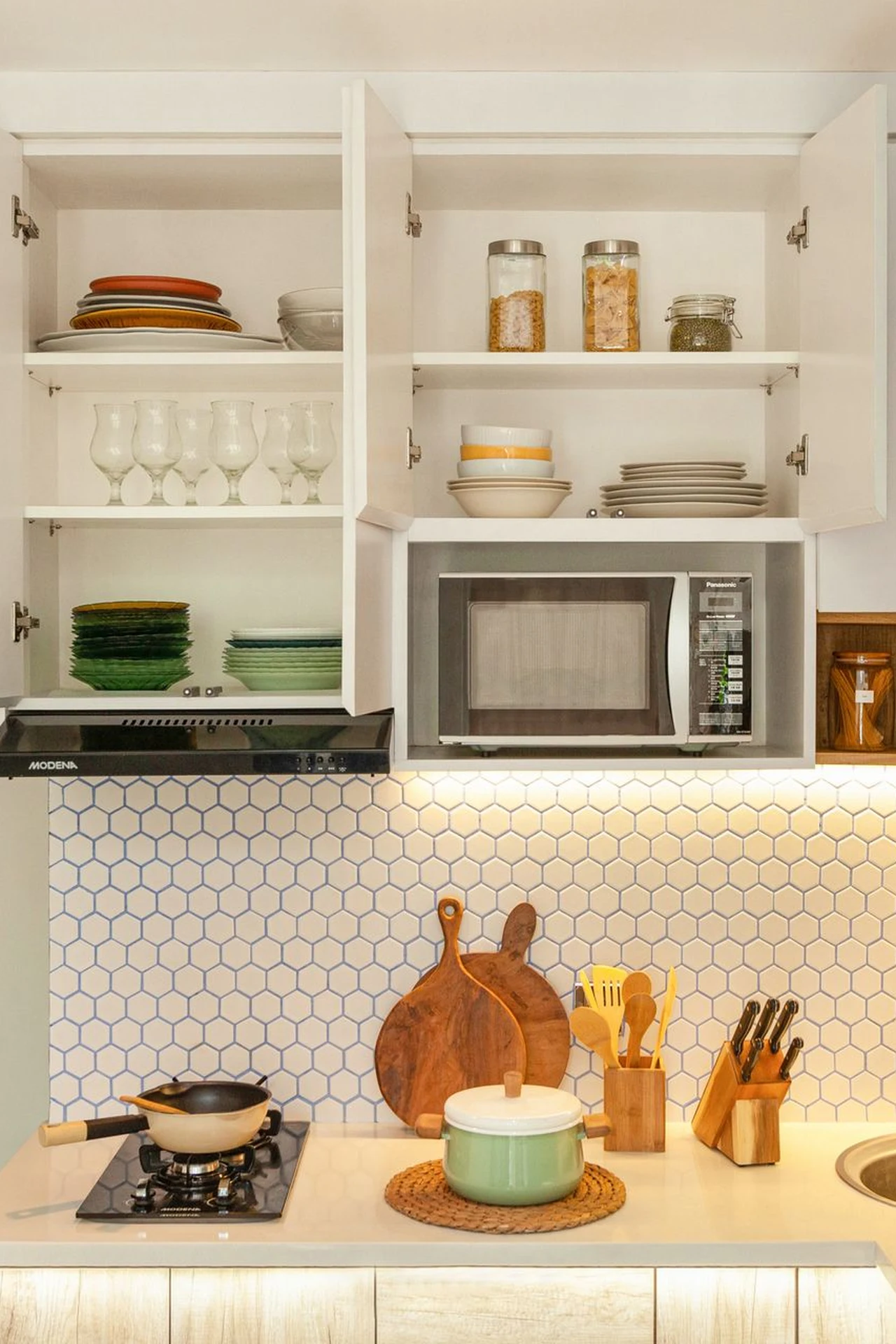
One open shelf styled with restraint feels airy, but a wall of open shelves crammed with stuff feels like a shop stockroom. Keep open shelves to one or two, style them with breathing room, and hide the rest behind doors. I kept one open kitchen shelf for pretty dishes and hid everything else, and the kitchen looked twice as big. Edit ruthlessly, since every extra object on an open shelf shrinks the room a little. I keep only dishes I love on display, since open shelves punish every ugly mug you own.
Cost: ~$20 | Time: 45 minutes
20. Pick One Statement Plant
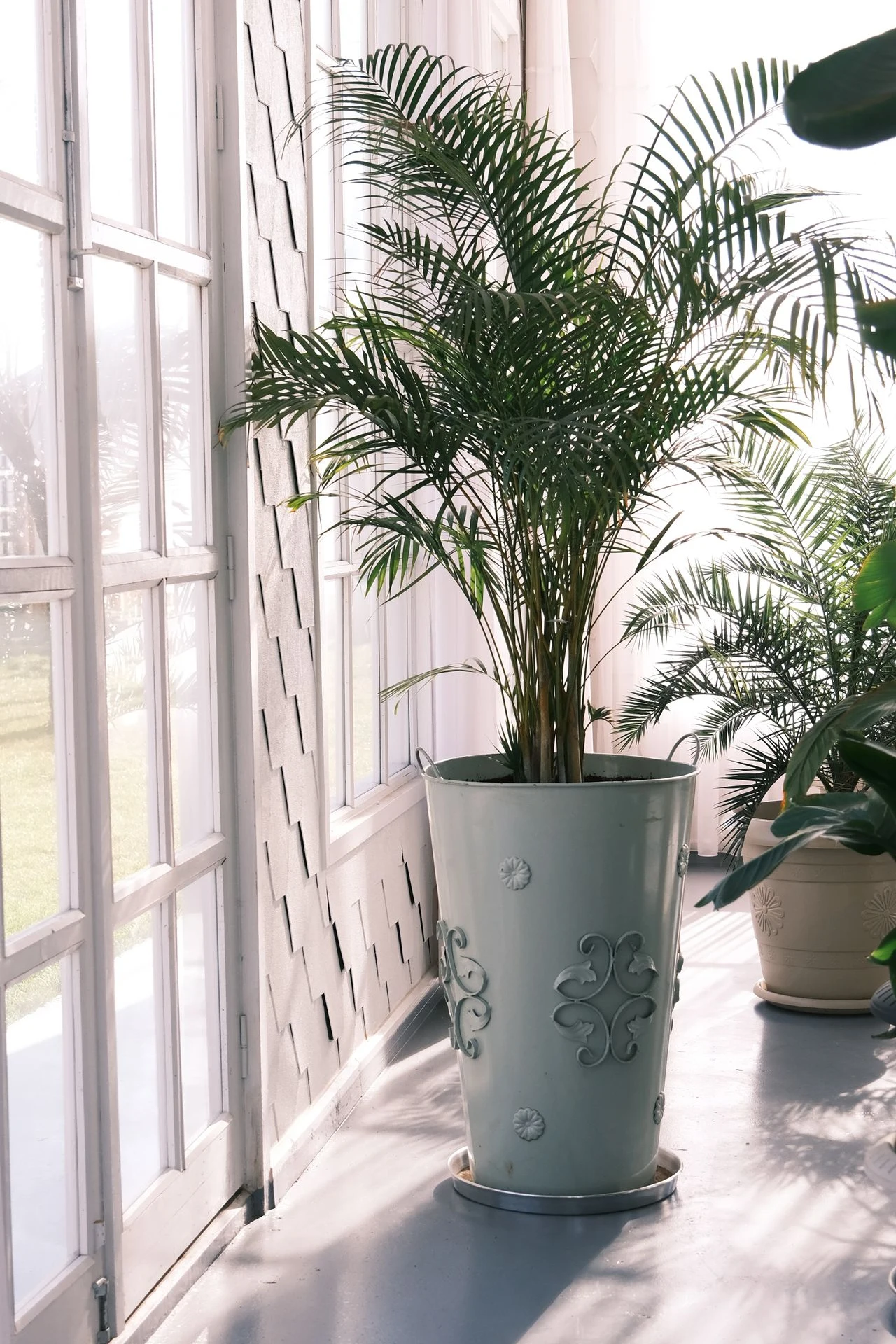
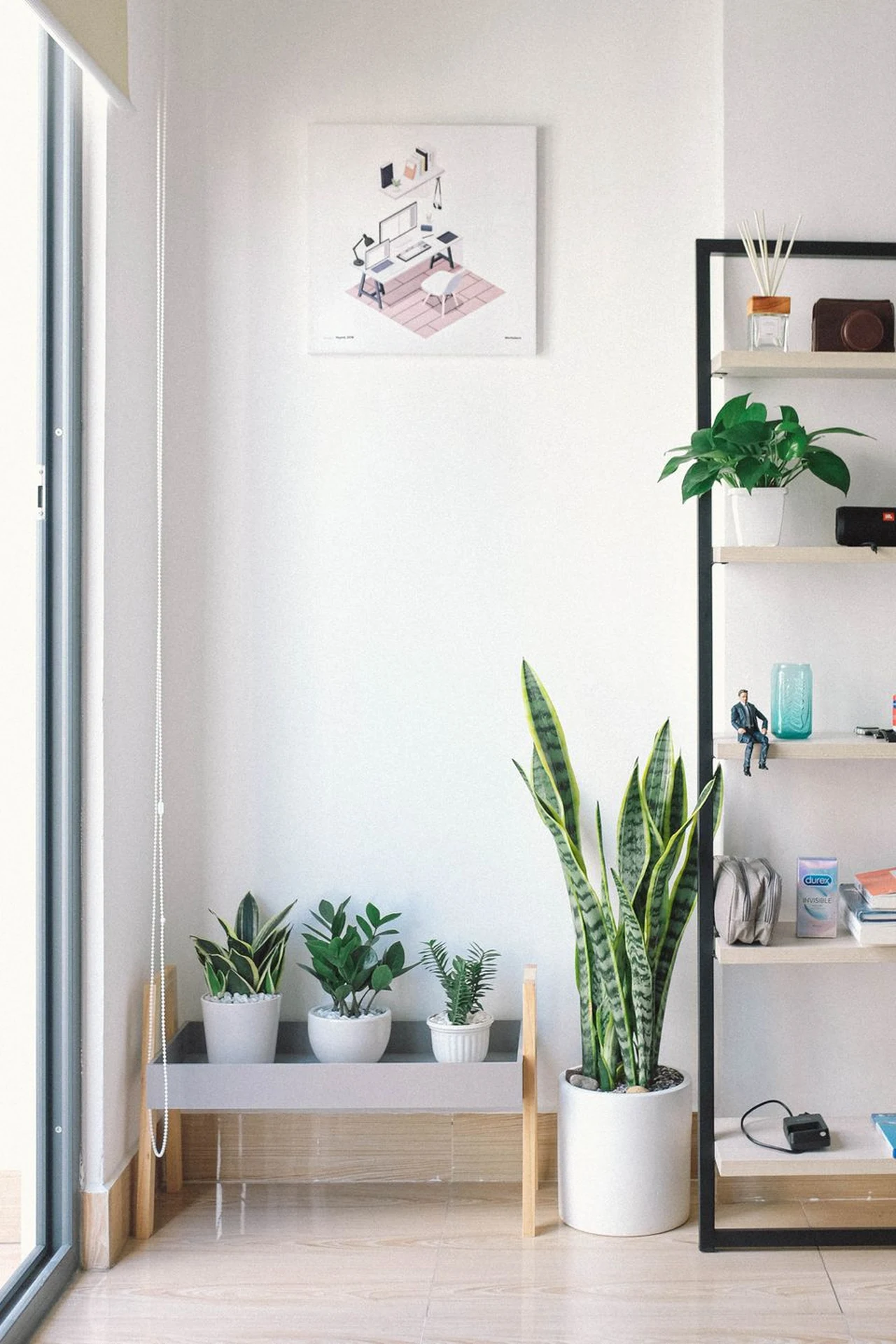
One large plant makes a stronger spaciousness statement than ten small ones scattered around, because a single tall plant draws the eye upward. Choose a fiddle leaf, a palm, or a tall snake plant, and give it a prime corner. I had one big palm that became the apartment’s personality, while my friends’ windowsills of tiny pots just looked cluttered. Water it properly, since a dying statement plant makes the opposite statement. I check the leaves weekly for dust, since a dusty statement plant loses its impact fast.
Cost: ~$25 | Time: 15 minutes
21. Keep the Floor Visible
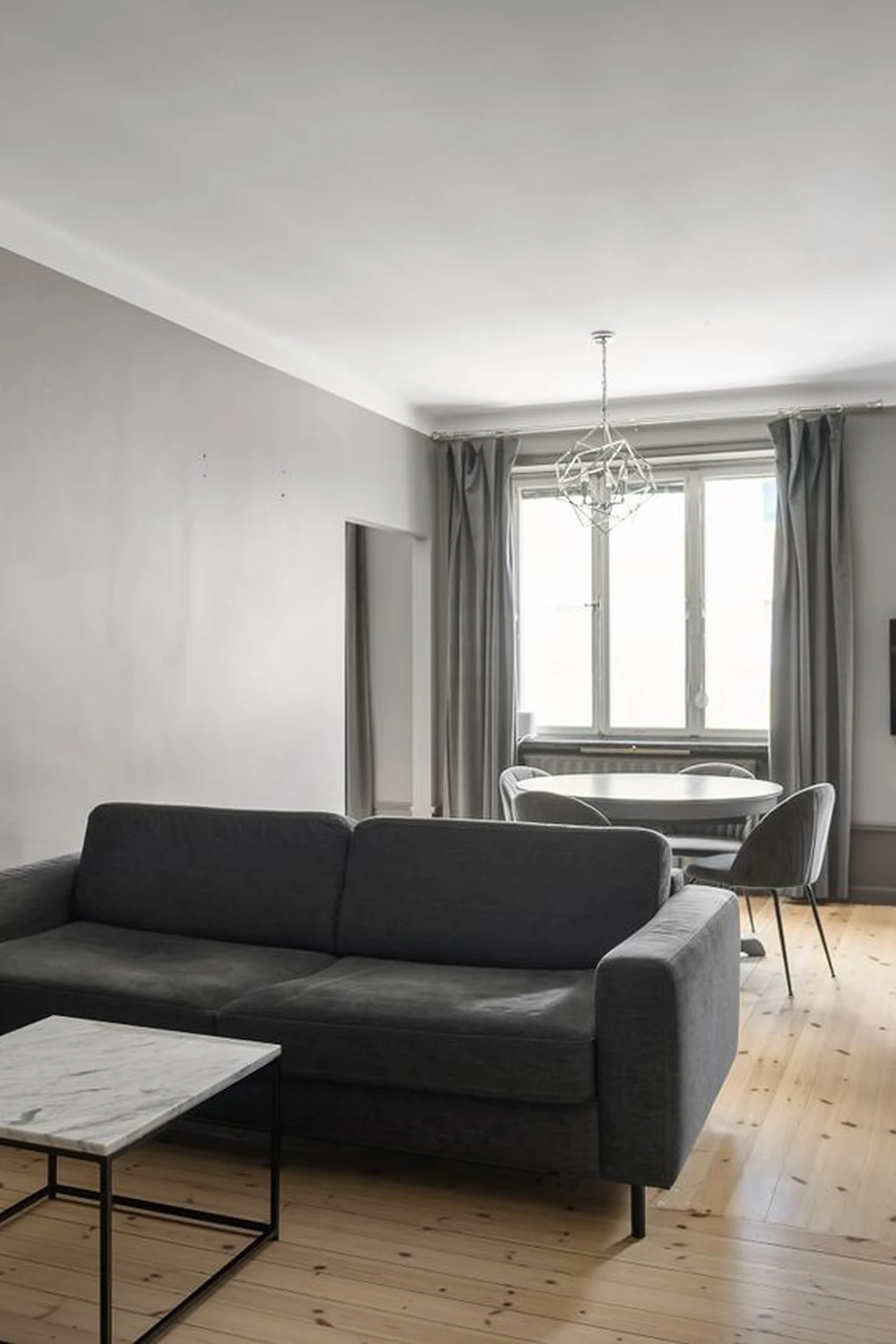
The more floor you can see, the bigger a room feels, so resist filling every gap with furniture. Leave a clear path through the room, keep rugs slightly smaller than the floor area so a border shows, and avoid pushing furniture into every corner. I removed one side table I never used, and the newly visible floor made the room feel noticeably larger. Walk the room and remove one thing you do not use, then live with the space for a week.
Cost: ~$0 | Time: 20 minutes
22. Use Mirrored or Glossy Finishes
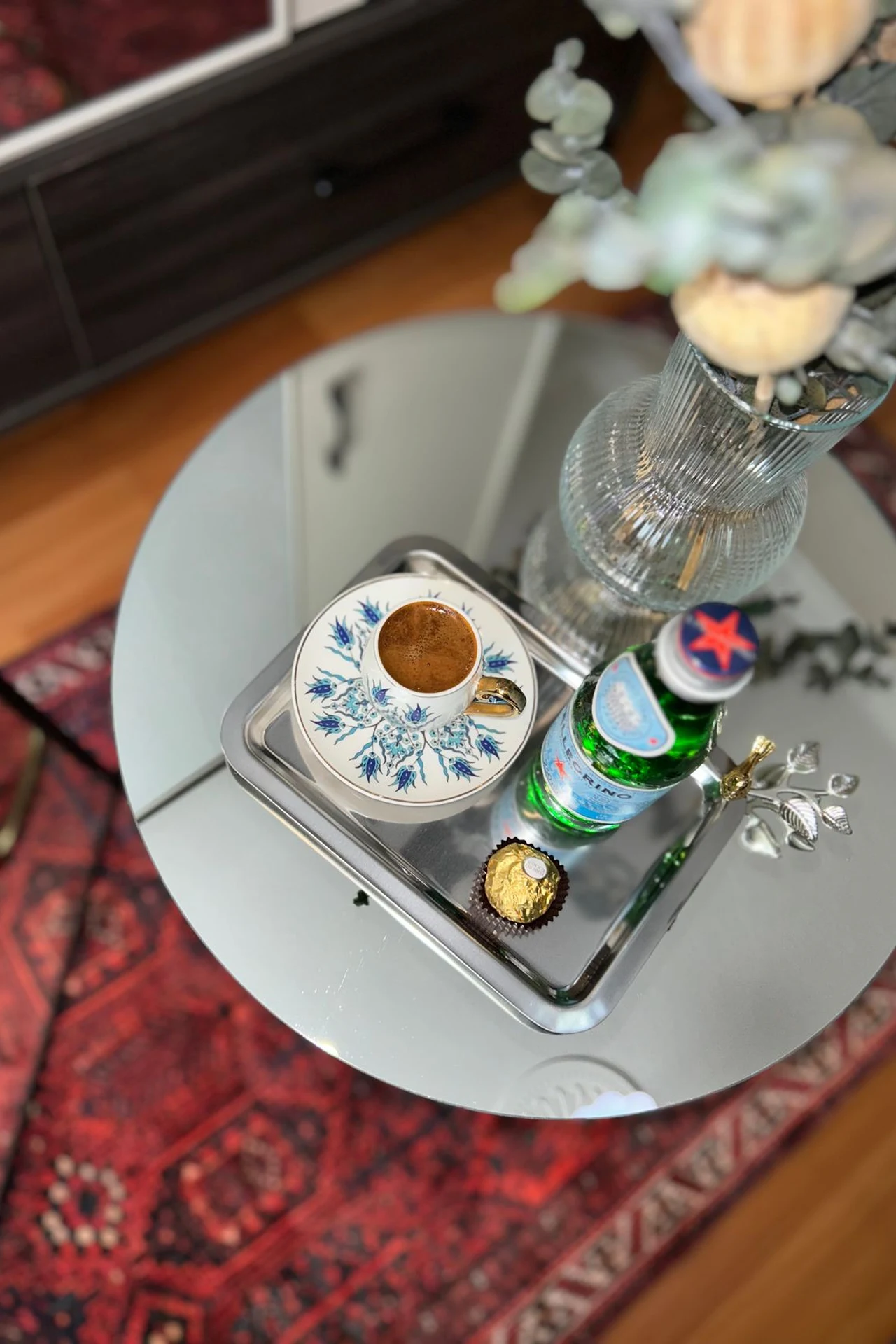
Glossy and mirrored surfaces bounce light around a small room, so a mirrored tray, a lacquered box, or a glass vase all add sparkle. Use them as accents, not as whole walls, since too much shine feels cold. I added a mirrored tray on my coffee table and a glossy vase on the shelf, and the room gained little flashes of light everywhere. Keep them polished, since dull mirrors just look grey. I placed the tray where it catches window light, so it sparkles at golden hour every day.
Cost: ~$12 | Time: 15 minutes
23. Zone With Rugs, Not Walls
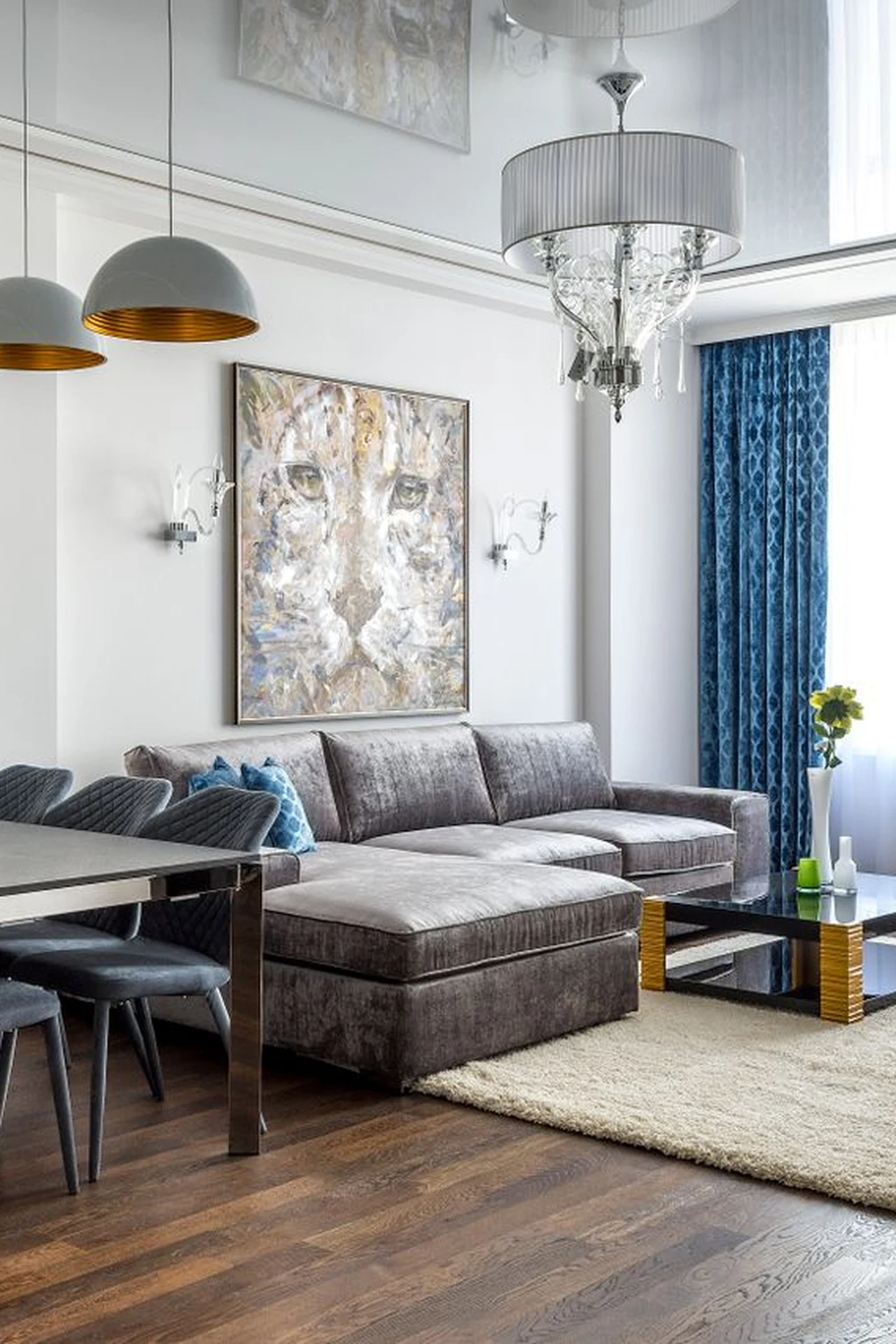
A rug under the sofa marks a living room, a rug under the bed marks a bedroom, and no walls are needed. Use different textures per zone so each area feels distinct, but keep the colours in one family so the apartment still reads as one home. I zoned my whole studio with three rugs, and guests could suddenly “see” rooms where there were none. Leave floor visible between rugs, since wall-to-wall rugs defeat the purpose. I left a clear strip of floor between rugs, so each zone still feels like part of one home.
Cost: ~$45 | Time: 30 minutes
24. Hide the Clutter Behind a Curtain
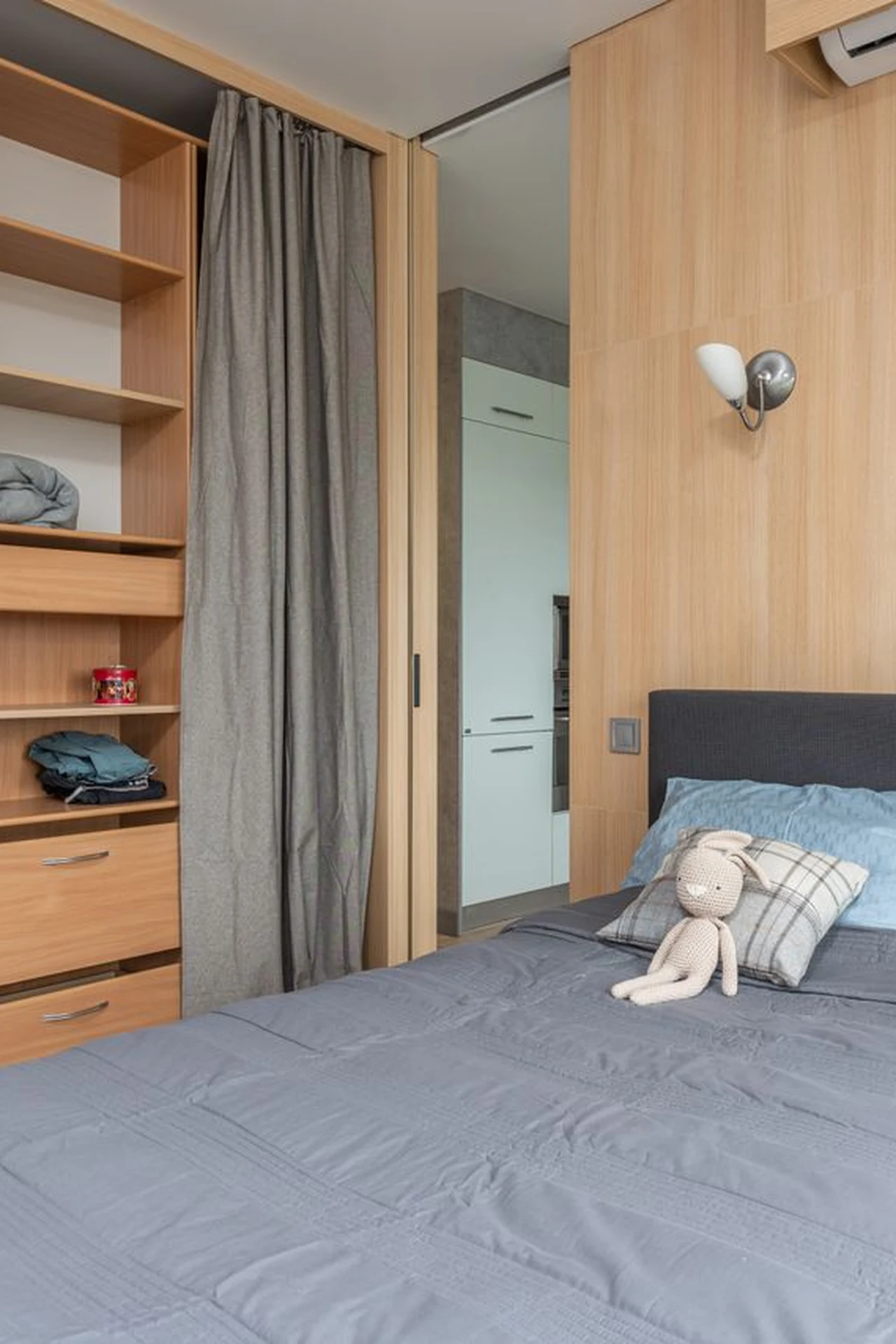
Open storage that cannot stay tidy should hide behind a curtain, which is cheaper and softer than a door. Hang a simple curtain over an open closet, a shelf wall, or a laundry corner, and the mess disappears in one pull. I curtained my open shelving unit, and the room calmed down instantly. Choose a fabric that matches your curtains, so the cover-up looks like a design choice. I chose a curtain that matches my bedding, so the cover-up looks completely intentional.
Cost: ~$10 | Time: 20 minutes
25. Edit Ruthlessly Every Season
The final spaciousness trick is not a purchase at all: every season, remove ten things you do not use or love. Small spaces fill up by stealth, and a quarterly edit keeps the creep in check. I kept a box by the door for a month, adding anything I had not touched, and donated the box when it filled. It is the least glamorous idea on this list, and the one that makes all the others work. I donate the box the same week it fills, since a full box by the door becomes new clutter.
Cost: ~$0 | Time: 60 minutes
Feeling spacious in a micro apartment is mostly about what you remove and what you let the light do. Pick the three ideas that solve your biggest frustrations, live with them for a month, and then add more. Small homes reward patience, and yours will feel bigger every time you choose air over stuff.
